
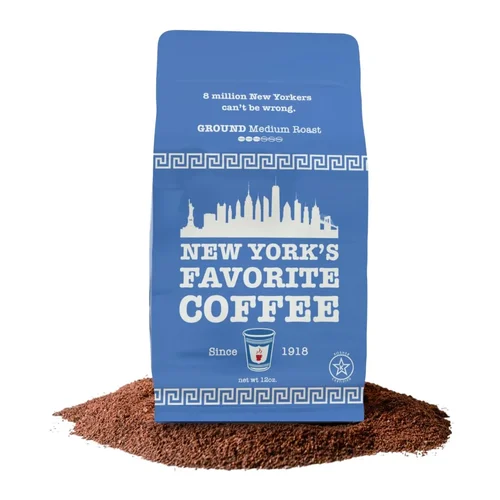
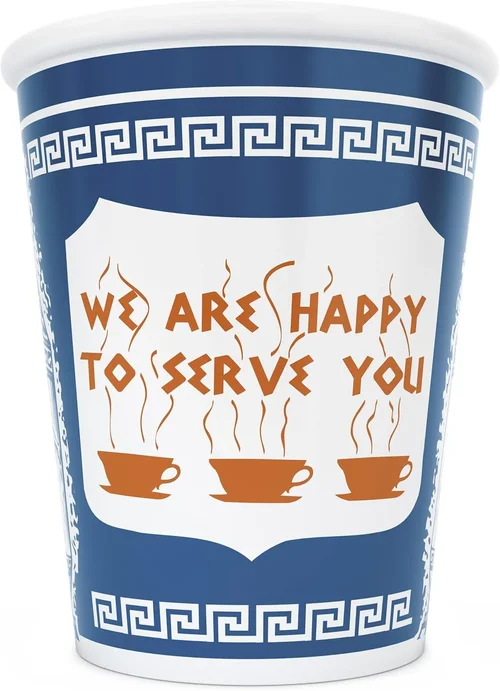
New York City doesn’t just run on coffee—it thrives on it. From the early-morning barista at a corner cart serving a $3 espresso to the third-wave roaster in Williamsburg pulling a perfect single-origin pour-over, coffee in NYC is more than a beverage; it’s a culture, a ritual, and for many, a daily necessity. With thousands of cafés, roasteries, and coffee carts scattered across the five boroughs, choosing the right coffee—whether you’re buying beans to brew at home or deciding where to get your next cup—can feel overwhelming. That’s where this guide comes in.
Whether you’re a lifelong New Yorker or a visitor looking to experience the city’s legendary coffee scene, understanding what makes a great cup in NYC requires more than just knowing the difference between a latte and a cappuccino. It means recognizing the nuances of bean sourcing, roast profiles, brewing methods, and the values that drive independent roasters. This comprehensive buying guide is designed to cut through the noise and help you make informed decisions—whether you’re shopping for whole beans online, visiting a local roastery in person, or simply trying to decide which neighborhood café deserves your loyalty. You’ll learn how to evaluate quality, understand pricing, avoid common pitfalls, and ultimately find the coffee that best fits your taste, lifestyle, and budget.
The NYC coffee market is as diverse as the city itself. On one end, you have high-volume chains and grab-and-go carts offering convenience and speed. On the other, you’ll find meticulously crafted pour-overs, small-batch roasts, and cafés that double as community hubs. In between lies a vibrant ecosystem of independent roasters, specialty shops, and hybrid spaces that blend coffee with art, music, and sustainability. This guide will walk you through every layer of that ecosystem, equipping you with the knowledge to navigate it confidently. Whether you’re brewing at home or sipping on the go, you’ll know exactly what to look for—and why it matters.

What to Look for When Buying Buying Guide
1. Bean Origin & Sourcing
The foundation of any great cup of coffee starts with the bean. In NYC, where specialty coffee is king, understanding bean origin and sourcing is critical. Look for roasters and cafés that clearly disclose where their beans come from—whether it’s a single farm in Colombia, a cooperative in Ethiopia, or a blend from multiple regions. Transparency about sourcing often indicates a commitment to quality and ethical practices.
Single-origin beans offer distinct flavor profiles tied to their terroir—think bright citrus notes from Kenyan beans or chocolatey richness from Guatemalan ones. Blends, on the other hand, are crafted to achieve balance and consistency, often combining beans from different regions. When evaluating sourcing, ask: Are the beans traceable? Are farmers paid fairly? Many NYC roasters, like Sey Coffee and Birch Coffee, publish detailed origin stories and even photos of the farms they work with. This level of transparency builds trust and often correlates with higher quality.
Additionally, consider certifications like Fair Trade, Rainforest Alliance, or Direct Trade. While not a guarantee of superior taste, these labels reflect ethical and sustainable practices. In a city that values social responsibility, supporting roasters who prioritize people and planet can be just as important as the flavor in your cup.
2. Roast Profile & Freshness
Roasting transforms green coffee beans into the aromatic, flavorful beans we know and love. In NYC, roast profiles range from light to dark, each offering a different sensory experience. Light roasts preserve the bean’s natural characteristics—floral, fruity, or tea-like notes—while dark roasts bring out bold, smoky, or caramelized flavors. The key is matching the roast to your taste preferences and brewing method.
Freshness is equally important. Coffee is at its peak within 2–4 weeks of roasting, and stale beans lead to flat, dull flavors. Always check the roast date on the bag—never rely on the “best by” date. Reputable NYC roasters like Devoción and Cafe Grumpy stamp every bag with the roast date, and many offer same-day or next-day delivery to ensure maximum freshness. Avoid pre-ground coffee whenever possible; grinding just before brewing preserves aroma and flavor.
Pro tip: If you’re buying in person, ask when the beans were roasted. A good roaster will know the answer instantly. If they can’t tell you, it’s a red flag. Also, smell the beans—fresh coffee should have a vibrant, complex aroma, not a musty or cardboard-like scent.
3. Brewing Method Compatibility
Not all coffee is created equal for every brewing method. The grind size, roast level, and bean origin all influence how well a coffee performs in your preferred brewing system. For example, a light roast Ethiopian Yirgacheffe might shine in a pour-over, bringing out its floral and citrus notes, while a medium-dark Brazilian blend could be ideal for a French press, delivering rich, full-bodied results.
In NYC, where coffee culture is deeply tied to craft, many roasters offer brewing recommendations right on the bag or website. Look for notes like “best for espresso,” “ideal for AeroPress,” or “great for cold brew.” Some shops even provide custom grind sizes based on your equipment. If you’re using a drip machine, a medium grind with a balanced blend works well. For espresso, you’ll want a fine grind and a roast designed for high pressure.
Experimentation is encouraged. Try the same bean with different methods to discover how it changes. But as a general rule, match your coffee to your brewing style. A coffee labeled “espresso roast” won’t necessarily make a great pour-over, and vice versa. Understanding this compatibility ensures you get the most out of every cup.
4. Price & Value
Coffee in NYC can range from $2 for a basic drip at a bodega to $8+ for a single-origin pour-over at a specialty shop. When evaluating price, consider what you’re getting: Is it freshly roasted? Is it ethically sourced? Is it brewed with care? A higher price doesn’t always mean better quality, but it often reflects the cost of quality ingredients, skilled labor, and sustainable practices.
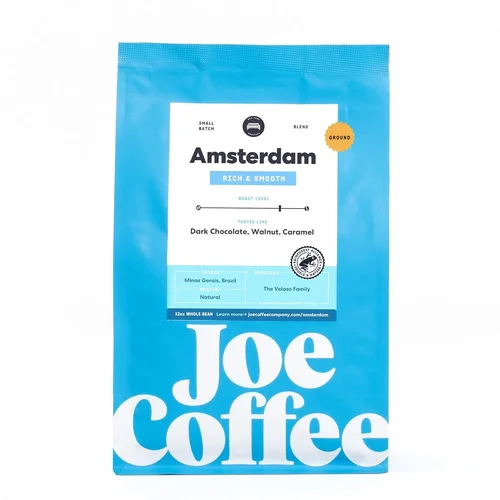
For home brewing, expect to pay $12–$20 for a 12-ounce bag of specialty coffee. Premium or limited-release beans can go for $25–$40. Compare prices per ounce and consider subscription models, which often offer discounts and ensure regular fresh deliveries. Some roasters, like Joe Coffee and Partners Coffee, offer loyalty programs or bulk discounts.
Value isn’t just about cost—it’s about experience. A $16 bag of coffee that delivers three weeks of exceptional morning brews offers better value than a $10 bag that tastes mediocre. Think long-term: How many cups will this yield? How consistent is the quality? And how much joy does it bring? In a city where time is money, investing in great coffee can be one of the best daily luxuries.
5. Brand Reputation & Local Presence
In a city with over 8 million people and countless coffee options, reputation matters. NYC roasters with strong local followings—like Stumptown (which originated in Portland but has a major NYC presence), Blue Bottle, and La Cabra—have earned their stripes through consistency, innovation, and community engagement. Look for brands that are active in the local scene: hosting cuppings, collaborating with artists, or sourcing from nearby farms.
Local presence also means accessibility. Can you visit the roastery? Do they offer tastings or tours? Shops like Sey Coffee in Bushwick and Cafe Integral in the West Village invite customers into their spaces, fostering a sense of connection. This transparency builds trust and often results in better service and education.
Online reviews and word-of-mouth are powerful tools. Check Google, Yelp, and Instagram for real customer experiences. But don’t rely solely on ratings—read the comments. Are people praising the baristas? The ambiance? The coffee itself? A café with a 4.8-star rating but no mention of the coffee might be more about the vibe than the brew.
6. Sustainability & Ethical Practices
New Yorkers care about sustainability, and the coffee industry is no exception. From compostable cups to carbon-neutral shipping, eco-conscious practices are increasingly important. Look for roasters that use recyclable or biodegradable packaging, minimize waste, and support regenerative agriculture.
Ethical sourcing is equally vital. Many NYC roasters publish annual impact reports detailing their farmer partnerships, carbon footprint, and community initiatives. For example, Devoción sources directly from Colombian farms and reinvests in local infrastructure. Others, like Birch Coffee, donate a portion of profits to children’s charities.
Ask questions: Where do the beans come from? How are farmers compensated? What’s the environmental impact of shipping? Supporting brands that align with your values enhances the meaning behind your morning cup. In a city that prides itself on progress, choosing coffee with conscience is a powerful statement.
7. Convenience & Accessibility
Even the best coffee loses its appeal if it’s hard to get. Consider how and where you’ll access your coffee. Do you prefer walking to a local café? Ordering online with fast delivery? Or picking up beans during your commute? NYC offers all these options, but convenience varies by neighborhood and lifestyle.
Many roasters now offer online ordering with same-day or next-day delivery via services like Mercato or their own websites. Others have multiple locations across the city, making it easy to grab a bag on the go. Some even partner with grocery stores like Whole Foods or Union Market, expanding accessibility.
For busy New Yorkers, subscription services can be a game-changer. Set it and forget it—fresh beans arrive weekly or biweekly, tailored to your preferences. Brands like Trade Coffee curate selections from top NYC roasters and deliver them nationwide. Convenience doesn’t have to mean compromise; it’s about finding a system that fits your rhythm.
8. Taste & Personal Preference
At the end of the day, the best coffee is the one you love. Taste is subjective, and what works for your neighbor might not work for you. Pay attention to flavor notes—do you prefer bright and acidic, or smooth and chocolatey? Do you enjoy fruity, floral, or nutty profiles? Use tasting notes on packaging as a guide, but trust your palate.
Try new things. Visit different neighborhoods, sample seasonal offerings, and attend cuppings. Many NYC cafés host free tastings where you can compare beans side by side. Keep a coffee journal to track what you like and why. Over time, you’ll develop a clearer sense of your preferences.
Remember, taste evolves. A coffee you disliked last year might surprise you now. Stay curious, stay open, and let your taste buds lead the way. In a city with endless options, the journey of discovery is part of the joy.
Different Types of Buying Guide

Common Buying Mistakes to Avoid
❌ Mistake: Ignoring the Roast Date
Why it’s bad: Coffee loses flavor rapidly after roasting. Buying beans without checking the roast date often means you’re getting stale coffee, leading to a flat, bitter, or dull cup. Even expensive beans can taste mediocre if they’re past their prime.
What to do instead: Always look for the roast date on the bag. Aim for beans roasted within the last 2–4 weeks. If it’s not listed, ask the seller or choose a different brand. Freshness is non-negotiable for quality.
❌ Mistake: Choosing Based on Price Alone
Why it’s bad: The cheapest coffee isn’t always the best value. Low-cost beans may be over-roasted to mask poor quality, or sourced unethically. Conversely, the most expensive coffee isn’t guaranteed to taste better—some brands charge a premium for branding, not quality.
What to do instead: Evaluate price in context. Consider cost per ounce, roast date, origin, and reviews. A $16 bag from a reputable roaster may offer better value than a $10 bag with no transparency.
❌ Mistake: Buying Pre-Ground Coffee for Home Brewing
Why it’s bad: Pre-ground coffee oxidizes quickly, losing aroma and flavor within minutes of opening. Even if it’s freshly roasted, grinding it too early ruins the experience.
What to do instead: Buy whole beans and grind them just before brewing. Invest in a quality burr grinder—it’s one of the best upgrades you can make for home coffee. The difference in taste is dramatic.
❌ Mistake: Overlooking Brewing Method Compatibility
Why it’s bad: Using the wrong coffee for your brewing method leads to under-extraction (sour, weak) or over-extraction (bitter, harsh). A light roast pour-over bean won’t work well in a French press, and vice versa.
What to do instead: Match your coffee to your brewing style. Read labels for recommendations, or ask the roaster. When in doubt, choose a medium roast blend—it’s versatile and forgiving.
❌ Mistake: Not Trying Before Committing
Why it’s bad: Buying a large bag of coffee without tasting it risks disappointment. Flavor notes on packaging are helpful, but personal preference varies.
What to do instead: Start with small sizes or sample packs. Many NYC roasters offer 4 oz or 8 oz bags, or subscription trials. Attend cuppings or tastings to try before you buy.
❌ Mistake: Ignoring Sustainability & Ethics
Why it’s bad: Cheap coffee often comes at a human and environmental cost—exploitative labor practices, deforestation, and pesticide use. Supporting such brands perpetuates harm.
What to do instead: Choose roasters with transparent sourcing, fair wages, and eco-friendly practices. Look for certifications or direct trade partnerships. Your coffee habit can be a force for good.
❌ Mistake: Sticking to One Brand Forever
Why it’s bad: Coffee preferences evolve, and seasonal offerings bring new flavors. Sticking to one brand limits discovery and may mean missing out on better options.
What to do instead: Stay curious. Try new roasters, origins, and brewing methods. Rotate your beans seasonally—many NYC roasters offer limited-edition lots that reflect the harvest cycle.
Budget Guidelines: How Much Should You Spend?
- Entry-Level ($8–$12 per 12 oz): What to expect: These are typically pre-ground or mid-tier whole beans from grocery brands or local chains. They’re convenient and affordable but often lack freshness and complexity. Best for casual drinkers or office settings. Look for brands like Chock Full o’Nuts or local bodega blends, but check roast dates.
- Mid-Range ($12–$20 per 12 oz): Sweet spot for most buyers: This tier includes specialty roasters like Joe Coffee, Birch Coffee, and Partners Coffee. Beans are freshly roasted, ethically sourced, and often single-origin or small-batch blends. Great for home brewing with a drip machine, French press, or pour-over. Offers the best balance of quality, flavor, and value.
- Premium ($20–$30 per 12 oz): For enthusiasts and professionals: These are high-end beans from top NYC roasters like Sey Coffee, Devoción, or La Cabra. Often single-origin, traceable, and roasted in small batches. Ideal for espresso, AeroPress, or pour-over. Expect complex flavors, detailed origin stories, and exceptional freshness.
- Luxury ($30+ per 12 oz): Top-tier features: Limited-release microlots, competition-grade beans, or experimental processing methods (like anaerobic fermentation). These are for serious coffee lovers willing to invest in rarity and innovation. Often sold in smaller quantities (4–8 oz) and best enjoyed with precision brewing.
Expert Tips for Getting the Best Deal
- Buy during seasonal sales: Many roasters offer discounts in January (post-holiday) and September (back-to-school). Sign up for newsletters to get alerts.
- Subscribe for savings: Most NYC roasters offer 10–15% off for subscriptions. You’ll also get first access to new releases and exclusive blends.
- Shop local, not just online: Visiting a roastery in person often means fresher beans, free samples, and the chance to ask questions. Plus, you support the local economy.
- Compare shipping costs: Some roasters offer free shipping over a certain amount. Others charge high fees. Factor this into your total cost.
- Check return policies: While rare, if coffee arrives stale or damaged, you should be able to return it. Reputable roasters stand by their product.
- Test before committing: Buy small sizes first. Many shops offer 4 oz or 8 oz bags—perfect for trying without a big investment.
- Join loyalty programs: Brands like Joe Coffee and Partners Coffee reward repeat customers with points, free drinks, or early access.
- Follow on social media: Roasters often announce flash sales, pop-ups, or limited drops on Instagram and Twitter. It’s a great way to snag deals.

Frequently Asked Questions
Q: What’s the difference between a light, medium, and dark roast?
A: Light roasts are roasted for less time, preserving the bean’s natural flavors—think fruity, floral, or tea-like. Medium roasts offer a balance of origin character and roast development, with notes of caramel or nuts. Dark roasts are roasted longer, resulting in bold, smoky, or chocolatey flavors, often masking the bean’s origin. Choose based on your taste and brewing method.
Q: How should I store my coffee beans?
A: Store beans in an airtight container away from light, heat, and moisture. Keep them in a cool, dark place like a pantry—not the fridge or freezer, which can introduce condensation and odors. Use within 2–4 weeks of roasting for best results.
Q: Is NYC coffee really that good?
A: Absolutely. NYC has one of the most vibrant coffee scenes in the world, with a deep culture of craft, innovation, and community. From historic institutions to cutting-edge roasters, the city offers unparalleled quality and variety. It’s a coffee lover’s paradise.
Q: Can I find good coffee outside Manhattan?
A: Yes! Brooklyn, Queens, and the Bronx have incredible roasters and cafés. Bushwick’s Sey Coffee, Long Island City’s Cafe Grumpy, and the Bronx’s Birch Coffee locations are all worth visiting. Don’t limit yourself to Manhattan—explore the boroughs.
Q: What’s the best way to brew coffee at home?
A: It depends on your taste and equipment. Pour-over (like a V60 or Chemex) highlights clarity and complexity. French press delivers full body and richness. AeroPress is versatile and forgiving. Espresso machines offer intensity and crema. Start with a method that matches your lifestyle and preferences.
Q: How much coffee should I buy at once?
A: Buy only what you’ll use in 2–3 weeks. Coffee loses freshness quickly, so smaller, more frequent purchases are better than large stockpiles. A 12 oz bag typically makes 10–15 cups, depending on strength.
Q: Are subscription services worth it?
A: Yes, if you enjoy variety and convenience. Services like Trade Coffee or direct roaster subscriptions deliver fresh beans regularly, often with discounts and curated selections. They’re ideal for exploring new flavors without the hassle.
Q: What makes NYC coffee different from other cities?
A: NYC’s density, diversity, and pace create a unique coffee culture. There’s a deep appreciation for craft, speed, and quality. Roasters here often push boundaries with sourcing, roasting, and brewing, while also fostering strong community ties. It’s a city that demands excellence—and delivers it.
Q: How do I know if a café is worth visiting?
A: Look for clean equipment, knowledgeable baristas, and a focus on quality. Check if they grind beans to order, use fresh milk, and offer single-origin options. Online reviews can help, but trust your instincts—great cafés feel welcoming and intentional.
Q: Can I make great coffee without expensive equipment?
A: Yes! A $20 pour-over dripper and a $50 burr grinder can produce excellent coffee. You don’t need a $2,000 espresso machine to enjoy specialty coffee at home. Focus on fresh beans, proper grind, and good technique.
Our Final Recommendations
- Best for Budget-Conscious Buyers: Birch Coffee – Affordable, consistently good, with multiple locations and a commitment to community. Their medium roasts are approachable and well-balanced.
- Best Overall Value: Joe Coffee – A NYC staple with excellent sourcing, fresh roasts, and fair prices. Their beans work well across brewing methods and their cafés are reliable.
- Best Premium Option: Sey Coffee – For those who want the best, Sey offers meticulously sourced, light-roasted beans with complex, tea-like profiles. Ideal for pour-over enthusiasts.
- Best for Beginners: Partners Coffee – User-friendly with clear flavor notes, brewing guides, and a welcoming vibe. Great for learning about coffee without feeling overwhelmed.
- Best for Advanced Users: Devoción – A pioneer in fresh, direct-from-farm coffee. Their beans are roasted within days of harvest, offering unparalleled vibrancy and terroir expression.
Conclusion: Making the Right Choice
Choosing the best coffee in NYC isn’t about finding the most expensive bag or the trendiest café—it’s about aligning your choices with your values, taste, and lifestyle. Whether you’re sipping a $3 espresso on your way to work or brewing a $25 single-origin pour-over on a Sunday morning, the right coffee enhances your day, connects you to a global community, and supports ethical practices.
This guide has equipped you with the knowledge to navigate NYC’s rich coffee landscape with confidence. You now understand the importance of freshness, sourcing, and brewing compatibility. You know how to avoid common pitfalls, how to budget wisely, and where to find the best deals. Most importantly, you’re empowered to make choices that reflect what matters most to you.
So go forth—explore the roasteries, try new beans, and savor every cup. The perfect coffee is out there, and with the insights from this guide, you’re well on your way to finding it. Remember, coffee is more than a drink; it’s a daily ritual, a moment of pause, and a celebration of craft. Make it count.