
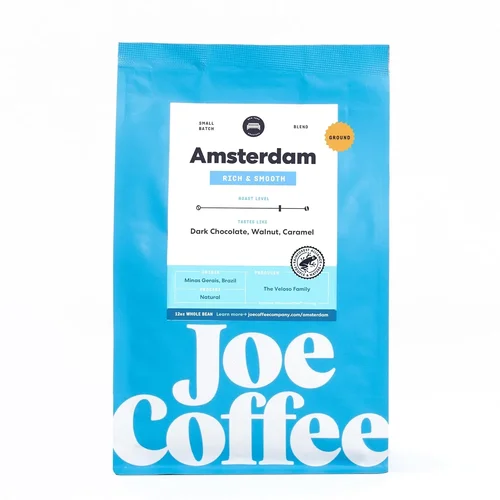
When it comes to coffee, New York City isn’t just a consumer—it’s a curator, a critic, and a cultural force. From corner bodegas serving up strong, no-frills brews to third-wave roasteries where every bean is traceable to a specific farm in Colombia or Ethiopia, NYC’s coffee scene is as diverse and dynamic as the city itself. Whether you’re a lifelong resident, a frequent visitor, or someone looking to bring a taste of the Big Apple into your own kitchen, choosing the right coffee can feel overwhelming. With hundreds of local roasters, specialty cafes, subscription services, and retail options, how do you know which beans will deliver that perfect cup?
This guide exists to cut through the noise. We’ve spent months tasting, researching, and interviewing baristas, roasters, and coffee enthusiasts across all five boroughs to bring you the most comprehensive, up-to-date, and practical buying guide for NYC coffee. Whether you’re shopping online, visiting a neighborhood cafe, or stocking up at a grocery store, this guide will help you make informed decisions based on flavor, value, ethics, and convenience. You’ll learn how to identify high-quality beans, understand what makes NYC coffee unique, avoid common pitfalls, and find the best options for your budget and lifestyle.
The market for coffee in New York is fiercely competitive and constantly evolving. Independent roasters like Sey Coffee, Partners Coffee, and Birch Coffee are redefining what it means to drink well in the city, while national chains and big-box retailers continue to offer accessible—if sometimes inconsistent—options. Meanwhile, the rise of direct-to-consumer subscriptions has made it easier than ever to get freshly roasted beans delivered straight to your door. With so many choices, the key is knowing what matters most to you. This guide will walk you through every step of the process, from understanding roast profiles to evaluating sustainability practices, so you can confidently choose the best coffee for your needs.

What to Look for When Buying Buying Guide
1. Bean Origin & Traceability
One of the most important factors in choosing great coffee is knowing where your beans come from. In NYC, the best roasters prioritize transparency, often listing not just the country of origin but the specific farm, cooperative, or region. Single-origin coffees—beans sourced from one geographic area—are especially popular among specialty shops because they highlight unique flavor profiles influenced by soil, climate, and processing methods. For example, a washed Ethiopian Yirgacheffe might offer bright citrus and floral notes, while a natural-processed Brazilian might deliver rich chocolate and berry tones.
Look for roasters who provide detailed origin information on their packaging or website. Terms like “direct trade” or “relationship coffee” indicate that the roaster has built personal connections with farmers, often paying above-market prices to ensure quality and sustainability. Avoid vague labels like “premium blend” or “gourmet roast” without supporting details—these are often marketing buzzwords with little substance.
2. Roast Date & Freshness
Freshness is non-negotiable when it comes to great coffee. Unlike wine, coffee doesn’t improve with age—it degrades. The ideal window for brewing is typically 7 to 21 days after the roast date. Unfortunately, many grocery store bags don’t include roast dates at all, and when they do, they’re often months old.
In NYC, specialty roasters almost always stamp the roast date prominently on the bag. This allows you to judge freshness at a glance. If you’re buying online, check whether the roaster ships within days of roasting—many top NYC brands roast to order. Avoid pre-ground coffee whenever possible; whole beans stay fresh longer because the surface area exposed to oxygen is minimized. Grind just before brewing for maximum aroma and flavor.
3. Roast Level & Flavor Profile
Roast level dramatically affects taste. Light roasts preserve the inherent characteristics of the bean, offering acidity, complexity, and origin-specific notes. Medium roasts strike a balance between origin flavor and roast development, often with notes of caramel, nuts, or chocolate. Dark roasts emphasize bold, smoky, or bitter flavors, masking much of the bean’s natural identity.
Your preference depends on how you like your coffee. If you enjoy bright, tea-like cups with floral or fruity notes, go light. If you prefer something smooth and familiar—think diner-style coffee—medium or dark may suit you better. Many NYC roasters offer tasting notes on their packaging (e.g., “notes of blueberry, jasmine, and brown sugar”), which can help guide your choice. Don’t be afraid to experiment: try a light roast from Guatemala one week and a medium from Sumatra the next.
4. Grind Type & Brewing Method Compatibility
The grind size must match your brewing method. Using the wrong grind can lead to under-extraction (sour, weak coffee) or over-extraction (bitter, harsh coffee). For example, espresso requires a fine grind, French press needs coarse, and pour-over falls somewhere in between.
If you’re buying whole beans, consider your equipment. Do you have a burr grinder? If not, ask the roaster or cafe if they can grind it for you—but only if you plan to brew within a few hours. Pre-ground coffee loses freshness quickly. Many NYC roasters offer custom grinding services, so you can specify your brewer (e.g., V60, AeroPress, Chemex). Some even provide brewing guides tailored to their beans.
5. Sustainability & Ethical Sourcing
New Yorkers care deeply about ethics—and rightfully so. The coffee industry has a history of exploitation, low farmer wages, and environmental harm. Today, many NYC roasters are leading the charge toward more responsible practices. Look for certifications like Fair Trade, Rainforest Alliance, or Organic, but also dig deeper. Some roasters go beyond certifications by publishing impact reports, visiting farms annually, or paying premiums well above fair trade minimums.
Sustainability also includes packaging. Many local roasters now use compostable or recyclable bags with one-way degassing valves to preserve freshness without plastic waste. Supporting these businesses aligns your coffee habit with broader values—something increasingly important to urban consumers.
6. Price & Value Proposition
Coffee prices in NYC vary widely. A bag from a bodega might cost $8 for 12 oz, while a single-origin from a specialty roaster could run $22 for 10.5 oz. But price doesn’t always equal quality—and vice versa. The key is assessing value: what are you getting for your money?
Consider factors like freshness, origin transparency, roast quality, and ethical sourcing. A $15 bag from a reputable local roaster that’s roasted last week and sourced directly from a women-led cooperative in Honduras offers far more value than a $12 supermarket blend that’s been sitting on a shelf for months. Also, think about yield: high-quality beans often require less per cup because they’re more flavorful, stretching your investment further.
7. Brand Reputation & Local Presence
In a city obsessed with authenticity, reputation matters. NYC roasters build trust through consistency, community engagement, and word-of-mouth. Brands like Sey Coffee (Brooklyn), Devoción (Williamsburg), and Joe Coffee (multiple locations) have earned loyal followings not just for great beans but for their commitment to education, sustainability, and craft.
Check online reviews, Instagram feeds, and local food blogs. Attend cupping sessions or open mic nights at cafes—many roasters host events where you can taste multiple offerings side by side. A strong local presence often signals dedication to quality and customer experience.
8. Convenience & Accessibility
Finally, consider how you’ll get your coffee. Do you want to visit a cafe weekly? Subscribe to a monthly delivery? Stock up at Whole Foods? Your lifestyle dictates your best option.
Subscription services like those from Birch Coffee or Blank Street offer flexibility—pause, skip, or change preferences anytime. Local cafes let you taste before you buy and support neighborhood businesses. Online retailers provide access to rare microlots but require shipping wait times. Choose a model that fits your routine without sacrificing quality.
Different Types of Buying Guide

Common Buying Mistakes to Avoid
❌ Mistake: Ignoring the Roast Date
Why it’s bad: Coffee begins losing flavor within days of roasting. Buying beans without a roast date—or with a date older than three weeks—means you’re likely getting stale, flat coffee, no matter how expensive the bag.
What to do instead: Always check for a clear roast date. If it’s missing, ask the seller or choose another product. Prioritize roasters who roast to order or ship within 48 hours of roasting.
❌ Mistake: Choosing Based Solely on Price
Why it’s bad: Cheap coffee often means compromised quality—older beans, lower-grade varieties, or unethical sourcing. Conversely, high price doesn’t guarantee excellence. You might overpay for branding rather than flavor.
What to do instead: Evaluate value holistically. Consider freshness, origin, roast quality, and ethics. A mid-priced local roast often outperforms both budget and luxury options.
❌ Mistake: Buying Pre-Ground Coffee for Long-Term Storage
Why it’s bad: Pre-ground coffee oxidizes rapidly, losing aroma and complexity within minutes. It’s convenient but sacrifices taste, especially for pour-over or espresso.
What to do instead: Buy whole beans and grind just before brewing. Invest in a basic burr grinder ($30–$60)—it’s one of the best upgrades you can make for home brewing.
❌ Mistake: Overlooking Brewing Method Compatibility
Why it’s bad: Using the wrong grind size leads to poor extraction. Fine grind in a French press? Muddy and bitter. Coarse grind for espresso? Weak and watery.
What to do instead: Match grind size to your brewer. When in doubt, ask the roaster for a recommendation. Many NYC cafes will grind to your specification for free.
❌ Mistake: Falling for “Artisan” or “Gourmet” Labels Without Verification
Why it’s bad: These terms are unregulated. A bag labeled “artisan roasted” might be mass-produced and months old.
What to do instead: Look beyond marketing. Check for roast dates, origin details, and roaster transparency. Visit the roastery if possible—or read independent reviews.
❌ Mistake: Not Tasting Before Committing to a Large Purchase
Why it’s bad: Flavor is subjective. A bean praised for “notes of blackcurrant” might taste like vinegar to you.
What to do instead: Start with small sizes (4–8 oz) or visit cafes that serve the roaster’s coffee. Many NYC roasters offer sample packs or tasting flights.
❌ Mistake: Neglecting Storage After Purchase
Why it’s bad: Light, heat, air, and moisture degrade coffee fast. Storing beans in the fridge or freezer can cause condensation and flavor loss.
What to do instead: Keep beans in an airtight container in a cool, dark cupboard. Use within 2–3 weeks of opening. Avoid clear jars—light accelerates staling.
Budget Guidelines: How Much Should You Spend?
Entry-Level ($6–$12 per 12 oz): This tier includes supermarket brands like Starbucks, Dunkin’, and store generics. Expect consistent but often stale or over-roasted coffee. Suitable for casual drinkers who prioritize convenience over complexity. Look for options with visible roast dates if possible.
Mid-Range ($14–$20 per 10.5 oz): This is the sweet spot for most NYC coffee lovers. You’ll find freshly roasted beans from reputable local roasters like Partners Coffee, Birch Coffee, or Café Grumpy. These offer excellent balance of flavor, freshness, and ethical sourcing. Ideal for daily drinking with room to explore origins and roast levels.
Premium ($20–$30 per 10.5 oz): Reserved for specialty microlots, experimental processing (like anaerobic fermentation), or direct-trade exclusives. Roasters like Sey, Onyx Coffee Lab (with NYC presence), and Devoción operate here. Expect exceptional clarity, unique flavor profiles, and full transparency. Best for enthusiasts willing to invest in the experience.
Luxury ($30+ per 10.5 oz): Ultra-rare offerings, often auction-winning lots or limited releases. These are less about daily drinking and more about discovery and appreciation. Think Geisha varietals from Panama or naturally processed Ethiopians with wine-like complexity. Only recommended for serious connoisseurs or special occasions.
Expert Tips for Getting the Best Deal
– Buy during seasonal sales: Many NYC roasters offer discounts in January (post-holiday) or July (summer lull). Follow their Instagram for flash sales.
– Subscribe for savings: Most local roasters offer 10–15% off for subscriptions. You also get first access to new releases.
– Shop at farmers markets: Vendors often discount near closing time. You’ll meet the roaster and taste samples.
– Compare online vs. in-store: Some roasters charge more online due to shipping costs. Others offer free local delivery—check their policies.
– Join loyalty programs: Cafes like Joe Coffee and Blank Street reward frequent buyers with free drinks or bean discounts.
– Buy in bulk wisely: Larger bags (12+ oz) cost less per ounce but risk staling if not used quickly. Only buy big if you drink 2+ cups daily.
– Test before subscribing: Order a one-time shipment before committing to a monthly plan. Flavor preferences change!
– Check return policies: Reputable roasters stand by their product. If beans arrive stale or flawed, they’ll usually replace them.

Frequently Asked Questions
Q: What makes NYC coffee different from coffee in other cities?
A: NYC’s coffee culture is defined by its density, diversity, and demand for quality. With thousands of cafes and roasters competing for attention, there’s immense pressure to innovate and excel. Many NYC roasters focus on light-to-medium roasts that highlight origin character—a contrast to the darker, heavier styles common in other regions. Plus, the city’s global population means access to rare beans and international brewing traditions.
Q: Can I find good coffee outside Manhattan?
A: Absolutely! Brooklyn (especially Williamsburg and DUMBO), Queens (Astoria, Long Island City), and the Bronx have thriving coffee scenes. Roasters like Sey (Bushwick), Sweetleaf (Long Island City), and Think Coffee (multiple boroughs) prove that great coffee isn’t confined to Manhattan.
Q: Is it worth paying more for single-origin coffee?
A: It depends on your taste. Single-origin beans showcase terroir—the unique flavors of a specific place—which many find exciting and educational. If you enjoy complexity and variety, yes. If you prefer consistent, familiar flavors (like a classic breakfast blend), a well-crafted blend may suit you better.
Q: How do I store coffee properly at home?
A: Keep whole beans in an opaque, airtight container away from light, heat, and moisture. Don’t refrigerate or freeze unless storing for months (and even then, vacuum-seal first). Use within 2–3 weeks of opening for best results.
Q: Are coffee subscriptions worth it?
A: For regular drinkers, yes—they ensure freshness, introduce you to new beans, and often save money. Just make sure you can pause or cancel easily. Avoid locking into long-term contracts.
Q: What’s the difference between washed and natural processing?
A: Washed processing removes the fruit before drying, resulting in cleaner, brighter flavors. Natural processing dries the bean inside the fruit, yielding fruitier, heavier-bodied cups with fermented or jammy notes. Both can be excellent—it’s a matter of preference.
Q: How can I support ethical coffee practices?
A: Buy from roasters who disclose farmer partnerships, pay premiums, and avoid exploitative middlemen. Look for transparency reports, visit roasteries, and ask questions. Your dollar votes for the kind of industry you want.
Q: Should I buy decaf from NYC roasters?
A: Yes—many top roasters now offer high-quality decaf using Swiss Water or CO2 processing, which preserve flavor better than chemical methods. Brands like Partners and Sey have excellent decaf options.
Q: What’s the best way to try new NYC coffees without overspending?
A: Visit cafes that rotate single-origin offerings, attend free cuppings, or order sample packs online. Many roasters sell 2–4 oz “taste sizes” for under $8.
Q: Is instant coffee ever worth buying in NYC?
A: While not traditional, premium instant coffees like those from Swift Cup Coffee (based in NYC) or Voila are surprisingly good—great for travel or quick cups. They’re no substitute for fresh brewed, but a solid backup.
Our Final Recommendations
Best for Budget-Conscious Buyers: Birch Coffee Everyday Blend ($16 for 10.5 oz) – Consistently fresh, widely available in cafes and online, and roasted in NYC. Offers great value without sacrificing quality.
Best Overall Value: Partners Coffee Bright Side Blend ($18 for 10.5 oz) – Balanced, approachable, and ethically sourced. Perfect for daily drinking with enough complexity to keep things interesting.
Best Premium Option: Sey Coffee La Lomita (Guatemala) ($24 for 10.5 oz) – A stunning single-origin with notes of peach, honey, and jasmine. Roasted in Brooklyn with full farm transparency.
Best for Beginners: Café Grumpy House Blend ($17 for 10.5 oz) – Smooth, nutty, and forgiving. Great introduction to specialty coffee with wide availability across NYC.
Best for Advanced Users: Devoción Fresh Roasted Single Origin (Colombia) ($26 for 10.5 oz) – Shipped within 48 hours of harvest, this coffee captures unparalleled freshness and vibrancy. A true taste of terroir.
Conclusion: Making the Right Choice
Choosing the best coffee in New York City isn’t just about finding the strongest brew or the trendiest label—it’s about aligning your purchase with your values, taste preferences, and lifestyle. Whether you’re sipping a meticulously crafted pour-over in a Williamsburg cafe or brewing a humble cup at home with beans from your local bodega, every choice reflects what matters to you.
This guide has equipped you with the knowledge to navigate NYC’s rich coffee landscape with confidence. Remember to prioritize freshness, transparency, and compatibility with your brewing method. Don’t be afraid to ask questions, try new things, and support the roasters who are doing it right. Coffee is more than a drink—it’s a ritual, a connection, and for many New Yorkers, a daily source of joy and community.
So go ahead: explore, taste, and discover. The perfect cup is out there—and now you know how to find it.