
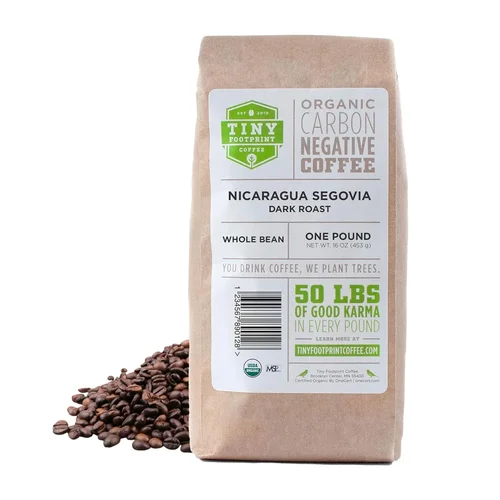
New York City doesn’t just run on coffee—it thrives on it. From the hurried barista at a corner cart serving a $3 espresso to the third-wave roaster in Williamsburg meticulously dialing in a single-origin pour-over, coffee is woven into the city’s rhythm. But with so many options—local roasters, national chains, online subscriptions, and boutique blends—it’s easy to feel overwhelmed when trying to find the best coffee beans in NYC. Whether you’re brewing at home or treating yourself to a café experience, the quality of your beans makes all the difference.
This guide is designed for coffee lovers who want more than just caffeine. It’s for those who appreciate nuance, craftsmanship, and the story behind every cup. Whether you’re a seasoned home barista, a curious beginner, or someone simply looking to upgrade from grocery-store blends, this comprehensive buyer’s guide will help you navigate the vibrant and competitive NYC coffee scene. You’ll learn how to evaluate bean quality, understand roast profiles, compare roasters, avoid common pitfalls, and ultimately choose beans that match your taste, budget, and lifestyle.
The New York coffee market is one of the most dynamic in the world. With hundreds of independent roasters, specialty cafes, and direct-to-consumer brands operating within the five boroughs, the city offers unparalleled access to fresh, high-quality coffee. From micro-lot Ethiopian Yirgacheffes to rich, chocolatey Colombian beans, the variety is staggering. But abundance brings complexity. Not all beans labeled “artisanal” or “small-batch” are created equal. This guide cuts through the noise, offering expert insights and practical advice to help you make informed decisions—whether you’re shopping online, visiting a local roastery, or browsing the shelves at your neighborhood grocery store.

What to Look for When Buying Coffee Beans
1. Freshness & Roast Date
Freshness is arguably the most critical factor when buying coffee beans. Coffee begins to lose its flavor and aroma within days of roasting, especially once the bag is opened. Unlike wine, coffee doesn’t improve with age—it degrades. Look for beans with a clearly marked roast date, ideally within the past two weeks. Avoid bags that only list a “best by” date, as this can be misleading and often indicates older stock.
Freshly roasted beans should smell vibrant and complex—notes of fruit, chocolate, nuts, or flowers depending on the origin. If the aroma is flat, musty, or overly smoky, the beans may be stale. For optimal flavor, use whole beans within four to six weeks of the roast date and grind them just before brewing. Pre-ground coffee loses its essential oils and aromatics rapidly, so always opt for whole beans when possible.
2. Origin & Terroir
Coffee, like wine, is influenced by its environment—a concept known as terroir. The region where coffee is grown affects its flavor profile due to factors like altitude, soil composition, rainfall, and processing methods. Understanding origin helps you choose beans that align with your taste preferences.
For example, beans from Ethiopia often exhibit bright, floral, and fruity notes—think blueberry or jasmine—thanks to high altitudes and natural processing. Colombian coffees tend to be balanced, with notes of caramel, citrus, and nuts. Brazilian beans are typically nutty, chocolatey, and low in acidity. Meanwhile, beans from Guatemala or Costa Rica might offer a fuller body with hints of spice or dark fruit.
In NYC, many roasters highlight single-origin offerings, allowing you to explore the unique characteristics of beans from specific farms or cooperatives. Look for transparency: reputable roasters will often include details like farm name, elevation, varietal, and processing method on the packaging.
3. Roast Level & Profile
Roast level significantly impacts flavor, body, and acidity. Light roasts preserve the bean’s inherent characteristics, offering brighter acidity and more complex, nuanced flavors. They’re ideal for pour-over or drip methods. Medium roasts strike a balance, with moderate acidity and a fuller body—great for everyday drinking. Dark roasts are bold, smoky, and often mask origin flavors with roast-derived notes like char or bitterness, making them popular for espresso.
However, roast level isn’t just about color—it’s about how the roaster develops the bean. A skilled roaster can bring out sweetness and clarity even in a dark roast, while a poorly executed light roast can taste sour or underdeveloped. In NYC, many roasters offer detailed roast profiles, so pay attention to descriptors like “city roast,” “full city,” or “French roast,” which indicate specific development stages.
Your brewing method also influences the ideal roast. Espresso typically benefits from a medium to dark roast for better extraction and crema, while French press or cold brew can handle a wider range, including lighter roasts for brighter flavors.
4. Processing Method
The way coffee cherries are processed after harvest affects the final cup. The three main methods are washed (wet), natural (dry), and honey (pulped natural). Washed coffees are fermented and washed to remove the fruit, resulting in clean, bright, and acidic profiles—common in Central American beans. Natural processing dries the whole cherry, imparting intense fruitiness and sweetness, often seen in Ethiopian coffees. Honey processing leaves some mucilage on the bean, creating a balance between sweetness and clarity.
In NYC, roasters often highlight processing methods on labels, especially for single-origin offerings. This transparency allows you to experiment and discover what you enjoy. For instance, if you love berry-forward, jammy flavors, try a natural-processed Ethiopian. If you prefer a crisp, tea-like cup, opt for a washed Kenyan.
5. Bean Variety & Quality Grade
Coffee beans come in two primary species: Arabica and Robusta. Arabica is the gold standard for specialty coffee, prized for its complexity, lower caffeine, and smoother taste. Robusta is hardier and higher in caffeine but often considered harsher and more bitter—commonly used in instant coffee or espresso blends for crema.
Within Arabica, there are numerous varietals, each with distinct traits. Typica and Bourbon are classic, balanced varieties. Geisha (or Gesha) is highly sought after for its floral, tea-like elegance—often commanding premium prices. SL28 and SL34, developed in Kenya, are known for their bright acidity and blackcurrant notes.
Quality is graded by organizations like the Specialty Coffee Association (SCA), which scores beans on a 100-point scale. Beans scoring 80 or above are considered specialty grade—the benchmark for high-quality coffee. In NYC, most reputable roasters source specialty-grade beans, but it’s worth checking if this information is disclosed.
6. Packaging & Storage
Proper packaging preserves freshness and protects beans from light, air, moisture, and odors. Look for bags with one-way valves, which allow carbon dioxide to escape without letting oxygen in—critical for maintaining flavor. Avoid clear packaging, as light degrades coffee over time. Foil-lined, resealable bags are ideal.
Once purchased, store beans in an airtight container away from heat, light, and humidity. The freezer is a common misconception—freezing can cause condensation and flavor loss unless beans are vacuum-sealed and used in large batches. Instead, keep them in a cool, dark cupboard and use within a few weeks.
In NYC, many roasters offer vacuum-sealed or nitrogen-flushed packaging for online orders, ensuring beans arrive fresh. Some even provide brewing guides or QR codes linking to roast notes and recipes.
7. Ethical Sourcing & Sustainability
Ethical sourcing ensures farmers are paid fairly and work in safe conditions. Look for certifications like Fair Trade, Direct Trade, or Rainforest Alliance, though these aren’t guarantees of quality. Many NYC roasters practice direct trade, building long-term relationships with farmers and paying above-market prices.
Sustainability also matters. Coffee farming can strain ecosystems through deforestation and water use. Roasters committed to sustainability may use eco-friendly packaging, support reforestation projects, or invest in carbon-neutral shipping. Supporting these businesses aligns your coffee habit with broader environmental and social values.
8. Price & Value
Price doesn’t always correlate with quality, but it’s a useful indicator. Budget beans ($8–$12 per 12 oz) may be pre-ground, stale, or sourced from commodity markets. Mid-range ($14–$20) often offers fresh, single-origin options from reputable roasters. Premium ($20–$30+) typically features rare varietals, micro-lots, or experimental processing.
Value isn’t just about cost—it’s about what you get for your money. A $25 bag of Geisha might seem steep, but if it delivers an extraordinary cup, it’s worth it. Conversely, a $15 blend that tastes flat offers poor value. Consider cost per cup, freshness, and your personal enjoyment when evaluating value.
Different Types of Coffee Beans Available in NYC

Common Buying Mistakes to Avoid
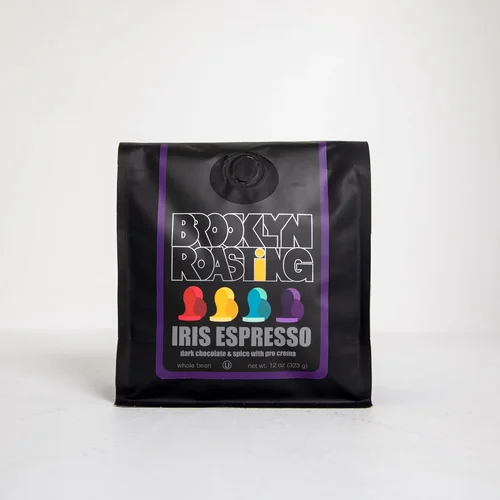
❌ Mistake: Ignoring the Roast Date
Why it’s bad: Buying beans without checking the roast date is like buying milk without checking the expiration date. Coffee peaks in flavor 7–14 days after roasting and declines rapidly. Stale beans result in flat, dull, or sour-tasting coffee, no matter how skilled your brewing technique.
What to do instead: Always look for a clear roast date on the packaging. If it’s missing or more than three weeks old, skip it. Reputable NYC roasters like Sey Coffee, Partners Coffee, and Cafe Grumpy prominently display roast dates online and in-store.
❌ Mistake: Choosing Pre-Ground Over Whole Beans
Why it’s bad: Pre-ground coffee loses freshness within minutes of grinding. The increased surface area exposes the coffee to oxygen, accelerating the loss of volatile aromatic compounds. This leads to a less flavorful, more bitter cup.
What to do instead: Invest in a quality burr grinder (even a manual one) and grind your beans just before brewing. This preserves freshness and allows you to adjust grind size for different methods—fine for espresso, coarse for French press.
❌ Mistake: Overlooking Brewing Method Compatibility
Why it’s bad: Not all beans are suited to all brewing methods. A light roast Ethiopian might shine in a V60 but taste sour in a French press. Conversely, a dark roast blend might overwhelm a pour-over but excel in an espresso machine.
What to do instead: Match your beans to your brewing style. If you primarily make espresso, look for blends labeled “espresso roast.” For pour-over or drip, single-origin light to medium roasts are ideal. Many NYC roasters provide brewing recommendations on their websites.
❌ Mistake: Falling for Marketing Hype
Why it’s bad: Terms like “artisanal,” “small-batch,” or “hand-roasted” are often used loosely and don’t guarantee quality. Some brands use these labels to justify high prices for mediocre beans.
What to do instead: Focus on tangible details: roast date, origin, processing method, and farmer information. Read reviews, ask baristas, and sample when possible. Trust your palate over packaging.
❌ Mistake: Buying in Bulk Without Testing
Why it’s bad: Purchasing large quantities of an unfamiliar bean risks disappointment. You might end up with 5 lbs of coffee you don’t enjoy, leading to waste and frustration.
What to do instead: Start with small bags (8–12 oz) to test new roasters or origins. Many NYC roasters offer sample packs or subscription tiers with rotating selections. This lets you explore without commitment.
❌ Mistake: Neglecting Storage Practices
Why it’s bad: Storing beans in the original bag on the counter exposes them to light, air, and moisture. Over time, this degrades flavor and leads to rancidity.
What to do instead: Transfer beans to an airtight, opaque container. Keep it in a cool, dark place—never near the stove or dishwasher. Avoid the freezer unless you’re storing for months and can vacuum-seal.
❌ Mistake: Ignoring Ethical and Environmental Impact
Why it’s bad: Cheap coffee often comes at a human and environmental cost—low wages, poor working conditions, deforestation. Supporting unethical practices perpetuates systemic issues in the coffee industry.
What to do instead: Choose roasters committed to fair trade, direct trade, or sustainability. In NYC, brands like Blue Bottle, Devoción, and Joe Coffee prioritize ethical sourcing and transparency.
Budget Guidelines: How Much Should You Spend?
Your budget should reflect your coffee habits, taste preferences, and commitment to quality. Here’s a breakdown of what to expect at different price points:
- Entry-Level ($8–$12 per 12 oz): This range typically includes commodity-grade beans, often pre-ground or stale. You’ll find these at supermarkets or discount retailers. While convenient, they rarely offer complexity or freshness. Best for occasional drinkers or those on a tight budget.
- Mid-Range ($14–$20 per 12 oz): The sweet spot for most home brewers. These beans are usually fresh, single-origin or well-crafted blends, and sourced ethically. Roasters like Birch Coffee, Everyman Espresso, and Sweetleaf fall here. Ideal for daily drinking with noticeable quality.
- Premium ($20–$30+ per 12 oz): For enthusiasts and connoisseurs. Expect micro-lots, rare varietals (like Geisha), or experimental processing. These beans offer exceptional clarity, balance, and terroir expression. Brands like Sey Coffee, Onyx Coffee Lab, and Devoción dominate this tier.
- Luxury ($30+ per 12 oz): Reserved for truly special occasions or collectors. These are often auction-winning lots, limited releases, or beans from award-winning farms. Flavors can be extraordinary—think jasmine, lychee, or dark chocolate with wine-like complexity. Not necessary for daily use, but worth experiencing.
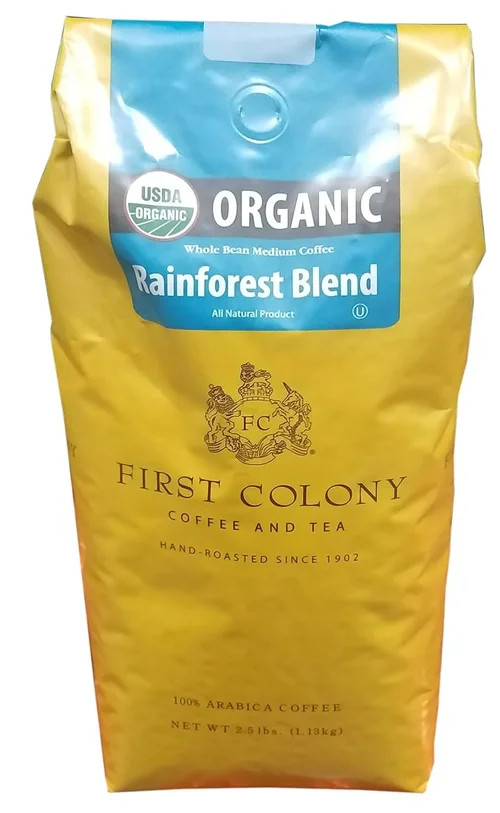
Expert Tips for Getting the Best Deal
- Buy Direct from Roasters: Many NYC roasters offer online sales with free or discounted shipping. Buying direct often means fresher beans and better prices than third-party retailers.
- Subscribe for Savings: Subscription services (e.g., Partners Coffee, Cafe Grumpy) often include discounts, free shipping, and early access to new releases. You can usually pause or cancel anytime.
- Visit Roasteries in Person: Stores like Sey Coffee in Bushwick or Devoción in Williamsburg offer tastings, brewing demos, and staff recommendations. You can sample before buying and often get smaller quantities.
- Watch for Seasonal Sales: Many roasters run promotions around holidays, Earth Day, or Coffee Week (October). Sign up for newsletters to stay informed.
- Check Return Policies: Some roasters accept returns if you’re unsatisfied. While rare, this shows confidence in their product. Ask before purchasing large quantities.
- Compare Online Reviews: Sites like Google, Yelp, and Reddit (r/roastmycoffee) offer honest feedback. Look for consistent praise about freshness, flavor, and customer service.
- Ask Baristas: NYC baristas are often coffee experts. Ask which beans they enjoy at home or recommend for your brewing method. Their insights can lead you to hidden gems.
- Try Sample Packs: Some roasters offer variety packs (e.g., 4 x 4 oz bags). This lets you explore multiple origins or roasts without committing to a full bag.

Frequently Asked Questions
Q: How long do coffee beans stay fresh?
A: Whole beans stay fresh for 4–6 weeks after roasting if stored properly. Once opened, use within 2–3 weeks for best flavor. Ground coffee should be used within 1–2 weeks.
Q: Should I buy light or dark roast?
A: It depends on your taste and brewing method. Light roasts offer more origin character and acidity—great for pour-over. Dark roasts are bolder and better for espresso. Try both to discover your preference.
Q: Are NYC roasters better than national brands?
A: Often, yes. Local roasters typically roast more frequently, offer greater transparency, and focus on quality over mass production. However, some national brands (like Stumptown or Intelligentsia) also excel.
Q: Can I freeze coffee beans?
A: Freezing can preserve beans for months if done correctly—vacuum-seal and avoid repeated thawing. For most home users, it’s unnecessary and risky due to condensation.
Q: What’s the difference between a blend and single-origin?
A: Single-origin comes from one region or farm, highlighting unique terroir. Blends combine beans from multiple origins for balance, consistency, and complexity—often used in espresso.
Q: How do I know if a bean is ethically sourced?
A: Look for certifications (Fair Trade, Direct Trade) or detailed sourcing info on the roaster’s website. Reputable NYC roasters often share farmer stories and pricing transparency.
Q: Is expensive coffee always better?
A: Not necessarily. Price reflects rarity, processing, and branding. A $15 bean can outperform a $30 one if it’s fresher or better roasted. Focus on quality, not cost.
Q: What’s the best way to store coffee at home?
A: Use an airtight, opaque container in a cool, dark place. Avoid the fridge or freezer unless storing long-term with proper sealing.
Q: Can I use espresso beans for drip coffee?
A: Yes, but espresso roasts are often darker and may taste bitter in drip methods. For drip, opt for medium roasts labeled “drip” or “filter.”
Q: Where can I buy coffee beans in NYC?
A: Options include local roasteries (Sey, Partners, Devoción), specialty cafes, farmers markets, grocery stores (Whole Foods, Fairway), and online retailers. Many roasters offer local delivery or pickup.
Our Final Recommendations
- Best for Budget-Conscious Buyers: Birch Coffee – Affordable, consistently fresh blends and single-origins. Their $14 12 oz bags offer great value with ethical sourcing and NYC-roasted quality.
- Best Overall Value: Partners Coffee – A Brooklyn favorite with a wide range of well-roasted beans, excellent subscriptions, and transparent sourcing. Their $18 Ethiopian Yirgacheffe is a standout.
- Best Premium Option: Sey Coffee – Known for light-roasted, fruit-forward single-originals. Their $28 Colombian Gesha is a masterpiece of clarity and complexity.
- Best for Beginners: Joe Coffee – Approachable, balanced blends with clear brewing guides. Their House Blend ($16) is smooth, forgiving, and widely available.
- Best for Advanced Users: Onyx Coffee Lab – Pushes boundaries with experimental processing and rare varietals. Their $32 Natural Process Ethiopian is a sensory adventure.
Conclusion: Making the Right Choice
Finding the best coffee beans in NYC isn’t about chasing the most expensive or trendiest option—it’s about understanding what matters to you. Whether you prioritize freshness, ethical sourcing, flavor complexity, or budget, the city offers something for every palate and preference. By focusing on roast date, origin, processing, and brewing compatibility, you can elevate your coffee experience from mundane to memorable.
Remember, the perfect bean is the one that brings you joy. Don’t be afraid to experiment, ask questions, and trust your taste buds. Visit local roasteries, try new origins, and refine your brewing technique. Coffee is a journey, and NYC is one of the best places in the world to take that journey.
So go ahead—grind those beans, heat the water, and savor the moment. Your perfect cup is out there, waiting to be discovered.