
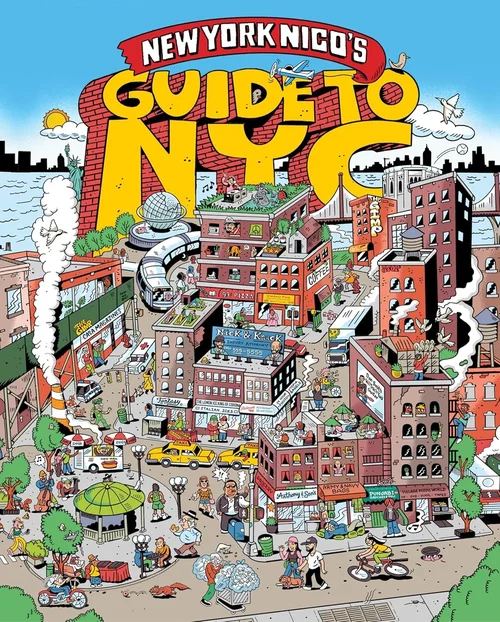
New York City is a city that never sleeps—and neither do its remote workers, freelancers, and digital nomads. With over 200,000 people working remotely in the five boroughs and counting, the demand for reliable, comfortable, and productive workspaces outside the traditional office has never been higher. Enter the modern coffee shop: no longer just a place for a quick caffeine fix, but a vital third space where creativity, collaboration, and concentration converge. Whether you’re a writer drafting your next novel, a designer sketching wireframes, or a consultant preparing a client presentation, finding the right café can make or break your workday.
This guide is designed for the discerning professional who values more than just a strong espresso. We’ve scoured the city—from the bustling streets of Williamsburg to the quiet corners of the Upper West Side—to identify the best coffee shops in NYC for working. Our criteria go beyond Wi-Fi speed and outlet availability. We consider ambiance, noise levels, seating comfort, coffee quality, food options, community vibe, and even proximity to public transit. This isn’t just a list—it’s a strategic resource for anyone looking to optimize their remote work experience in one of the world’s most dynamic urban environments.
In the following pages, you’ll learn how to evaluate coffee shops like a pro, avoid common pitfalls, understand budget considerations, and ultimately choose the perfect spot that aligns with your workflow, personality, and productivity goals. Whether you’re a student, entrepreneur, or full-time remote employee, this guide will equip you with the knowledge to turn any corner café into your personal command center.

What to Look for When Buying Buying Guide
1. Wi-Fi Reliability & Speed
Let’s start with the most obvious: without stable internet, even the coziest café is useless for work. In NYC, where network congestion is common, a strong, password-protected Wi-Fi connection is non-negotiable. Look for shops that advertise high-speed internet or have a reputation among remote workers for connectivity. Some cafés even post their Wi-Fi speed on their website or social media—take advantage of this transparency. Test the connection upon arrival: can you join a Zoom call without buffering? Can you upload large files quickly? A good benchmark is at least 25 Mbps download speed, which supports video conferencing and cloud-based applications.
2. Power Outlet Availability
There’s nothing more frustrating than your laptop dying mid-presentation because the only outlet is behind a potted plant. When evaluating a coffee shop, scan the seating layout for accessible power sources. Are outlets built into tables? Are there extension cords available? Some forward-thinking cafés, like Bluestone Lane in the West Village, have installed USB ports and power strips under communal tables. Others, like Devoción in Williamsburg, offer limited but well-placed outlets—arrive early to claim them. If you’re planning a long work session, bring a portable charger or power bank as a safety net.
3. Seating Comfort & Layout
Ergonomics matter. A stool at a high-top table might be fine for 30 minutes, but for a 4-hour work block, you need a chair with back support and a table at the right height. Look for cafés with a mix of seating options: individual tables for focused work, communal tables for collaboration, and lounge chairs for brainstorming. Avoid places where tables are crammed together—privacy and personal space are essential for concentration. Cafés like Abraço in the East Village offer intimate, well-spaced tables ideal for solo work, while Stumptown Coffee Roasters in the West Village provides spacious communal tables perfect for group projects.
4. Noise Level & Ambiance
Sound is a productivity killer. A café that’s too loud can disrupt focus, while one that’s too quiet might feel sterile or unwelcoming. The ideal environment strikes a balance—background chatter, soft music, and the gentle hum of espresso machines create a “productive buzz” without overwhelming concentration. Use apps like Decibel X to measure noise levels (aim for under 65 dB). Some cafés, like La Colombe in Soho, have designated quiet zones or sound-dampening materials. Others, like Think Coffee in the East Village, play curated playlists at a moderate volume. Visit during your intended work hours to assess the vibe—mornings tend to be quieter, while lunch rushes can be chaotic.
5. Coffee & Food Quality
Let’s be honest: you’re here for the coffee, but you’ll stay for the food. A great work café should offer high-quality, freshly brewed coffee—whether it’s a single-origin pour-over, a velvety flat white, or a bold cold brew. But equally important is the food menu. Can you get a nutritious lunch without leaving? Look for cafés with fresh salads, avocado toast, grain bowls, or protein-rich snacks. Blue Bottle Coffee in Williamsburg, for example, offers seasonal pastries and light meals made with local ingredients. Avoid places that only serve sugary pastries or greasy sandwiches—your energy levels (and focus) will pay the price.
6. Hours of Operation & Consistency
Nothing derails a work schedule like a café that closes at 3 PM. Check opening and closing times carefully, especially on weekends. Some cafés, like Joe Coffee in the West Village, open at 6:30 AM and stay open until 8 PM—ideal for early risers and night owls alike. Others, like Café Grumpy in Chelsea, have limited weekend hours. Also consider consistency: does the café maintain its hours year-round, or do they change seasonally? A reliable schedule ensures you can plan your workdays without surprises.
7. Community & Atmosphere
The best work cafés foster a sense of community without being overly social. You want a place where people respect personal space but also feel welcoming. Observe the clientele: are there other remote workers? Students? Artists? A diverse, respectful crowd often indicates a healthy work environment. Some cafés, like Everyman Espresso in the East Village, host weekly coworking events or networking meetups. Others, like Kobrick Coffee in the West Village, have been neighborhood staples for decades, offering a familiar, low-pressure atmosphere. Choose a vibe that matches your personality—introverts may prefer quieter spots, while extroverts might thrive in livelier settings.
8. Location & Accessibility
Even the best café is useless if it’s a 45-minute subway ride away. Prioritize locations near subway lines, bus stops, or bike lanes. Consider proximity to your home, office, or client meetings. Cafés in transit hubs like Brooklyn Roasting Company near Atlantic Avenue-Barclays Center offer convenience for commuters. Also think about safety and walkability—especially if you’re working late. Neighborhoods like the West Village, Park Slope, and the Upper West Side are known for their pedestrian-friendly streets and well-lit sidewalks.
Different Types of Buying Guide

Common Buying Mistakes to Avoid

❌ Mistake: Prioritizing Aesthetics Over Functionality
Why it’s bad: A café with Instagram-worthy décor but no outlets, slow Wi-Fi, or uncomfortable chairs is a productivity trap. You’ll spend more time charging your phone than working.
What to do instead: Visit during peak hours to test real-world conditions. Bring your laptop and assess the space like a pro—check outlets, test the Wi-Fi, and sit for at least 30 minutes.
❌ Mistake: Ignoring Peak Hours
Why it’s bad: A café that’s quiet at 10 AM might be packed and noisy by 1 PM. Arriving without a plan can lead to wasted time and frustration.
What to do instead: Research busy times online or ask regulars. Use apps like Google Maps to see live occupancy data. Aim for off-peak hours or arrive early to secure a good spot.
❌ Mistake: Not Testing the Coffee
Why it’s bad: Even the most productive environment fails if the coffee is burnt, weak, or overpriced. Poor coffee can ruin your mood and focus.
What to do instead: Order a simple black coffee or espresso on your first visit. Taste matters—don’t settle for mediocrity.
❌ Mistake: Overlooking Food Options
Why it’s bad: Hunger kills concentration. If the only food is a stale muffin, you’ll either leave or suffer through low energy.
What to do instead: Check the menu online. Look for cafés with fresh, balanced meals. Some, like Bluestone Lane, offer healthy lunch options that won’t weigh you down.
❌ Mistake: Assuming All Chains Are Equal
Why it’s bad: Not all Starbucks or Dunkin’ locations are created equal. Some have great seating and Wi-Fi; others are cramped and loud.
What to do instead: Scout individual locations. Use Google Reviews to find the best-performing branches in your area.
❌ Mistake: Neglecting Personal Comfort
Why it’s bad: Working in a cold, drafty café or one with harsh lighting can cause discomfort and fatigue.
What to do instead: Dress in layers and bring a light jacket. Choose cafés with adjustable lighting or natural light sources.
❌ Mistake: Not Respecting Café Etiquette
Why it’s bad: Overstaying your welcome or taking up multiple seats can alienate staff and other customers.
What to do instead: Buy something every 1–2 hours, tip well, and be mindful of space. Rotate cafés to avoid burnout and support local businesses.
Budget Guidelines: How Much Should You Spend?
Working from a coffee shop isn’t free—even if you’re not paying rent. Over time, daily purchases add up. Here’s a realistic breakdown of what to expect based on your budget:
Entry-Level ($4–$7 per visit): Ideal for students or occasional remote workers. You’ll find affordable options at chains like Dunkin’ or Joe Coffee, where a basic coffee and pastry cost under $7. Wi-Fi is usually free, but outlets may be limited. Expect functional but not luxurious seating.
Mid-Range ($8–$12 per visit): The sweet spot for most professionals. Cafés like Blue Bottle, Stumptown, and Devoción fall into this category. You’ll get high-quality coffee, decent food, reliable Wi-Fi, and comfortable seating. This tier offers the best balance of cost and comfort.
Premium ($13–$20 per visit): For those who treat their work environment as an investment. Think Bluestone Lane or La Colombe in upscale locations. These cafés often feature artisanal menus, spacious layouts, and premium amenities like phone booths or quiet zones. Perfect for client meetings or long work sessions.
Luxury ($20+ per visit): Reserved for special occasions or high-stakes workdays. Some coworking cafés, like The Wing (now closed, but similar concepts exist), charge membership fees or premium prices for exclusive access. These spaces offer concierge service, private rooms, and gourmet catering—ideal for executives or creatives needing a distraction-free zone.

Expert Tips for Getting the Best Deal
Working from coffee shops doesn’t have to break the bank. With a few smart strategies, you can maximize value and minimize costs:
- Buy in bulk: Some cafés offer loyalty cards or punch cards—buy 9 drinks, get the 10th free. Over time, this can save you 10–15%.
- Go during happy hour: A few spots, like Everyman Espresso, offer discounted pastries in the afternoon. Perfect for a late-day snack.
- Use student or senior discounts: Always ask—many independent cafés honor these, even if not advertised.
- Bring your own cup: Most places offer $0.25 off for reusable cups. Over a month, that’s $5–$10 saved.
- Work during off-peak hours: You’ll get better service, quieter space, and sometimes even complimentary upgrades.
- Leverage credit card rewards: Use cards that offer cashback on dining or groceries. Some even give bonus points at coffee shops.
- Rotate locations: Avoid over-reliance on one café. This prevents burnout and spreads your spending across multiple businesses.
- Negotiate with cafés: If you’re a regular, ask about monthly passes or bulk discounts. Some are willing to accommodate loyal customers.

Frequently Asked Questions
Q: Can I work in a coffee shop all day without buying anything?
A: Technically, yes—but it’s poor etiquette. Most cafés operate on thin margins and rely on sales to stay open. A good rule of thumb: buy something every 1–2 hours. Even a $3 coffee supports the business and earns you goodwill with staff.
Q: What’s the best time to work in a NYC coffee shop?
A: Weekday mornings (8–11 AM) are ideal—quiet, well-staffed, and full of natural light. Avoid lunch rushes (12–2 PM) and Friday afternoons, when many people treat cafés as social hubs.
Q: Are there coffee shops with private workspaces?
A: Yes! Some, like Bluestone Lane in the West Village, have semi-private nooks. Others, like The Wing (when operational), offered phone booths. Look for cafés with booth seating or partitioned areas.
Q: How do I handle noisy customers or loud music?
A: Politely ask staff to lower the volume. If that doesn’t work, use noise-canceling headphones or move to a quieter corner. Apps like Noisli can help mask distractions with ambient sounds.
Q: Can I bring my own food?
A: Most cafés discourage outside food, especially if you’re not purchasing anything. However, some allow light snacks if you’re a paying customer. Always ask first.
Q: What if the Wi-Fi goes down?
A: Have a backup plan. Use your phone’s hotspot, visit a nearby library, or switch to a different café. Always save work frequently to avoid data loss.
Q: Are there coffee shops open 24 hours?
A: Very few. Most close by 9 PM. However, some 24-hour diners, like Tom’s Restaurant in Morningside Heights, offer coffee and seating for late-night workers.
Q: How do I find new work-friendly cafés?
A: Use apps like Google Maps, Yelp, or Nomad List. Search for keywords like “Wi-Fi,” “outlets,” or “remote work.” Join NYC remote work Facebook groups for real-time recommendations.
Q: Is it okay to take phone calls in a coffee shop?
A: Only in designated areas or if you’re using headphones quietly. Avoid loud conversations—use a private booth or step outside.
Q: What’s the average lifespan of a work session in a NYC café?
A: Most professionals stay 2–4 hours. Beyond that, fatigue sets in, and the cost-benefit ratio declines. Take breaks, stretch, and consider alternating between cafés and other workspaces.
Our Final Recommendations
After extensive research and firsthand testing, here are our top picks for the best coffee shops in NYC to work:
Best for Budget-Conscious Buyers: Joe Coffee (West Village) – Affordable, reliable, and consistently good. Great Wi-Fi, ample outlets, and a no-frills atmosphere that prioritizes function over form.
Best Overall Value: Blue Bottle Coffee (Williamsburg) – Excellent coffee, healthy food options, spacious seating, and strong Wi-Fi. A favorite among freelancers and creatives.
Best Premium Option: Bluestone Lane (West Village) – Australian-inspired café with ergonomic seating, phone booths, and a serene ambiance. Ideal for professionals who value comfort and aesthetics.
Best for Beginners: Devoción (Williamsburg) – Welcoming vibe, knowledgeable staff, and a great introduction to third-wave coffee. Easy to navigate for first-time remote workers.
Best for Advanced Users: Everyman Espresso (East Village) – A cult favorite among writers and artists. Tight seating but exceptional coffee and a deeply focused atmosphere. Requires patience and respect for the space.
Conclusion: Making the Right Choice
Choosing the right coffee shop to work in NYC is about more than convenience—it’s about creating an environment where you can thrive. The perfect spot aligns with your workflow, supports your health, and respects your budget. By evaluating key factors like Wi-Fi, seating, noise, and coffee quality, you can turn any café into a productive sanctuary.
Remember, no single café will meet all your needs every day. Flexibility is key. Rotate locations, adapt to peak hours, and always have a backup plan. And above all, support the local businesses that make NYC’s coffee culture so vibrant.
Whether you’re drafting a novel in a quiet corner of the East Village or leading a virtual meeting in a sunlit café in Williamsburg, the right space can elevate your work—and your well-being. So grab your laptop, charge your devices, and find your perfect NYC work café. Your most productive day starts with the right cup of coffee.