
If you’re a coffee lover in New York City, you know that the search for the perfect cup isn’t just about caffeine—it’s a ritual, a moment of calm in the chaos, and a daily indulgence that deserves respect. Among the many brewing methods available, cold brew has emerged as a favorite for its smooth, low-acid profile and refreshing qualities, especially during the city’s sweltering summers. But with so many cafes, roasters, and at-home brewing options popping up across Manhattan, Brooklyn, Queens, and beyond, finding the best cold brew coffee in NYC can feel overwhelming. Whether you’re sipping on the go in Midtown, grabbing a pour-over at a Williamsburg café, or brewing your own at home in Astoria, the quality of your cold brew can make or break your morning routine.
This comprehensive guide is designed to cut through the noise and help you make informed decisions—whether you’re buying a ready-to-drink bottle from a local bodega, ordering a custom batch from a specialty roaster, or investing in equipment to craft your own. We’ll explore what makes cold brew truly exceptional, break down the key factors that influence quality and value, compare different types of cold brew available in the city, and share expert insights to help you avoid common pitfalls. By the end, you’ll have a clear understanding of how to identify top-tier cold brew, where to find it, and how to get the most out of every dollar you spend.
The cold brew market in NYC is more vibrant—and competitive—than ever. From iconic chains like Blue Bottle and Stumptown to beloved neighborhood spots like Sey Coffee, Devoción, and Partners Coffee, the city offers an incredible range of options. At the same time, the rise of ready-to-drink (RTD) cold brew brands like Chobani, Rise Brewing Co., and La Colombe has made high-quality cold brew more accessible than ever. Meanwhile, home brewers are turning to devices like the Toddy Cold Brew System, OXO Good Grips Cold Brew Coffee Maker, and Japanese-style kyusu teapots to craft café-quality drinks in their kitchens. With so many choices, it’s easy to feel paralyzed by options. But don’t worry—this guide will equip you with the knowledge to navigate the landscape confidently, whether you’re a casual drinker or a dedicated coffee connoisseur.

What to Look for When Buying Cold Brew Coffee in NYC
1. Bean Origin and Roast Profile
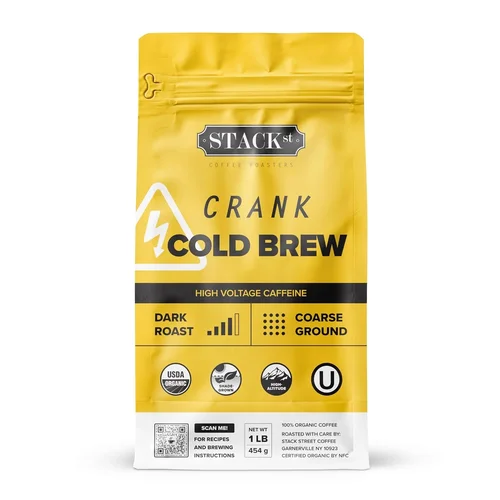
The foundation of any great cold brew starts with the beans. In NYC, where specialty coffee culture thrives, the origin and roast of your coffee beans play a pivotal role in flavor, aroma, and overall quality. Cold brew is typically made with coarse-ground coffee steeped in cold or room-temperature water for 12 to 24 hours, a process that extracts fewer acids and bitter compounds than hot brewing. This means the inherent characteristics of the beans—such as fruitiness, chocolate notes, or floral undertones—are highlighted in a smoother, more balanced way.
When evaluating cold brew, look for brands or cafes that disclose bean origin. Single-origin beans from regions like Ethiopia (known for bright, fruity notes), Colombia (balanced and nutty), or Guatemala (chocolatey and complex) often produce more distinctive cold brews than blends. However, some blends are specifically crafted for cold brewing, balancing body, sweetness, and clarity. Roast level also matters: medium to medium-dark roasts are ideal for cold brew because they retain enough complexity without becoming overly bitter or ashy. Light roasts can work, but they may lack the body and sweetness that many cold brew drinkers crave, while dark roasts can introduce unwanted smokiness.
In NYC, roasters like Sey Coffee (which focuses on light to medium roasts with floral and tea-like notes) and Devoción (known for fresh, direct-trade beans from Colombia) are celebrated for their transparency and quality. When buying pre-made cold brew, check the label or ask the barista about the beans used. If a brand simply says “100% Arabica” without specifying origin or roast date, it’s a red flag. Freshness is equally important—coffee begins to lose its nuanced flavors within weeks of roasting, so always look for a roast date on the packaging.
2. Extraction Method and Brew Time
Not all cold brews are created equal—even if they use the same beans. The extraction method and steeping time significantly impact the final taste, strength, and mouthfeel. Traditional cold brew involves steeping coarse coffee grounds in cold water for 12 to 24 hours, usually in a large container like a mason jar or a dedicated cold brew maker. This slow, gentle process results in a smooth, low-acid concentrate that can be diluted with water or milk.
However, some brands and cafes use faster methods, such as rapid cold brewing with pressurized systems or nitrogen infusion, which can alter the flavor profile. Nitro cold brew, for example, is infused with nitrogen gas to create a creamy, Guinness-like texture and a sweeter taste due to reduced perception of bitterness. While delicious, it’s not the same as traditional cold brew and may not appeal to purists.
When evaluating cold brew, consider whether you prefer a concentrated, bold flavor or a lighter, more refreshing drink. Concentrates are versatile—you can dilute them to taste—but they require more attention when serving. Ready-to-drink (RTD) cold brews are convenient but often pre-diluted and may contain added sugars or stabilizers. In NYC, places like Stumptown and Blue Bottle offer both concentrate and RTD versions, allowing you to choose based on your preference.
Brew time also affects strength and extraction. Under-extracted cold brew (steeped for less than 12 hours) can taste weak and sour, while over-extracted batches (beyond 24 hours) may become overly bitter or astringent. The ideal window is typically 16 to 20 hours for a balanced, full-bodied result. If you’re making cold brew at home, experiment with timing to find your sweet spot.
3. Additives, Sweeteners, and Ingredients
One of the biggest differentiators between high-quality and mass-market cold brew is the ingredient list. Premium cold brew should contain just two ingredients: coffee and water. Unfortunately, many commercial brands—especially shelf-stable RTD options—load their products with added sugars, artificial flavors, preservatives, and stabilizers to extend shelf life and enhance sweetness.
In NYC, where consumers are increasingly health-conscious and ingredient-savvy, this is a major concern. A quick scan of the label can reveal whether a cold brew is truly clean or loaded with hidden calories and chemicals. For example, a 16-ounce bottle of a popular national brand might contain 20 grams of sugar—equivalent to five teaspoons—while a local roaster’s version might have zero added sweeteners.
Sweeteners like cane sugar, agave, or monk fruit are sometimes used in flavored cold brews (e.g., vanilla or caramel), but even these should be clearly listed and used sparingly. Natural flavorings are preferable to artificial ones, but the best cold brew doesn’t need flavoring at all—its complexity should come from the beans and brewing process.
If you’re watching your sugar intake or following a low-carb or keto diet, look for unsweetened options or brands that use natural, low-calorie sweeteners like stevia or erythritol. Brands like Rise Brewing Co. and Wandering Bear offer clean, keto-friendly cold brews with minimal ingredients. At cafes, always ask whether the cold brew is sweetened—many baristas add simple syrup by default, even if you don’t request it.
4. Packaging and Shelf Life
Packaging plays a crucial role in preserving the freshness and flavor of cold brew, especially for ready-to-drink products. In NYC, where convenience is king, many people rely on bottled or canned cold brew for on-the-go consumption. However, not all packaging is created equal.
Glass bottles are ideal for flavor preservation—they’re non-reactive and don’t impart any taste—but they’re heavier and less portable. Canned cold brew, like that from La Colombe or Chobani, is lightweight and recyclable, but some consumers report a slight metallic aftertaste, especially in cheaper aluminum cans. Tetra Pak cartons are common for shelf-stable options but often contain layers of plastic and aluminum that can affect taste over time.
Shelf life is another critical factor. Fresh cold brew, whether from a café or made at home, should be consumed within 7 to 10 days for optimal flavor. Many RTD brands extend shelf life to 90 days or more using pasteurization or preservatives, but this often comes at the cost of taste and aroma. Look for products with shorter expiration dates and “refrigerated” labeling—these are typically fresher and higher quality.
In NYC, some roasters like Birch Coffee and Joe Coffee offer cold brew on tap, which is as fresh as it gets. These are usually sold in reusable growlers or disposable cups and should be consumed within a few days. If you’re buying bottled cold brew, check the “best by” date and opt for the newest batch available.
5. Brand Reputation and Transparency
In a city as coffee-obsessed as New York, brand reputation matters. NYC is home to some of the most innovative and respected coffee roasters in the world, and their commitment to quality, sustainability, and transparency sets them apart from mass-market brands.
When evaluating a cold brew brand, consider their sourcing practices, roasting philosophy, and customer feedback. Do they work directly with farmers? Are their beans ethically sourced? Do they publish roast dates and origin information? Brands like Devoción, which imports fresh green coffee directly from Colombian farms and roasts within days of harvest, exemplify this level of transparency.
Customer reviews and ratings are also valuable indicators. Check platforms like Google Reviews, Yelp, and Instagram to see what real customers are saying. Are people praising the smoothness, the lack of bitterness, the clean ingredient list? Or are there complaints about sourness, excessive sweetness, or poor packaging?
Local cafes often have loyal followings for a reason. Places like Sey Coffee in Bushwick, which focuses on light-roasted, single-origin beans, or Partners Coffee in Brooklyn, known for their balanced, approachable cold brew, have built reputations on consistency and quality. Supporting these businesses not only gets you better coffee but also contributes to the city’s vibrant coffee culture.
6. Price and Value for Money
Cold brew pricing in NYC varies widely, from $3 for a basic cup at a corner deli to $8 or more for a small bottle at a specialty café. While it’s tempting to go for the cheapest option, price often reflects quality—especially when it comes to ingredients, brewing time, and labor.
That said, you don’t need to break the bank to enjoy great cold brew. The key is understanding what you’re paying for. A $4 cold brew from a local roaster might use freshly roasted, single-origin beans and be brewed in small batches, while a $3 version from a chain might use stale, pre-ground coffee and artificial flavorings.
For at-home brewing, the initial investment in equipment (like a $30 OXO Cold Brew Maker or a $50 Toddy System) can save you money in the long run. A single batch can yield 4 to 6 servings, costing as little as $1 per cup—far less than buying pre-made cold brew regularly.
When comparing prices, consider the size, concentration, and ingredients. A 12-ounce bottle of concentrate might cost $6 but can make two full servings when diluted, making it a better value than a $5 ready-to-drink bottle. Similarly, cold brew sold by the growler (usually 64 ounces) at cafes like Joe Coffee or Birch Coffee offers excellent value for regular drinkers.
7. Convenience and Accessibility
In a fast-paced city like NYC, convenience is a major factor in your cold brew choice. Do you need something you can grab on your way to work? Or are you willing to seek out a specific café for a superior experience?
Ready-to-drink cold brew is the most convenient option—available at bodegas, supermarkets, and convenience stores across the city. Brands like La Colombe, Chobani, and Rise Brewing Co. are widely distributed and easy to find. However, convenience often comes with trade-offs in flavor and freshness.
Café-brewed cold brew offers a balance of quality and accessibility. Many NYC coffee shops serve cold brew on tap, and some even offer subscription services for regular deliveries. If you’re near a specialty roaster, stopping in for a fresh pour can be a rewarding ritual.
For home brewers, convenience depends on your routine. Cold brew requires minimal active time—just combine grounds and water, then wait—but it does require planning ahead. If you’re often in a rush, a pre-made option might be better. But if you enjoy the process and want maximum control over flavor, home brewing is hard to beat.
8. Sustainability and Ethical Practices
As environmental awareness grows, more NYC coffee drinkers are considering the sustainability of their choices. Cold brew production can have a significant environmental impact, from coffee farming and transportation to packaging and waste.
Look for brands that prioritize sustainability. This includes using recyclable or compostable packaging, sourcing beans from farms that practice shade-grown or organic agriculture, and minimizing carbon emissions in roasting and distribution. Some cafes, like Blue Bottle, have committed to carbon-neutral operations, while others, like Devoción, emphasize regenerative farming practices.
Reusable growlers are another eco-friendly option. Many NYC cafes offer discounts if you bring your own container, reducing single-use waste. At-home brewing also cuts down on packaging, especially if you buy beans in bulk or use refillable containers.
Ethical sourcing is equally important. Fair trade, direct trade, and B Corp certifications indicate that a brand pays fair wages and supports farming communities. While not a guarantee of quality, these practices reflect a commitment to social responsibility that many consumers value.
Different Types of Cold Brew Coffee in NYC

Common Buying Mistakes to Avoid
❌ Mistake: Ignoring the Ingredient List
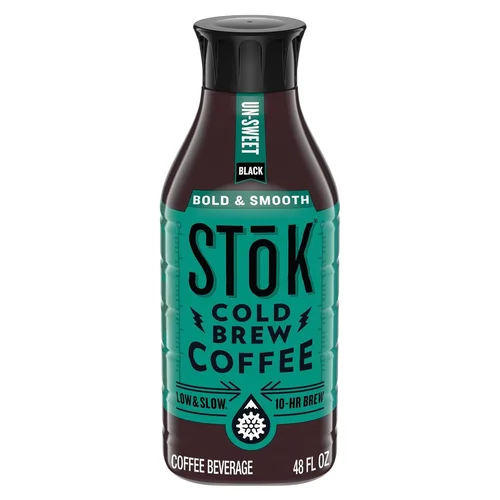
Why it’s bad: Many consumers focus only on price or brand name and overlook what’s actually in the bottle. Cold brew loaded with sugar, artificial flavors, or preservatives can sabotage your health goals and mask the true flavor of the coffee.
What to do instead: Always read the label. Choose products with minimal ingredients—ideally just coffee and water. If sweeteners are listed, check the type and amount. Opt for natural sweeteners in moderation, or choose unsweetened versions.
❌ Mistake: Choosing Based Solely on Price
Why it’s bad: The cheapest cold brew is often made with low-quality, stale beans and brewed quickly, resulting in a sour, weak, or bitter drink. Conversely, the most expensive option isn’t always the best—some brands charge a premium for packaging or marketing, not quality.
What to do instead: Balance price with value. Consider cost per ounce, ingredient quality, and brewing method. A mid-priced cold brew from a reputable roaster often offers the best combination of quality and affordability.
❌ Mistake: Overlooking Freshness Dates
Why it’s bad: Coffee, even when cold-brewed, loses flavor over time. Bottled cold brew with a long shelf life may have been sitting on a shelf for weeks, leading to flat, dull taste.
What to do instead: Check the “best by” or “roasted on” date. Choose the freshest option available. For café-brewed cold brew, ask when it was made—ideally within the last 24-48 hours.
❌ Mistake: Assuming All Cold Brew Is the Same
Why it’s bad: Cold brew varies widely in strength, flavor, and texture. Assuming one brand or method is like another can lead to disappointment, especially if you’re used to a particular style.
What to do instead: Experiment with different types—RTD, concentrate, nitro, home-brewed—to find your preference. Keep notes on what you like (e.g., “smooth,” “fruity,” “strong”) to guide future choices.
❌ Mistake: Not Diluting Concentrate Properly
Why it’s bad: Cold brew concentrate is meant to be diluted, usually 1:1 with water or milk. Drinking it straight can be overly strong, bitter, and even cause stomach discomfort due to high caffeine content.
What to do instead: Follow the dilution instructions on the label. Start with a 1:1 ratio and adjust to taste. Use filtered water for the best flavor.
❌ Mistake: Buying Pre-Ground Coffee for Home Brewing
Why it’s bad: Pre-ground coffee loses aroma and flavor quickly due to increased surface area exposure. For cold brew, which relies on slow extraction, stale grounds can result in a flat, underwhelming drink.
What to do instead: Buy whole beans and grind them just before brewing. Use a coarse grind setting to prevent over-extraction and sediment in your final brew.
❌ Mistake: Neglecting Equipment Maintenance
Why it’s bad: Cold brew makers, filters, and containers can harbor mold, bacteria, or coffee oils if not cleaned properly. This not only affects taste but can also pose health risks.
What to do instead: Clean your equipment after every use. Soak filters, scrub containers with hot soapy water, and sanitize regularly. Replace filters as recommended.
Budget Guidelines: How Much Should You Spend?
– Entry-Level ($3 – $5 per 12 oz): This tier includes basic RTD cold brews from convenience stores or chain cafes. Expect simple ingredients, moderate quality, and limited flavor complexity. Best for occasional drinkers or those on a tight budget. Examples: Dunkin’ Cold Brew, Starbucks Bottled Cold Brew.
– Mid-Range ($5 – $7 per 12 oz): The sweet spot for most NYC coffee drinkers. This range includes high-quality RTD options from brands like La Colombe, Chobani, and Rise Brewing Co., as well as café-brewed cold brew from local roasters. You’ll find better bean quality, cleaner ingredients, and more nuanced flavors. Great for daily drinkers who value both quality and convenience.
– Premium ($7 – $10 per 12 oz): For enthusiasts and professionals. This tier features cold brew from top-tier roasters like Sey Coffee, Devoción, and Partners Coffee, often made with single-origin beans and small-batch methods. Expect exceptional clarity, complexity, and freshness. Ideal for those who treat coffee as a craft.
– Luxury ($10+ per 12 oz): Top-tier nitro cold brew, limited-edition releases, or specialty preparations (e.g., barrel-aged cold brew). These are often served at high-end cafes or available through subscription services. While not necessary for great taste, they offer unique experiences and are worth trying for coffee connoisseurs.
Expert Tips for Getting the Best Deal
– Buy in Bulk: Many NYC cafes offer discounts for growler fills (usually 64 oz). If you drink cold brew regularly, this can save you 20-30% compared to single servings.
– Subscribe to Roaster Newsletters: Brands like Blue Bottle, Stumptown, and Devoción often send exclusive discounts, early access to new products, and free shipping offers to subscribers.
– Shop Seasonally: Cold brew sales often spike in spring and summer. Look for promotions around Memorial Day, Fourth of July, and back-to-school season.
– Compare Online vs. In-Store: Some brands offer lower prices online with subscription plans, while others have in-store exclusives. Check both options before buying.
– Test Before Committing: If possible, try a small size or sample before purchasing a large bottle or growler. Many cafes offer tastings or small pours.
– Check Return Policies: While rare, some cold brew may spoil or not meet expectations. Know the return policy, especially for online orders.
– Use Loyalty Programs: Cafes like Joe Coffee and Birch Coffee have loyalty cards or apps that reward frequent purchases with free drinks or discounts.
– Invest in Reusable Gear: A quality cold brew maker pays for itself over time. Look for sales on Amazon, Bed Bath & Beyond, or during Black Friday.

Frequently Asked Questions
Q: Is cold brew stronger than iced coffee?
A: It depends. Cold brew is typically brewed with a higher coffee-to-water ratio, making it more concentrated. However, it’s often diluted before drinking, so the final caffeine content can be similar to or slightly higher than iced coffee. On average, an 8-ounce serving of cold brew contains 150-200 mg of caffeine, compared to 95-120 mg in iced coffee.
Q: Can I make cold brew at home without special equipment?
A: Yes! All you need is a large jar, coffee grounds, and water. Combine 1 cup of coarse-ground coffee with 4 cups of cold water, stir, cover, and steep in the fridge for 12-24 hours. Strain through a fine-mesh sieve or cheesecloth. While dedicated makers like the Toddy system offer convenience and consistency, DIY methods work well with minimal investment.
Q: How long does cold brew last in the fridge?
A: Fresh cold brew (whether homemade or from a café) stays good for 7 to 10 days when stored in a sealed container in the refrigerator. After that, it may start to taste stale or develop off-flavors. Always check for signs of spoilage, such as cloudiness or sour smell.
Q: Is cold brew less acidic than hot coffee?
A: Yes. Cold brewing extracts fewer acids, resulting in a smoother, gentler drink that’s easier on the stomach. This makes it a great option for people with acid reflux or sensitive digestion.
Q: Can I heat up cold brew?
A: Technically yes, but it’s not recommended. Heating cold brew can alter its flavor profile, making it taste bitter or flat. If you want a warm drink, it’s better to make hot coffee or use a cold brew concentrate as a base for a warm latte.
Q: What’s the difference between cold brew and iced coffee?
A: Iced coffee is made by brewing hot coffee and then cooling it with ice, which can lead to dilution and bitterness. Cold brew is brewed with cold water over a long period, resulting in a smoother, less acidic drink with more consistent flavor.
Q: Are there caffeine-free cold brew options?
A: Yes. Some brands offer decaf cold brew made with water-processed decaffeinated beans. These retain much of the flavor of regular cold brew while eliminating most of the caffeine. Look for labels that specify “decaf” or “caffeine-free.”
Q: Can I add milk or cream to cold brew?
A: Absolutely. Cold brew pairs well with milk, cream, oat milk, or almond milk. Its low acidity means it won’t curdle when mixed with dairy, and its smooth profile complements creamy additions beautifully.
Q: Is nitro cold brew worth the extra cost?
A: If you enjoy creamy, dessert-like textures and don’t mind the higher price, nitro cold brew is a treat. The nitrogen infusion creates a velvety mouthfeel and enhances sweetness naturally. However, it’s not for everyone—some find it too rich or prefer the clarity of traditional cold brew.
Q: Where can I find the best cold brew in NYC?
A: Top spots include Sey Coffee (Bushwick), Devoción (Williamsburg), Partners Coffee (multiple locations), Blue Bottle (SoHo), and Joe Coffee (Flatiron). For RTD options, check out La Colombe, Rise Brewing Co., and Wandering Bear at local grocers.
Our Final Recommendations
– Best for Budget-Conscious Buyers: Rise Brewing Co. Organic Cold Brew (available at Whole Foods and online). Clean ingredients, affordable at $5.99 for 16 oz, and widely available.
– Best Overall Value: Partners Coffee Cold Brew (on tap at NYC locations). Fresh, balanced, and reasonably priced at $5.50 for 12 oz. Great for daily drinking.
– Best Premium Option: Sey Coffee Single-Origin Cold Brew (Bushwick). Light, floral, and complex—ideal for coffee purists willing to pay $8 for a 10 oz pour.
– Best for Beginners: La Colombe Draft Latte (canned). Creamy, sweet, and approachable—perfect for those new to cold brew or who prefer a coffee-milk blend.
– Best for Advanced Users: Toddy Cold Brew System (home brewing kit). Invest once, brew forever. Offers total control over beans, grind, and strength.
Conclusion: Making the Right Choice
Finding the best cold brew coffee in NYC doesn’t have to be a daunting task. By focusing on key factors like bean quality, brewing method, ingredients, and freshness, you can navigate the city’s vast coffee landscape with confidence. Whether you’re sipping a nitro cold brew at a trendy Williamsburg café, grabbing a bottle from your local bodega, or brewing your own at home, the perfect cup is within reach.
Remember, the “best” cold brew is the one that aligns with your taste, lifestyle, and values. Prioritize transparency, freshness, and simplicity. Support local roasters when you can, but don’t overlook the convenience and quality of well-made RTD options. And if you’re ready to take control, home brewing offers unmatched flexibility and value.
Ultimately, cold brew is more than just a drink—it’s a moment of pause in the hustle of city life. So take your time, experiment, and savor every sip. Your perfect cold brew is out there. Now go find it.