
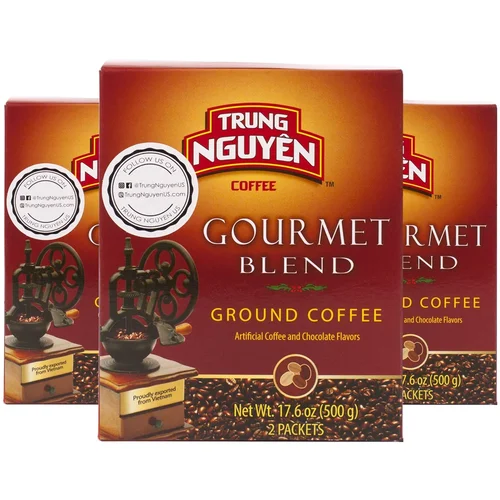
New York City is a global epicenter of culinary innovation, where flavors from every corner of the world converge in bustling markets, cozy cafes, and hidden storefronts. Among the many international coffee traditions that have taken root here, Vietnamese coffee stands out—not just for its bold, rich flavor, but for its cultural depth and unique brewing method. Whether you’re sipping a creamy cà phê sữa đá (Vietnamese iced coffee with condensed milk) on a steamy summer day or enjoying a slow drip through a traditional phin filter, Vietnamese coffee offers a sensory experience unlike any other. But with so many options across the five boroughs—from specialty roasters to neighborhood cafes to online retailers—how do you know which Vietnamese coffee is truly the best?
This guide was created to help both newcomers and seasoned coffee lovers navigate the vibrant world of Vietnamese coffee in NYC. Whether you’re looking to brew at home, support local Vietnamese-owned businesses, or simply find the most authentic cup in the city, we’ve done the legwork. You’ll learn how to evaluate quality, understand the nuances of different beans and roasts, avoid common pitfalls, and discover where to buy the best Vietnamese coffee—whether you’re in Chinatown, Williamsburg, or ordering online. By the end of this comprehensive guide, you’ll be equipped with expert-level knowledge to make informed decisions and elevate your coffee ritual.
The market for Vietnamese coffee in New York has exploded in recent years. What was once a niche offering found only in Little Saigon enclaves like Manhattan’s Chinatown or Brooklyn’s Sunset Park has now become a mainstream favorite, embraced by third-wave coffee shops and home brewers alike. Brands like Trung Nguyen, Café du Monde, and Vinacafe have long dominated the shelf-stable market, but a new wave of small-batch roasters and independent cafes are redefining what Vietnamese coffee can be. From single-origin robusta beans sourced directly from Vietnam to artisanal blends roasted right here in Brooklyn, the options are more diverse—and more confusing—than ever. This guide cuts through the noise, offering clarity, insight, and actionable advice to help you choose the right coffee for your taste, budget, and lifestyle.

What to Look for When Buying Vietnamese Coffee
1. Bean Type: Robusta vs. Arabica
The foundation of any great Vietnamese coffee experience starts with the bean. Unlike Western coffee culture, which often favors Arabica for its smoothness and complexity, Vietnamese coffee traditionally relies on Robusta beans. Robusta has a stronger, more bitter flavor, higher caffeine content, and a fuller body—perfect for balancing the sweetness of condensed milk. However, modern blends often combine Arabica and Robusta to create a more balanced cup. When shopping, look for labels that specify the bean composition. If you prefer bold, intense coffee with a lingering aftertaste, go for 100% Robusta. If you want something smoother with floral or fruity notes, seek out Arabica-Robusta blends (typically 70/30 or 60/40). Some premium roasters even offer single-origin Robusta from regions like Đắk Lắk or Lâm Đồng in Vietnam, which can showcase terroir-driven flavors like dark chocolate, tobacco, or earthy spice.
2. Roast Level: Dark vs. Medium vs. Light
Roast level dramatically affects the flavor profile of Vietnamese coffee. Traditional Vietnamese roasts are dark—sometimes even approaching French or Italian roast levels—which brings out deep, smoky, and caramelized notes that pair beautifully with sweetened condensed milk. A dark roast reduces acidity and enhances body, making it ideal for drip brewing with a phin filter. However, lighter roasts are gaining popularity among specialty roasters who want to highlight the unique characteristics of high-quality beans. A medium or light roast might reveal hints of nuttiness, dried fruit, or even floral undertones, especially in Arabica-dominant blends. If you’re new to Vietnamese coffee, start with a medium-dark roast—it offers a balanced bridge between tradition and modernity. For purists, a full-bodied dark roast is the way to go.
3. Grind Size and Freshness
Grind size is critical when brewing with a phin filter, the traditional Vietnamese drip device. The coffee must be ground to a medium-fine consistency—similar to table salt—to allow for proper extraction without clogging the filter. Pre-ground coffee is convenient, but it loses freshness quickly. Oils evaporate, aromas fade, and the coffee can taste flat within weeks of grinding. Whenever possible, buy whole beans and grind them just before brewing. If you must buy pre-ground, check the packaging date and opt for vacuum-sealed bags with one-way valves that preserve freshness. Look for brands that roast to order or provide roast dates on the label. Freshness is especially important for Robusta, which can develop a harsh, rubbery taste when stale.
4. Processing Method: Natural, Washed, or Honey
The way coffee cherries are processed after harvesting impacts flavor significantly. Most Vietnamese coffee uses the natural (dry) process, where beans are dried inside the fruit, resulting in a sweeter, fruitier, and sometimes fermented profile. This method is traditional and cost-effective, but it can lead to inconsistency. Washed processing, more common in specialty Arabica, removes the fruit before drying, yielding a cleaner, brighter cup with more acidity. Honey processing, a hybrid method, leaves some mucilage on the bean during drying, creating a balance of sweetness and clarity. In NYC, you’ll find a growing number of roasters experimenting with these methods—especially for single-origin offerings. If you enjoy complex, layered flavors, seek out washed or honey-processed beans. For a classic, bold Vietnamese experience, natural-processed Robusta is hard to beat.
5. Brand Reputation and Sourcing Ethics
Not all Vietnamese coffee is created equal—especially when it comes to ethical sourcing and brand transparency. Mass-market brands like Vinacafe and Trung Nguyen are widely available and affordable, but they’ve faced criticism for poor labor practices, environmental impact, and inconsistent quality. In contrast, independent roasters in NYC—such as Cà Phê Đỏ in Brooklyn or Saigon Social in Manhattan—often prioritize direct trade, fair wages, and sustainable farming. They may source beans directly from smallholder farmers in Vietnam or partner with cooperatives that support community development. When choosing a brand, research their sourcing practices. Look for certifications like Fair Trade, Organic, or Rainforest Alliance, though note that many small farms can’t afford certification but still follow ethical practices. Supporting ethical brands not only improves quality but also contributes to a more equitable coffee industry.
6. Packaging and Shelf Life
Packaging plays a crucial role in preserving coffee quality. Vietnamese coffee is often sold in resealable foil bags with one-way degassing valves, which allow carbon dioxide to escape without letting oxygen in—this prevents staling. Avoid coffee sold in clear plastic bags or jars, as light exposure degrades flavor. Check the roast date on the package; ideally, it should be within the last 2–4 weeks. Shelf life for ground coffee is about 2–3 months when stored properly, while whole beans can last up to 6 months if kept in a cool, dark place. Some brands vacuum-seal their coffee in nitrogen-flushed bags for extended freshness—ideal for those who buy in bulk. If you’re purchasing online, ensure the retailer ships quickly and uses insulated packaging during warmer months to prevent heat damage.
7. Price and Value for Money
Vietnamese coffee spans a wide price range, from budget-friendly instant packets under $5 to premium single-origin beans over $25 per 12 oz. While price doesn’t always correlate with quality, it’s a useful indicator. Cheap coffee often uses low-grade beans, excessive fillers, or stale inventory. Mid-range options ($10–$18) typically offer better balance—good beans, decent roast quality, and ethical sourcing. Premium coffees ($20+) are usually small-batch, freshly roasted, and may include unique processing or origin stories. Consider your usage: if you drink Vietnamese coffee daily, investing in a higher-quality bean is worth it. If you’re occasional, a mid-tier blend may suffice. Always compare price per ounce and look for bulk discounts or subscription options to maximize value.
8. Availability and Accessibility in NYC
One of the biggest advantages of living in NYC is access to authentic Vietnamese coffee. You can find it in grocery stores (like 99 Ranch Market or H Mart), Vietnamese bakeries, specialty coffee shops, and online retailers. Some neighborhoods—like Chinatown, Sunset Park, and Flushing—have dense concentrations of Vietnamese businesses where you can buy fresh beans or ready-to-brew packs. Farmers markets and pop-up events also feature local roasters. Online, platforms like Etsy, Amazon, and direct-from-roaster websites offer nationwide shipping. Consider convenience: if you want to support local, visit a neighborhood shop. If you prefer consistency and variety, online ordering might be better. Also, check if the retailer offers brewing guides or starter kits—especially helpful for beginners.
Different Types of Vietnamese Coffee

Common Buying Mistakes to Avoid
❌ Mistake: Choosing Based on Price Alone
Why it’s bad: Opting for the cheapest option often means sacrificing quality. Low-cost Vietnamese coffee may use stale beans, fillers like corn or soybean, or be over-roasted to mask defects. The result is a bitter, flat, or even chemical-tasting brew that doesn’t represent true Vietnamese coffee.
What to do instead: Focus on value, not just price. A slightly more expensive bag from a reputable roaster will deliver a far better experience. Look for brands that disclose roast dates, bean origins, and processing methods.
❌ Mistake: Ignoring Roast Date
Why it’s bad: Coffee begins to stale within weeks of roasting. Buying coffee without a roast date means you could be getting beans that are months old—especially common with imported brands on supermarket shelves.
What to do instead: Always check for a roast date. If it’s not listed, ask the seller or choose another brand. For optimal flavor, use coffee within 4–6 weeks of roasting.
❌ Mistake: Buying Pre-Ground for Long-Term Storage
Why it’s bad: Pre-ground coffee loses aroma and flavor rapidly due to increased surface area exposure to air. By the time you brew it, it may taste dull or cardboard-like.
What to do instead: Buy whole beans and grind them just before brewing. If you must buy pre-ground, purchase small quantities and store in an airtight container away from light and heat.
❌ Mistake: Overlooking Brewing Equipment Compatibility
Why it’s bad: Vietnamese coffee requires a specific grind size and brewing method. Using a French press, pour-over, or espresso machine with traditional Vietnamese beans can lead to under- or over-extraction.
What to do instead: Use a phin filter for authentic results. If you don’t own one, many NYC cafes sell them, or you can order online. Ensure your grind matches the filter’s requirements.
❌ Mistake: Assuming All Vietnamese Coffee Is the Same
Why it’s bad: Just like wine or craft beer, Vietnamese coffee varies widely in quality, flavor, and origin. Treating all brands as interchangeable leads to missed opportunities for discovery.
What to do instead: Treat Vietnamese coffee like any specialty brew—explore different roasters, origins, and blends. Keep a tasting journal to track what you enjoy.
❌ Mistake: Neglecting Storage Conditions
Why it’s bad: Heat, light, air, and moisture are coffee’s enemies. Storing beans in the fridge or near the stove accelerates staling and can introduce odors.
What to do instead: Store coffee in an airtight container in a cool, dark cupboard. Avoid the fridge unless you’re freezing beans (and even then, do so properly in portioned bags).
❌ Mistake: Not Supporting Local or Ethical Brands
Why it’s bad: Mass-produced brands often exploit farmers and contribute to environmental degradation. You miss out on fresher, more unique offerings from local roasters.
What to do instead: Seek out NYC-based Vietnamese roasters or ethical importers. Your purchase supports fair wages, sustainable farming, and community development.
Budget Guidelines: How Much Should You Spend?
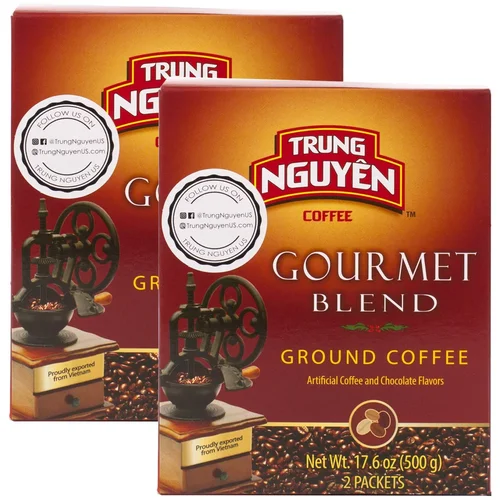
- Entry-Level ($5–$10 per 12 oz): This tier includes mass-market brands like Vinacafe, Trung Nguyen, and Café du Monde. Expect consistent but basic flavor—strong, bitter, and often over-roasted. Ideal for occasional use or if you’re on a tight budget. Look for sales at Asian grocery stores or online.
- Mid-Range ($10–$18 per 12 oz): The sweet spot for most buyers. Brands like Lộc Vừng, Cà Phê Sữa Đá, and some local roasters fall here. You’ll find better bean quality, fresher roasts, and more transparent sourcing. Great for daily drinking and experimenting with blends.
- Premium ($18–$28 per 12 oz): For enthusiasts and serious drinkers. These coffees often feature single-origin beans, unique processing, or small-batch roasting. Expect complex flavors, ethical sourcing, and detailed packaging. Perfect for gifting or special occasions.
- Luxury ($28+ per 12 oz): Top-tier offerings from specialty roasters or direct-trade cooperatives. These may include rare varietals, experimental processing, or limited-edition releases. Only recommended for connoisseurs or collectors.
Expert Tips for Getting the Best Deal
- Buy in Bulk During Sales: Vietnamese holidays like Tết (Lunar New Year) often trigger discounts at Asian markets. Stock up on your favorite blends when prices drop.
- Shop Local First: Visit Vietnamese bakeries, cafes, and grocery stores in neighborhoods like Chinatown, Sunset Park, or Flushing. You’ll often find fresher beans and better prices than online.
- Compare Online Retailers: Check prices across Amazon, Etsy, and roaster websites. Some offer free shipping or bundle deals (e.g., coffee + phin filter).
- Join Loyalty Programs: Many local roasters have loyalty cards or email lists with exclusive discounts and early access to new releases.
- Test Before Committing: Buy small quantities (4–8 oz) of new brands before purchasing larger bags. This minimizes waste if you don’t enjoy the flavor.
- Check Return Policies: Reputable sellers should allow returns for stale or defective products. Avoid retailers with no-refund policies.
- Attend Coffee Tastings: NYC hosts regular coffee events and pop-ups where you can sample Vietnamese blends for free or at low cost.
- Use Cashback Apps: Apps like Rakuten or Honey can earn you rebates on online coffee purchases.

Frequently Asked Questions
Q: What makes Vietnamese coffee different from regular coffee?
A: Vietnamese coffee is distinct due to its use of Robusta beans, dark roasting, and traditional brewing with a phin filter. It’s often served with sweetened condensed milk, creating a rich, creamy, and intensely flavored drink unlike typical American coffee.
Q: Can I make Vietnamese coffee without a phin filter?
A: Yes, but the experience won’t be the same. You can use a French press, moka pot, or even a fine mesh strainer, but the slow drip of a phin is key to extracting the full flavor. Consider buying an inexpensive phin—they’re widely available in NYC.
Q: Is Vietnamese coffee stronger than espresso?
A: In terms of caffeine, yes—Robusta has nearly double the caffeine of Arabica. However, espresso is more concentrated by volume. A typical Vietnamese coffee has less caffeine per ounce than a shot of espresso but more per cup due to larger serving sizes.
Q: Where can I buy Vietnamese coffee in NYC?
A: You can find it in Asian grocery stores (99 Ranch, H Mart), Vietnamese cafes (Saigon Social, Cà Phê Đỏ), specialty coffee shops, and online. Many local roasters also sell directly through their websites.
Q: How long does Vietnamese coffee last?
A: Whole beans last 4–6 months when stored properly; ground coffee lasts 2–3 months. Always check the roast date and store in an airtight container away from heat and light.
Q: Is instant Vietnamese coffee worth buying?
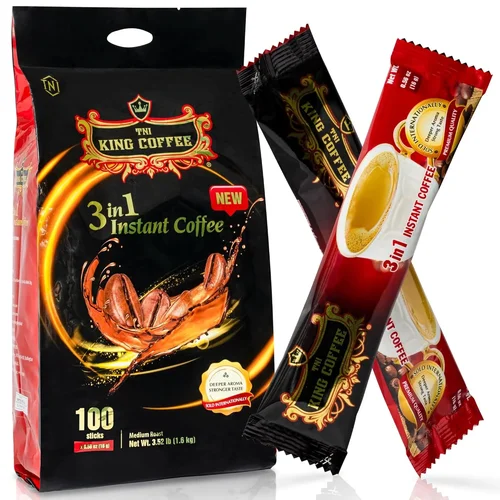
A: It’s convenient and affordable, but lacks the depth of freshly brewed coffee. Use it for travel or emergencies, but don’t expect the same quality as beans.
Q: Can I use Vietnamese coffee for espresso?
A: Technically yes, but Robusta’s high crema and intense bitterness may not suit all palates. It’s better suited for drip or French press methods.
Q: What’s the best way to store Vietnamese coffee?
A: Keep it in an airtight container in a cool, dark place. Avoid the fridge or freezer unless necessary, and never store near spices or strong odors.
Q: Are there decaf Vietnamese coffee options?
A: Yes, some brands offer decaf versions, though they’re less common. Look for labels specifying “decaffeinated” or check with local roasters.
Q: How do I know if Vietnamese coffee is ethically sourced?
A: Look for transparency in sourcing—brands that name farms, regions, or cooperatives are more likely to be ethical. Certifications like Fair Trade or direct-trade partnerships are good indicators.
Our Final Recommendations
- Best for Budget-Conscious Buyers: Lộc Vừng Premium Robusta – Affordable, widely available, and delivers authentic flavor without breaking the bank.
- Best Overall Value: Cà Phê Sữa Đá Blend by Saigon Social – A balanced Arabica-Robusta mix, freshly roasted in NYC, with ethical sourcing and excellent reviews.
- Best Premium Option: Single-Origin Robusta from Đắk Lắk by Cà Phê Đỏ – Small-batch, naturally processed, and roasted in Brooklyn. Complex, chocolatey, and deeply satisfying.
- Best for Beginners: Trung Nguyen Creative 3 – A smooth Arabica-Robusta blend that’s easy to brew and gentle on the palate. Great introduction to Vietnamese coffee.
- Best for Advanced Users: Honey-Processed Robusta by The Coffee Project – Experimental processing, limited release, and available only through select NYC retailers. For those who want to explore the cutting edge of Vietnamese coffee.
Conclusion: Making the Right Choice
Choosing the best Vietnamese coffee in NYC isn’t just about finding the strongest or cheapest option—it’s about aligning your purchase with your values, taste preferences, and lifestyle. Whether you’re drawn to the bold tradition of Robusta, the nuanced complexity of single-origin beans, or the convenience of instant packs, there’s a perfect match waiting for you in the city’s vibrant coffee scene. By considering factors like bean type, roast level, freshness, and ethical sourcing, you can elevate your daily brew from a simple habit to a meaningful ritual.
Remember, the best coffee is the one you enjoy drinking. Don’t be afraid to experiment, ask questions, and support local businesses. Visit a Vietnamese cafe, talk to a roaster, or join a tasting event. The journey of discovery is part of the pleasure. And when you find that perfect bag—whether it’s a $7 blend from a Chinatown market or a $30 small-batch roast from a Brooklyn roaster—you’ll know it was worth the search.
So go ahead: brew a cup, add a spoonful of condensed milk, and savor the rich, aromatic legacy of Vietnamese coffee—right here in the heart of New York City. Your ideal cup is closer than you think.