
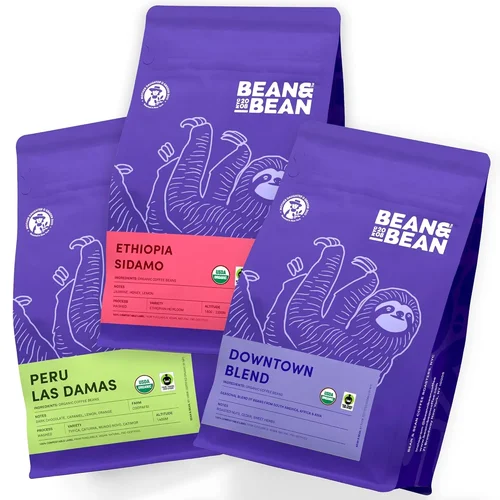
Downtown New York City is more than just a geographic location—it’s a cultural ecosystem defined by pace, precision, and passion. From Wall Street traders fueling up before sunrise to creative professionals sipping single-origin pour-overs in minimalist cafés, coffee isn’t just a beverage here; it’s a ritual, a status symbol, and often, the difference between a productive morning and a chaotic one. With hundreds of coffee shops, roasteries, and retail outlets packed into a few square miles, choosing the right coffee downtown can feel overwhelming. Whether you’re a local resident, a frequent visitor, or someone relocating to the area, knowing how to navigate this vibrant market is essential.
This guide exists because great coffee shouldn’t be left to chance—especially in a city where every minute counts. We’ve spent months analyzing bean sourcing, brewing methods, shop reputations, pricing models, and customer experiences across downtown Manhattan, Brooklyn, and parts of lower Jersey City. Our goal isn’t to tell you which brand is “the best” in a vacuum, but to equip you with the knowledge to make an informed decision based on your lifestyle, taste preferences, budget, and values. You’ll learn how to distinguish between marketing hype and genuine quality, understand what drives price differences, and avoid common pitfalls that even seasoned coffee drinkers fall into.
The downtown NYC coffee scene is uniquely dynamic. It blends third-wave specialty coffee culture with legacy delis, global chains, and hyper-local micro-roasters. You might grab a $2 drip from a corner bodega one day and a $7 anaerobic natural Gesha the next. This diversity is exciting, but it also means there’s no one-size-fits-all answer. Some prioritize speed and convenience; others seek out traceable, ethically sourced beans or experimental fermentation techniques. This guide will help you cut through the noise and find coffee that truly matches your needs—whether you’re brewing at home, grabbing on the go, or treating yourself to a café experience.

What to Look for When Buying Coffee Downtown NYC
1. Bean Origin & Sourcing Ethics
Not all coffee beans are created equal—and in a city obsessed with authenticity and transparency, origin matters more than ever. Downtown NYC’s top-tier roasters (like Sey Coffee, Devoción, and Partners Coffee) emphasize direct trade relationships with farmers in Ethiopia, Colombia, Guatemala, and beyond. These partnerships often ensure fair wages, sustainable farming practices, and higher-quality harvests. Look for roasters that disclose farm names, processing methods (washed, natural, honey), and harvest dates. A bag that simply says “Colombian” without further detail may be mass-produced and blended, sacrificing nuance and ethics for consistency.
Ask yourself: Do I care about supporting smallholder farmers? Am I willing to pay a premium for traceability? If sustainability and social impact are important, prioritize shops that publish sourcing reports or partner with certifications like Fair Trade, Rainforest Alliance, or B Corp. However, note that certification doesn’t always guarantee superior taste—some of the most innovative coffees come from uncertified but transparent direct-trade relationships.
2. Roast Date & Freshness
Freshness is non-negotiable for high-quality coffee. In downtown NYC, where turnover is fast, many shops roast weekly or even daily. Always check the roast date on the bag—ideally, it should be within two weeks of purchase. Coffee begins losing volatile aromatic compounds within days of roasting, and by four weeks, it can taste flat or papery. Avoid pre-ground coffee whenever possible; whole beans retain freshness far longer.
Pro tip: If a shop doesn’t display roast dates prominently (or at all), that’s a red flag. Even reputable chains like Blue Bottle and Stumptown now stamp dates on every bag. For home brewing, buy only what you’ll use within 2–3 weeks. Freezing beans is controversial—some swear by it, but improper sealing can introduce moisture and odors. Stick to airtight containers in a cool, dark pantry.
3. Brew Method Compatibility
Your preferred brewing method dramatically influences which coffee will taste best to you. Downtown NYC offers everything from classic espresso machines to V60 pour-overs, French presses, AeroPresses, and cold brew taps. Espresso blends are typically darker and more robust to withstand high pressure, while light roasts shine in filter methods that highlight acidity and floral notes.
If you’re grabbing coffee to go, consider how the shop prepares your drink. A skilled barista pulling a ristretto shot will extract differently than someone rushing through a standard pull. For home use, match your beans to your gear: a light Ethiopian Yirgacheffe might overwhelm a basic drip machine but dazzle in a Chemex. Many downtown roasters label bags with recommended brew methods—take advantage of this guidance.
4. Price vs. Value Perception
Downtown NYC coffee prices range from $2 for a basic drip at a deli to $12+ for a small batch pour-over at a specialty café. But price doesn’t always correlate with quality. A $5 cup might use commodity-grade beans with minimal craft, while a $7 cup could feature rare microlot beans roasted with precision. The key is understanding what you’re paying for: labor, rent (Manhattan real estate is astronomical), bean cost, and expertise.
Value isn’t just about low cost—it’s about satisfaction per dollar. A $4 coffee that consistently delights you offers better value than a $6 one that’s merely “good.” Compare prices per ounce when buying retail bags: a $20 12-oz bag equals ~$1.67/oz, while a $16 8.8-oz bag is ~$1.82/oz. Small differences add up over time.
5. Convenience & Accessibility
In a city where time is currency, convenience often trumps perfection. Can you grab your favorite brew within a five-minute walk of your office or subway stop? Does the shop offer mobile ordering, subscription delivery, or loyalty rewards? Chains like Blank Street and Sweetgreen’s coffee program excel here—offering app-based ordering, consistent quality, and multiple locations.
However, convenience shouldn’t mean compromise. Some “grab-and-go” spots use stale beans or over-extract shots to save time. Look for places that balance speed with care—like Joe & The Juice’s trained baristas or Gregorys’ streamlined but quality-focused service. If you’re brewing at home, consider subscription services (e.g., Trade Coffee, Driftaway) that deliver fresh beans from downtown roasters right to your door.
6. Flavor Profile & Personal Preference
Coffee flavor is deeply subjective. Do you prefer bright, tea-like acidity (common in Kenyan or Ethiopian coffees), or rich, chocolatey body (typical of Brazilian or Sumatran beans)? Downtown roasters often describe profiles on packaging: “notes of blueberry and jasmine” or “caramel and walnut.” Use these as starting points, but don’t rely solely on them—your palate may differ.
Experiment! Many shops offer tasting flights or sampler packs. Visit roasteries like Birch Coffee or Abraço, where staff are eager to guide you based on your preferences. Keep a tasting journal: note the origin, roast level, brew method, and your impressions. Over time, you’ll identify patterns and refine your choices.
7. Brand Reputation & Community Trust
In a tight-knit community like downtown NYC, word-of-mouth carries weight. A roaster with a loyal following likely delivers consistent quality. Check Google reviews, Instagram tags, and local forums like Reddit’s r/nycoffee. Look for recurring themes: “always fresh,” “knowledgeable staff,” or “overpriced and underwhelming.”
But beware of hype. Just because a shop is Instagram-famous doesn’t mean it’s the best. Some prioritize aesthetics over substance. Seek out places where baristas engage with customers, explain their process, and welcome questions. True coffee culture thrives on dialogue, not just aesthetics.
8. Sustainability & Packaging
Eco-consciousness is rising in NYC, and coffee packaging is a big part of that. Many downtown roasters now use compostable bags, recyclable labels, and minimal plastic. Some even offer discounts for bringing your own container. Consider the environmental footprint of your coffee habit—especially if you buy retail bags weekly.
Also think about waste: single-use cups, stirrers, and sleeves add up. Support shops that incentivize reusable cups (many offer $0.25–$0.50 off). If you brew at home, choose biodegradable filters or metal mesh alternatives.
Different Types of Coffee Available Downtown NYC

Common Buying Mistakes to Avoid
❌ Mistake: Choosing Based Solely on Price
Why it’s bad: Opting for the cheapest option often means sacrificing freshness, ethical sourcing, and flavor complexity. Bodega coffee might keep you awake, but it rarely delights the senses.
What to do instead: Balance cost with value. Invest in quality occasionally—even one great cup a week can elevate your routine. Use budget options for backup, not daily enjoyment.
❌ Mistake: Ignoring Roast Dates
Why it’s bad: Stale coffee tastes dull, bitter, or cardboard-like—even if it’s from a famous roaster. Without a roast date, you have no way of knowing how old the beans are.
What to do instead: Always check for a roast date. If it’s missing, ask staff or choose another vendor. Prioritize shops that roast frequently and label clearly.
❌ Mistake: Buying Pre-Ground Coffee for Home Use
Why it’s bad: Pre-ground coffee oxidizes rapidly, losing aroma and nuance within minutes. You’re paying for degraded quality.
What to do instead: Buy whole beans and grind just before brewing. A $20 burr grinder pays for itself in flavor improvement within months.
❌ Mistake: Overlooking Brew Method Compatibility
Why it’s bad: A light roast meant for pour-over will taste under-extracted and sour in an auto-drip machine. Conversely, an espresso blend may be too intense for a French press.
What to do instead: Match your beans to your brewing equipment. Ask roasters for recommendations or look for labeling that suggests ideal methods.
❌ Mistake: Falling for “Artisanal” Marketing Without Substance
Why it’s bad: Terms like “small batch,” “handcrafted,” or “premium” are unregulated. Some shops use them to justify high prices despite mediocre quality.
What to do instead: Look beyond buzzwords. Check reviews, ask about sourcing, and taste before committing. True artisans welcome scrutiny.
❌ Mistake: Neglecting to Try New Things
Why it’s bad: Sticking to one familiar coffee limits your palate development and misses out on seasonal offerings or emerging origins.
What to do instead: Dedicate one purchase per month to something new—a different origin, processing method, or roaster. Expand your horizons gradually.
❌ Mistake: Not Considering Long-Term Costs
Why it’s bad: A $10 cup twice a week adds up to $1,040 annually. Similarly, cheap grinders break quickly, costing more over time.
What to do instead: Calculate your yearly coffee spend. Invest in durable gear and consider subscriptions to lock in better rates.
Budget Guidelines: How Much Should You Spend?
Entry-Level ($1.50–$4 per cup or $8–$14 per bag): This tier includes bodega drip, chain lattes (Starbucks, Dunkin’), and budget retail brands. Expect consistent but generic flavors, often with older beans or automated brewing. Ideal for casual drinkers who prioritize caffeine over complexity. At home, you can stretch this budget with store-brand whole beans and a basic grinder—but manage expectations.
Mid-Range ($4–$7 per cup or $14–$22 per bag): The sweet spot for most downtown dwellers. This range features reputable local roasters (e.g., Birch Coffee, Abraço), quality espresso drinks, and fresh retail bags with clear sourcing. You’ll notice brighter acids, cleaner finishes, and better balance. Many shops in this tier offer subscriptions, reducing per-unit cost. Perfect for daily enjoyment without breaking the bank.
Premium ($7–$12 per cup or $22–$35 per bag): Reserved for specialty experiences—single-origin pour-overs, limited-release microlots, or expertly crafted espresso. Roasters like Sey, Devoción, and Onyx Coffee Lab dominate here. Beans are often traceable to specific farms, processed innovatively, and roasted with precision. Worth it for connoisseurs or special occasions.
Luxury ($12+ per cup or $35+ per bag): The pinnacle of downtown coffee culture. Think auction-winning Geishas, experimental fermentations, or rare anaerobic naturals. These are less about daily fuel and more about sensory exploration. Only recommended for serious enthusiasts or those treating themselves. Even then, taste is subjective—don’t assume higher price equals better experience.
Expert Tips for Getting the Best Deal
- Buy beans mid-week: Most downtown roasters restock and roast early in the week (Tuesday–Thursday). You’ll find the freshest selections and avoid weekend rushes.
- Use loyalty programs: Apps like Perks Coffee or shop-specific punch cards offer free drinks after 8–10 purchases. Over time, this saves 10–15%.
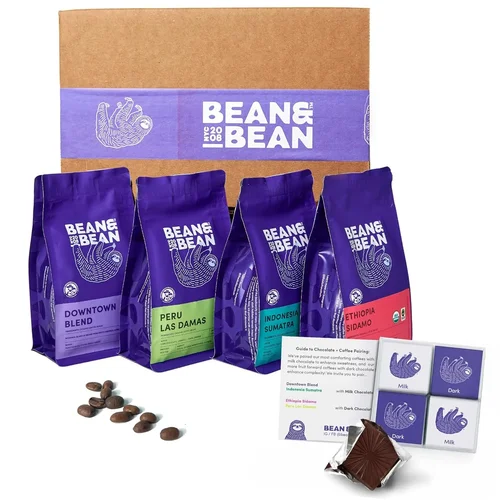
- Subscribe for discounts: Many roasters (e.g., Partners Coffee, Trade Coffee) offer 10–20% off for recurring deliveries. Plus, you never run out.
- Shop during off-peak hours: Early mornings (before 7 AM) and mid-afternoons (2–4 PM) often have shorter lines and fresher batches.
- Bring your own cup: Most shops discount $0.25–$0.50 for reusables. Over a year, that’s $60–$120 saved—and less waste.
- Attend cuppings or tastings: Free events at roasteries let you sample multiple coffees and learn directly from experts. Great for discovering new favorites risk-free.
- Compare online vs. in-store: Some roasters charge more in physical locations due to rent. Check their websites—you might save $2–$4 per bag with delivery.
- Watch for seasonal sales: Post-holiday periods (January, July) often feature clearance on holiday blends or overstock. Stock up if you have storage space.

Frequently Asked Questions
Q: Is downtown NYC coffee really better than elsewhere?
A: Not inherently—but the concentration of skilled roasters, competitive market, and discerning customer base drives higher average quality. You’ll find more third-wave options per square mile here than almost anywhere else.
Q: Can I find good decaf downtown?
A: Absolutely. Shops like Sey and Devoción offer Swiss Water Process decafs that retain remarkable flavor. Look for labels specifying the decaffeination method—avoid methylene chloride if possible.
Q: How do I store coffee beans properly?
A: Keep whole beans in an airtight container away from light, heat, and moisture. Don’t refrigerate or freeze unless absolutely necessary (and only in vacuum-sealed bags). Use within 2–3 weeks of roasting.
Q: Are NYC coffee prices inflated due to rent?
A: Partly. High operating costs do contribute, but many shops offset this with volume, efficiency, and direct-to-consumer sales. The price often reflects real expenses—not just markup.
Q: What’s the difference between a “blend” and a “single-origin”?
A: A single-origin coffee comes from one farm or region, highlighting unique terroir. A blend combines beans from multiple origins to achieve balanced, consistent flavor—often used in espresso.
Q: Should I tip baristas?
A: It’s appreciated but not mandatory. In NYC, tipping $0.50–$1 for a simple drink or 10–15% for complex orders is customary. Some shops include service charges—check receipts.
Q: How can I tell if a coffee is over-roasted?
A: Over-roasted coffee tastes smoky, burnt, or ashy, with muted origin characteristics. The beans may appear very dark and oily. Good roasting preserves the bean’s inherent flavors.
Q: Is cold brew really less acidic?
A: Yes. Cold brewing extracts fewer acids and bitter compounds, resulting in a smoother, sweeter profile—ideal for sensitive stomachs.
Q: Can I buy coffee beans at grocery stores downtown?
A: You can, but freshness varies widely. Whole Foods and Trader Joe’s carry decent options, but local roasteries will almost always offer fresher, better-sourced beans.
Q: What’s the best time of day to buy freshly roasted beans?
A: Ask your preferred roaster—they’ll tell you their roast schedule. Many roast Monday–Wednesday, so Tuesday or Wednesday purchases yield peak freshness.
Our Final Recommendations
Best for Budget-Conscious Buyers: Bodega drip or Dunkin’ – Reliable, cheap, and everywhere. For slightly better quality on a budget, try Gregorys or Joe & The Juice.
Best Overall Value: Birch Coffee or Abraço – Consistently excellent drinks, fair prices ($4–$6), knowledgeable staff, and strong community ties. Great for daily use.
Best Premium Option: Sey Coffee or Devoción – Unmatched freshness, transparent sourcing, and innovative roasting. Ideal for those who treat coffee as a craft.
Best for Beginners: Partners Coffee – Approachable flavors, clear brewing guidance, and multiple downtown locations. Staff are patient and educational.
Best for Advanced Users: Onyx Coffee Lab or Sey Coffee’s tasting menu – Pushes boundaries with rare processing methods, detailed flavor notes, and expert-led experiences.
Conclusion: Making the Right Choice
Choosing the best coffee downtown NYC isn’t about finding a single “winner”—it’s about alignment. Alignment between your taste, your schedule, your values, and your wallet. The city offers unparalleled variety, but that abundance demands discernment. Use this guide to ask better questions: Where were these beans grown? How fresh are they? Does this shop respect both the craft and the customer?
Remember, great coffee enhances life—it doesn’t complicate it. Start simple, stay curious, and don’t be afraid to change your mind. Your perfect cup might be around the corner, in a quiet café you’ve passed a hundred times, or waiting in a subscription box at your doorstep. Prioritize freshness, embrace experimentation, and support businesses that share your standards. In a city that never sleeps, let your coffee be the reason you wake up smiling.