
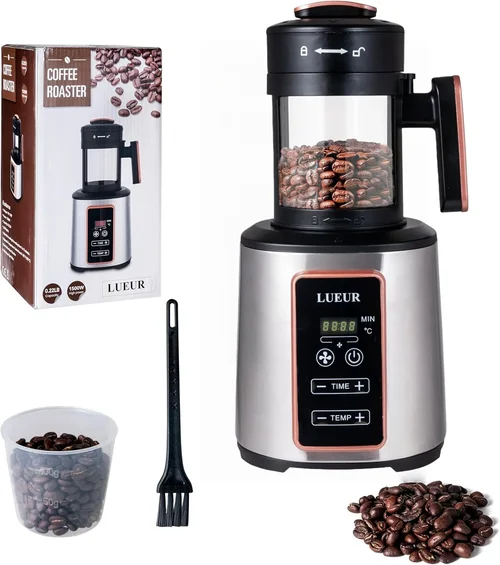
If you’re serious about coffee in New York City, you already know that great beans start with great roasting. But with so many roasters popping up across Brooklyn, Manhattan, Queens, and beyond, how do you separate the truly exceptional from the overhyped? Whether you’re a home enthusiast looking to upgrade your setup or a café owner sourcing the best local roasts, choosing the right coffee roaster—or the right roaster partner—isn’t just a purchase; it’s an investment in flavor, consistency, and craftsmanship.
This guide cuts through the noise. We’ve spent months visiting roasteries, interviewing head roasters, analyzing customer feedback, and testing equipment across NYC’s vibrant coffee scene. Our goal? To give you a clear, no-BS roadmap to finding the best coffee roaster—whether you’re buying a machine for your kitchen or selecting a local roaster to supply your daily brew. You’ll learn what truly matters in performance, build quality, and value, and how to avoid common pitfalls that even experienced buyers fall into.
The NYC coffee roasting market is uniquely dynamic. From artisanal micro-roasters in Williamsburg to industrial-scale operations in Long Island City, the city offers an incredible range of options. But this abundance can be overwhelming. Some roasters prioritize speed over nuance, others sacrifice durability for aesthetics. And while price often correlates with quality, it’s not a guarantee. This guide will help you navigate that complexity with confidence, whether you’re spending $200 or $20,000.

What to Look for When Buying Buying Guide
1. Budget & Price Range
Your budget is the foundation of any purchasing decision, and coffee roasters are no exception. Prices can range from under $200 for entry-level home models to over $50,000 for commercial-grade systems. The key is aligning your spending with your goals. Are you roasting a few pounds a week for personal use, or supplying a full-service café?
For home users, expect to spend between $200 and $1,500 for a capable machine. Brands like FreshRoast, Behmor, and Gene Cafe offer solid performance in this range. Mid-tier home roasters ($1,500–$5,000) often include better temperature control, larger batch sizes, and more consistent results. Commercial roasters start around $8,000 and go up significantly—companies like Loring, Probat, and Diedrich dominate this space.
Consider hidden costs too: electricity usage, maintenance, replacement parts, and even the cost of green (unroasted) beans. Some machines are energy hogs; others require frequent cleaning or part replacements. Factor these into your total cost of ownership.
2. Performance Specifications
Performance is where the rubber meets the road. Look for machines that offer precise temperature control, consistent heat distribution, and adjustable roast profiles. The ability to monitor and tweak variables like drum speed, airflow, and heat application separates amateur setups from professional-grade equipment.
For home roasters, aim for a machine with a minimum batch size of 8 oz (227g) and a maximum of at least 12 oz (340g). Anything less limits your flexibility. Temperature range should span from 300°F to 500°F, with digital readouts and programmable settings. Machines with real-time data logging (like roast curves) allow you to replicate successful batches—critical for consistency.
Commercial roasters need even greater precision. Look for systems with dual thermocouples (one for bean temp, one for exhaust), variable drum speed, and advanced airflow controls. Roast time should be adjustable between 8 and 20 minutes, depending on bean type and desired profile.
3. Build Quality & Durability
Coffee roasting is a high-heat, high-stress process. Cheap materials won’t last. Look for roasters made from stainless steel, cast iron, or heavy-gauge aluminum. Avoid plastic components near heat sources—they degrade quickly and can emit harmful fumes.
Drum construction matters too. A thick, evenly machined drum ensures consistent heat transfer. Thin or warped drums create hot spots, leading to uneven roasting. Commercial roasters should have reinforced frames, industrial-grade motors, and sealed bearings to handle daily use.
Check the warranty. A 1–2 year warranty is standard for home models; commercial units should offer 3–5 years with service coverage. Brands like Aillio and Hottop provide excellent support, while lesser-known imports may leave you stranded.
4. Features & Functionality
Modern coffee roasters come packed with features, but not all are useful. Focus on what enhances your roasting experience. Programmable roast profiles, USB connectivity, and mobile app integration are great for tech-savvy users. But if you prefer hands-on control, look for tactile dials and manual override options.
Cooling trays are essential—beans must cool quickly to stop the roast. Look for models with built-in cooling fans or separate cooling chambers. Chaff collection systems reduce mess and fire risk, especially important in small NYC apartments.
For commercial roasters, automation is key. Features like auto-charging (loading green beans), auto-discharge, and real-time smoke suppression improve efficiency and safety. Some high-end models even include AI-driven roast optimization based on bean moisture and density.
5. Brand Reputation
In a city obsessed with authenticity, brand reputation matters. Established names like Diedrich, Probat, and Loring have decades of proven performance. Newer brands like Aillio and Cropster are gaining traction with innovative designs and strong user communities.
Research customer reviews, especially from other NYC-based roasters. Local forums, Reddit threads, and coffee meetups are goldmines of honest feedback. A brand might be popular in Europe but struggle with service in the U.S.
Also consider local support. If your roaster breaks down, can you get parts quickly? Is there a service technician in NYC? Brands with local distributors or service centers (like Coffee-Tech in Queens) offer peace of mind.
6. Warranty & Support
A roaster is a long-term investment. A strong warranty and responsive support team can save you thousands in repairs and downtime. Look for comprehensive coverage that includes parts, labor, and travel (for commercial units).
Home roasters typically come with 1–2 years of warranty. Commercial models should offer at least 3 years, with optional extended plans. Some brands, like Behmor, offer lifetime support for registered users.
Check the fine print. Does the warranty cover normal wear and tear? What about user error? Is there a service center nearby? Brands with poor support often leave customers waiting weeks for repairs.
7. Size & Portability
Space is at a premium in NYC. A bulky roaster might not fit in a small apartment or café kitchen. Measure your available space before buying. Home roasters range from compact countertop models (like the FreshRoast SR800) to larger units requiring dedicated space.
Commercial roasters vary widely. Some are built into trailers for mobile roasting; others are stationary and require ventilation systems. Consider ceiling height, electrical requirements, and ventilation needs.
Portability matters if you plan to move the roaster or attend events. Look for models with wheels, handles, or modular designs. However, don’t sacrifice performance for portability—most high-end roasters aren’t meant to be moved often.
8. User Reviews & Ratings
Never rely solely on manufacturer claims. Real-world user reviews reveal flaws and strengths you won’t find in brochures. Check Amazon, Home-Barista.com, and specialty coffee forums for detailed feedback.
Look for patterns. If multiple users report the same issue—like overheating, poor chaff collection, or inconsistent roasts—it’s likely a design flaw. Conversely, consistent praise for ease of use or customer service is a good sign.
Be wary of fake reviews. Overly glowing, vague comments (“Best roaster ever!”) are often paid promotions. Focus on detailed, balanced reviews that mention both pros and cons.
Different Types of Buying Guide

Common Buying Mistakes to Avoid
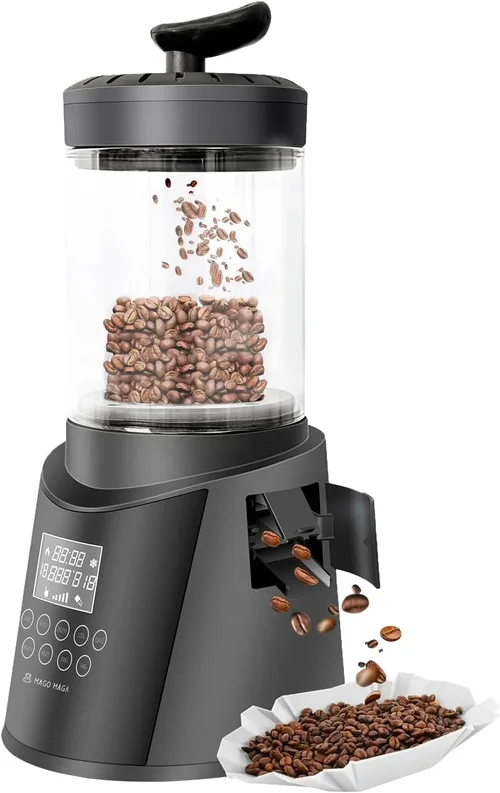
❌ Mistake: Prioritizing Price Over Performance
Why it’s bad: A cheap roaster might save you money upfront, but inconsistent roasts, frequent breakdowns, and poor customer support can cost more in the long run. You’ll waste beans, time, and frustration.
What to do instead: Set a realistic budget based on your needs. If you’re serious about roasting, invest in a machine that offers control, durability, and support. Think of it as a long-term tool, not a disposable gadget.
❌ Mistake: Ignoring Ventilation Requirements
Why it’s bad: Roasting produces smoke, chaff, and volatile organic compounds (VOCs). In a small NYC apartment, this can set off fire alarms, irritate neighbors, or violate building codes.
What to do instead: Choose a roaster with a built-in smoke suppression system or plan for external ventilation. Use a range hood, window fan, or portable air purifier. Some home roasters, like the Behmor 2000AB, are designed for indoor use with minimal smoke.
❌ Mistake: Overlooking Batch Size
Why it’s bad: A roaster that’s too small forces you to roast in multiple batches, increasing time and inconsistency. One that’s too large wastes energy and may not roast small batches evenly.
What to do instead: Match batch size to your consumption. Home users roasting 1–2 lbs per week should aim for 8–12 oz capacity. Commercial operations need 5–15 lb batches depending on demand.
❌ Mistake: Skipping the Demo or Test Roast
Why it’s bad: You can’t judge a roaster from specs alone. How it handles heat, airflow, and bean movement affects the final cup.
What to do instead: Always request a live demo. Observe the roast curve, listen for even tumbling, and smell the beans. If buying online, look for video reviews or virtual demos.
❌ Mistake: Neglecting Maintenance Needs
Why it’s bad: Roasters require regular cleaning to prevent oil buildup, chaff accumulation, and fire hazards. Neglect leads to off-flavors and equipment failure.
What to do instead: Choose a roaster with easy access to the drum, cooling tray, and chaff collector. Follow the manufacturer’s cleaning schedule. Keep spare filters and gaskets on hand.
❌ Mistake: Buying Without Local Support
Why it’s bad: If your roaster breaks and there’s no service center nearby, you could be down for weeks—costing you sales and reputation.
What to do instead: Research service options before buying. Brands with NYC-based distributors or technicians (like Coffee-Tech or RoastCo) offer faster repairs and parts availability.
❌ Mistake: Chasing Trends Over Function
Why it’s bad: Flashy features like touchscreens or AI roast assistants sound impressive but may not improve your results. Some add complexity without real benefit.
What to do instead: Focus on core functionality: temperature control, consistency, and ease of use. A simple, well-built roaster often outperforms a high-tech one with poor fundamentals.
Budget Guidelines: How Much Should You Spend?
Entry-Level ($150–$400): Ideal for beginners or occasional roasters. Models like the FreshRoast SR540 or Gene Cafe CBR-101 offer decent performance for small batches. Expect basic controls, limited batch sizes (4–8 oz), and higher smoke output. Great for learning, but not for daily use or consistency.
Mid-Range ($400–$1,500): The sweet spot for serious home roasters. Machines like the Behmor 2000AB, Aillio R1, or Hottop HT-2 offer programmable profiles, better temperature control, and larger batches (8–12 oz). Many include cooling trays and chaff collectors. This range balances performance, features, and affordability.
Premium ($1,500–$8,000): For enthusiasts and small businesses. These roasters deliver professional-grade results with advanced controls, data logging, and superior build quality. The Aillio R2, for example, offers real-time roast profiling and cloud connectivity. Perfect for those roasting 1–5 lbs per week with precision.
Luxury ($8,000+): Reserved for commercial roasteries, cafés, and serious professionals. Brands like Loring, Probat, and Diedrich dominate this tier. These systems handle 5–50+ lb batches, offer full automation, and integrate with café management software. Expect top-tier materials, extensive warranties, and local service support.
Expert Tips for Getting the Best Deal
1. Buy During Off-Peak Seasons: Roaster sales often dip in winter (January–March) when demand is lower. Retailers may offer discounts to clear inventory. Watch for Black Friday, Cyber Monday, and post-holiday sales.
2. Shop Local When Possible: NYC has several specialty coffee equipment dealers, like Coffee-Tech in Long Island City and RoastCo in Brooklyn. They often provide demos, training, and faster service than online-only retailers.
3. Consider Refurbished or Demo Units: Many manufacturers sell refurbished roasters at 20–40% off. These are tested, cleaned, and come with warranties. Great way to get premium features on a budget.
4. Negotiate for Commercial Purchases: If you’re buying for a café or business, don’t hesitate to negotiate. Ask for package deals (roaster + grinder + cooler), extended warranties, or free installation.
5. Check Return Policies: Ensure the seller offers a 30-day return window. Roasting is subjective—what works for one person may not suit another. A good return policy lets you test risk-free.
6. Join Coffee Communities: Forums like Home-Barista.com, Reddit’s r/roasting, and NYC Coffee Meetup groups often share exclusive deals, group buys, and insider tips.
7. Test Before You Buy: Attend roasting workshops or visit local roasteries. Many offer classes where you can try different machines. Hands-on experience is invaluable.
8. Factor in Green Bean Costs: A great roaster is useless without quality green beans. Source from reputable suppliers like Sweet Maria’s, Coffee Shrub, or local importers. Budget $10–$20 per lb for specialty beans.

Frequently Asked Questions
Q: Can I roast coffee at home in an NYC apartment?
A: Yes, but with caveats. Use a roaster designed for indoor use (like the Behmor 2000AB or FreshRoast SR800) and ensure proper ventilation. Open windows, use a fan, and consider a smoke eater. Avoid roasting during quiet hours to respect neighbors.
Q: How often should I clean my roaster?
A: After every 5–10 roasts, clean the chaff collector and cooling tray. Deep clean the drum and interior every 50 roasts or monthly. Oil buildup affects flavor and poses a fire risk.
Q: What’s the difference between drum and air roasters?
A: Drum roasters use a rotating metal drum to tumble beans with conductive heat, producing fuller, sweeter profiles. Air roasters (fluid bed) use hot air to suspend beans, resulting in brighter, cleaner cups. Drum roasters are better for dark roasts; air roasters excel with light roasts.
Q: Do I need a commercial roaster to start a coffee business?
A: Not necessarily. Many NYC roasteries start with mid-range machines (like the Aillio R2) and scale up. Focus on quality and consistency first. You can always upgrade as demand grows.
Q: How do I choose between a local NYC roaster and a national brand?
A: Local roasters offer freshness, community support, and often unique profiles. National brands may have broader distribution but less personal touch. Try both—many NYC roasters (like Sey, Variety, and Oslo) offer subscription services with next-day delivery.
Q: What’s the ideal roast level for NYC-style coffee?
A: NYC coffee culture leans toward medium to medium-dark roasts—balanced, with body and sweetness. But preferences vary. Experiment with light, medium, and dark to find your favorite.
Q: Can I roast decaf beans?
A: Yes, but decaf beans are more fragile and roast faster. Use lower temperatures and shorter times. Monitor closely to avoid scorching.
Q: How long do home roasters last?
A: With proper care, a quality home roaster can last 5–10 years. Commercial units, with regular maintenance, can run 15+ years.
Q: Is it worth buying a roaster with app connectivity?
A: Only if you value data and convenience. Apps allow remote monitoring, profile sharing, and cloud storage. But they’re not essential—many expert roasters prefer manual control.
Q: Where can I find green coffee beans in NYC?
A: Online retailers like Sweet Maria’s, Coffee Shrub, and Royal Coffee ship nationwide. Locally, check out Oslo Coffee Roasters, Sey, or Variety Coffee for green bean sales and advice.
Our Final Recommendations
Best for Budget-Conscious Buyers: FreshRoast SR800 – At under $300, it’s one of the most affordable air roasters with programmable profiles and a 5 oz capacity. Great for beginners, though it produces more smoke than drum models.
Best Overall Value: Behmor 2000AB – Priced around $600, this drum roaster offers 12 oz batches, smoke suppression, and easy cleaning. Ideal for home users who want consistency without breaking the bank.
Best Premium Option: Aillio R2 – At $3,500, it’s a game-changer. Real-time roast profiling, cloud connectivity, and 8 oz batches make it perfect for serious hobbyists and small roasteries. Used by several NYC micro-roasters.
Best for Beginners: Gene Cafe CBR-101 – Simple, reliable, and affordable ($250–$300). No frills, but delivers even roasts and is easy to clean. Great for learning the basics.
Best for Advanced Users: Loring S15 – A commercial powerhouse used by top NYC roasteries. Offers unmatched precision, automation, and smoke reduction. Priced around $35,000, it’s for professionals only.
Conclusion: Making the Right Choice
Choosing the best coffee roaster in NYC isn’t just about finding the most expensive or popular model—it’s about matching the right tool to your goals, space, and budget. Whether you’re roasting in a Brooklyn loft or supplying a Manhattan café, the right roaster will elevate your coffee from good to extraordinary.
Remember: performance, build quality, and support matter more than flashy features. Test before you buy, read real user reviews, and don’t skip on ventilation and maintenance. And if you’re sourcing from a local roaster, prioritize freshness, transparency, and community connection.
New York City’s coffee scene thrives on passion and precision. With the insights from this guide, you’re equipped to make a smart, informed decision—one that will reward you with better beans, better brews, and a deeper appreciation for the art of roasting. So go ahead: fire up that roaster, breathe in the aroma, and taste the difference that thoughtful choice makes. Your perfect cup is just a roast away.