
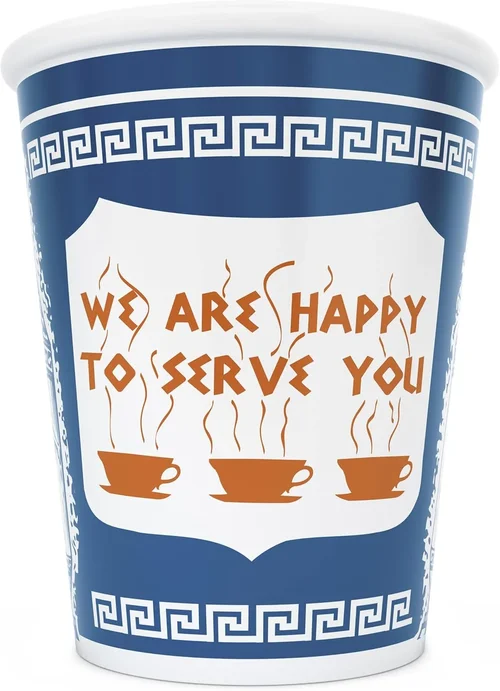
New York City isn’t just a global hub for finance, fashion, and culture—it’s also a coffee capital in its own right. From the corner bodega serving up a no-frills cup of diner-style brew to sleek third-wave roasteries tucked into converted warehouses in Williamsburg or Bushwick, the city offers an astonishing diversity of coffee experiences. Whether you’re a native New Yorker navigating the daily grind or a visitor hoping to taste the city through its espresso, finding that perfect cup can feel overwhelming. With hundreds of cafés, dozens of local roasters, and an ever-evolving landscape of brewing trends, knowing where to start—and what truly matters—can make all the difference between a mediocre morning jolt and a transcendent sipping experience.
That’s exactly why this guide exists. We’ve spent months sipping, sampling, and scrutinizing coffee across all five boroughs, talking to baristas, roasters, and fellow caffeine enthusiasts to distill what makes a truly great cup in NYC. This isn’t just a list of trendy spots—it’s a comprehensive buying guide designed to help you understand the key factors that define quality coffee in one of the world’s most competitive urban markets. You’ll learn how to evaluate everything from bean origin and roast profiles to café ambiance and ethical sourcing, so you can make informed decisions whether you’re grabbing a to-go cup on your commute or settling in for a slow pour-over at a neighborhood gem.
The NYC coffee scene is dynamic, diverse, and deeply personal. Some swear by the bold, smoky espresso at a historic Italian-American café in Little Italy; others chase the floral, tea-like notes of a single-origin Ethiopian pour-over in a minimalist shop in the West Village. There’s no single “best” cup—only the one that aligns with your taste, budget, values, and lifestyle. By the end of this guide, you’ll have the tools to identify what matters most to you and confidently navigate the city’s rich coffee ecosystem like a seasoned local.

What to Look for When Buying Buying Guide
1. Bean Quality & Origin
The foundation of any great cup of coffee starts with the bean itself. In NYC, the difference between a $2 bodega brew and a $7 single-origin pour-over often comes down to sourcing. High-quality beans are typically traceable to specific farms or cooperatives, often grown at high altitudes with ideal climate conditions. Look for cafés that disclose origin details—countries like Ethiopia, Colombia, Kenya, and Guatemala dominate specialty offerings due to their distinct flavor profiles. Ethiopian beans, for example, often exhibit bright citrus and floral notes, while Colombian coffees tend toward balanced sweetness with chocolatey undertones.
Equally important is freshness. Specialty coffee shops in NYC usually roast in small batches and label bags with roast dates. Beans are best consumed within 2–4 weeks of roasting. If a café can’t tell you when their beans were roasted or serves pre-ground coffee without request, it’s a red flag. Whole beans retain volatile aromatic compounds far longer than ground coffee, so grinding just before brewing is essential for peak flavor.
2. Roast Profile & Style
Roasting transforms green coffee beans into the aromatic, flavorful beans we know and love—but not all roasts are created equal. In NYC, you’ll encounter everything from light, fruit-forward roasts favored by third-wave purists to dark, oily espresso blends popular in traditional Italian cafés. Light roasts preserve more of the bean’s inherent characteristics, offering complex acidity and nuanced flavors. Medium roasts strike a balance, often with caramelized sweetness and body. Dark roasts emphasize roast-derived flavors like smokiness and bitterness, which can mask origin subtleties but appeal to those who prefer bold, robust cups.
Pay attention to how a café describes its roasts. Terms like “city roast,” “full city,” or “French roast” hint at darkness, while “light city” or “cinnamon roast” suggest lighter profiles. Many NYC roasters now offer rotating single-origin offerings, so don’t hesitate to ask your barista for recommendations based on your preferences. A good café will gladly guide you toward a roast that matches your taste.
3. Brewing Method & Technique
The way coffee is brewed dramatically impacts its final flavor. In NYC, you’ll find a wide range of methods—from classic drip and French press to precision pour-over, AeroPress, and espresso-based drinks. Each method extracts flavors differently: pour-over (like V60 or Chemex) highlights clarity and acidity, while French press yields a fuller, oilier body. Espresso, when properly pulled, delivers concentrated intensity with a rich crema.
But technique matters just as much as the method. A skilled barista knows how to adjust grind size, water temperature, brew time, and coffee-to-water ratio to optimize extraction. Under-extracted coffee tastes sour and weak; over-extracted coffee is bitter and harsh. In top-tier NYC cafés, you’ll often see baristas weighing beans and water, timing pours, and even calibrating grinders multiple times a day. This attention to detail separates the exceptional from the average.
4. Café Atmosphere & Service
Coffee isn’t just about taste—it’s an experience. The ambiance of a café can elevate your morning ritual or provide a much-needed respite from the city’s hustle. Some New Yorkers prefer minimalist, design-forward spaces with natural light and quiet corners ideal for reading or working. Others gravitate toward cozy, lived-in spots with vinyl records, mismatched furniture, and friendly chatter.
Equally important is service. A knowledgeable, welcoming barista can enhance your visit by offering personalized recommendations, explaining brewing methods, or sharing stories about the beans. Conversely, rushed or indifferent service can sour even the best cup. Look for cafés where staff engage with customers, remember regulars’ orders, and take pride in their craft. In a city where time is currency, feeling seen and valued makes all the difference.
5. Ethical Sourcing & Sustainability
As consumers become more conscious of their impact, ethical sourcing has moved from niche concern to mainstream expectation. Many NYC specialty cafés prioritize direct trade or fair trade relationships with farmers, ensuring fair wages and sustainable practices. Some even publish transparency reports detailing farm partnerships and pricing.
Sustainability extends beyond beans. Eco-conscious cafés use compostable cups, offer discounts for bringing reusable mugs, and minimize waste through precise dosing and recycling programs. Others partner with local farms or donate used coffee grounds to community gardens. Supporting businesses that align with your values not only feels good—it helps shape a more responsible coffee industry.
6. Price vs. Value
Let’s be honest: coffee in NYC isn’t cheap. A basic drip might run $3–$4, while a specialty pour-over can cost $6–$8. But price alone doesn’t determine value. A $5 cup from a meticulous roaster using ethically sourced beans and expert brewing may offer far more satisfaction than a $2 bodega brew that’s been sitting on a warmer for hours.
Consider what you’re paying for: freshness, skill, sustainability, and experience. If you drink coffee daily, investing in higher-quality options can transform your routine. That said, there are still excellent affordable choices—especially if you’re willing to explore lesser-known neighborhoods or visit during off-peak hours when some cafés offer happy-hour pricing.
7. Location & Convenience
In a city built on speed and efficiency, convenience plays a huge role in coffee choices. A café might serve sublime coffee, but if it’s a 20-minute detour from your subway route, it’s unlikely to become your daily stop. Conversely, a spot right next to your office or gym might win by default—even if the coffee is merely decent.
Think strategically about your routine. Are you grabbing coffee on the go, or do you have time to sit and savor? Do you need Wi-Fi and outlets for remote work? Is outdoor seating available? Mapping out your ideal coffee scenario—whether it’s a quick espresso before a meeting or a weekend brunch with friends—can help narrow your options and ensure your choice fits seamlessly into your life.
8. Consistency & Reliability
A café might wow you once with an extraordinary cup, but true excellence lies in consistency. The best NYC coffee spots deliver reliably great coffee day after day, regardless of who’s behind the bar or how busy it is. This requires rigorous training, standardized recipes, and quality control measures.
Pay attention to whether your experience varies drastically between visits. If one day’s latte is perfectly balanced and the next is watery or burnt, the café may lack the systems to maintain standards. Regulars often serve as informal quality inspectors—if locals keep coming back, it’s a strong sign of dependable quality.
Different Types of Buying Guide

Common Buying Mistakes to Avoid
❌ Mistake: Choosing Based Solely on Instagram Aesthetics
Why it’s bad: A beautifully designed café with marble counters and hanging plants might look great in photos, but if the coffee is over-extracted or stale, the experience falls flat. Prioritizing visuals over substance leads to disappointment and wasted money.
What to do instead: Use aesthetics as a bonus, not a deciding factor. Read reviews that mention taste, ask locals for recommendations, and prioritize cafés known for their brewing skills over their decor.
❌ Mistake: Ignoring Roast Dates
Why it’s bad: Coffee begins losing flavor within days of roasting. Beans older than a month often taste flat, papery, or dull—even if they’re from a prestigious origin. Many casual cafés don’t disclose roast dates, hiding potential staleness.
What to do instead: Always ask when the beans were roasted. If the staff can’t answer or seems unsure, consider it a warning sign. Look for cafés that proudly display roast dates on bags or menus.
❌ Mistake: Overlooking Water Quality
Why it’s bad: Coffee is 98% water, so impurities or off-flavors in tap water can ruin even the best beans. Some NYC cafés use unfiltered municipal water, which may contain chlorine or minerals that alter taste.
What to do instead: Choose cafés that use filtered or bottled water for brewing. Many high-end spots invest in advanced filtration systems to ensure pure, balanced extraction.
❌ Mistake: Assuming All “Specialty” Coffee Is Equal
Why it’s bad: The term “specialty” is unregulated and often misused. Some cafés slap the label on mediocre coffee to justify higher prices. Without understanding what makes coffee truly specialty-grade (SCA score of 80+), you risk overpaying for average quality.
What to do instead: Learn the basics of coffee grading and look for cafés that reference the Specialty Coffee Association standards. Ask about cupping scores or farmer partnerships to gauge authenticity.
❌ Mistake: Neglecting Milk Quality in Lattes & Cappuccinos
Why it’s bad: In milk-based drinks, the quality of milk can overshadow the espresso. Low-fat, ultra-pasteurized, or artificially sweetened milk can create a thin, cloying texture that masks the coffee’s nuances.
What to do instead: Opt for cafés that use whole, organic, or locally sourced milk. Some even offer oat, almond, or soy alternatives made with premium plant bases. Taste the difference—it’s often striking.
❌ Mistake: Sticking to One Café Out of Habit
Why it’s bad: Loyalty is great, but NYC’s coffee scene evolves rapidly. New roasters open, menus rotate, and baristas move between shops. Staying in your comfort zone means missing out on emerging gems.
What to do instead: Make it a habit to try one new café per month. Follow local coffee Instagram accounts, attend cupping events, or join coffee meetups to stay informed and inspired.
❌ Mistake: Not Communicating Your Preferences
Why it’s bad: Baristas are trained to tailor drinks, but they can’t read minds. If you prefer less sweetness, stronger extraction, or a specific milk texture, staying silent means settling for a generic experience.
What to do instead: Speak up! Most baristas appreciate informed customers and enjoy the challenge of crafting something personalized. A simple “I like bright, acidic coffees” can guide them perfectly.
Budget Guidelines: How Much Should You Spend?
Entry-Level ($1–$3): This tier covers bodega drip coffee, diner pots, and chain outlets like Dunkin’ or Starbucks. Expect consistent but often bland flavor, with beans that may be pre-ground or stale. Ideal for caffeine seekers on a tight budget or those who prioritize convenience over taste. While not gourmet, these options are reliable for a quick boost.
Mid-Range ($4–$6): The sweet spot for most New Yorkers. Here, you’ll find well-brewed drip coffee, competent espresso, and decent milk drinks at neighborhood cafés and smaller chains. Beans are usually fresh, and baristas have basic training. This range offers great value—good quality without breaking the bank. Perfect for daily drinkers who want reliability and moderate flavor depth.
Premium ($7–$9): Reserved for third-wave specialists and artisanal roasteries. Expect single-origin pour-overs, expertly pulled espresso, and meticulous attention to detail. Prices reflect high-quality beans, skilled labor, and sustainable practices. Ideal for coffee enthusiasts, remote workers treating themselves, or visitors seeking a memorable experience.
Luxury ($10+): Rare but existent—think limited-release microlots, rare processing methods (like anaerobic fermentation), or exclusive collaborations with award-winning farmers. These cups are often served in intimate settings with detailed tasting notes. Best for connoisseurs, special occasions, or those deeply invested in coffee culture.
Expert Tips for Getting the Best Deal
- Visit during off-peak hours: Mornings are busiest—and often most expensive. Try afternoons (2–4 PM) when some cafés discount pastries and drinks to clear inventory.
- Bring your own cup: Most NYC cafés offer $0.25–$0.50 off for reusable mugs. Over time, this adds up—and reduces waste.
- Follow local roasters on social media: Many announce flash sales, new bean drops, or pop-up events with exclusive pricing.
- Ask about subscription services: Some roasteries offer home delivery at reduced rates compared to in-store purchases. Great for regulars who want fresh beans without the trip.
- Check return policies: While rare, some high-end cafés allow you to return unfinished drinks if unsatisfied—especially for pour-overs. It never hurts to ask.
- Test before committing: If a café offers samples or mini-tastings (common at roasteries), take advantage. It’s a low-risk way to explore new flavors.
- Use credit card rewards: Some cards offer cashback or points at coffee shops. Pair this with café loyalty programs for double savings.
- Explore outer boroughs: While Manhattan dominates the spotlight, Brooklyn, Queens, and the Bronx are home to incredible, often more affordable, coffee spots with less hype and better value.
Frequently Asked Questions
Q: What makes NYC coffee different from other cities?
A: NYC’s coffee culture blends tradition and innovation. You’ll find century-old espresso bars alongside cutting-edge nano-roasteries, all within blocks of each other. The city’s density, diversity, and fast pace create a uniquely dynamic environment where quality, speed, and creativity intersect.
Q: Is it worth paying $8 for a cup of coffee?
A: It depends on your priorities. If you value traceability, craftsmanship, and complex flavors, yes—especially if the café sources directly from farmers and employs skilled baristas. But if you just need caffeine, a $3 bodega brew may suffice. Think of it as investing in an experience, not just a beverage.
Q: How can I tell if a café uses fresh beans?
A: Ask for the roast date. Reputable cafés will know it immediately. Also, smell the whole beans—if they lack aroma or smell musty, they’re likely stale. Fresh beans should have a vibrant, fragrant scent.
Q: Are there good coffee options in every NYC neighborhood?
A: Absolutely. While Manhattan and Brooklyn get most of the attention, neighborhoods like Astoria (Queens), Mott Haven (Bronx), and Sunset Park (Brooklyn) boast hidden gems with passionate owners and excellent coffee. Don’t limit yourself to tourist hotspots.
Q: What’s the difference between third-wave and traditional coffee?
A: Third-wave treats coffee as an artisanal product—emphasizing origin, processing, and brewing precision. Traditional coffee focuses on consistency, strength, and cultural ritual (like Italian espresso). Both have merit; it’s about personal preference.
Q: Can I get good coffee to go, or do I need to sit in?
A: Many top cafés offer excellent to-go options, especially for pour-overs and espresso. However, some methods (like siphon or Chemex) are harder to transport without losing heat or aroma. For the best experience, consider drinking on-site when possible.
Q: How important is the barista’s skill?
A: Extremely. Even with perfect beans, a poorly trained barista can over-extract, under-steam milk, or serve at the wrong temperature. Great baristas are both technicians and artists—they elevate the entire experience.
Q: Should I buy beans to brew at home?
A: If you’re serious about quality, yes. Many NYC roasteries sell freshly roasted beans with brewing guides. Home brewing lets you control variables like grind size and water quality, often yielding better results than takeout—and saving money long-term.
Q: Are there ethical concerns with NYC coffee shops?
A: As with any industry, yes. Some cafés prioritize profit over people, underpaying baristas or sourcing beans unethically. Support businesses that disclose wages, farmer partnerships, and sustainability efforts. Your dollar votes for the kind of industry you want.
Q: What’s the best time of year for coffee in NYC?
A: Fall and winter are ideal—cooler weather enhances the comfort of hot drinks, and many roasters release seasonal blends (like holiday spice or cold brew concentrates). Spring brings lighter roasts as new harvest beans arrive from Central and South America.
Our Final Recommendations
Best for Budget-Conscious Buyers: Joe’s Coffee (multiple locations) – Reliable, consistently good drip and espresso at reasonable prices ($3–$5). No frills, but excellent value and widespread availability.
Best Overall Value: Partners Coffee (Brooklyn & Manhattan) – Combines high-quality beans, skilled brewing, and fair pricing ($5–$7). Their rotating single-origin menu offers adventure without extravagance.
Best Premium Option: Sey Coffee (Bushwick) – A pioneer in light-roast excellence, Sey sources rare microlots and brews with scientific precision. Expect to pay $8–$10, but every sip justifies the cost.
Best for Beginners: Bluestone Lane (multiple locations) – Australian-inspired café with approachable menu, clear explanations, and welcoming staff. Great for those new to specialty coffee who want guidance without intimidation.
Best for Advanced Users: Hi-Collar (East Village) – A Japanese-style kissaten serving impeccable siphon-brewed coffee and precise espresso. Ideal for purists who appreciate minimalism, technique, and quiet refinement.
Conclusion: Making the Right Choice
Finding your perfect cup of coffee in New York City isn’t about chasing trends or spending the most money—it’s about understanding what you truly value in your daily ritual. Whether that’s the rich history of a century-old espresso bar, the innovation of a nano-roastery, or the convenience of a corner bodega, your ideal coffee experience is out there. This guide has equipped you with the knowledge to evaluate quality, avoid common pitfalls, and make choices aligned with your taste, budget, and ethics.
Remember, coffee is deeply personal. What delights one person might disappoint another—and that’s okay. The beauty of NYC’s coffee scene lies in its diversity. So explore, ask questions, taste widely, and don’t be afraid to change your mind. Your perfect cup isn’t static; it evolves as you do. Start with curiosity, prioritize quality over hype, and let each sip bring you closer to the coffee that feels like home—even in the heart of the city that never sleeps.