
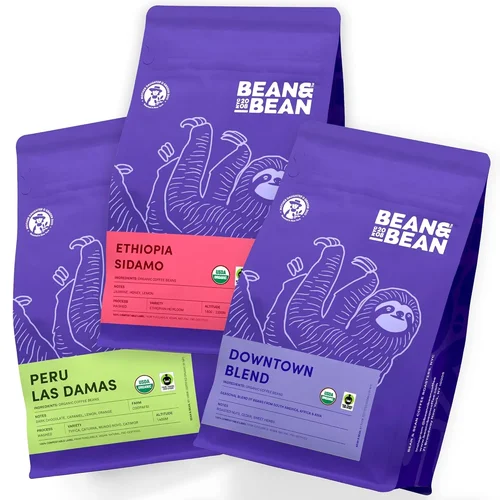
If you’re serious about your coffee—and let’s be honest, if you’re reading this, you probably are—then where you buy your beans matters just as much as how you brew them. In a city like New York, where every corner seems to have a new café or roastery popping up, the sheer number of options can be overwhelming. From tiny neighborhood shops to high-end specialty roasters with global reputations, NYC is a coffee lover’s paradise. But with so many choices, how do you know which spot offers the freshest beans, the best value, and the most authentic experience?
This guide is designed for anyone who wants to cut through the noise and find the absolute best places to buy coffee beans in New York City—whether you’re a casual drinker looking to upgrade your morning routine or a seasoned connoisseur hunting for rare single-origin gems. We’ve spent months visiting roasteries, talking to baristas, analyzing customer reviews, and tasting our way through countless bags of beans to bring you a comprehensive, no-fluff breakdown of where to shop, what to look for, and how to get the most bang for your buck.
You’ll learn how to evaluate freshness, understand roast profiles, compare price points across different tiers, avoid common pitfalls, and even discover hidden gems that locals swear by but tourists rarely find. Whether you prefer light, floral Ethiopian beans or rich, chocolatey Brazilian roasts, this guide will help you make informed decisions based on your taste, budget, and lifestyle. By the end, you’ll not only know where to buy coffee beans in NYC—you’ll know why those spots stand out in a city obsessed with quality, convenience, and craft.
—

What to Look for When Buying Coffee Beans
1. Freshness & Roast Date
When it comes to coffee, freshness isn’t just a nice-to-have—it’s everything. Coffee beans begin losing their aromatic compounds and flavor within days of roasting, especially once the bag is opened. That’s why the single most important factor when buying beans is checking the roast date. A reputable roaster will always stamp the bag with the exact date the beans were roasted. Look for beans roasted within the past two weeks for optimal flavor. Anything older than three weeks starts to lose its vibrancy, and beyond four weeks, you’re likely drinking stale coffee—no matter how fancy the packaging.
In NYC, many top-tier roasters roast small batches daily or multiple times per week, ensuring maximum freshness. Avoid pre-ground coffee at all costs unless you’re brewing immediately; grinding accelerates oxidation and flavor loss. Whole beans retain their integrity far longer. Also, pay attention to packaging: nitrogen-flushed, valve-sealed bags help preserve freshness by keeping oxygen out while allowing carbon dioxide to escape. If a shop doesn’t display roast dates prominently or seems evasive when asked, that’s a red flag.
2. Origin & Bean Variety
Coffee isn’t a one-size-fits-all product. The region where beans are grown dramatically impacts flavor. Ethiopian beans often offer bright, wine-like acidity with notes of blueberry or jasmine. Colombian coffees tend toward balanced sweetness with caramel and citrus undertones. Guatemalan beans might bring deep chocolate and smoky spice, while Kenyan varieties explode with black currant and tomato-like brightness. Understanding origin helps you choose beans that align with your palate.
In NYC, many roasters highlight single-origin offerings—beans sourced from one farm or cooperative—which allow you to taste the unique terroir of a specific region. Others blend beans from multiple origins to create consistent, complex profiles (like a classic espresso blend). Don’t assume single-origin is always better; some blends are masterfully crafted to deliver harmony and depth. What matters is transparency: a good roaster will tell you not just the country, but often the farm, altitude, processing method (washed, natural, honey), and even the varietal (e.g., Bourbon, Typica, Gesha).
3. Roast Level & Profile
Roast level dramatically changes how coffee tastes. Light roasts preserve the bean’s inherent characteristics—think floral, fruity, tea-like notes—and are ideal for pour-over or drip methods. Medium roasts strike a balance, offering body and sweetness while retaining some origin character, making them versatile for most brew methods. Dark roasts emphasize bold, smoky, sometimes bitter flavors, often masking origin nuances but delivering rich crema for espresso.
NYC roasters run the gamut: some specialize in Nordic-style light roasts that highlight acidity and clarity, while others lean into Italian-inspired dark roasts for traditional espresso lovers. Your preference depends on how you brew and what you enjoy drinking. If you’re new to specialty coffee, start with medium roasts—they’re forgiving and widely appealing. But don’t be afraid to experiment. Many shops offer sample tastings or small-batch releases so you can try before committing to a full bag.
4. Ethical Sourcing & Sustainability
Today’s coffee drinkers care deeply about where their beans come from—and rightfully so. Ethical sourcing means farmers are paid fairly, working conditions are safe, and environmental practices are sustainable. Look for certifications like Fair Trade, Rainforest Alliance, or Direct Trade (where roasters build long-term relationships with growers). However, certifications aren’t everything: some of the best NYC roasters bypass third-party labels and instead publish detailed sourcing stories on their websites, including farmer interviews, farm photos, and pricing transparency.
Sustainability also extends to packaging and operations. More roasters are switching to compostable or recyclable bags, reducing plastic use, and sourcing renewable energy. Supporting businesses that prioritize people and planet ensures your morning cup doesn’t come at someone else’s expense—or the Earth’s.
5. Price & Value Proposition
Coffee prices in NYC can vary wildly—from $12 for a basic blend at a corner bodega to $35+ for a limited-release Gesha from a microlot farm in Panama. But price doesn’t always equal quality. A $20 bag of well-roasted, ethically sourced beans may taste far better than a $30 bag that’s over-roasted or stale. Focus on value: how much flavor, freshness, and craftsmanship you’re getting per dollar.
Consider cost per ounce. A 12-ounce bag for $18 equals $1.50/oz; an 8-ounce bag for $16 is $2.00/oz. Also factor in brewing method: if you drink mostly espresso, you’ll go through beans faster than someone who brews French press once a day. Budget accordingly. And remember—buying in bulk (e.g., 2 lbs at a time) often saves money, but only if you can consume it before it loses freshness.
6. Roaster Reputation & Expertise
Not all roasters are created equal. Some are passionate artisans who cup hundreds of samples before choosing a batch; others treat roasting as a commodity. In NYC, reputation matters. Look for roasters with awards (like Golden Bean or Good Food Awards), featured in publications like Sprudge or Barista Magazine, or staffed by certified Q Graders (coffee quality professionals). These signals indicate a commitment to excellence.
Visit the roastery if possible. Observe the equipment—do they use modern, well-maintained roasters? Is the space clean and organized? Talk to the staff: knowledgeable baristas or roasters can guide you based on your taste preferences and brewing setup. A great roaster doesn’t just sell beans—they educate and build community.
7. Convenience & Accessibility
Even the best beans aren’t worth it if you can’t get them regularly. Consider location: is the shop near your home, office, or subway route? Do they offer online ordering with fast shipping? Many NYC roasters now ship same-day within the city or next-day nationwide. Subscription services are also popular—set it and forget it, with fresh beans delivered weekly or biweekly.
Some shops offer loyalty programs, discounts for repeat customers, or free tastings. Others partner with local cafes so you can try their coffee before buying beans. Convenience shouldn’t override quality, but it’s a legitimate factor—especially in a fast-paced city where time is precious.
8. Customer Experience & Support
Great coffee starts with great service. How do staff respond when you ask questions? Are they helpful without being pushy? Do they offer brewing tips or recipe suggestions? Can you return or exchange beans if you don’t like them? Top NYC roasters stand behind their products and want you to succeed.
Online reviews matter too—but read between the lines. One bad review among dozens of glowing ones might reflect a personal taste mismatch, not poor quality. Look for patterns: consistent praise for freshness, flavor, or customer service is a strong indicator of reliability.
—
Different Types of Coffee Bean Retailers in NYC

—
Common Buying Mistakes to Avoid
❌ Mistake: Ignoring the Roast Date
Why it’s bad: Buying beans without checking the roast date is like buying milk without checking the expiration—you risk drinking stale, flavorless coffee. Many mass-market brands omit roast dates entirely, relying on “best by” dates that can be months after roasting.
What to do instead: Always ask for or look for the roast date. If it’s not listed, assume the beans are old. Stick to roasters who prioritize transparency.
❌ Mistake: Choosing Based Solely on Price
Why it’s bad: Cheap beans often mean poor quality, stale inventory, or unethical sourcing. Conversely, expensive doesn’t always mean better—some brands markup heavily for packaging or celebrity endorsements.
What to do instead: Evaluate value, not just cost. Compare price per ounce, freshness, origin details, and customer reviews. Sometimes mid-range options offer the best balance.
❌ Mistake: Buying Pre-Ground Coffee
Why it’s bad: Pre-ground coffee loses aroma and flavor within minutes of grinding. Even if labeled “freshly ground,” it’s almost always days or weeks old.
What to do instead: Buy whole beans and grind them just before brewing. Invest in a decent burr grinder ($50–$150)—it’s one of the best upgrades you can make.
❌ Mistake: Overlooking Brewing Method Compatibility
Why it’s bad: A light roast ideal for pour-over will taste sour and under-extracted in an espresso machine. Conversely, a dark espresso roast may be too bitter for French press.
What to do instead: Match your beans to your brewer. Ask roasters for recommendations based on your setup, or look for bags labeled “espresso,” “filter,” or “all-purpose.”
❌ Mistake: Not Tasting Before Committing
Why it’s bad: Flavor is subjective. What tastes amazing to one person might be unpleasant to another. Buying a full bag without sampling is a gamble.
What to do instead: Visit cafes that serve the roaster’s coffee. Many shops offer small sample packs or let you taste brewed cups. Some even sell 2-oz trial sizes.
❌ Mistake: Storing Beans Improperly
Why it’s bad: Exposure to air, light, heat, or moisture accelerates staling. Keeping beans in the fridge or freezer can cause condensation and flavor loss.
What to do instead: Store beans in an airtight container in a cool, dark cupboard. Use within 2–3 weeks of opening. Never refrigerate or freeze unless storing long-term (and even then, vacuum-seal first).
❌ Mistake: Falling for Fancy Packaging
Why it’s bad: Glossy bags, gold foil, and elaborate designs don’t guarantee quality. Some brands spend more on marketing than on sourcing or roasting.
What to do instead: Focus on substance: roast date, origin, processing method, and roaster reputation. Simple, functional packaging often signals a roaster who prioritizes beans over branding.
—
Budget Guidelines: How Much Should You Spend?
Entry-Level ($10–$15 per 12 oz):
At this price point, expect decent quality but limited freshness and traceability. These beans are often roasted in larger batches and may sit on shelves for weeks. Best for casual drinkers or those on tight budgets. Look for local roasters at farmers markets or smaller chains like Joe Coffee (their house blends). Avoid supermarket brands unless they clearly list roast dates.
Mid-Range ($16–$22 per 12 oz):
This is the sweet spot for most NYC coffee lovers. You’ll find freshly roasted, single-origin and blended options from reputable local roasters like Sey Coffee, Birch Coffee, or Café Grumpy. Beans are typically roasted within the past week, with clear origin info and ethical sourcing. Ideal for daily drinking with room to explore different profiles.
Premium ($23–$30 per 12 oz):
Here, you’re paying for excellence: microlot beans, experimental processing (like anaerobic fermentation), and small-batch roasting. Roasters like Variety Coffee, Partners Coffee, and Abraço offer limited releases with detailed tasting notes. Perfect for enthusiasts who want to experience coffee as a craft beverage.
Luxury ($30+ per 12 oz):
Reserved for rare varieties like Geisha, auction-winning lots, or hyper-seasonal offerings. These beans often come from renowned farms in Panama, Ethiopia, or Colombia and are roasted to highlight extreme clarity and complexity. Only worth it if you’re a true connoisseur or hosting a special occasion. Examples include Stumptown’s Reserve line or La Cabra’s exclusive drops.
—
Expert Tips for Getting the Best Deal
– Buy Direct from Roasters: Cut out the middleman. Many NYC roasters offer online ordering with free local delivery or in-store pickup. You’ll often get fresher beans and better prices than through third-party retailers.
– Subscribe for Savings: Most specialty roasters offer 10–15% off subscriptions. Set a delivery schedule that matches your consumption (e.g., every 2 weeks for a 12-oz bag). Plus, you’ll never run out.
– Shop Seasonally: New harvests arrive at different times—Ethiopian beans in fall, Central Americans in winter/spring. Roasters often discount older stock to make room, so you can snag great deals on last season’s favorites.
– Attend Tastings & Events: Many shops host free cupping sessions or brewing workshops. It’s a low-pressure way to sample multiple coffees and learn what you like—plus, attendees often get exclusive discounts.
– Check Return Policies: Reputable roasters stand by their product. If you don’t like a bag, ask about exchanges or refunds. Most will accommodate honest feedback.
– Buy in Bulk (Wisely): Purchasing 2 lbs at once can save 10–20%. Just ensure you can consume it within 3–4 weeks. Split larger bags into smaller, airtight portions if needed.
– Follow on Social Media: Roasters often announce flash sales, limited releases, or pop-up events first on Instagram or Twitter. Turn on notifications for your favorites.
– Compare Online vs. In-Store: Sometimes online prices are lower due to lower overhead. But in-store visits let you smell, ask questions, and support local businesses directly.
—

Frequently Asked Questions
Q: How long do coffee beans stay fresh?
A: Whole beans stay peak-fresh for about 2–3 weeks post-roast if stored properly. After opening, use within 1–2 weeks for best flavor. Ground coffee loses freshness much faster—within days.
Q: Should I buy light or dark roast?
A: It depends on your taste and brewing method. Light roasts highlight origin flavors and work well for pour-over; dark roasts offer boldness for espresso. Try both and see what you prefer.
Q: Are expensive beans always better?
A: Not necessarily. Price reflects rarity, processing, and branding—not just taste. A $20 bag from a skilled local roaster can outperform a $30 imported brand. Focus on freshness and roast quality.
Q: Can I freeze coffee beans to make them last longer?
A: Only if you’re storing them long-term (months). Freezing causes condensation, which damages flavor. If you must freeze, vacuum-seal in small portions and thaw completely before opening.
Q: What’s the difference between single-origin and blend?
A: Single-origin comes from one region/farm, showcasing unique terroir. Blends combine multiple origins for balance, consistency, or complexity (like classic espresso blends).
Q: Do I need a special grinder?
A: Yes—for great coffee, invest in a burr grinder. Blade grinders create uneven particles, leading to bitter or sour brews. Even a basic burr grinder ($50+) makes a huge difference.
Q: How do I know if a roaster is ethical?
A: Look for transparency: do they name farms? Share farmer stories? Publish pricing? Certifications help, but direct relationships often matter more than labels.
Q: Where can I find rare or exotic beans in NYC?
A: Check out roasters like Sey Coffee (Brooklyn), Variety Coffee (multiple locations), or Abraço (East Village). They frequently offer limited releases from award-winning farms.
Q: Is it worth joining a coffee subscription?
A: Absolutely—if you drink coffee regularly. Subscriptions ensure freshness, introduce you to new beans, and often save money. Just choose a frequency that matches your usage.
Q: What’s the best way to store coffee at home?
A: Keep whole beans in an airtight container away from light, heat, and moisture. A cool, dark cupboard is ideal. Avoid clear containers—they let in light.
—
Our Final Recommendations
– Best for Budget-Conscious Buyers: Birch Coffee – Offers solid house blends under $16 with clear roast dates and friendly service. Great for daily drinking without breaking the bank.
– Best Overall Value: Sey Coffee (Brooklyn) – Consistently fresh, beautifully roasted single-origins and blends. Transparent sourcing, knowledgeable staff, and a cozy tasting room. Priced fairly at $18–$24.
– Best Premium Option: Variety Coffee – Known for impeccable quality, innovative processing, and stunning light-roast profiles. Their seasonal releases are worth the splurge ($22–$30).
– Best for Beginners: Café Grumpy – Approachable flavors, clear labeling, and multiple locations make it easy to explore. Their “All-Purpose” blend works for any brew method.
– Best for Advanced Users: Partners Coffee – For those who geek out over processing methods and micro-lots. Their detailed tasting notes and experimental offerings cater to serious palates.
—
Conclusion: Making the Right Choice
Finding the best place to buy coffee beans in NYC isn’t about chasing the most expensive bag or the trendiest name—it’s about aligning your purchase with your values, taste, and lifestyle. Whether you prioritize freshness, ethics, convenience, or pure flavor, the city offers something for every coffee lover. Use this guide to ask the right questions, avoid common traps, and discover roasters who truly care about what goes into your cup.
Remember, great coffee starts with great beans—but it’s also about the journey. Take time to explore, taste, and connect with the people behind the roast. Your morning ritual deserves that attention. So go ahead: grab a bag from a local roaster, grind it fresh, and savor every sip. The perfect cup is closer than you think.