
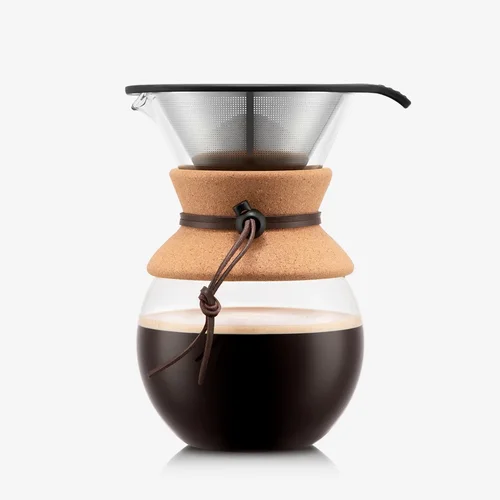
If you’re serious about coffee in New York City, you already know that the pour-over method isn’t just a trend—it’s a craft. In a city where every corner seems to boast a third-wave roaster or a minimalist café with a Japanese gooseneck kettle behind the counter, mastering the art of pour-over coffee at home has become both a practical skill and a form of daily ritual. Whether you’re a Brooklyn transplant sipping single-origin Ethiopian beans on your fire escape or a Manhattanite brewing a clean cup before your morning subway commute, the right equipment can make all the difference between a decent brew and a transcendent one.
This guide is designed for anyone who wants to elevate their home coffee experience using the pour-over method—especially those navigating the unique landscape of NYC living. Space is tight, budgets vary, and time is precious. That’s why choosing the right pour-over setup isn’t just about flavor; it’s about fit. You’ll learn how to balance performance, aesthetics, durability, and cost to find a system that works for your lifestyle, kitchen size, and palate. From compact drippers ideal for studio apartments to precision kettles that rival professional barista tools, we’ll walk you through every critical decision point.
The market for pour-over coffee gear has exploded in recent years, driven by the global rise of specialty coffee culture and the accessibility of high-quality beans online and in local shops. Brands like Hario, Kalita, Chemex, and Fellow have become household names among urban coffee lovers, while boutique manufacturers and local artisans offer handcrafted ceramic drippers and custom filters. With so many options—and so much conflicting advice—it’s easy to feel overwhelmed. But don’t worry: this guide cuts through the noise. We’ll help you understand what truly matters when selecting your pour-over setup, avoid common pitfalls, and ultimately invest in gear that delivers consistent, delicious results day after day.

What to Look for When Buying Buying Guide
1. Budget & Price Range
Your budget will shape nearly every other decision in your pour-over journey. Entry-level setups can start as low as $20 for a basic plastic dripper and paper filters, while premium kits with precision kettles, scales, and hand-thrown ceramic drippers can easily exceed $300. The key is to align your spending with your commitment level. Are you experimenting casually, or are you ready to treat coffee like a craft? In NYC, where many people live in small spaces and prioritize value, it’s wise to start modestly and upgrade incrementally. A $50–$80 investment often gets you a solid foundation: a reliable dripper, decent kettle, and go-to filters. Avoid the temptation to buy the cheapest option outright—poor heat retention, inconsistent flow, or flimsy construction will frustrate you faster than stale beans.
2. Performance Specifications
Performance in pour-over coffee comes down to control: control over water temperature, flow rate, brew time, and extraction uniformity. Look for gear that enhances these variables. For example, a gooseneck kettle with a narrow spout allows precise pouring, which is essential for even saturation and avoiding channeling. Temperature stability matters too—water should stay near the ideal 195°F–205°F range throughout the brew. Some kettles feature built-in thermometers or electric heating elements that maintain temp, while others rely on stovetop heating and quick pouring. Similarly, drippers with specific design features—like Kalita’s flat-bottomed wave design or Hario’s conical V60—affect flow dynamics and extraction. Always consider how the specs translate to real-world brewing: does it brew evenly? Can you repeat your favorite recipe consistently?
3. Build Quality & Durability
In a city where appliances get moved, stored, and used daily, durability is non-negotiable. Cheap plastic drippers may warp or crack over time, while thin glass can shatter if mishandled (a real risk in cramped NYC kitchens). Opt for borosilicate glass, high-fired ceramic, or food-grade stainless steel—materials known for thermal stability and longevity. Kettles should have reinforced handles, secure lids, and rust-resistant finishes. Pay attention to seams, joints, and filter compatibility; poorly designed products lead to leaks, clogs, or inconsistent brews. A well-made pour-over setup should last years, not months. Think of it as an investment in your daily ritual—one that pays dividends in flavor and reliability.
4. Features & Functionality
Modern pour-over gear offers a range of features that can simplify or enhance your process. Electric gooseneck kettles with variable temperature control (like those from Fellow or Bonavita) let you dial in exact temps for different beans—light roasts often need hotter water than dark ones. Integrated scales with timers help you follow recipes precisely, which is crucial for dialing in new coffees. Some drippers include built-in filters or reusable mesh screens, reducing waste and cost over time. Others offer modular designs—like stackable brewers or collapsible kettles—that save precious counter or cabinet space. Consider which features align with your routine: do you value speed, precision, sustainability, or minimalism? The best functionality is the kind you’ll actually use every day.
5. Brand Reputation
Not all brands are created equal. Established names like Hario (Japan), Kalita (Japan), and Chemex (USA) have decades of heritage and consistent quality control. They’re trusted by professionals and home brewers alike. Newer brands like Fellow (USA) and Timemore (China) have gained rapid popularity for innovative designs and smart engineering. Research user feedback, especially from urban dwellers with similar constraints (small kitchens, hard water, limited storage). Be wary of generic “Amazon-only” brands with inflated ratings—they often cut corners on materials or customer support. A reputable brand typically offers better warranties, replacement parts, and responsive service—critical if something breaks mid-brew on a Monday morning.
6. Warranty & Support
A good warranty signals confidence in a product’s longevity. Most reputable pour-over brands offer at least a 1-year warranty on kettles and drippers, with some extending to 2–3 years. Check what’s covered: manufacturing defects, cracking, electrical issues (for electric kettles), or handle failures. Also consider customer support—can you easily reach someone via email or chat? Are replacement filters or gaskets readily available? In NYC, where shipping delays can happen and local repair options are scarce, strong post-purchase support matters. Some brands even offer filter subscription services or troubleshooting guides, which add value beyond the initial purchase.
7. Size & Portability
New Yorkers know space is a luxury. Your pour-over setup should fit comfortably on a small countertop, tuck into a narrow cabinet, or even travel with you (think weekend trips upstate or stays in friend’s apartments). Compact drippers like the Kalita Mini or Hario Olive Wood V60 are ideal for studios. Collapsible silicone kettles or nesting brew kits save room when not in use. If you’re frequently on the move, consider lightweight options—but don’t sacrifice stability. A wobbly dripper on a tiny café table is a recipe for spills. Measure your available space before buying, and prioritize multi-functional gear (e.g., a kettle that doubles as a server) to maximize efficiency.
8. User Reviews & Ratings
Never rely solely on marketing claims. Real user reviews—especially detailed ones with photos or videos—reveal how a product performs in everyday conditions. Look for patterns: do multiple users mention leaking? Is the scale inaccurate? Does the ceramic crack after a few months? Platforms like Reddit’s r/Coffee, YouTube brewing channels, and specialty forums often provide honest, nuanced feedback. Pay extra attention to reviews from people in similar living situations (urban, small kitchens, hard water areas). Also note how brands respond to complaints—do they offer replacements or dismiss concerns? A product with 4.8 stars but dozens of unresolved issues is riskier than one with 4.5 stars and transparent support.
Different Types of Buying Guide

Common Buying Mistakes to Avoid
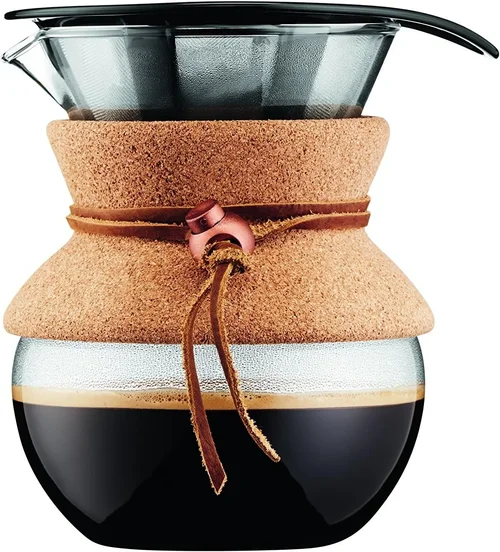
❌ Mistake: Prioritizing Aesthetics Over Function
Why it’s bad: A beautiful ceramic dripper might look stunning on your Instagram feed, but if it doesn’t brew evenly or fits poorly on your mug, you’ll regret the purchase within days. In NYC, where counter space is limited and functionality reigns supreme, form must follow function.
What to do instead: Choose gear that balances visual appeal with practical performance. Test compatibility with your cups, check pour stability, and read brewing reviews—not just unboxing photos.
❌ Mistake: Skipping the Scale
Why it’s bad: Eyeballing coffee and water ratios leads to inconsistent results. One day your brew is sour, the next it’s bitter—all because you guessed the dose. Precision is the backbone of great pour-over coffee.
What to do instead: Invest in a affordable digital scale (even a $20 one works). Weigh your beans and water every time. You’ll dial in recipes faster and waste less coffee.
❌ Mistake: Buying a Wide-Spout Kettle
Why it’s bad: Standard kettles with wide spouts make controlled pouring nearly impossible. You’ll end up oversaturating grounds, creating uneven extraction, and likely spilling hot water—especially in tight kitchen setups.
What to do instead: Always choose a gooseneck kettle. Even budget models like the Hario Buono offer vastly better control than regular kettles.
❌ Mistake: Ignoring Water Quality
Why it’s bad: NYC tap water is generally safe but can be hard or chlorinated, affecting taste. Using unfiltered water masks the nuances of high-quality beans and can lead to off-flavors.
What to do instead: Use filtered water (Brita, Pur, or bottled spring water). It’s a small step that dramatically improves clarity and sweetness in your cup.
❌ Mistake: Overlooking Filter Compatibility
Why it’s bad: Not all filters fit all drippers. Using the wrong size causes leaks, clogs, or uneven brewing. Some brands (like Kalita) require proprietary filters, which can be harder to find locally.
What to do instead: Confirm filter availability before buying. Stock up on extras, or consider reusable options if you hate running out mid-brew.
❌ Mistake: Buying Everything at Once
Why it’s bad: Jumping into a $300 setup without understanding your preferences leads to buyer’s remorse. You might discover you prefer slower brews (favoring Kalita) over fast ones (V60), making your expensive conical dripper obsolete.
What to do instead: Start with a basic dripper and kettle, then add a scale, better grinder, or upgraded kettle as you learn what matters most to you.
❌ Mistake: Neglecting Grind Consistency
Why it’s bad: Even the best pour-over gear can’t compensate for a bad grind. Blade grinders create uneven particles, leading to over- and under-extraction in the same cup.
What to do instead: Invest in a burr grinder early. Manual options like the Timemore C2 or Hario Skerton are affordable and effective for NYC budgets.
Budget Guidelines: How Much Should You Spend?
Entry-Level ($20–$50): Perfect for beginners or occasional brewers. Expect a basic plastic or ceramic dripper (Hario V60 or Kalita Wave), standard gooseneck kettle (stovetop), and paper filters. You’ll get decent results but may struggle with temperature control and consistency. Ideal for testing your interest before committing more.
Mid-Range ($50–$120): The sweet spot for most NYC coffee lovers. Includes a quality dripper (ceramic or glass), a reliable gooseneck kettle (Hario Buono or similar), a digital scale, and possibly a hand grinder. This tier offers excellent value, durability, and brewing precision—enough to explore different beans and recipes confidently.
Premium ($120–$250): For enthusiasts who treat coffee as a daily craft. Features electric gooseneck kettles with temperature control (Fellow Stagg EKG, Bonavita), high-end drippers (handmade ceramics, precision-molded glass), and integrated scales. Expect superior build quality, repeatability, and often sleek designs that double as kitchen decor.
Luxury ($250+): Reserved for professionals or serious collectors. Includes custom artisan drippers, titanium kettles, laboratory-grade scales, and配套 grinders. While not necessary for great coffee, these tools offer极致 precision and aesthetic satisfaction—ideal if you’re hosting tastings or documenting your brews online.
Expert Tips for Getting the Best Deal
- Buy during off-seasons: Coffee gear sales peak around Black Friday and holiday seasons, but you can also find deals in late winter (January–February) when retailers clear inventory.
- Shop local first: Support NYC-based roasters and gear shops. They often have exclusive bundles, loyalty programs, and knowledgeable staff who can demo products.
- Check refurbished options: Brands like Fellow and Bonavita sell certified refurbished kettles at 20–30% off—fully tested and warrantied.
- Read return policies carefully: Some online retailers charge restocking fees or won’t accept returns on used brewers. In-store purchases let you test fit and feel.
- Join coffee communities: Reddit’s r/Coffee, local Meetup groups, or Instagram communities often share discount codes or flash sales.
- Consider secondhand: Facebook Marketplace, Craigslist, or Buy Nothing groups sometimes have barely-used gear at half price—just sanitize thoroughly.
- Bundle with beans: Many roasteries offer “brewer + beans” packages. You get fresh coffee and save on shipping.
- Test before you commit: Visit cafes that use the gear you’re considering. If you love the cup they serve with a Kalita Wave, that’s a strong signal it might work for you.

Frequently Asked Questions
Q: Do I really need a gooseneck kettle for pour-over?
A: Yes—if you want control. The narrow spout allows slow, circular pouring, which ensures even saturation of coffee grounds. Without it, you risk channeling (water cutting through the bed) and uneven extraction, leading to bitter or sour cups.
Q: Can I use a regular mug with any dripper?
A: Not always. Some drippers (like the V60) have wide bases that don’t fit standard mugs. Check the dripper’s diameter and your mug’s rim. Many brewers use a server or carafe underneath, or opt for drippers designed to sit directly on mugs (e.g., Kalita Mini).
Q: Are paper filters worth the cost?
A: Absolutely. High-quality paper filters (like Hario or Kalita) remove oils and fines, resulting in a cleaner, brighter cup. Reusable mesh filters are eco-friendly but can impart metallic tastes and allow more sediment. It’s a trade-off between sustainability and clarity.
Q: How often should I clean my pour-over gear?
A: After every use. Rinse the dripper and kettle immediately to prevent coffee oils from building up. Deep-clean weekly with a mild vinegar solution or specialized coffee cleaner (like Cafiza) to remove mineral deposits—especially important in NYC’s hard water areas.
Q: Is a scale necessary if I’m just brewing for myself?
A: Highly recommended. Even small ratio changes (e.g., 15g vs. 16g of coffee) affect strength and flavor. A scale ensures consistency, which is key to improving your technique and enjoying your beans to their fullest.
Q: Can I brew multiple cups at once with pour-over?
A: Yes, but it requires larger drippers (like the Chemex or Kalita 185) and adjusted recipes. Most single-cup drippers (V60-02, Kalita 155) max out at ~350ml. For guests, consider a larger brewer or brewing sequentially.
Q: What’s the best grind size for pour-over?
A: Medium-fine, similar to table salt. Too coarse, and the brew will be weak; too fine, and it’ll over-extract and taste bitter. Adjust based on brew time—aim for 2:30 to 3:30 minutes total.
Q: Do I need to pre-wet the filter?
A: Yes. Rinsing the filter removes paper taste and preheats the dripper, stabilizing brew temperature. Use hot water from your kettle, then discard the rinse water before adding coffee.
Q: Are electric kettles safer than stovetop in small NYC apartments?
A: Generally yes—they auto-shut off and reduce the risk of leaving a burner on. However, ensure yours has a cool-touch handle and stable base. Always follow manufacturer guidelines and avoid overfilling.
Q: Where can I buy pour-over gear in NYC?
A: Try Sey Coffee (Williamsburg), Sweetleaf (Long Island City), Abraço (East Village), or Porto Rico Importing Co. (East Village). Online, Blue Bottle, Prima Coffee, and Fellow’s website offer fast shipping and expert support.
Our Final Recommendations
Best for Budget-Conscious Buyers: Hario V60-02 (ceramic) + Hario Buono Gooseneck Kettle + Timemore C2 Grinder. This trio delivers exceptional value under $100. The V60 highlights bright, complex flavors, the Buono offers solid pour control, and the C2 provides consistent grinding—perfect for NYC newcomers.
Best Overall Value: Kalita Wave 155 (glass) + Fellow Stagg EKG Gooseneck Kettle + Acaia Lunar Scale. At around $200, this setup balances precision, durability, and ease of use. The flat-bottom Wave forgives imperfect pours, while the EKG’s temp control and scale integration make recipe replication effortless.
Best Premium Option: Custom ceramic dripper (e.g., from Brooklyn’s The Pottery Studio) + Fellow Stagg EKG + Baratza Encore Conical Burr Grinder. For those who view coffee as art, this组合 offers手工 craftsmanship, professional-grade tools, and unparalleled consistency—ideal for discerning palates and small-batch experimentation.
Best for Beginners: Kalita Wave 155 Starter Kit (includes dripper, filters, and server). Kalita’s design is more forgiving than conical drippers, making it ideal for learning proper pouring technique without frustration. Pair with a basic gooseneck kettle and you’re set.
Best for Advanced Users: Hario V60-02 (copper or glass) + Brewista Smart Pour Kettle + Precision scale with timer. Copper conducts heat beautifully for temperature stability, while the Brewista offers multiple presets and flow control—perfect for dialing in rare single-origin beans with surgical precision.
Conclusion: Making the Right Choice
Choosing the best pour-over coffee setup in NYC isn’t just about buying gear—it’s about crafting a ritual that fits your life. Whether you’re brewing in a 300-square-foot apartment or a sunlit Brooklyn loft, the right tools will transform your morning cup from a chore into a moment of focus, flavor, and calm. Remember: start simple, prioritize control and consistency, and don’t let aesthetics overshadow function. Invest in quality where it matters most—your kettle, scale, and grinder—and upgrade your dripper as your palate evolves.
New York moves fast, but great coffee rewards patience. Take the time to experiment, taste, and refine. Your perfect pour-over setup is out there—it’s the one that makes you look forward to waking up, even on a rainy Tuesday in February. So grab your beans, fire up your kettle, and brew with intention. The city’s best coffee doesn’t just come from its cafes—it starts in your kitchen, one precise pour at a time.