
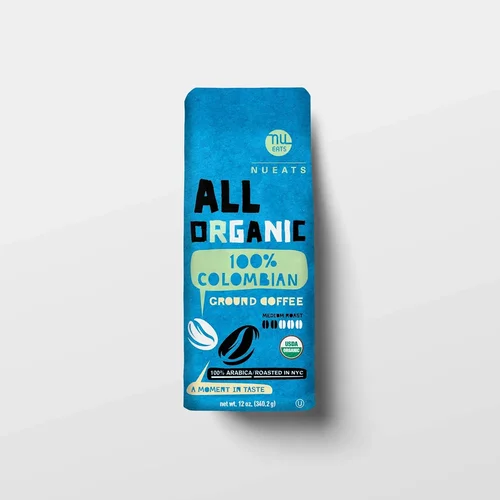
New York City doesn’t just wake up with coffee—it thrives on it. From the hurried barista pouring a double shot at 6 a.m. to the third-wave roaster meticulously dialing in a pour-over for a discerning customer, coffee in NYC is more than a beverage; it’s a culture, a ritual, and for many, a daily necessity. But with hundreds of cafés, pop-ups, roasteries, and delivery services vying for your attention, finding truly exceptional specialty coffee can feel overwhelming. That’s where this guide comes in.
Whether you’re a local looking to upgrade your morning brew, a visitor seeking the city’s most authentic coffee experiences, or someone shopping for beans to enjoy at home, this comprehensive buying guide is designed to cut through the noise. We’ll walk you through what makes specialty coffee truly “special,” how to evaluate quality, where to find the best roasters and cafés across the five boroughs, and how to make smart purchasing decisions—whether you’re buying a single cup or a five-pound bag of single-origin beans. You’ll learn how to spot quality, avoid common pitfalls, understand pricing tiers, and ultimately discover the coffee that best fits your taste, lifestyle, and budget.
The NYC specialty coffee scene has evolved dramatically over the past decade. Once dominated by chains and diner-style drip, the city now boasts a thriving ecosystem of independent roasters, skilled baristas, and passionate coffee educators. From Williamsburg to Harlem, Bushwick to the Financial District, you’ll find cafés that source directly from farmers, roast in-house with precision, and serve coffee with intention. But with so much choice comes confusion. Not all “specialty” coffee is created equal, and not every trendy spot delivers on its promises. This guide will help you navigate the landscape with confidence, armed with expert insights and real-world experience.

What to Look for When Buying Specialty Coffee
1. Bean Origin & Traceability
One of the most important indicators of quality specialty coffee is transparency about origin. True specialty roasters will tell you exactly where their beans come from—down to the farm, cooperative, or region. Look for details like country (e.g., Ethiopia, Colombia, Guatemala), specific farm or producer name, altitude, processing method (washed, natural, honey), and harvest date. This level of traceability ensures the coffee was grown and processed with care and often supports ethical farming practices.
For example, a bag labeled simply “Colombian” is less informative than one that says “Finca El Paraiso, Huila, Colombia, 1,800 meters, washed process, harvested November 2023.” The latter tells you the coffee was grown at high altitude (which typically means slower maturation and more complex flavors), processed cleanly, and is relatively fresh. Specialty coffee thrives on storytelling—each bean has a journey, and the best roasters share that story with pride.
2. Roast Date (Not Just “Best By”)
Freshness is non-negotiable in specialty coffee. Unlike commercial brands that rely on long shelf life, specialty coffee peaks in flavor within days to weeks of roasting. Always look for a roast date on the packaging—not just a “best by” or “use by” date. Coffee begins to lose its aromatic compounds and nuanced flavors within 4–6 weeks of roasting, and stale coffee tastes flat, dull, or even cardboard-like.
Ideally, you want beans roasted within the past two weeks, especially if you’re brewing methods like pour-over, French press, or espresso that highlight subtle flavor notes. Many top NYC roasters roast to order or in small batches multiple times per week. If a café or online store doesn’t list roast dates, that’s a red flag. Don’t be afraid to ask—reputable roasters will gladly share this information.
3. Roasting Style & Profile
Roasting transforms green coffee beans into the aromatic, flavorful beans we know and love. But not all roasts are equal. Specialty coffee emphasizes roast profiles that highlight the inherent qualities of the bean, rather than masking them with heavy, dark roasting. Light to medium roasts are common in specialty coffee because they preserve the origin characteristics—fruity, floral, citrusy, or tea-like notes—that make each coffee unique.
Avoid roasters who default to dark roasts unless you specifically prefer bold, smoky flavors. While dark roasts can be enjoyable, they often overpower the delicate nuances that make specialty coffee special. Look for roasters who offer a range of profiles and can explain how their roasting enhances the bean’s natural attributes. Some NYC roasters even offer “light roast espresso” or “single-origin espresso” to showcase terroir in milk-based drinks—a sign of advanced craftsmanship.
4. Grind & Brewing Method Compatibility
Even the best beans can be ruined by improper grinding. The grind size must match your brewing method: coarse for French press, medium for drip, fine for espresso, and extra-fine for Turkish. Buying pre-ground coffee is convenient but often leads to stale, inconsistent results because grinding exposes more surface area to air, accelerating oxidation.
If you’re brewing at home, invest in a quality burr grinder and grind your beans just before brewing. Many NYC cafés offer grinding services—ask if they can grind to your preferred setting. If you’re buying beans to take home, choose whole bean and grind them yourself. Some roasters even offer custom grind sizes upon request, especially for espresso users who need precise calibration.
5. Certifications & Ethical Sourcing
While certifications like Fair Trade, Organic, or Rainforest Alliance aren’t guarantees of quality, they do indicate a commitment to ethical and sustainable practices. However, in the specialty coffee world, direct trade is often more meaningful. This means the roaster builds long-term relationships with farmers, pays above-market prices, and visits farms to ensure quality and sustainability.
Look for roasters who share stories about their sourcing trips, farmer partnerships, or sustainability initiatives. Many NYC specialty roasters publish sourcing reports or have farmer profiles on their websites. This transparency builds trust and often correlates with higher quality, as farmers are incentivized to produce exceptional beans when they’re fairly compensated.
6. Taste Profile & Flavor Notes
Specialty coffee is celebrated for its complexity and diversity of flavors. Roasters often include flavor notes on packaging—like “blueberry, jasmine, and brown sugar” or “chocolate, orange zest, and caramel.” These aren’t just marketing fluff; they’re sensory descriptors based on cupping (professional tasting) and reflect the coffee’s inherent characteristics.
Use these notes to guide your choices based on your preferences. If you enjoy bright, fruity coffees, look for African origins (Ethiopia, Kenya). If you prefer rich, chocolatey profiles, try Central or South American beans (Colombia, Brazil). Don’t be afraid to experiment—many NYC cafés offer tasting flights or small sample packs so you can try before you buy.
7. Packaging & Storage
How coffee is packaged matters. Look for bags with one-way valves (which allow CO2 to escape without letting air in) and resealable zippers. Avoid clear packaging—light degrades coffee over time. Opaque, foil-lined bags with valves are ideal for preserving freshness.
Once you get your beans home, store them in an airtight container in a cool, dark place—never in the fridge or freezer, as moisture and temperature fluctuations can damage the beans. Use them within 3–4 weeks for optimal flavor.
8. Price vs. Value
Specialty coffee is typically more expensive than commercial brands, but that doesn’t mean you should always pay top dollar. Price should reflect quality, sourcing, and roasting skill—not just branding. A $20 bag of beans might be a better value than a $30 bag if the former is fresher, better sourced, and more flavorful.
Compare price per ounce, consider how much you drink, and factor in convenience. Buying in bulk can save money, but only if you can consume the coffee while it’s fresh. Many NYC roasters offer subscription services with discounts, which can be a smart way to save while ensuring regular access to fresh beans.
Different Types of Specialty Coffee in NYC

Common Buying Mistakes to Avoid
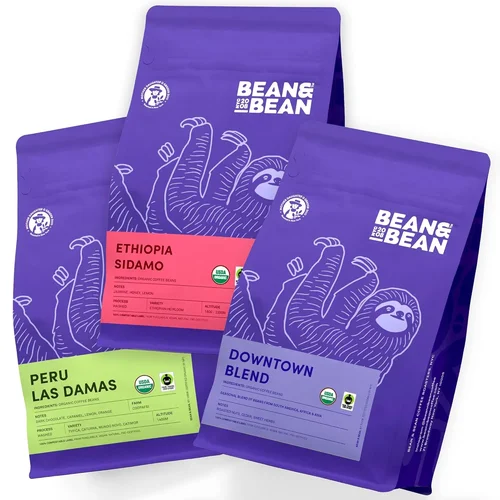
❌ Mistake: Prioritizing Brand Over Quality
Why it’s bad: Just because a café has a trendy logo or Instagrammable interior doesn’t mean the coffee is good. Some brands focus more on aesthetics than brewing skill or bean quality.
What to do instead: Look beyond the branding. Ask about roast dates, origin, and brewing methods. Taste the coffee—does it have depth, balance, and clarity? A great cup speaks for itself.
❌ Mistake: Buying Pre-Ground Coffee
Why it’s bad: Pre-ground coffee loses freshness rapidly. Even if the beans were fresh, grinding them weeks ago means you’re missing out on aromatic compounds and nuanced flavors.
What to do instead: Always buy whole bean and grind just before brewing. If you must buy pre-ground, choose a coarse grind for French press and use it within a week.
❌ Mistake: Ignoring Roast Dates
Why it’s bad: Coffee is at its peak within 2–4 weeks of roasting. Buying beans without a roast date risks getting stale coffee that tastes flat or sour.
What to do instead: Only buy from roasters who clearly label roast dates. If shopping online, check the website for batch information or contact customer service.
❌ Mistake: Overlooking Local Roasters
Why it’s bad: National brands or online-only roasters may offer convenience, but local NYC roasters often provide fresher beans, better customer service, and support the local economy.
What to do instead: Visit neighborhood roasteries, attend cupping events, and build relationships with baristas. Many local roasters offer tours or tastings.
❌ Mistake: Choosing Based on Price Alone
Why it’s bad: Cheap coffee is often low-quality, over-roasted, or stale. Conversely, expensive doesn’t always mean better—some brands charge a premium for packaging, not quality.
What to do instead: Evaluate value, not just price. Consider freshness, origin, roast quality, and taste. A $22 bag from a local roaster may be a better deal than a $30 bag from a mass-market brand.
❌ Mistake: Not Experimenting with Brew Methods
Why it’s bad: Different brewing methods extract different flavors. Using the wrong method can mask a coffee’s potential or exaggerate flaws.
What to do instead: Try multiple methods—pour-over for clarity, French press for body, espresso for intensity. Many NYC cafés offer brewing classes or workshops.
❌ Mistake: Storing Coffee Improperly
Why it’s bad: Light, heat, air, and moisture degrade coffee quickly. Storing beans in the fridge or freezer can cause condensation and flavor loss.
What to do instead: Keep beans in an airtight container in a cool, dark cupboard. Use within 3–4 weeks and avoid frequent opening.
Budget Guidelines: How Much Should You Spend?
- Entry-Level ($12–$18 per 12 oz): This tier includes solid specialty coffee from emerging roasters or smaller batches. Expect decent origin transparency, roast dates, and balanced flavors. Great for daily drinking or beginners exploring specialty coffee. Look for local roasters offering value packs or seasonal blends.
- Mid-Range ($18–$25 per 12 oz): The sweet spot for most coffee lovers. Beans are likely single-origin, freshly roasted, and sourced with care. You’ll find complex flavor profiles, detailed packaging, and strong ethical practices. Ideal for home brewing and regular café visits.
- Premium ($25–$35 per 12 oz): For enthusiasts and professionals. These coffees often come from award-winning farms, rare processing methods (like anaerobic fermentation), or limited micro-lots. Expect exceptional clarity, unique tasting notes, and meticulous roasting. Perfect for special occasions or deep flavor exploration.
- Luxury ($35+ per 12 oz): Top-tier offerings from elite roasters or competition-winning lots. These may include Geisha varietals, experimental processing, or direct partnerships with renowned farmers. Prices reflect rarity, labor, and quality. Best for collectors or those seeking the pinnacle of coffee experience.
Expert Tips for Getting the Best Deal
- Buy Direct from Roasters: Cut out the middleman by purchasing directly from NYC roasteries online or in person. You’ll often get fresher beans, better prices, and access to exclusive releases.
- Subscribe for Discounts: Many roasters offer 10–20% off for subscription plans. Even if you don’t want regular deliveries, some allow one-time purchases at subscriber pricing.
- Visit During Off-Peak Hours: Cafés are less busy mid-morning or mid-afternoon. Use this time to chat with baristas, ask questions, and sample different coffees without the rush.
- Attend Cupping Sessions: Free or low-cost cupping events let you taste multiple coffees side by side. It’s a great way to discover new favorites and learn from experts.
- Check for Seasonal Sales: Roasters often discount older stock or offer holiday bundles. Follow your favorite spots on Instagram or sign up for newsletters to stay informed.
- Buy in Bulk (Wisely): If you drink a lot of coffee, buying larger bags (16 oz or 5 lbs) can save money per ounce. Just ensure you can consume it while fresh.
- Test Before Committing: If a café offers a tasting flight or small pour-over sample, take it. A $4 pour-over can help you decide if a $24 bag is worth it.
- Support Local, But Stay Open: While local roasters are fantastic, don’t dismiss excellent out-of-town roasters that ship to NYC. Some of the best beans come from roasters in Portland, San Francisco, or even internationally.

Frequently Asked Questions
Q: What makes coffee “specialty”?
A: Specialty coffee is defined by quality, from farm to cup. The Specialty Coffee Association (SCA) grades coffee on a 100-point scale, and only beans scoring 80 or above qualify as specialty. This means superior growing conditions, careful processing, expert roasting, and skilled brewing. It’s about intention, transparency, and flavor.
Q: Is it worth paying more for single-origin coffee?
A: Yes, if you appreciate complexity and origin character. Single-origin coffees showcase the unique flavors of a specific region or farm, offering a more educational and sensory experience than blends. However, blends can be more consistent and balanced, especially for espresso.
Q: Can I make great coffee at home?
A: Absolutely. With quality beans, a good grinder, and the right brewing method, you can match or exceed café-quality coffee at home. Start with a gooseneck kettle, scale, and a simple pour-over setup like a V60 or Kalita Wave.
Q: How long does coffee stay fresh?
A: Whole bean coffee is best within 2–4 weeks of roasting. Ground coffee loses freshness faster—use within 1–2 weeks. Store in an airtight container away from light, heat, and moisture.
Q: Should I buy decaf specialty coffee?
A: Yes, if you want the flavor without the caffeine. Modern decaffeination methods (like Swiss Water or CO2) preserve more flavor than older chemical processes. Many specialty roasters now offer excellent decaf options.
Q: What’s the difference between light, medium, and dark roast?
A: Light roasts preserve origin flavors and are higher in acidity. Medium roasts offer balance between origin and roast character. Dark roasts emphasize roast flavors (smoky, bitter) and mask origin nuances. Specialty coffee favors light to medium roasts.
Q: How do I choose the right grind size?
A: Match grind size to your brewing method: coarse for French press, medium for drip, fine for espresso, extra-fine for Turkish. Adjust based on taste—too fine can over-extract (bitter), too coarse can under-extract (sour).
Q: Are subscriptions worth it?
A: Yes, if you drink coffee regularly. Subscriptions ensure fresh beans, introduce you to new origins, and often include discounts. Just make sure you can consume the coffee before it goes stale.
Q: Can I trust online reviews?
A: Use them as a guide, but don’t rely solely on them. Look for detailed reviews that mention roast dates, flavor notes, and brewing experience. Personal taste varies—what one person loves, another may dislike.
Q: Where can I find the best specialty coffee in NYC?
A: Neighborhoods like Williamsburg, Greenpoint, Bushwick, Harlem, and the Lower East Side are hubs for specialty coffee. Look for independent roasters, cafés with in-house roasting, and spots that prioritize education and transparency.
Our Final Recommendations
- Best for Budget-Conscious Buyers: Sey Coffee (Brooklyn) – Offers high-quality single-origin beans at reasonable prices ($18–$22 per 12 oz), with a focus on light roasts and direct trade. Their online store includes detailed origin info and roast dates.
- Best Overall Value: Devoción (Williamsburg & Flatiron) – Known for ultra-fresh beans shipped directly from Colombian farms within days of harvest. Their $24 single-origin bags deliver exceptional flavor and transparency.
- Best Premium Option: Onyx Coffee Lab (Multiple locations) – A national leader in specialty coffee, Onyx offers rare micro-lots, experimental processing, and meticulous roasting. Their $30+ bags are worth it for serious enthusiasts.
- Best for Beginners: La Cabra (East Village & Brooklyn) – With a welcoming atmosphere and clear flavor descriptions, La Cabra helps newcomers explore specialty coffee without intimidation. Their $20 blends are approachable and delicious.
- Best for Advanced Users: Toby’s Estate (Williamsburg) – A pioneer in NYC’s third-wave scene, Toby’s offers advanced brewing classes, rare varietals, and detailed cupping notes. Their $28 single-origin bags are crafted for discerning palates.
Conclusion: Making the Right Choice
Finding the best specialty coffee in NYC isn’t about chasing trends or paying the highest price—it’s about understanding what makes coffee truly exceptional and aligning that with your personal taste, lifestyle, and values. From bean origin and roast freshness to brewing method and ethical sourcing, every detail matters. The city’s vibrant coffee culture offers endless opportunities to explore, learn, and savor.
As you navigate the bustling streets and cozy corners of NYC’s café scene, remember that the best cup is the one that brings you joy. Whether you’re sipping a meticulously brewed pour-over in a minimalist Williamsburg shop or enjoying a rich espresso at a historic Harlem institution, let quality, transparency, and flavor guide your choices. Don’t be afraid to ask questions, try new things, and support the roasters and baristas who are passionate about their craft.
Ultimately, the journey to great coffee is personal. Use this guide as your compass, but trust your palate as your true north. With the right knowledge and a curious spirit, you’ll not only find the best specialty coffee in NYC—you’ll discover a deeper appreciation for the art, science, and soul behind every cup. So go ahead, brew boldly, sip slowly, and let every bean tell its story.