
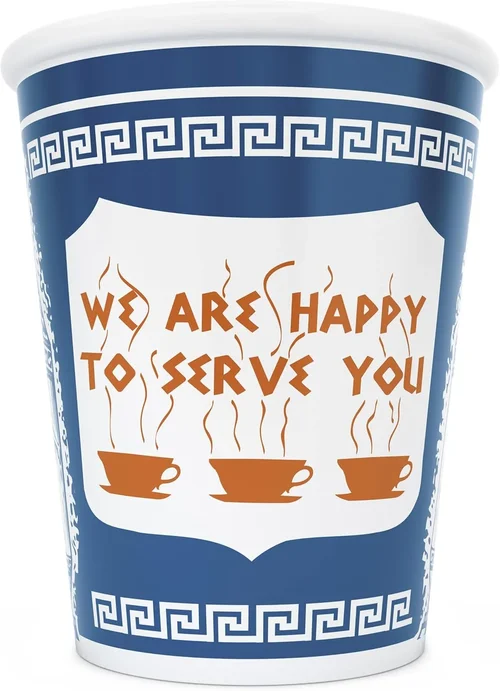
Coffee in New York City isn’t just a beverage—it’s a culture, a ritual, and for many, a daily necessity. From the hurried barista pouring a perfect cortado at 7 a.m. to the third-wave roaster sourcing beans directly from Ethiopian farms, NYC’s coffee scene is as diverse and dynamic as the city itself. Whether you’re a lifelong local or a first-time visitor, choosing the right coffee—whether it’s a bag of beans to brew at home or a cup to sip on the go—can feel overwhelming. With thousands of cafes, roasteries, and online retailers operating across the five boroughs, the options are endless. That’s where this guide comes in.
This comprehensive buying guide is designed to help you navigate the bustling world of NYC coffee with confidence. Whether you’re shopping for whole beans, pre-ground blends, single-origin pourovers, or espresso capsules, we’ll walk you through every critical decision point. You’ll learn how to evaluate quality, understand pricing, compare brands, avoid common pitfalls, and ultimately find the coffee that best fits your taste, lifestyle, and budget. We’ve tested dozens of local roasters, analyzed customer reviews, and consulted with industry experts to bring you actionable insights you won’t find anywhere else.
The NYC coffee market is unique. It’s not just about convenience or caffeine—it’s about craftsmanship, sustainability, and community. Independent roasters thrive alongside global chains, and neighborhood cafes often double as cultural hubs. This guide cuts through the noise to deliver expert-level advice tailored specifically to the New Yorker (or visitor) who wants more than just a cup of joe. Whether you’re brewing at home or exploring the city’s best coffee shops, you’ll be equipped to make informed, satisfying choices.

What to Look for When Buying Coffee in NYC
1. Bean Origin & Roast Profile
The foundation of great coffee starts with the bean. In NYC, you’ll find everything from single-origin Ethiopian Yirgacheffe with floral and citrus notes to rich, chocolatey Brazilian Santos. Understanding origin helps you predict flavor: African beans tend to be bright and fruity, Central American coffees offer balanced acidity and sweetness, while Indonesian beans are often earthy and full-bodied. Roast profile is equally important—light roasts preserve origin characteristics and are ideal for pour-over or AeroPress, while dark roasts bring out bold, smoky flavors perfect for espresso or French press. Look for roasters that clearly label origin, roast date, and processing method (washed, natural, honey). Avoid beans roasted more than four weeks ago; freshness is non-negotiable.
2. Freshness & Roast Date
Nothing kills a coffee experience faster than stale beans. In NYC’s fast-paced environment, it’s easy to grab a bag without checking the roast date. Always look for a clearly marked roast date—not just a “best by” date. Ideally, beans should be consumed within 2–4 weeks of roasting for peak flavor. Whole beans stay fresher longer than pre-ground, so opt for whole bean whenever possible. Store them in an airtight container away from light, heat, and moisture. Some top NYC roasters, like Sey Coffee and Variety Coffee Roasters, roast to order and ship within days, ensuring maximum freshness. Avoid bulk bins or unmarked bags—these are red flags for stale inventory.
3. Grind Type & Brewing Method Compatibility
Your brewing method dictates the ideal grind size. Using the wrong grind can lead to over- or under-extraction, resulting in bitter or sour coffee. For example, espresso requires a fine grind, while French press needs coarse. Pour-over methods like V60 or Chemex work best with medium-fine. If you’re buying pre-ground, ensure it matches your brewer. However, grinding at home just before brewing yields the best results. Invest in a quality burr grinder—blade grinders create uneven particles and ruin flavor. Many NYC cafes offer grinding services, so ask if they can grind to your specifications. If you’re using a pod machine like Nespresso, ensure compatibility with NYC-based brands like Joe Coffee or Bluestone Lane, which offer recyclable or compostable pods.
4. Sustainability & Ethical Sourcing
New Yorkers care about where their coffee comes from—and rightfully so. Look for certifications like Fair Trade, Rainforest Alliance, or Direct Trade, which indicate ethical farming practices and fair wages for growers. Many NYC roasters prioritize sustainability, using compostable packaging, carbon-neutral shipping, and partnerships with small farms. For example, Birch Coffee sources directly from cooperatives in Colombia and Rwanda, ensuring transparency and quality. Others, like Café Grumpy, publish annual sustainability reports. Supporting ethical brands not only benefits farmers but often results in higher-quality beans. Avoid brands that lack transparency—vague labels like “premium blend” without origin details are often a sign of commodity-grade coffee.
5. Price & Value for Money
Coffee pricing in NYC varies widely—from $12 for a 12 oz bag at a corner bodega to $28 for a limited-release microlot at a specialty roaster. Don’t assume higher price equals better quality, but also don’t expect excellence at rock-bottom prices. A good rule of thumb: $16–$22 per 12 oz is the sweet spot for high-quality, freshly roasted beans. Consider cost per cup: a $20 bag yielding 15 cups costs about $1.33 per cup—far cheaper than daily cafe visits. Factor in shipping if buying online; many NYC roasters offer free local delivery or pickup. Watch for subscription deals—some offer 10–15% off recurring orders. Avoid overpaying for branding; focus on roast quality and freshness instead.
6. Brand Reputation & Local Presence
In a city obsessed with authenticity, brand reputation matters. NYC roasters like Stumptown (with locations in Williamsburg and the West Village), Devoción (known for ultra-fresh Colombian beans), and Partners Coffee (with multiple Brooklyn outposts) have built loyal followings through consistency and innovation. Check online reviews on Google, Yelp, and Instagram—look for patterns in feedback about flavor, service, and packaging. Visit their cafes if possible; the in-person experience often reflects the quality of their beans. Smaller, lesser-known roasters like Tørk and Coffee Project may not have widespread recognition but often offer exceptional, experimental roasts. Supporting local businesses also strengthens the community and reduces carbon footprint.
7. Packaging & Storage Features
How your coffee is packaged impacts its shelf life and flavor. Look for bags with one-way valves (to release CO2 without letting air in) and resealable zippers. Avoid clear packaging—light degrades coffee oils. Some premium brands use nitrogen-flushed bags or compostable materials. If buying in bulk, consider portioning beans into smaller containers to minimize exposure. Many NYC roasters offer vacuum-sealed bricks for longer storage, ideal for those who buy monthly. For home storage, invest in an airtight container like Airscape or Fellow. Avoid keeping beans in the fridge or freezer unless you’re storing for months—moisture and temperature fluctuations cause flavor loss.
8. Flavor Preferences & Personal Taste
Ultimately, the best coffee is the one you enjoy. Are you drawn to bright, acidic notes or deep, chocolatey richness? Do you prefer a clean, tea-like pour-over or a creamy, full-bodied espresso? Take time to explore flavor profiles. Many NYC cafes offer tasting flights or cupping sessions—take advantage. Keep a coffee journal to track what you like: note the origin, roast level, brewing method, and flavor impressions. Over time, you’ll identify patterns. Don’t be afraid to try something new—seasonal releases or experimental processing methods (like anaerobic fermentation) can surprise and delight. Remember, taste is subjective; what works for your neighbor might not suit you.
Different Types of Coffee in NYC

Common Buying Mistakes to Avoid
❌ Mistake: Ignoring the Roast Date
Why it’s bad: Coffee begins losing flavor within days of roasting. Buying beans without a roast date means you could be drinking stale, flat coffee that lacks aroma and complexity.
What to do instead: Always check for a clear roast date. Prioritize beans roasted within the last two weeks. If the date isn’t listed, ask the seller or choose a different brand.
❌ Mistake: Buying Pre-Ground Coffee for Daily Use
Why it’s bad: Pre-ground coffee oxidizes quickly, losing volatile aromatics that define great taste. Even high-quality beans turn dull when ground too early.
What to do instead: Buy whole beans and grind just before brewing. If you must buy pre-ground, choose vacuum-sealed packages and use within one week.
❌ Mistake: Choosing Based on Packaging Alone
Why it’s bad: Fancy bags and trendy logos don’t guarantee quality. Some brands invest more in design than sourcing or roasting.
What to do instead: Focus on transparency—look for origin, roast date, and processing details. Read reviews and ask baristas for recommendations.
❌ Mistake: Overlooking Local Roasters
Why it’s bad: National brands often roast in bulk and ship long distances, sacrificing freshness. You miss out on unique, small-batch offerings.
What to do instead: Explore NYC-based roasters like Sey, Variety, or Partners. Many offer local delivery or cafe pickup, ensuring peak freshness.
❌ Mistake: Storing Coffee in the Fridge or Freezer
Why it’s bad: Moisture and temperature swings cause condensation, which degrades beans and introduces off-flavors. Freezing can also cause freezer burn.
What to do instead: Store beans in an airtight container at room temperature, away from light and heat. Only freeze if storing for over a month, and thaw completely before opening.
❌ Mistake: Not Matching Grind to Brew Method
Why it’s bad: Using the wrong grind leads to under- or over-extraction—resulting in sour or bitter coffee, regardless of bean quality.
What to do instead: Learn the ideal grind size for your brewer. Invest in a burr grinder and adjust based on taste. Ask your roaster for grinding recommendations.
❌ Mistake: Skipping Tastings or Samples
Why it’s bad: You might spend $25 on a bag only to dislike the flavor profile. Without tasting, you’re guessing.
What to do instead: Visit cafes that offer cuppings or small samples. Many roasters provide tasting notes online. Start with smaller sizes (4 oz) before committing to a full bag.
Budget Guidelines: How Much Should You Spend?
- Entry-Level ($10–$15 per 12 oz): This range includes supermarket brands and some local roasters’ everyday blends. Expect decent quality but limited origin transparency. Good for casual drinkers or those new to specialty coffee. Look for freshness indicators—avoid stale-tasting options.
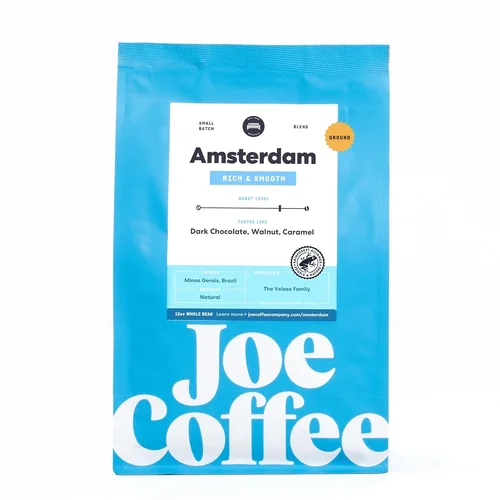
- Mid-Range ($16–$22 per 12 oz): The sweet spot for most NYC coffee lovers. You’ll find high-quality single-origins, well-balanced espresso blends, and ethical sourcing. Brands like Joe Coffee, Birch Coffee, and Café Grumpy excel here. Ideal for daily brewing with noticeable flavor complexity.
- Premium ($23–$30 per 12 oz): For enthusiasts and connoisseurs. These are often microlot coffees, experimental processing, or limited releases. Roasters like Devoción and Tørk offer beans with exceptional clarity and terroir expression. Worth the splurge for special occasions or weekend brewing.
- Luxury ($30+ per 12 oz): Reserved for rare, award-winning lots or direct-trade exclusives. These coffees may come with detailed farmer stories, harvest dates, and processing notes. While impressive, they’re not necessary for daily enjoyment—best saved for tasting events or gifts.
Expert Tips for Getting the Best Deal
- Buy in Bulk During Sales: Many NYC roasters offer discounts during holidays (Black Friday, Valentine’s Day) or seasonal transitions. Sign up for newsletters to get early access.
- Use Local Pickup or Delivery: Avoid shipping fees by choosing in-store pickup or local delivery. Brands like Sey and Variety offer same-day delivery in Brooklyn and Manhattan.
- Join Subscription Services: Recurring orders often come with 10–15% off and free shipping. You’ll never run out, and many services let you pause or skip deliveries.
- Visit Roasteries Directly: Some roasters offer discounts for in-person purchases or loyalty programs. You also get to ask questions and sample before buying.
- Check Return Policies: While coffee is perishable, reputable roasters may offer refunds for defective or stale products. Always read the fine print.
- Test Before Committing: Buy small sizes (4–8 oz) to test new brands. Many roasters offer sampler packs or variety bundles.
- Follow on Social Media: Instagram and Twitter often feature flash sales, pop-ups, or exclusive releases. Engage with roasters for insider tips.
- Compare Online vs. In-Store: Sometimes online prices are lower due to promotions, but in-store you get instant gratification and personal service.

Frequently Asked Questions
Q: How long does coffee stay fresh after roasting?
A: Whole bean coffee is best consumed within 2–4 weeks of roasting. Ground coffee loses freshness faster—within 1–2 weeks. Always check the roast date and store properly.
Q: Is it worth buying expensive single-origin coffee?
A: If you appreciate nuanced flavors and enjoy exploring different profiles, yes. Single-origins highlight unique characteristics of a region, farm, or processing method. For everyday drinking, a well-crafted blend may offer more consistency.
Q: Can I make great espresso at home with NYC beans?
A: Absolutely. Many NYC roasters offer espresso blends designed for home machines. Pair with a quality grinder and proper technique for excellent results. Brands like Partners and Joe Coffee provide detailed brewing guides.
Q: Are NYC roasters more sustainable than national brands?
A: Often, yes. Local roasters tend to prioritize ethical sourcing, compostable packaging, and lower carbon footprints. However, always verify claims—look for certifications and transparency reports.
Q: What’s the best way to store coffee at home?
A: Use an airtight container in a cool, dark place. Avoid the fridge or freezer unless storing long-term. Keep away from heat sources like stoves or windows.
Q: How do I know if my coffee is stale?
A: Stale coffee lacks aroma, tastes flat or papery, and may have a dull appearance. Fresh beans should smell vibrant and release CO2 when ground.
Q: Should I buy decaf from NYC roasters?
A: Yes—many offer Swiss Water Process decaf, which removes caffeine without chemicals and preserves flavor. Brands like Birch and Variety have excellent decaf options.
Q: Can I return coffee if I don’t like it?
A: Policies vary. Some roasters offer satisfaction guarantees, while others don’t accept returns due to perishability. Always check before purchasing.
Q: What’s the difference between a blend and single-origin?
A: Single-origin comes from one region or farm, highlighting unique flavors. Blends combine beans from multiple origins to create balance, consistency, and complexity—ideal for espresso.
Q: How often should I clean my coffee equipment?
A: Clean your grinder weekly, espresso machine daily, and drip brewer monthly. Residual oils and grounds affect taste and performance.
Our Final Recommendations
- Best for Budget-Conscious Buyers: Birch Coffee Everyday Blend ($16/12 oz) – Reliable, smooth, and ethically sourced. Great for daily drip or French press.
- Best Overall Value: Variety Coffee Roasters Single-Origin ($20/12 oz) – Fresh, vibrant, and transparent. Offers rotating origins with detailed tasting notes.
- Best Premium Option: Devoción Fresco Series ($28/12 oz) – Ultra-fresh Colombian beans roasted within days of harvest. Exceptional clarity and fruit-forward notes.
- Best for Beginners: Joe Coffee House Blend ($18/12 oz) – Balanced, approachable, and widely available. Perfect for learning your preferences.
- Best for Advanced Users: Sey Coffee Experimental Lot ($30+/12 oz) – Limited releases with innovative processing. Ideal for cupping and flavor exploration.
Conclusion: Making the Right Choice
Choosing the right coffee in New York City doesn’t have to be overwhelming. By focusing on freshness, origin, brewing compatibility, and ethical sourcing, you can transform your daily cup into a rewarding experience. Remember, the best coffee is the one that fits your taste, lifestyle, and values. Don’t be afraid to experiment—try a new roaster each month, attend a cupping session, or upgrade your grinder. The NYC coffee scene thrives on curiosity and community.
Whether you’re brewing at home or exploring the city’s iconic cafes, use this guide as your compass. Prioritize quality over convenience, support local businesses, and never stop tasting. With the right knowledge and a little exploration, you’ll discover coffee that doesn’t just wake you up—it inspires you. So go ahead, pour yourself a cup, and savor the flavor of the city.