
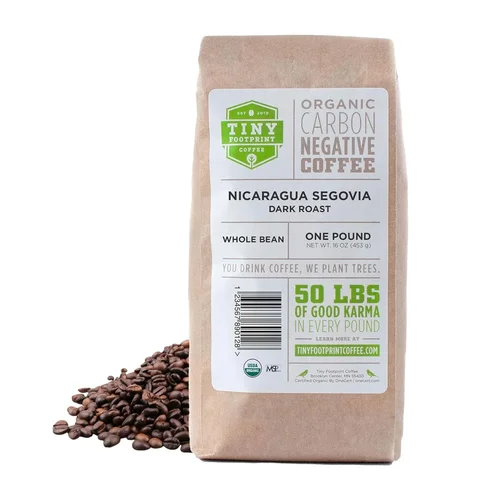
New York City doesn’t just consume coffee—it lives and breathes it. From the bodega counter on the corner to the minimalist third-wave roastery in Williamsburg, coffee is woven into the city’s daily rhythm. Whether you’re grabbing a quick espresso before your subway commute or savoring a slow pour-over at a neighborhood café, the quality of your beans makes all the difference. But with so many options flooding the market—local roasters, national brands, subscription services, and artisanal blends—it’s easy to feel overwhelmed. That’s where this guide comes in.
This comprehensive buying guide is designed for New Yorkers and visitors alike who want to cut through the noise and find the best coffee beans NYC has to offer. Whether you’re brewing at home, looking to stock your office pantry, or simply curious about what sets a great bean apart from the rest, we’ve got you covered. You’ll learn how to evaluate freshness, understand roast profiles, compare price points, and identify trustworthy roasters—all tailored to the unique coffee culture of the five boroughs. By the end, you’ll have the confidence to choose beans that match your taste, lifestyle, and budget.
The NYC coffee scene is one of the most dynamic in the world. Independent roasters like Sey Coffee, Birch Coffee, and Joe Coffee Co. compete with global giants like Blue Bottle and Stumptown, while bodegas still serve up reliable drip for under two bucks. This diversity means more choice—but also more confusion. With this guide, you’ll navigate that landscape like a pro, avoiding common pitfalls and discovering hidden gems along the way.

What to Look for When Buying Buying Guide
1. Freshness & Roast Date
When it comes to coffee, freshness isn’t just a nice-to-have—it’s everything. Coffee beans are at their peak flavor within 2–4 weeks of roasting, and they begin to lose complexity and aroma almost immediately after that window closes. Unlike wine, coffee doesn’t improve with age; it degrades. That’s why checking the roast date is non-negotiable.
Many mass-market brands print only a “best by” date, which can be months after roasting—meaning you could be drinking stale coffee without even knowing it. In contrast, reputable NYC roasters almost always include the roast date right on the bag. Look for beans roasted within the past two weeks for optimal flavor. If you’re buying online, check if the roaster ships within days of roasting—some even offer same-day delivery in Manhattan.
2. Origin & Bean Variety
Coffee is an agricultural product, and like wine or chocolate, its flavor is deeply influenced by where it’s grown. Understanding origin and bean variety helps you predict taste and make informed choices. In NYC, you’ll find everything from single-origin Ethiopian Yirgacheffe (known for floral, tea-like notes) to bold Brazilian Santos (nutty, chocolatey, and low-acid).
Arabica beans dominate the specialty market and are generally preferred for their complexity and smoother profile. Robusta, while more bitter and higher in caffeine, is often used in espresso blends for its crema and body—but it’s less common in high-end NYC roasteries. Look for transparency: top roasters will list not just the country, but often the farm, cooperative, or region (e.g., “Huila, Colombia” or “Kochere, Ethiopia”).
Single-origin coffees highlight terroir—the unique environmental factors that shape flavor—while blends are crafted for balance and consistency. If you’re new to specialty coffee, start with a single-origin to explore different flavor profiles. If you prefer reliability (say, for morning espresso), a well-crafted blend might be your best bet.
3. Roast Level & Flavor Profile
Roast level dramatically affects taste, body, and aroma. Light roasts retain more of the bean’s inherent characteristics—think bright acidity, fruity or floral notes—and are popular among third-wave roasters in Brooklyn and Queens. Medium roasts strike a balance, offering sweetness and body without overpowering the origin flavors. Dark roasts, common in traditional NYC diners, bring out bold, smoky, and sometimes bitter notes, masking origin subtleties but delivering a familiar, robust cup.
Your preference depends on how you brew and what you enjoy drinking. Pour-over lovers often gravitate toward light to medium roasts to highlight nuance, while espresso drinkers may prefer medium-dark for richer crema and intensity. Don’t assume “dark = strong”—strength refers to caffeine content, which actually decreases slightly with darker roasts due to longer exposure to heat.
Pay attention to flavor notes listed on the bag (e.g., “notes of blueberry, jasmine, and brown sugar”). These are descriptors, not additives—they reflect what trained tasters detect during cupping. Use them as a guide, but remember: your palate is the final judge.
4. Packaging & Sustainability
Great coffee deserves great packaging. Look for bags with one-way valves (which allow CO2 to escape without letting oxygen in) and resealable zippers or clips. Opaque, foil-lined bags protect against light and air—the two biggest enemies of freshness. Avoid clear packaging; even brief exposure to light can degrade flavor.
Sustainability matters more than ever in NYC, where eco-conscious consumers drive demand for ethical sourcing and low-waste practices. Many local roasters now use compostable or recyclable bags, source through direct trade, and support farmer cooperatives. Some, like Café Grumpy and Partners Coffee, publish annual sustainability reports. If environmental impact is important to you, seek out certifications like Fair Trade, Rainforest Alliance, or B Corp—but also dig deeper. Certifications don’t always guarantee ethical practices, so research the roaster’s sourcing philosophy.
Bonus: Some shops offer discounts for returning bags or using your own container. It’s a small step, but in a city that generates tons of waste daily, every bit counts.
5. Price & Value
You don’t need to spend $30 on a bag of coffee to get something delicious—but you also shouldn’t expect specialty-quality results from $5 supermarket beans. In NYC, expect to pay between $14 and $24 for a 12-ounce bag of high-quality, freshly roasted beans. Premium or limited-release lots (like Geisha varietals) can run $30–$50+, but these are exceptions, not the norm.
Value isn’t just about price per ounce—it’s about cost per cup, considering yield, flavor longevity, and brewing method. A $20 bag that makes 15 exceptional cups offers better value than a $12 bag that tastes flat after five brews. Also factor in shipping costs if buying online; some roasters offer free shipping over a certain amount.
Avoid the trap of “cheap equals bad.” Some excellent roasters offer affordable everyday options (e.g., Joe Coffee’s “Everyday” blend at $16). Conversely, high price doesn’t guarantee quality—some brands inflate prices based on branding alone. Focus on freshness, transparency, and reviews instead.
6. Roaster Reputation & Local Sourcing
In a city obsessed with authenticity, the roaster’s reputation carries weight. NYC is home to some of the most innovative and respected roasters in the country. Brands like Sey Coffee (known for ultra-light, experimental roasts), Parlor Coffee (pioneers of the Brooklyn coffee renaissance), and Abraço (a tiny but legendary East Village spot) have built loyal followings through consistency, transparency, and community engagement.
Supporting local roasters isn’t just about taste—it’s about sustaining the city’s cultural fabric. These businesses often employ local talent, collaborate with neighborhood cafes, and reinvest in the community. Plus, buying locally reduces carbon footprint compared to shipping from out-of-state roasters.
That said, don’t dismiss national or West Coast roasters entirely. Blue Bottle and Stumptown have strong NYC presences and maintain high standards. The key is to prioritize roasters—local or not—that share information openly: roast dates, sourcing stories, processing methods (washed, natural, honey), and even farmer partnerships.
7. Brewing Method Compatibility
Not all beans are created equal for every brew method. Espresso demands a finely tuned blend with good solubility and crema, while French press benefits from coarse-ground, full-bodied beans. Pour-over highlights clarity and acidity, making it ideal for light-roast single origins. Cold brew forgives imperfections and shines with low-acid, chocolatey beans.
When choosing beans, consider how you’ll brew them. Most NYC roasters label bags with recommended brewing methods. If you’re unsure, ask the staff or check the website. Some roasters even offer “brew guides” tailored to their offerings.
If you use multiple methods (e.g., espresso in the morning, pour-over on weekends), consider buying two different bags—or look for versatile medium roasts that perform well across styles. Avoid ultra-light roasts for espresso unless you have a high-end grinder and machine; they can taste sour or under-extracted.
8. Accessibility & Convenience
Even the best coffee loses its appeal if it’s hard to get. In NYC, convenience is king. Can you pick it up on your walk to work? Is it available at your local grocery or bodega? Does the roaster offer reliable online ordering with fast shipping?
Some roasters, like Birch Coffee, have multiple locations across Manhattan, making refills easy. Others, like Devoción, focus on online sales with next-day delivery in NYC. Subscription services (e.g., Trade Coffee, which curates from top US roasters) can be a great way to discover new beans without leaving home.
Consider storage, too. If you live in a small apartment with limited pantry space, opt for smaller bags (8–10 oz) or subscribe to monthly deliveries to avoid stockpiling stale beans. Conversely, if you drink coffee daily, buying in bulk (when fresh) can save money.
Different Types of Buying Guide

Common Buying Mistakes to Avoid
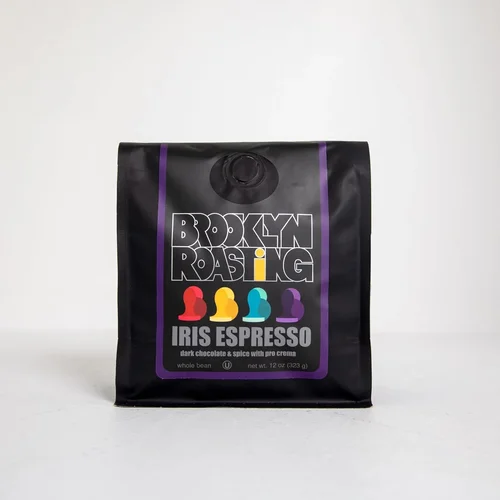
❌ Mistake: Ignoring the Roast Date
Why it’s bad: Coffee stales quickly. Beans roasted more than a month ago will taste flat, papery, or sour—no matter how expensive or exotic they are. Many shoppers focus on brand or price and overlook this critical detail.
What to do instead: Always check the roast date before buying. If it’s not listed, ask the seller or choose another product. For online orders, confirm the roaster ships within days of roasting.
❌ Mistake: Buying Pre-Ground Coffee for Home Brewing
Why it’s bad: Pre-ground coffee loses aroma and complexity within minutes of grinding. The increased surface area accelerates oxidation, leading to a dull, lifeless cup—even if the beans were fresh.
What to do instead: Invest in a quality burr grinder (even a basic manual one works) and grind just before brewing. It’s a small step that transforms your coffee experience.
❌ Mistake: Choosing Based Solely on Price
Why it’s bad: Cheap beans often come from commodity-grade sources with poor farming practices, while overpriced beans may rely on hype rather than quality. Neither guarantees a great cup.
What to do instead: Focus on value—freshness, transparency, and flavor—not just cost. A mid-priced bag from a reputable local roaster usually outperforms both extremes.
❌ Mistake: Overlooking Brewing Method Compatibility
Why it’s bad: A light-roast Ethiopian might shine in a V60 but turn sour in an espresso machine. Using the wrong bean for your brewer leads to frustration and wasted money.
What to do instead: Match your beans to your brewing method. Read labels, ask for recommendations, or start with a versatile medium roast if you’re unsure.
❌ Mistake: Storing Coffee Improperly
Why it’s bad: Heat, light, air, and moisture are coffee’s worst enemies. Leaving beans in a clear jar on the counter or in the fridge/freezer accelerates staling and can introduce off-flavors.
What to do instead: Store beans in an airtight, opaque container at room temperature, away from sunlight and heat sources. Buy only what you’ll use in 2–3 weeks.
❌ Mistake: Falling for Marketing Hype
Why it’s bad: Terms like “artisan,” “small-batch,” or “premium” are unregulated and often meaningless. A flashy label doesn’t guarantee quality.
What to do instead: Look beyond the packaging. Research the roaster, read reviews, and prioritize concrete info like roast date, origin, and processing method.
❌ Mistake: Not Trying New Things
Why it’s bad: Sticking to the same blend limits your palate and keeps you from discovering amazing coffees. The NYC scene is constantly evolving with new harvests and roasting techniques.
What to do instead: Rotate beans monthly. Try a new single-origin each season or subscribe to a curated service that introduces you to different roasters and origins.
Budget Guidelines: How Much Should You Spend?
Your ideal coffee budget depends on how much you drink, how you brew, and what you value—but here’s a practical breakdown based on NYC realities:
Entry-Level ($10–$14 per 12 oz): This range includes supermarket brands and some bodega staples. Expect decent drinkability but limited complexity. Look for store brands from Whole Foods (365) or Trader Joe’s that include roast dates. Best for casual drinkers or those on a tight budget—but don’t expect specialty-grade results.
Mid-Range ($15–$22 per 12 oz): The sweet spot for most New Yorkers. Here you’ll find excellent local roasters like Joe Coffee, Partners Coffee, and Café Grumpy offering fresh, transparently sourced beans with clear flavor profiles. These bags deliver great value, balance, and consistency—ideal for daily brewing at home or the office.
Premium ($23–$30 per 12 oz): For enthusiasts and discerning palates. This tier includes single-origin gems, limited releases, and beans from top-tier roasters like Sey, Parlor, or Devoción. Expect exceptional clarity, unique processing (e.g., anaerobic fermentation), and direct-trade relationships. Worth it if you treat coffee as a craft beverage.
Luxury ($30+ per 12 oz): Reserved for rare varietals (like Geisha or SL28), experimental lots, or competition-level coffees. These are often seasonal, micro-lot offerings with meticulous processing and roasting. Perfect for special occasions, gifts, or deep dives into coffee terroir—but unnecessary for everyday drinking.
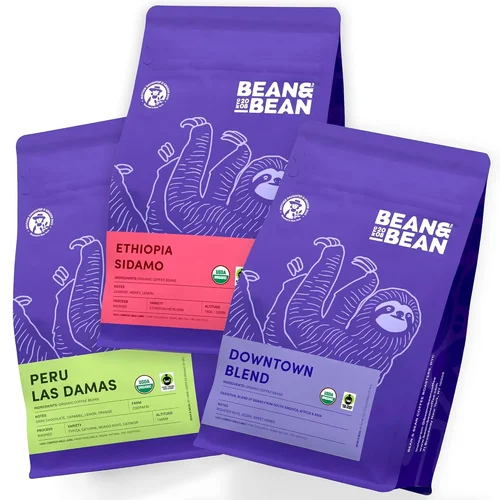
Expert Tips for Getting the Best Deal
- Buy Direct from Roasters: Many NYC roasters offer discounts for in-store pickup or subscription plans (e.g., 10% off recurring orders). You also ensure maximum freshness.
- Time Your Purchases: Roasters often release new harvests in fall (Northern Hemisphere) and spring (Southern Hemisphere). These launches sometimes come with introductory pricing or bundle deals.
- Use Subscription Services Wisely: Platforms like Trade Coffee or MistoBox let you sample multiple roasters for less than buying full bags. Great for discovery—but cancel if you find a favorite local roaster.
- Check for Local Promotions: Follow your favorite roasters on Instagram or sign up for newsletters. They often run flash sales, “roaster’s choice” discounts, or loyalty rewards.
- Buy in Person When Possible: Talking to staff at a roastery gives you personalized recommendations and lets you smell the beans—something online shopping can’t match.
- Return Policies Matter: If buying online, choose roasters with hassle-free returns. Some, like Blue Bottle, offer refunds if you’re unsatisfied—rare but valuable.
- Grind at Home: Even the best deal is wasted if you grind prematurely. A $30 hand grinder pays for itself in flavor preservation within weeks.
- Share with Friends: Split a larger bag with a roommate or coworker to try premium beans without the full cost.

Frequently Asked Questions
Q: How long do coffee beans stay fresh?
A: Whole bean coffee is best consumed within 2–4 weeks of roasting. After 6 weeks, flavors noticeably decline. Ground coffee should be used within 1–2 weeks. Store properly to maximize shelf life.
Q: Is it worth buying expensive single-origin beans?
A: It depends on your palate and brewing skill. Single-origins offer unique, complex flavors but require careful brewing to shine. If you enjoy exploring taste nuances and use methods like pour-over, they’re absolutely worth it. For everyday espresso or French press, a well-crafted blend may be more practical.
Q: Can I freeze coffee beans to make them last longer?
A: Freezing can extend shelf life but risks moisture absorption and flavor contamination if not done properly. If you must freeze, divide beans into airtight, portion-sized containers and avoid repeated thawing. For most home users, buying smaller amounts more frequently is simpler and safer.
Q: What’s the difference between washed and natural processing?
A: Washed coffees have the fruit removed before drying, resulting in cleaner, brighter flavors. Natural (dry) processed coffees are dried with the fruit intact, yielding fruitier, heavier-bodied cups with fermented or jammy notes. Both can be excellent—it’s a matter of preference.
Q: Are NYC roasters really better than national brands?
A: Not inherently—but many NYC roasters prioritize freshness, transparency, and community in ways that mass producers can’t match. Their proximity to consumers allows for faster turnover and more direct feedback. That said, some national brands (like Stumptown) maintain high standards in NYC.
Q: How do I know if a coffee is ethically sourced?
A: Look beyond certifications. Read the roaster’s website for stories about farmers, pricing transparency, and long-term partnerships. Direct trade, where roasters buy straight from producers, is a strong indicator of ethical practices.
Q: Should I buy decaf for evening drinking?
A: Yes—if you’re sensitive to caffeine. Modern decaf methods (like Swiss Water Process) remove 99.9% of caffeine while preserving flavor far better than older chemical-based techniques. Many NYC roasters offer delicious decaf options.
Q: What’s the best way to store coffee at home?
A: Keep beans in an airtight, opaque container at room temperature, away from heat, light, and moisture. Avoid the fridge or freezer unless you’re storing for months (and even then, do it properly). Buy only what you’ll use in 2–3 weeks.
Q: Can I use espresso beans for drip coffee?
A: Yes—but they may be over-roasted for your taste. Espresso blends are often darker and oilier, which can lead to bitterness in drip or pour-over. For versatility, choose a medium roast labeled “all-purpose” or “filter.”
Q: How often should I clean my grinder?
A: Clean your grinder every 2–4 weeks to remove old oils and residue that can rancidify and taint new batches. Use grinder cleaning pellets or rice (though rice can damage burrs)—or simply brush out chaff regularly.
Our Final Recommendations
Best for Budget-Conscious Buyers: Joe Coffee “Everyday” Blend ($16/12 oz) – Consistently fresh, widely available in Manhattan, and delivers smooth, balanced flavor perfect for drip or French press. A reliable workhorse without the premium price.
Best Overall Value: Partners Coffee “Brooklyn Blend” ($18/12 oz) – Roasted in DUMBO, this medium blend offers notes of caramel and citrus with excellent versatility across brew methods. Great for beginners and experts alike.
Best Premium Option: Sey Coffee “La Lomita” (Colombia) ($26/12 oz) – A stunning single-origin with floral, tea-like clarity and vibrant acidity. Ideal for pour-over enthusiasts who appreciate precision and terroir expression.
Best for Beginners: Birch Coffee “Founder’s Blend” ($17/12 oz) – Approachable, sweet, and nutty with low acidity. Widely available in Upper East Side and Midtown locations, plus online with fast shipping.
Best for Advanced Users: Parlor Coffee “Washed Ethiopian” ($24/12 oz) – Complex, wine-like, and highly aromatic. Best enjoyed with a gooseneck kettle and V60. A true showcase of NYC’s third-wave excellence.
Conclusion: Making the Right Choice
Choosing the best coffee beans in NYC isn’t about finding the most expensive or trendiest option—it’s about aligning your purchase with your taste, lifestyle, and values. Freshness, transparency, and compatibility with your brewing method matter far more than branding or hype. Whether you’re sipping a meticulously crafted pour-over in a Brooklyn loft or grabbing a quick espresso before a Broadway show, the right beans elevate the experience.
Use this guide as your compass. Prioritize roast dates, support local roasters when you can, and don’t be afraid to experiment. The NYC coffee scene thrives on curiosity and community—so taste widely, ask questions, and trust your palate. Remember, the perfect cup is the one that brings you joy, one brew at a time.
Now go forth and caffeinate wisely.