
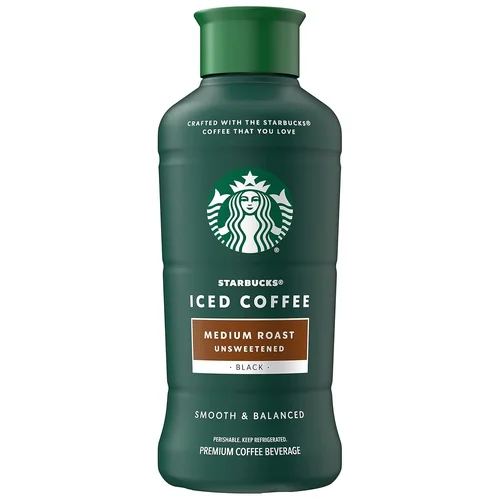
New York City thrives on rhythm—honking cabs, subway screeches, sidewalk chatter, and the constant hum of ambition. In this relentless urban symphony, few things keep New Yorkers going like a good cup of iced coffee. Whether you’re rushing to a meeting in Midtown, exploring Brooklyn’s hidden corners, or simply trying to survive a humid August afternoon, a cold, caffeinated boost is often non-negotiable. But here’s the catch: living in NYC is expensive. Rent, groceries, transit—everything costs more. So when it comes to daily caffeine fixes, “cheap” isn’t just a preference; it’s a necessity for many.
That’s why this guide exists. We’ve scoured the city—from corner bodegas in Queens to minimalist coffee shops in Williamsburg—to find the best cheap iced coffee options that don’t sacrifice quality for cost. This isn’t about settling for watery swill or over-roasted bitterness. It’s about discovering where you can get a refreshing, flavorful, and satisfying iced coffee without blowing your weekly budget. Whether you’re a student, a freelancer, a commuter, or just someone who loves coffee but hates overspending, this guide will help you navigate NYC’s vast and varied coffee landscape with confidence.
You’ll learn exactly what makes an iced coffee worth your dollar, how to spot hidden gems, and where to avoid overpriced traps. We’ll break down key factors like price, quality, convenience, and flavor profile, compare different types of coffee sources (bodegas, chains, indie cafes), and share insider tips from baristas and regulars alike. By the end, you’ll know not only where to go but also how to make smarter choices every time you’re craving that cold, creamy, caffeinated lift.

What to Look for When Buying Buying Guide
1. Budget & Price Range
Price is the most obvious factor—but it’s not just about the lowest number on the menu. In NYC, “cheap” can mean anything from $2 to $5 for a decent iced coffee. The sweet spot for most budget-conscious drinkers is between $2.50 and $4. At this range, you’re likely getting a freshly brewed, properly extracted cup that hasn’t been sitting in a thermal carafe for hours. Anything under $2 might signal pre-bottled, mass-produced, or stale coffee, while anything over $5 starts edging into premium territory—which defeats the purpose of a “cheap” option.
Look for places that offer value through volume or loyalty programs. Some bodegas sell large iced coffees for $3.50 that rival the size of a grande at national chains. Others give you a free drink after ten purchases. Also consider add-ons: if milk, syrup, or extra shots are included at no extra cost, that’s a win. Avoid spots that nickel-and-dime you for every customization—those fees add up fast.
2. Coffee Quality & Freshness
Just because you’re paying less doesn’t mean you should accept less. Freshness is critical—especially for iced coffee, which can turn sour or flat if brewed too far in advance. Ask when the coffee was last brewed. Ideally, it should be within the last two hours. Dark, oily grounds or a burnt smell are red flags. Look for places that brew in small batches or use cold brew methods, which extract smoother, less acidic flavors and stay fresh longer.
Bean origin matters too. While you won’t find single-origin pour-overs at $3, many affordable spots now use ethically sourced, medium-roast beans that balance sweetness and body. Avoid places that use pre-ground, stale beans or generic “house blend” with no origin info. A good rule of thumb: if the shop takes pride in its coffee, it’ll mention the roaster or bean type—even on a chalkboard behind the counter.
3. Brew Method & Extraction
Not all iced coffee is created equal. The method used dramatically affects taste, strength, and smoothness. The three most common methods in NYC’s affordable scene are:
– Cold Brew: Steeped in cold water for 12–24 hours. Results in a smooth, low-acid, naturally sweet coffee. Often less bitter and easier on the stomach. Perfect for hot days.
– Flash-Chilled (or Japanese Iced Coffee): Hot coffee brewed directly over ice. Preserves aroma and complexity but can dilute quickly if not done right.
– Traditional Brewed & Chilled: Regular hot coffee cooled and poured over ice. Riskier—can taste stale or watery if not freshly made.
For cheap options, cold brew is often the safest bet. It’s forgiving, consistent, and widely available. Flash-chilled is rarer at low price points but worth seeking out if you find it—it offers brighter, more nuanced flavors.
4. Customization & Add-Ons
Flexibility is key when you’re on a budget. Can you easily customize your drink without extra charges? Look for places that offer free milk alternatives (oat, almond, soy), house-made syrups, or adjustable sweetness levels. Some bodegas even let you bring your own cup for a discount—another way to save.
Avoid spots that charge $0.75 for oat milk or $1 for a flavored syrup. These “convenience fees” can turn a $3 coffee into a $5 one. Also, check if they offer size upgrades. A small might be $2.50, but a large could be $3.50—offering better value per ounce.
5. Location & Convenience
Even the best cheap iced coffee isn’t worth it if it’s out of your way. Proximity to subway stops, offices, or your daily route makes a huge difference. A $3 coffee two blocks from your office beats a $2.50 one that requires a 15-minute detour.
Consider foot traffic too. Busy spots often brew more frequently, meaning fresher coffee. Quiet corners might have older batches sitting around. Also, check hours—some great bodegas close by 7 PM, while others are open 24/7. If you’re a night owl or early riser, this matters.
6. Cleanliness & Service
You don’t need a Michelin-starred setup, but basic hygiene is non-negotiable. Is the counter clean? Are the ice scoops handled properly? Are cups stored covered? A dirty environment can indicate poor coffee handling—like leaving brewed coffee in warm containers too long.
Service speed and friendliness also impact your experience. In a city that moves fast, you don’t want to wait 10 minutes for a simple iced coffee. Look for places with efficient workflows—pre-measured ice, quick pour stations, and knowledgeable staff who can recommend the day’s best brew.
7. Brand Reputation & Consistency
While indie spots can be gems, established chains or well-reviewed local favorites often offer more consistency. A bodega with a loyal following likely has a reliable system—same beans, same brew time, same quality every day. Check Google Reviews or Yelp for recurring comments like “always fresh” or “best $3 coffee in the neighborhood.”
That said, don’t dismiss unknown spots. Some of the best cheap iced coffee comes from unassuming storefronts with passionate owners. Just look for signs of care: labeled brew times, clean equipment, and staff who seem to take pride in their work.
8. Sustainability & Ethics
More New Yorkers are considering the environmental and social impact of their purchases—even on a budget. Look for places that use compostable cups, offer discounts for reusable mugs, or source beans from ethical roasters. While this might not lower the price, it adds value to your purchase.
Some affordable spots partner with local roasters committed to fair trade or direct trade practices. Supporting these businesses aligns your spending with your values—without costing extra.
Different Types of Buying Guide

Common Buying Mistakes to Avoid
❌ Mistake: Choosing Based Solely on Price
Why it’s bad: The cheapest option isn’t always the best value. A $2 iced coffee that tastes like dishwater forces you to add three sugars and extra milk just to make it drinkable—wasting money and calories. Over time, you’ll spend more fixing a bad drink than you would on a slightly pricier but better-quality one.
What to do instead: Aim for the “value zone”—$3 to $4 for a well-brewed, satisfying cup. Test a few spots in your area and compare taste, not just cost.
❌ Mistake: Ignoring Brew Time
Why it’s bad: Iced coffee left sitting too long loses its brightness and can develop off-flavors. Many cheap spots brew large batches early in the day and serve them all afternoon. By 3 PM, that coffee might be stale.
What to do instead: Ask when the coffee was last brewed. If it’s been more than two hours, skip it or opt for cold brew, which stays fresh longer.
❌ Mistake: Over-Customizing
Why it’s bad: Adding syrups, milks, whipped cream, and extra shots can turn a $3 coffee into a $7 dessert. While customization is fun, it defeats the purpose of a budget drink.
What to do instead: Stick to simple additions—maybe one milk alternative or a splash of vanilla. Save the fancy drinks for special occasions.
❌ Mistake: Not Trying Local Spots
Why it’s bad: Chains offer consistency, but they often lack character. Many independent cafés and bodegas serve exceptional coffee at lower prices because they don’t have corporate overhead.
What to do instead: Venture off the beaten path. Ask locals for recommendations. You might discover a hidden gem blocks from your usual spot.
❌ Mistake: Forgetting Reusable Cups
Why it’s bad: Single-use cups add up—both in cost and environmental impact. Many places charge extra for disposable cups or don’t offer discounts for reusables.
What to do instead: Carry a lightweight travel tumbler. Some spots give $0.25 off for bringing your own cup—small savings that add up over time.
❌ Mistake: Not Checking Hours
Why it’s bad: You find the perfect cheap spot—only to realize it closes at 6 PM. If you’re a night worker or weekend explorer, this limits your options.
What to do instead: Note operating hours before making it your go-to. Look for 24-hour bodegas or early-opening cafés if your schedule is irregular.
❌ Mistake: Skipping Reviews
Why it’s bad: A shop might look clean and inviting, but if regulars complain about inconsistent quality or rude service, you’re setting yourself up for disappointment.
What to do instead: Spend two minutes checking Google or Yelp reviews. Look for patterns—repeated praise or complaints about freshness, speed, or taste.
Budget Guidelines: How Much Should You Spend?
– Entry-Level ($2.00 – $3.00): This tier includes most bodegas, some supermarket brew bars, and discount kiosks. Expect basic drip coffee poured over ice—decent but not exceptional. Quality varies widely, so scout carefully. Look for places that brew frequently and use visible, clean equipment. Great for students or those prioritizing cost above all.
– Mid-Range ($3.00 – $4.50): The sweet spot for most NYC coffee drinkers. Here, you’ll find well-made cold brews, flash-chilled options, and freshly brewed iced coffee from reputable local spots. Many independent cafés and upgraded bodegas fall into this range. You get better beans, fresher brews, and often free customizations. Ideal for daily drinkers who want quality without premium prices.
– Premium ($4.50 – $6.00): For enthusiasts who appreciate nuanced flavors and artisanal methods. Think single-origin cold brews, nitro infusions, or small-batch roasts. While pricier, these drinks offer complexity and smoothness that cheaper options can’t match. Best saved for weekends or special treats—but still affordable compared to full brunch.
– Luxury ($6.00+): Top-tier cafés with expert baristas, rare beans, and innovative techniques. These are less about “cheap” and more about experience. Unless you’re a coffee connoisseur, this tier is overkill for daily consumption—but worth trying once to appreciate the craft.
Expert Tips for Getting the Best Deal
– Buy During Off-Peak Hours: Mornings are busy, but afternoons (2–4 PM) often see slower traffic. Some spots brew fresh batches then to clear inventory—meaning you might get a newer, better-tasting cup at the same price.
– Use Loyalty Programs: Even cheap spots may have punch cards. Dunkin’, for example, offers free drinks after certain purchases. Local cafés sometimes have handwritten cards—ask! Ten $3 coffees get you one free: that’s a 10% discount.
– Follow on Social Media: Many indie cafés post daily specials or flash discounts on Instagram or Twitter. A “Happy Hour” from 3–5 PM with $1 off iced coffee can make a big difference.
– Ask for a “Traveler” or Large Size: Some places offer bigger volumes at a slight upcharge. A $3.50 large might give you 24 oz versus a $2.50 small at 12 oz—double the coffee for $1 more.
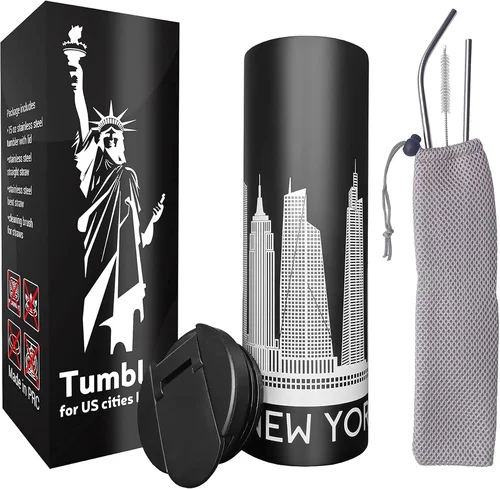
– Bring Your Own Cup: As mentioned, reusable cups often earn discounts. Plus, you avoid waste and sometimes get a warmer greeting from staff who appreciate eco-conscious customers.
– Test Before Committing: Try a small size first. If it’s great, come back for a large. If it’s mediocre, move on. Don’t let loyalty to a location cloud your judgment—your taste buds know best.
– Check for Student or Senior Discounts: Some bodegas and cafés offer reduced prices with ID. It never hurts to ask—especially in college-heavy neighborhoods like Morningside Heights or Greenwich Village.
– Avoid Tourist Hotspots: Times Square, SoHo, and major museums often have inflated prices. Walk a few blocks away, and you’ll find local prices and better quality.

Frequently Asked Questions
Q: Is cold brew really worth the extra cost?
A: Not always—but often yes. Cold brew is smoother, less acidic, and naturally sweeter than regular iced coffee. If a place charges $0.50 more for cold brew and you dislike bitterness, it’s a smart upgrade. However, some budget spots serve excellent cold brew at no extra charge, so compare options.
Q: Can I make good iced coffee at home to save money?
A: Absolutely! A simple cold brew setup (coarse grounds + cold water + jar) costs pennies per cup. Invest in a $20 French press or mason jar, and you’ll break even in weeks. Plus, you control the strength and sweetness. But if you’re short on time or space, buying out is still viable—just choose wisely.
Q: Why do some cheap coffees taste watery?
A: Usually due to over-dilution. Hot coffee poured over too much ice melts quickly, thinning the brew. Cold brew avoids this by design. If your iced coffee tastes weak, ask for less ice or request it “less diluted.”
Q: Are oat milk and other alternatives really more expensive?
A: Yes—but not because they cost more to produce. It’s a markup for perceived specialty. However, many places now include oat milk at no extra cost, especially as demand grows. Always ask before assuming there’s a fee.
Q: How long does iced coffee stay fresh?
A: Ideally, no more than 24 hours—and that’s for cold brew. Regular iced coffee should be consumed within 4–6 hours of brewing. After that, oxidation and temperature changes degrade flavor.
Q: What’s the difference between iced coffee and cold brew?
A: Iced coffee is hot-brewed coffee cooled and poured over ice. Cold brew is steeped in cold water for 12–24 hours. Cold brew is smoother, less acidic, and naturally sweeter—but takes longer to make.
Q: Can I reheat iced coffee?
A: Technically yes, but it’s not recommended. Reheating changes the chemical structure, often creating bitter or sour notes. Better to make a fresh hot cup if you change your mind.
Q: Are there any health concerns with cheap coffee?
A: Not inherently—but lower-quality beans may contain more mold or pesticides. Look for shops that mention “organic” or “fair trade,” even at low prices. Also, watch added sugars; some cheap spots use syrups with high fructose corn syrup.
Q: Do any NYC spots offer free refills?
A: Rarely for iced coffee—but some diners and older-style cafés might. More common for hot coffee. Always ask; policies vary widely.
Q: What’s the best time of day to buy iced coffee?
A: Early afternoon (1–3 PM) is ideal. Mornings are rushed, evenings may have stale batches, but midday often sees fresh brewing to meet lunch demand.
Our Final Recommendations
– Best for Budget-Conscious Buyers: Local Bodega Cold Brew – Found in neighborhoods like Astoria, Bushwick, or the Upper West Side, these unassuming spots often serve 16–20 oz cold brew for $3. Look for ones with visible brewing timers and clean counters. No frills, just solid coffee.
– Best Overall Value: Dunkin’ Iced Coffee (Medium, Customized) – At $3.49, Dunkin’ offers consistent quality, free milk alternatives, and a rewards app that gives you free drinks. Their iced coffee is smooth, not bitter, and widely available.
– Best Premium Option (Under $5): Bluestone Lane (Cold Brew) – This Australian-inspired chain serves excellent cold brew for $4.50. It’s smooth, slightly sweet, and served in a reusable cup if you ask. Locations in Midtown, Flatiron, and Brooklyn.
– Best for Beginners: Joe Coffee (Flash-Chilled Iced Coffee) – Joe’s flash-chilled method preserves bright, fruity notes even in iced form. At $4.25, it’s a step up in flavor without breaking the bank. Great for those new to specialty coffee.
– Best for Advanced Users: Devoción (Freshly Brewed Iced Coffee) – While slightly pricier ($5), Devoción sources beans directly from Colombian farms and brews daily. Their iced coffee is vibrant, complex, and worth the occasional splurge for true coffee lovers.
Conclusion: Making the Right Choice
Finding the best cheap iced coffee in NYC isn’t about luck—it’s about strategy. It’s knowing when to prioritize price, when to seek quality, and how to spot a good deal in a city full of tempting but overpriced options. By focusing on freshness, brew method, customization, and convenience, you can enjoy a daily caffeine fix that fuels your day without draining your wallet.
Remember, the goal isn’t to spend the least—it’s to get the most value. A $3.50 coffee that tastes amazing and fits your routine is better than a $2 one you dread drinking. Use this guide to explore, experiment, and refine your preferences. Talk to baristas, read reviews, and don’t be afraid to try that little shop on the corner.
New York rewards curiosity. The best cheap iced coffee might be just around the block—waiting for you to discover it. So grab your reusable cup, step out into the city, and start sipping smarter. Your taste buds—and your bank account—will thank you.