
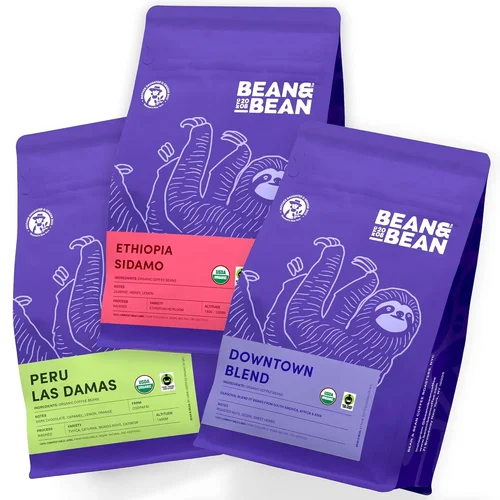
New York City is a coffee lover’s paradise—a sprawling metropolis where every corner seems to pulse with the aroma of freshly ground beans and the hum of espresso machines. From corner bodegas serving up quick drip to third-wave roasteries crafting single-origin pour-overs, the city offers an astonishing diversity of coffee experiences. But for those who want to bring that café-quality brew home, the real challenge isn’t just finding a great cup—it’s sourcing the best coffee beans NYC has to offer. Whether you’re a seasoned home barista or a curious beginner, choosing the right beans can make all the difference between a mediocre morning and a transcendent one.
This guide is designed to cut through the noise and help you navigate the vibrant—and sometimes overwhelming—NYC coffee scene. We’ll walk you through what truly matters when selecting beans, compare different types and sourcing models, highlight common pitfalls to avoid, and spotlight top-tier local roasters and retailers. By the end, you’ll have the knowledge and confidence to choose beans that match your taste, budget, and brewing style—whether you’re grinding for a French press, pulling shots on an espresso machine, or experimenting with cold brew.
The NYC coffee market is as dynamic as the city itself. Independent roasters thrive alongside national chains, farmers market vendors rub shoulders with high-end specialty shops, and online subscriptions deliver fresh beans straight to your door. This abundance means more choices than ever—but also more room for confusion. With so many options, how do you know which beans are truly worth your money? That’s where this guide comes in. We’ve done the legwork: visiting shops, tasting samples, interviewing roasters, and analyzing customer feedback to bring you a curated, expert-backed roadmap to the best coffee beans in the five boroughs.

What to Look for When Buying Coffee Beans
1. Freshness & Roast Date
Freshness is arguably the single most important factor in coffee quality. Unlike wine, coffee doesn’t improve with age—it peaks within days of roasting and begins to degrade rapidly after that. Look for beans that display a clear roast date (not just a “best by” date) on the packaging. Ideally, you want beans roasted within the past two weeks, especially if you’re brewing methods like pour-over or espresso that highlight nuanced flavors.
In NYC, many top-tier roasters roast in small batches multiple times per week, ensuring maximum freshness. Avoid pre-ground coffee whenever possible—whole beans retain volatile aromatic compounds far longer. When you grind just before brewing, you capture the full spectrum of flavor. If you must buy pre-ground, check that it was ground recently and stored properly (in an airtight container, away from light and heat).
2. Origin & Bean Variety
Coffee beans come from different regions around the world, each imparting distinct flavor profiles. Ethiopian beans often offer floral, tea-like notes with bright acidity, while Colombian coffees tend toward balanced sweetness and nutty undertones. Guatemalan beans might deliver chocolatey richness with smoky depth, and Kenyan coffees are known for their wine-like complexity and sharp citrus tang.
Understanding origin helps you align your purchase with your taste preferences. Single-origin beans (from one farm or region) showcase terroir and processing methods, while blends combine beans from multiple origins to create consistent, balanced cups. In NYC, many roasters proudly list origin details—even down to the farm or cooperative level—so don’t hesitate to ask or read labels carefully.
3. Roast Level
Roast level dramatically affects flavor, body, and caffeine content. Light roasts preserve the bean’s inherent characteristics—think floral, fruity, or tea-like notes—and are ideal for pour-over or AeroPress. Medium roasts strike a balance, offering sweetness and body without overpowering the origin flavors; they’re versatile and work well across most brewing methods. Dark roasts emphasize bold, smoky, or caramelized notes, often masking origin subtleties but delivering a rich, full-bodied cup perfect for espresso or milk-based drinks.
Your ideal roast depends on both personal taste and brewing equipment. If you’re new to home brewing, a medium roast is a safe starting point. But don’t assume darker equals stronger—light roasts often have slightly more caffeine and certainly more complexity. Many NYC roasters offer sample packs so you can experiment before committing to a full bag.
4. Processing Method
How coffee cherries are processed after harvesting significantly influences flavor. The three main methods are washed (fermented and rinsed, yielding clean, bright cups), natural (dried with fruit intact, producing fruity, fermented notes), and honey (partially removed fruit, offering a middle ground with sweetness and body). Each method brings unique characteristics: washed coffees are crisp and acidic, naturals are bold and jammy, and honey-processed beans offer syrupy sweetness with moderate clarity.
In NYC’s specialty coffee scene, processing details are increasingly transparent. Roasters often highlight processing on packaging or websites, especially for single-origin offerings. If you enjoy fruity, fermented flavors, seek out natural-processed Ethiopian or Brazilian beans. For cleaner, more traditional profiles, go washed. This level of detail separates commodity coffee from craft offerings.
5. Ethical Sourcing & Sustainability
More than ever, consumers care about where their coffee comes from and how it’s produced. Ethical sourcing ensures farmers are paid fairly, work in safe conditions, and use sustainable practices. Look for certifications like Fair Trade, Rainforest Alliance, or Direct Trade—but also recognize that many NYC roasters build direct relationships with farms, bypassing certifications to offer even greater transparency and farmer compensation.
Sustainability extends beyond social ethics to environmental impact. Some roasters use compostable packaging, carbon-neutral shipping, or support reforestation projects. Others partner with farms using regenerative agriculture. While these factors may not directly affect taste, they reflect a brand’s values—and increasingly, a consumer’s. Supporting ethical roasters helps build a more equitable and resilient coffee industry.
6. Grind Consistency & Packaging
Even the best beans lose quality if poorly packaged or inconsistently ground. Whole beans should be stored in resealable, opaque bags with one-way valves that let CO₂ escape without letting oxygen in. Avoid clear bags—light accelerates staling. If buying pre-ground, ensure the grind size matches your brewing method (e.g., coarse for French press, fine for espresso).
Grind consistency matters because uneven particles extract at different rates, leading to bitter or sour notes. High-quality burr grinders produce uniform grounds, but if you’re buying pre-ground, choose reputable roasters who grind to order or use precision equipment. Many NYC shops will grind beans for you upon request—just specify your brewer type.
7. Price vs. Value
Coffee pricing in NYC varies widely—from $8 for a basic blend at a corner store to $30+ for a microlot Gesha from a specialty roaster. But price doesn’t always correlate with quality. A $12 bag from a local roaster may outperform a $20 bag from a mass-market brand due to fresher roasting and better sourcing.
Focus on value, not just cost. Consider cost per ounce, roast date, origin transparency, and your own brewing frequency. If you drink coffee daily, investing in higher-quality beans pays off in taste and satisfaction. Occasional drinkers might prioritize convenience or affordability. Many NYC roasters offer subscription models that deliver fresh beans regularly at a slight discount—a smart way to lock in value.
8. Local Roaster Reputation & Community Engagement
New York’s coffee culture thrives on community. The best roasters don’t just sell beans—they educate, engage, and contribute. Look for shops that host cupping sessions, offer brewing classes, or collaborate with local artists and farmers. A roaster’s reputation among baristas, food critics, and regulars speaks volumes.
Check online reviews, but also visit in person if possible. Observe how staff interact with customers, whether they can explain roast profiles or brewing tips, and if the space feels welcoming. A passionate, knowledgeable team often reflects a commitment to quality beyond the bag. Supporting local roasters also keeps money circulating in the NYC economy—a win-win for taste and community.
Different Types of Coffee Bean Retailers in NYC
Common Buying Mistakes to Avoid
❌ Mistake: Ignoring the Roast Date
Why it’s bad: Coffee begins losing flavor within days of roasting. Beans without a visible roast date could be weeks or even months old, resulting in flat, stale coffee regardless of origin or price.
What to do instead: Always check for a roast date on the package. If it’s missing, ask the seller. Prioritize roasters who roast to order or at least weekly. When in doubt, choose a newer date—even if it means a less exotic origin.
❌ Mistake: Buying Pre-Ground Coffee for Daily Use
Why it’s bad: Pre-ground coffee loses aroma and complexity quickly due to increased surface area exposure to air. What tastes “okay” in the store may taste dull or cardboard-like at home.
What to do instead: Invest in a decent burr grinder (even a manual one) and buy whole beans. Grind only what you need right before brewing. Many NYC shops will grind for free if you specify your brewer—take advantage!
❌ Mistake: Choosing Based Solely on Price
Why it’s bad: Cheap beans often come from low-quality lots, over-roasted to mask defects, or stored improperly. Conversely, expensive doesn’t always mean better—some brands markup heavily without adding value.
What to do instead: Balance price with transparency. A $16 bag from a roaster who lists farm name, processing method, and roast date is often a better value than a $24 bag with vague labeling. Sample small amounts first.
❌ Mistake: Overlooking Brewing Method Compatibility
Why it’s bad: A light roast Ethiopian might shine in a V60 but turn sour in a French press. Conversely, a dark Italian roast could overwhelm a delicate pour-over but excel in an espresso machine.
What to do instead: Match roast level and grind size to your brewing method. Ask roasters for recommendations—they often provide brewing notes on packaging or websites. Experiment with sample packs to find your ideal match.
❌ Mistake: Storing Beans Improperly
Why it’s bad: Heat, light, air, and moisture accelerate staling. Leaving beans in the freezer or near the stove destroys freshness faster than age alone.
What to do instead: Store beans in an airtight container in a cool, dark cupboard. Avoid clear containers and frequent opening. Buy smaller quantities more often rather than hoarding large bags.
❌ Mistake: Not Trying Local Roasters
Why it’s bad: National brands dominate shelf space, but NYC’s independent roasters offer fresher, more innovative, and often more ethical options. Sticking to familiar names means missing out on unique local gems.
What to do instead: Visit neighborhood roasteries, attend cuppings, or try subscription services from NYC-based roasters. You’ll likely discover flavors and stories you won’t find anywhere else.
❌ Mistake: Assuming All “Specialty” Coffee Is Equal
Why it’s bad: The term “specialty” is unregulated. Some shops use it loosely for any non-instant coffee, while true specialty coffee meets strict quality standards (SCA scoring 80+ points).
What to do instead: Look beyond labels. Check if the roaster provides detailed origin info, roast dates, and brewing guidance. Read reviews from knowledgeable sources or ask baristas for their honest opinions.
Budget Guidelines: How Much Should You Spend?
Your ideal coffee budget depends on how much you drink, your brewing setup, and your taste expectations. Here’s a realistic breakdown for NYC buyers:
Entry-Level ($8–$12 per 12 oz): This tier includes supermarket brands, bodega blends, and some farmers market offerings. Expect decent drinkability for basic drip or French press, but limited complexity and potentially older beans. Best for casual drinkers or large households where volume matters more than nuance.
Mid-Range ($13–$20 per 12 oz): The sweet spot for most home brewers. At this price, you’ll find fresh, well-sourced beans from reputable NYC roasters—often single-origin or thoughtfully crafted blends. These coffees offer clear origin character, balanced acidity, and versatility across brewing methods. Ideal for daily drinking with room to explore.
Premium ($21–$30 per 12 oz): For enthusiasts and discerning palates. This range features microlots, experimental processing (like anaerobic fermentation), and rare varieties (e.g., Geisha). Roast dates are typically within days, and packaging is often compostable or reusable. Perfect for pour-over, AeroPress, or espresso aficionados who appreciate terroir and innovation.
Luxury ($30+ per 12 oz): Reserved for truly exceptional offerings—think award-winning farms, limited harvests, or collaborative projects between roasters and growers. These beans are often sold in small quantities and may include detailed tasting notes, harvest stories, and even QR codes linking to farmer interviews. While not necessary for great coffee, they offer an immersive experience for collectors and connoisseurs.
Expert Tips for Getting the Best Deal
- Buy during seasonal sales: Many NYC roasters offer discounts in January (post-holiday lull) or September (new harvest arrivals). Sign up for newsletters to catch flash sales or bundle deals.
- Try subscription models: Services like Sey Coffee, Variety Coffee, or Brooklyn Roasting Company offer subscriptions with free shipping, early access to new releases, and occasional discounts. You can pause or cancel anytime.
- Visit during off-peak hours: Weekday mornings or late afternoons often mean less crowding and more time to chat with staff. Some roasters offer “roaster’s choice” discounts on near-expiry beans.
- Ask for samples: Reputable shops often provide small tastings or sell quarter-pound bags. This lets you test before committing to a full purchase.
- Check return policies: While rare, some roasters accept returns if beans are defective or stale. Know the policy before buying large quantities.
- Compare online vs. in-store: Online prices may be lower due to reduced overhead, but in-store purchases let you inspect packaging and ask questions. Some roasters price-match their own websites.
- Join loyalty programs: Shops like Joe Coffee or Café Grumpy offer punch cards or digital rewards—buy 9 bags, get the 10th free. Over time, this adds up.
- Attend community events: Farmers markets, coffee festivals (like NYC Coffee Festival), or roaster open houses often feature exclusive deals, free tastings, and meet-the-roaster opportunities.

Frequently Asked Questions
Q: How long do coffee beans stay fresh?
A: Whole bean coffee is best consumed within 2–4 weeks of roasting for peak flavor, though it remains drinkable for up to 8 weeks if stored properly. Ground coffee should be used within 1–2 weeks. Always check the roast date—not the “best by” date.
Q: Should I freeze my coffee beans?
A: Generally, no. Freezing causes condensation when thawed, which degrades quality. Only freeze if you’re storing beans for more than a month and plan to use them all at once after thawing. For short-term storage, a cool, dark cupboard is best.
Q: What’s the difference between Arabica and Robusta?
A: Arabica beans are smoother, more complex, and lower in caffeine—preferred by specialty roasters. Robusta is harsher, more bitter, and higher in caffeine, often used in instant coffee or espresso blends for crema. In NYC’s specialty scene, you’ll almost exclusively find high-quality Arabica.
Q: Can I trust “organic” or “fair trade” labels?
A: These certifications indicate certain standards, but they’re not guarantees of quality or ethics. Many excellent NYC roasters use direct trade instead, which often pays farmers more and ensures better transparency. Read beyond the label.
Q: How much coffee should I buy at once?
A: For most home brewers, a 12 oz bag lasts 1–2 weeks. Buy only what you’ll use in that timeframe to ensure freshness. If you drink daily, consider smaller, more frequent purchases or a subscription.
Q: Are NYC roasters really better than national brands?
A: Often, yes—especially regarding freshness and sourcing. Local roasters typically roast smaller batches more frequently, maintain closer farmer relationships, and prioritize flavor over shelf life. That said, some national brands (like Stumptown or Blue Bottle) also excel.
Q: What’s the best way to store coffee at home?
A: Use an airtight, opaque container (ceramic or stainless steel) in a cool, dark place—never near the stove, window, or fridge. Avoid plastic bags unless they have one-way valves and are sealed tightly.
Q: How do I know if a roast is too old?
A: Signs include a lack of aroma, flat taste, excessive bitterness, or a papery aftertaste. If your coffee tastes “off” despite proper brewing, the beans may be stale. Always check the roast date first.
Q: Should I buy decaf?
A: If you enjoy coffee but are sensitive to caffeine, high-quality decaf (processed via Swiss Water or CO₂ methods) can still offer great flavor. Many NYC roasters offer excellent decaf options—look for those specifying the decaffeination process.
Q: Can I brew any bean with any method?
A: Technically yes, but results vary. Light roasts shine with pour-over or AeroPress; medium roasts suit drip or French press; dark roasts excel in espresso or Moka pots. Match your beans to your brewer for the best experience.
Our Final Recommendations
Best for Budget-Conscious Buyers: Joe Coffee Company – With multiple locations across Manhattan and Brooklyn, Joe offers consistently fresh, well-priced beans ($14–$18) with clear origin info. Their “House Blend” is a reliable daily drinker, and they often have discounted day-old bags.
Best Overall Value: Variety Coffee – A Brooklyn-born roaster known for transparency, vibrant single-origins, and affordable subscriptions ($16–$22). Their Ethiopian and Colombian offerings are standout values, roasted weekly and delivered fresh.
Best Premium Option: Sey Coffee – Located in Bushwick, Sey focuses on light-roasted, high-scoring microlots ($24–$32). Their beans are roasted to highlight terroir, with detailed tasting notes and farm stories. Ideal for pour-over purists.
Best for Beginners: Brooklyn Roasting Company – Friendly staff, approachable blends, and a wide range of roast levels ($12–$20). Their “Pioneer Blend” is a smooth, forgiving intro to specialty coffee, and they offer free brewing tips in-store.
Best for Advanced Users: Onyx Coffee Lab (NYC Pop-Ups & Online) – Though based in Arkansas, Onyx frequently collaborates with NYC cafes and ships fresh beans nationwide. Their experimental processing and rare varieties ($28–$40) cater to serious tasters seeking innovation.
Conclusion: Making the Right Choice
Finding the best coffee beans in NYC isn’t about chasing the most expensive bag or the trendiest roaster—it’s about aligning your purchase with your taste, lifestyle, and values. Freshness, transparency, and compatibility with your brewing method matter far more than branding or hype. Whether you’re sipping a $10 blend from a Queens farmers market or savoring a $35 Gesha from a Williamsburg micro-roastery, the goal is the same: a cup that delights, energizes, and connects you to the people and places behind the beans.
Use this guide as your compass. Prioritize roast dates, ask questions, experiment with origins, and support the local roasters who are shaping NYC’s coffee culture. Remember, great coffee is a journey—not a destination. Start small, stay curious, and let every cup teach you something new. Your perfect brew is out there, waiting in a neighborhood shop, a weekend market stall, or a carefully curated subscription box. All you have to do is take the first sip.
Now go forth—grind, brew, and enjoy. The city’s best beans are just a few blocks away.