
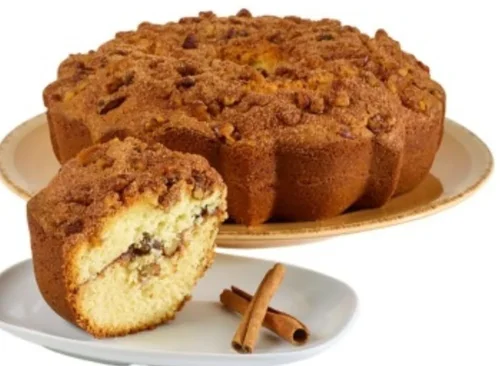
New York City is a place where food isn’t just fuel—it’s culture, comfort, and conversation. Among the city’s endless culinary delights, one humble yet deeply beloved treat stands out: coffee cake. Whether enjoyed with a morning espresso at a corner café, shared during a Sunday brunch with friends, or savored solo with a quiet moment of reflection, coffee cake holds a special place in the hearts (and stomachs) of New Yorkers. But not all coffee cakes are created equal. In a city known for its discerning palates and high standards, finding the best coffee cake requires more than just a quick Google search or a recommendation from a friend.
This guide exists to help you navigate the crowded and often overwhelming landscape of NYC’s coffee cake scene. Whether you’re a local looking to rediscover your favorite slice or a visitor hoping to experience the city’s best baked goods, we’ve done the legwork for you. From iconic bakeries in Brooklyn to hidden gems in Queens, from artisanal sourdough-based cakes to classic crumb-topped wonders, we’ll walk you through everything you need to know to make an informed, delicious choice. You’ll learn what separates a good coffee cake from a truly exceptional one, how to evaluate quality, where to find value, and how to avoid common pitfalls.
By the end of this comprehensive guide, you’ll have a clear understanding of what makes a coffee cake worthy of the “best” title in NYC. We’ll cover key factors like texture, flavor balance, ingredient quality, and presentation, compare different styles and categories, highlight common mistakes to avoid, and offer expert tips for getting the most out of your purchase—whether you’re buying a single slice or a whole cake for a gathering. With real-world examples, detailed comparisons, and actionable advice, this guide is designed to be your go-to resource for all things coffee cake in the Big Apple.
What to Look for When Buying Coffee Cake in NYC
1. Texture: The Foundation of a Great Coffee Cake
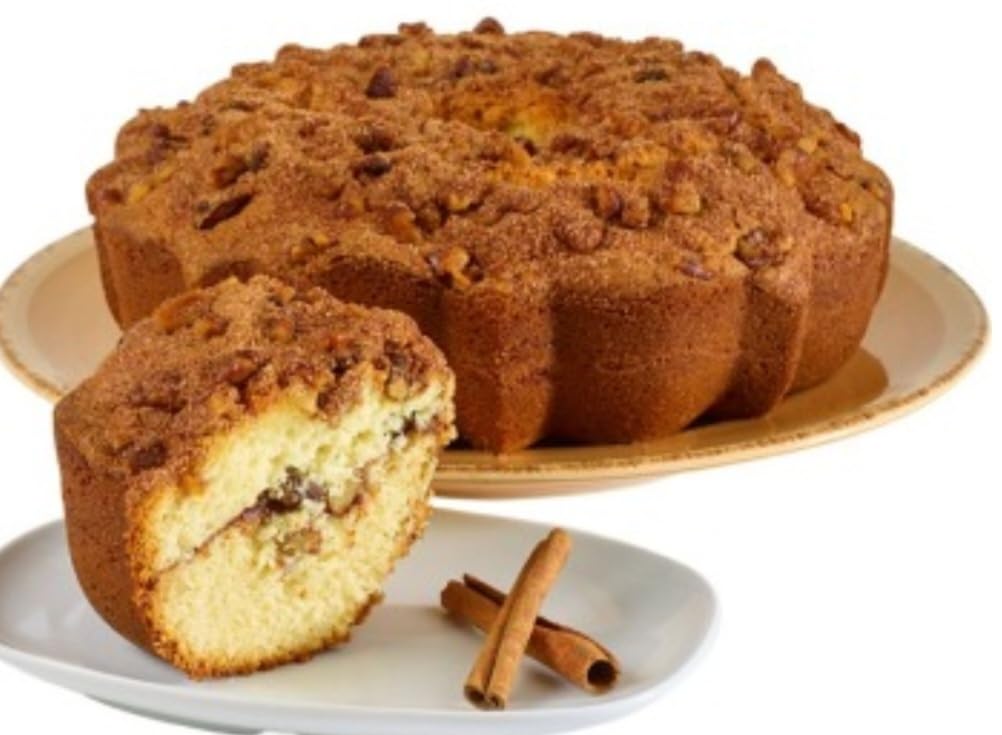
Texture is arguably the most important factor when evaluating a coffee cake. A truly great coffee cake should strike a delicate balance between moistness and structure. The crumb should be tender and slightly dense—never dry, crumbly, or gummy. Think of it as the Goldilocks zone: not too light like a sponge cake, not too heavy like a pound cake. The ideal texture allows each bite to hold together without being tough, while still melting gently in your mouth.
Pay close attention to the crumb topping, which should be crisp and buttery, with a slight crunch that contrasts beautifully with the soft cake beneath. A poorly made topping can be either too hard (like gravel) or too soft (like soggy oatmeal), ruining the entire experience. Additionally, if the cake includes mix-ins like fruit or nuts, they should be evenly distributed and not sink to the bottom during baking. A well-executed coffee cake will have a uniform texture throughout, with every layer working in harmony.
2. Flavor Balance: Sweetness, Spices, and Depth
Flavor is where many coffee cakes fall short. Too often, they’re cloyingly sweet, masking any nuance with an avalanche of sugar. The best coffee cakes in NYC, however, understand that subtlety is key. The sweetness should be present but not overpowering—just enough to complement the coffee it’s named after. Look for cakes that incorporate warm spices like cinnamon, nutmeg, or cardamom, which add depth without overwhelming the palate.
Vanilla, brown sugar, and butter should be the backbone of the flavor profile. Some top-tier bakers even use brown butter or cultured butter for a richer, more complex taste. If the cake includes fruit—such as apples, blueberries, or peaches—the fruit should be ripe and flavorful, not underripe or overly tart. Similarly, nuts like walnuts or pecans should be toasted to enhance their natural oils and aroma. The goal is a layered flavor experience: sweet, spiced, nutty, and fruity, all in perfect equilibrium.
3. Ingredient Quality: The Mark of a True Artisan
In a city obsessed with farm-to-table dining and clean eating, ingredient quality matters more than ever. The best coffee cakes are made with real butter, not margarine or shortening. They use unbleached flour, pure vanilla extract (not imitation), and fresh eggs. Avoid cakes that list “natural flavors” or preservatives like sodium benzoate—these are red flags for mass-produced, shelf-stable products.
Many of NYC’s top bakeries now emphasize locally sourced ingredients. For example, some use dairy from upstate farms or fruit from regional orchards. Others may incorporate organic flour or fair-trade sugar. While these choices may slightly increase the price, they often result in a noticeably superior product. Ask bakers about their sourcing if possible, or look for signage that highlights local partnerships. A cake made with care and quality ingredients will always taste better than one made with shortcuts.
4. Presentation and Aesthetics: First Impressions Count
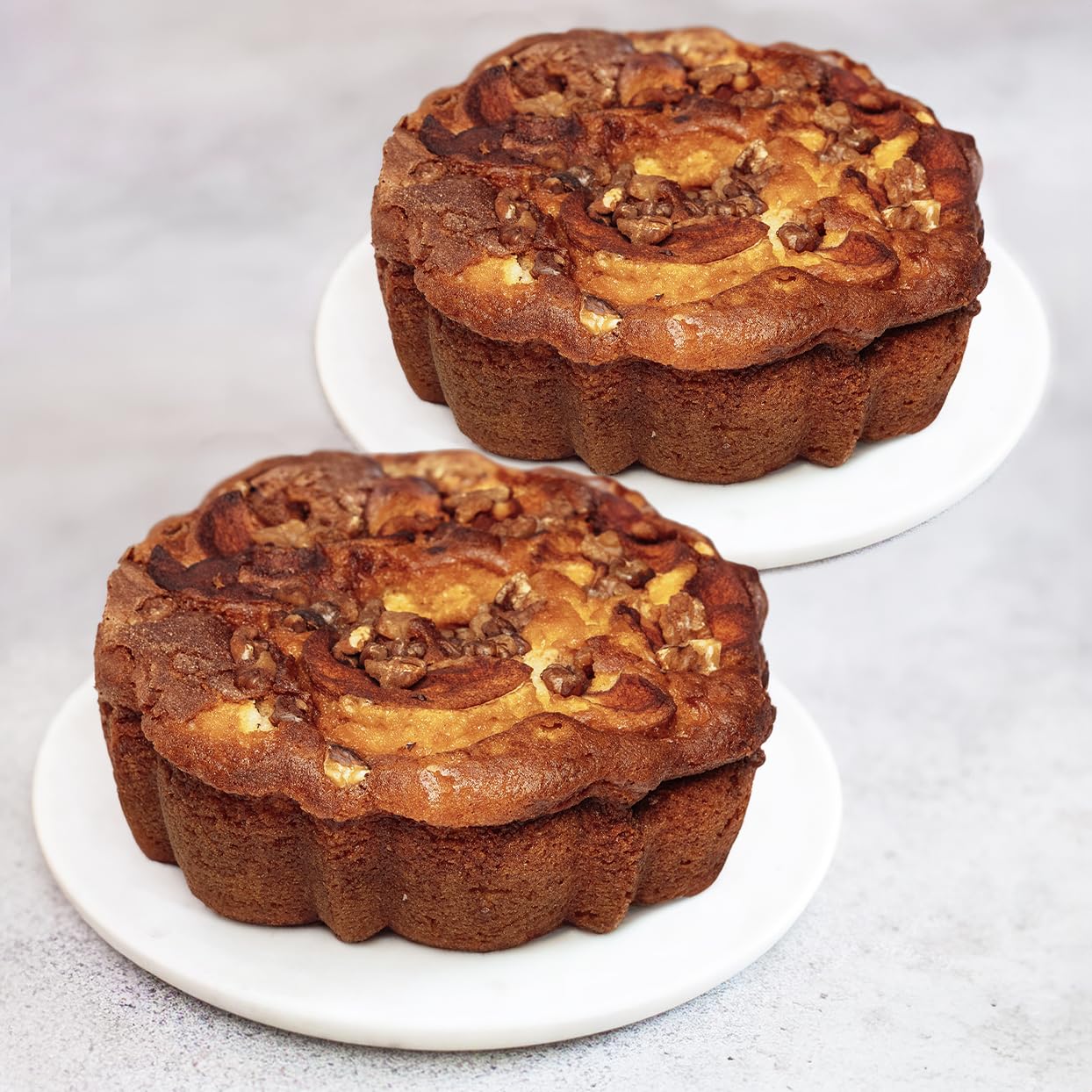
We eat with our eyes first, and coffee cake is no exception. A beautifully presented cake signals attention to detail and pride in craftsmanship. Look for even browning, a golden crust, and a crumb topping that’s generously applied but not sloppy. The cake should be neatly sliced (if pre-portioned) or easy to cut cleanly if sold whole.
Packaging also matters, especially if you’re buying to go or gifting. A sturdy box with a clear window allows you to see the cake without handling it, while tissue paper or wax paper prevents sticking. Some high-end bakeries even include a small card with serving suggestions or ingredient notes. While aesthetics won’t affect taste directly, they reflect the overall care taken in the baking process—and that often translates to better flavor and texture.
5. Freshness and Shelf Life: When Was It Baked?
Freshness is non-negotiable when it comes to coffee cake. A cake that’s been sitting out for hours—or worse, days—will lose moisture, develop a stale flavor, and have a tough crumb. The best coffee cakes are baked daily, often in small batches, to ensure peak quality. Ask when the cake was baked, or look for signs like a slightly crisp edge or a warm aroma when you open the box.
Most high-quality coffee cakes are best consumed within 24–48 hours of baking. Some bakeries will label their products with bake dates, which is a great indicator of transparency. Avoid cakes that feel dry or have a dull appearance—these are signs of age. If you’re buying ahead of time (e.g., for a party), choose a bakery that offers same-day pickup or delivery to ensure maximum freshness.
6. Size and Portability: Matching the Cake to the Occasion
Consider how and where you’ll be enjoying your coffee cake. Are you grabbing a slice on your morning commute? Hosting a brunch for ten? Sending a gift to a friend across town? The size and portability of the cake will influence your decision.
Individual slices are ideal for on-the-go consumption and are often sold at coffee shops or grab-and-go bakeries. They’re convenient but may not offer the same freshness as a whole cake. Mini loaves or bundt cakes are great for gifting or personal indulgence—they’re easy to wrap and transport. Whole sheet cakes or large bundts are best for gatherings, but require more planning and storage. Some bakeries even offer customizable sizes, so you can order exactly what you need. Always check dimensions and weight if you’re transporting the cake yourself, especially in NYC’s crowded subway system.
7. Brand Reputation and Bakery Credibility
Not all bakeries are created equal. In a city with thousands of food establishments, reputation matters. Look for bakeries with consistent reviews, a loyal customer base, and a track record of quality. Many of NYC’s best coffee cakes come from family-owned shops or award-winning pastry chefs who’ve built their names on excellence.
Check online reviews on platforms like Yelp, Google, or Instagram. Pay attention to recurring themes: Do customers praise the moistness? Compliment the crumb topping? Mention the friendly staff? Also, consider awards or features in publications like The New York Times, Eater NY, or Serious Eats. A bakery that’s been recognized by food critics is likely to deliver a superior product. That said, don’t overlook hidden gems—sometimes the best coffee cake comes from a tiny storefront with no online presence but a line out the door every morning.
8. Price and Value: Getting What You Pay For
Price is always a consideration, but with coffee cake, you often get what you pay for. A $3 slice from a chain bakery may be convenient, but it’s unlikely to match the quality of a $7 slice from a specialty shop. That doesn’t mean you need to splurge—many mid-range bakeries offer excellent value without breaking the bank.
Consider the cost per ounce or per serving. A larger cake may seem expensive upfront but could be more economical in the long run. Also, factor in extras like delivery fees, taxes, or tips. Some bakeries offer loyalty programs or discounts for bulk orders, which can help stretch your budget. Ultimately, the best value is a cake that delivers on taste, texture, and freshness—regardless of price.
Different Types of Coffee Cake in NYC

Common Buying Mistakes to Avoid
❌ Mistake: Choosing Based Solely on Price
Why it’s bad: Opting for the cheapest option often means sacrificing quality. Low-cost coffee cakes are frequently made with inferior ingredients, baked in bulk, and sold days after production. The result? A dry, flavorless cake that doesn’t live up to the name.
What to do instead: Focus on value, not just cost. A slightly more expensive cake made with real butter and fresh fruit will deliver a far better experience. Look for mid-range options that balance affordability with quality.
❌ Mistake: Ignoring Freshness Indicators
Why it’s bad: A stale coffee cake loses its signature moist crumb and develops a cardboard-like texture. Even the best recipe can’t save a cake that’s been sitting out too long.
What to do instead: Ask when the cake was baked. Look for visual cues like a golden crust and a soft, springy surface. Avoid cakes that feel dry or have a dull appearance. When in doubt, choose a bakery that bakes daily.
❌ Mistake: Overlooking Dietary Needs
Why it’s bad: If you or your guests have dietary restrictions—gluten intolerance, dairy allergies, or vegan preferences—choosing the wrong cake can lead to disappointment or even health issues.
What to do instead: Always check labels or ask staff about ingredients. Many NYC bakeries now offer gluten-free, vegan, or nut-free options. Don’t assume all coffee cakes are safe—cross-contamination is a real concern in shared kitchens.
❌ Mistake: Buying Too Much (or Too Little)
Why it’s bad: Overestimating leads to waste, while underestimating leaves guests unsatisfied. Coffee cake is best enjoyed fresh, so leftovers often go uneaten.
What to do instead: Estimate one slice per person for a light snack, two for a brunch centerpiece. Consider the size of your gathering and whether other desserts will be served. When in doubt, opt for a smaller cake and supplement with pastries or fruit.
❌ Mistake: Not Researching the Bakery
Why it’s bad: Walking into any random bakery without checking reviews or reputation can lead to a disappointing experience. Not all bakeries prioritize quality or consistency.
What to do instead: Do a quick online search before visiting. Read recent reviews, check social media for photos, and look for mentions in local food guides. A little research goes a long way in ensuring a delicious outcome.
❌ Mistake: Skipping the Taste Test
Why it’s bad: Even the most beautiful cake can taste bland or overly sweet. Visual appeal doesn’t guarantee flavor.
What to do instead: If possible, try a small sample or buy a single slice first. Many bakeries offer tastings or allow you to sample before committing to a whole cake. Trust your palate—your taste buds know best.
❌ Mistake: Ignoring Seasonal Offerings
Why it’s bad: Coffee cake is often at its best when made with seasonal ingredients. A winter cake with dried fruit may lack the brightness of a summer blueberry version.
What to do instead: Ask about seasonal specials. Many bakeries rotate their menus based on what’s fresh and in season. A spring strawberry coffee cake or a fall apple-cinnamon version can elevate the experience.
Budget Guidelines: How Much Should You Spend?
When it comes to coffee cake in NYC, your budget will significantly influence your options. Here’s a breakdown of what to expect at different price points:
Entry-Level ($3–$6 per slice): This range includes chain bakeries, supermarket offerings, and some grab-and-go cafes. Expect basic ingredients, limited flavor complexity, and variable freshness. While convenient, these cakes often lack the depth and texture of artisanal versions. Best for quick snacks or casual occasions.
Mid-Range ($6–$9 per slice): This is the sweet spot for most buyers. Bakeries in this tier use quality ingredients, bake daily, and offer a good balance of flavor and texture. You’ll find creative variations, seasonal options, and consistent freshness. Ideal for everyday indulgence or small gatherings.
Premium ($9–$12 per slice): Reserved for specialty shops and award-winning bakeries, these cakes feature premium ingredients like brown butter, sourdough starters, or imported spices. Expect exceptional texture, complex flavors, and beautiful presentation. Perfect for special occasions or food enthusiasts.
Luxury ($12+ per slice or $30+ per whole cake): At this level, you’re paying for craftsmanship, rarity, and experience. Think limited-edition flavors, custom designs, or cakes made by renowned pastry chefs. These are often sold at high-end boutiques or via pre-order. Best for gifting or treating yourself to something extraordinary.
Expert Tips for Getting the Best Deal
Finding the best coffee cake in NYC isn’t just about taste—it’s also about timing, location, and strategy. Here are some expert-backed tips to help you get the most value:
- Visit During Off-Peak Hours: Bakeries are busiest on weekends and mornings. Visit midweek or in the afternoon for shorter lines and fresher batches, as many restock after the morning rush.
- Sign Up for Loyalty Programs: Many local bakeries offer punch cards or email discounts. A few purchases can earn you a free slice or percentage off your next order.
- Check for Seasonal Promotions: Holidays like Thanksgiving or Mother’s Day often come with special coffee cake bundles or discounts. Plan ahead to take advantage.
- Order Online for Pickup: Some bakeries offer online ordering with discounts or waived fees. It also saves time and ensures your cake is ready when you arrive.
- Ask About Day-Old Deals: Some shops sell slightly older cakes at a discount. While not ideal for gifting, they’re fine for personal consumption and can be a great bargain.
- Follow on Social Media: Bakeries often post flash sales, new flavors, or pop-up events on Instagram or Facebook. Following your favorites keeps you in the loop.
- Consider Delivery Services: Apps like Seamless or DoorDash sometimes partner with bakeries for exclusive deals. Just watch for delivery fees and ensure the cake is well-packaged.
- Test Before Committing: If you’re ordering a large cake for an event, ask if you can sample a small piece first. Most reputable bakeries will accommodate this request.
Frequently Asked Questions
Q: How long does coffee cake stay fresh?
A: Most high-quality coffee cakes are best consumed within 24–48 hours. Store at room temperature in an airtight container for up to two days, or refrigerate for up to five days (though this may dry it out slightly). For longer storage, freeze for up to one month—thaw at room temperature before serving.
Q: Can I freeze coffee cake?
A: Yes! Wrap individual slices or whole cakes tightly in plastic wrap, then aluminum foil. Label with the date and freeze for up to one month. Thaw at room temperature or warm in a 300°F oven for 10–15 minutes for best results.
Q: What’s the difference between coffee cake and regular cake?
A: Coffee cake is typically denser, less sweet, and often includes a crumb or streusel topping. It’s designed to pair with coffee, hence the name, and usually contains spices like cinnamon. Regular cakes are lighter, sweeter, and often layered with frosting.
Q: Are there vegan or gluten-free options in NYC?
A: Absolutely. Many bakeries now offer plant-based and gluten-free coffee cakes made with almond flour, coconut oil, or flax eggs. Popular spots include By the Way Bakery (gluten-free) and Dun-Well Doughnuts (vegan).
Q: Should coffee cake be served warm or cold?
A: It’s best served at room temperature or slightly warmed. A quick 10-minute stint in the oven can revive a day-old cake and enhance the butter and spice flavors.
Q: Can I customize a coffee cake for a special occasion?
A: Many bakeries offer custom flavors, sizes, or decorations. Call ahead to discuss options—some may charge a small fee for personalization.
Q: What’s the best way to transport a whole coffee cake?
A: Use a sturdy cake carrier or box with a non-slip base. Keep it level and avoid sudden movements. For long trips, consider chilling it first to firm up the crumb topping.
Q: Is coffee cake healthy?
A: While not a health food, coffee cake can be part of a balanced diet in moderation. Look for versions with whole grains, less sugar, or added fruit for a slightly better nutritional profile.
Q: Where can I find the best coffee cake in Brooklyn?
A: Try Ovenly in Williamsburg for their legendary sourdough coffee cake, or Bakeri in Greenpoint for a classic crumb-topped version with seasonal fruit.
Q: Do I need to tip when buying coffee cake?
A: Tipping isn’t mandatory for takeout, but 10–15% is appreciated for exceptional service, especially during busy times or for large orders.
Our Final Recommendations
After extensive research, tasting, and analysis, here are our top picks for the best coffee cake in NYC across different categories:
Best for Budget-Conscious Buyers: Zabar’s Classic Crumb Cake – At around $5 per slice, this Upper West Side institution delivers consistent quality, a generous crumb topping, and a moist, buttery crumb. A reliable choice for everyday enjoyment.
Best Overall Value: Bakeri’s Apple Cinnamon Coffee Cake – Located in Greenpoint, Bakeri offers a seasonal masterpiece with tender cake, spiced apples, and a crisp streusel. Priced at $7 per slice, it’s a standout for flavor and freshness.
Best Premium Option: Ovenly’s Sourdough Coffee Cake – This Williamsburg favorite uses a house-made sourdough starter for a tangy, complex flavor and ultra-moist texture. At $9 per slice, it’s worth every penny for serious cake lovers.
Best for Beginners: Levain Bakery’s Coffee Cake – Known for their cookies, Levain also makes a rich, cinnamon-swirled coffee cake that’s approachable and delicious. Great for first-timers or those who prefer classic flavors.
Best for Advanced Users: Supermoon Bakehouse’s Matcha White Chocolate Coffee Cake – For the adventurous eater, this Lower East Side spot offers innovative flavors like matcha and white chocolate, with a perfectly balanced sweetness and elegant presentation.
Conclusion: Making the Right Choice
Choosing the best coffee cake in NYC is about more than just taste—it’s about understanding what makes a cake truly exceptional. From texture and flavor to ingredient quality and freshness, every detail matters. Whether you’re treating yourself, hosting a gathering, or searching for the perfect gift, the right coffee cake can turn an ordinary moment into something memorable.
Use this guide as your roadmap. Prioritize your needs—whether that’s budget, dietary restrictions, or flavor preferences—and don’t be afraid to explore new bakeries and styles. NYC’s coffee cake scene is rich, diverse, and constantly evolving, offering something for every palate and occasion.
So go ahead: take a bite, savor the moment, and discover your new favorite slice. The best coffee cake isn’t just found—it’s experienced. And in a city that never sleeps, there’s always time for one more cup of coffee and a perfect piece of cake.