
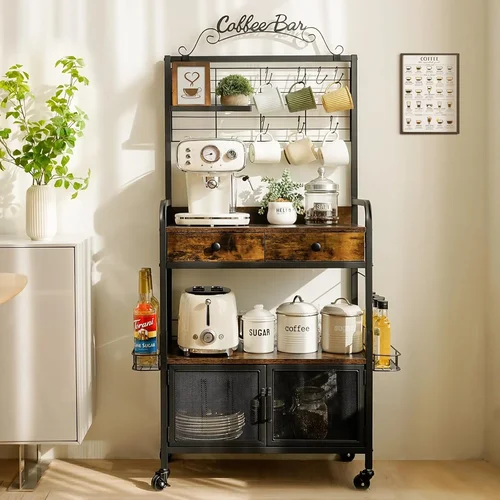
Coffee carts have become an iconic part of New York City’s bustling streetscape—offering everything from quick espresso shots to artisanal pour-overs on the go. Whether you’re a barista launching your first mobile coffee business, a café owner looking to expand your footprint, or an event planner needing a stylish setup for pop-ups and weddings, choosing the right coffee cart in NYC is no small decision. The city’s unique environment—dense foot traffic, strict permitting rules, unpredictable weather, and high customer expectations—demands equipment that’s not just functional but also durable, efficient, and compliant with local regulations.
This comprehensive buying guide is designed to cut through the noise and help you make a smart, informed investment. We’ll walk you through every critical factor—from budget considerations and build quality to mobility features and brand reliability—so you can find a coffee cart that fits your specific needs, whether you’re serving commuters in Midtown or hosting brunch events in Brooklyn. By the end of this guide, you’ll know exactly what to look for, what to avoid, and how to get the best value for your money in one of the most competitive coffee markets in the world.
The market for coffee carts in NYC is surprisingly diverse. You’ll find everything from DIY repurposed shopping carts to sleek, custom-built mobile bars equipped with dual boilers, refrigerated compartments, and even built-in POS systems. Prices range from under $2,000 for basic models to over $20,000 for fully loaded professional setups. With so many options—and so much at stake—it’s easy to feel overwhelmed. But don’t worry: we’ve done the legwork. Drawing on industry insights, real-world testing, and feedback from NYC-based coffee entrepreneurs, this guide delivers expert-level advice tailored specifically to the challenges and opportunities of operating in the Big Apple.

What to Look for When Buying a Coffee Cart
1. Budget & Price Range
Your budget will be the single biggest constraint—and opportunity—when selecting a coffee cart. In NYC, where startup costs are already high due to permits, insurance, and location fees, it’s crucial to allocate your funds wisely. A common mistake is overspending on aesthetics while skimping on essential performance components like the espresso machine or water filtration system.
Coffee carts in NYC typically fall into three tiers: entry-level ($2,000–$5,000), mid-range ($5,000–$12,000), and premium ($12,000+). Entry-level carts often use refurbished or compact machines and may lack weatherproofing or storage. Mid-range models strike a balance between cost and capability, usually featuring reliable commercial-grade espresso machines, stainless steel construction, and basic mobility features. Premium carts are built for heavy daily use, with custom designs, advanced plumbing, backup power options, and integrated technology.
Before setting a number, calculate your total startup costs—including permits (which can run $1,000–$3,000 annually), insurance ($500–$1,500/year), and initial inventory. Then, aim to spend no more than 30–40% of your total budget on the cart itself. This ensures you have enough left for operations, marketing, and unexpected expenses.
2. Performance Specifications
The heart of any coffee cart is its brewing equipment. In a city where customers expect speed, consistency, and quality, your machine’s performance directly impacts your reputation and revenue. Key specs to evaluate include boiler type (single vs. dual), pump pressure (ideally 9 bars), group head design (E61 is industry standard), and recovery time between shots.
For high-volume locations like Times Square or Union Square, a dual-boiler machine (like the La Marzocco Linea Mini or Nuova Simonelli Appia II) is almost essential. It allows simultaneous brewing and steaming, reducing wait times during rush hours. Single-boiler machines work for lower-volume carts but can struggle during peak demand.
Water quality is another performance factor often overlooked. NYC tap water is generally safe but can be hard, leading to scale buildup in boilers. Look for carts with built-in filtration systems or plan to install one separately. Also, consider voltage requirements: most commercial machines need 220V, so ensure your cart has proper electrical wiring or a compatible generator.
Grinder consistency matters too. A high-quality burr grinder (like the Mazzer Mini or Eureka Olympus) ensures uniform extraction, which is critical for espresso quality. Avoid blade grinders—they create uneven particles that lead to bitter or sour shots.
3. Build Quality & Durability
NYC’s streets are tough on equipment. Potholes, curbs, rain, snow, and constant movement demand a cart built to last. Prioritize materials like 16- or 18-gauge stainless steel for the frame and work surfaces—it resists rust, is easy to clean, and holds up under heavy use. Avoid painted steel or particleboard, which can chip, warp, or corrode.
Check weld quality: seams should be smooth and continuous, not spot-welded. Doors and drawers need heavy-duty hinges and latches—flimsy hardware fails quickly under daily opening/closing. Wheels are critical too: opt for pneumatic or solid rubber tires with sealed bearings. Swivel casters with locks provide stability when parked, while rigid wheels help with straight-line pushing over long distances.
Weather resistance is non-negotiable. Look for sealed electrical compartments, drip trays, and covered storage. Some premium carts include retractable awnings or side panels for rain protection. If you’re operating year-round (and most successful NYC carts do), invest in a model designed for all-season use.
4. Features & Functionality
Beyond brewing coffee, your cart should support your entire workflow. Think about what you’ll need daily: storage for beans, cups, syrups, and cash; refrigeration for milk; space for a sink or water reservoir; and electrical outlets for grinders, lights, or POS systems.
Modular designs are ideal—they let you customize layout based on your menu. For example, if you serve cold brew or nitro coffee, you’ll need keg storage and CO2 tanks. If you offer pastries, consider a heated display case. Many modern carts include fold-out counters, LED lighting, and USB charging ports for customer convenience.
Mobility features matter too. Weight distribution affects how easy it is to push—especially important if you’re navigating crowded sidewalks or subway stairs. Some carts come with electric assist motors (like the Cart-Kart Pro), which reduce physical strain and allow one person to move heavy loads.
Don’t forget compliance features. NYC requires food service carts to have hand-washing stations or hand sanitizer dispensers, waste bins, and proper waste water containment. Ensure your cart meets DOH (Department of Health) standards before purchasing.
5. Brand Reputation
Not all coffee cart manufacturers are created equal. Some specialize in custom builds for high-end clients, while others mass-produce generic models with limited support. Research brands that have a proven track record in urban environments—especially those with existing clients in NYC.
Look for companies that offer local service and parts availability. If your espresso machine breaks down on a Monday morning, you don’t want to wait two weeks for a replacement pump from overseas. Brands like Cart-Kart, Coffee Cart Company, and Mobile Coffee Bar have strong reputations and often provide NYC-specific configurations.
Read reviews from actual operators—not just marketing testimonials. Platforms like Yelp, Reddit’s r/coffee, and Facebook groups for NYC food vendors are goldmines of honest feedback. Pay attention to comments about customer service, warranty fulfillment, and ease of repairs.
6. Warranty & Support
A solid warranty is your safety net. Most reputable manufacturers offer 1–3 years on structural components and 6–12 months on electrical/mechanical parts. But read the fine print: some exclude “commercial use” or “wear and tear,” which defeats the purpose for a working cart.
Ask about support responsiveness. Can you get a technician on-site within 24–48 hours? Is there a local service partner in NYC? Some companies offer remote diagnostics or loaner equipment during repairs—hugely valuable when every hour of downtime means lost sales.
Extended warranties or service plans may be worth it if you’re investing in a premium cart. Compare the cost against potential repair bills. For a $15,000 machine, a $1,500 extended warranty could save you thousands if a boiler fails.
7. Size & Portability
Space is at a premium in NYC—both on the street and in your storage area. Measure your intended operating zone carefully. Most sidewalk permits allow carts up to 6 feet wide and 8 feet long, but some locations have tighter restrictions.
Consider how you’ll transport the cart. Will it fit in a standard cargo van? Does it disassemble for storage in a small apartment or garage? Weight is crucial too: a fully loaded cart can exceed 500 lbs. Make sure you (or your team) can safely maneuver it.
Foldable or collapsible designs save space but may sacrifice durability. If portability is key, look for carts with removable wheels or modular sections. However, never compromise stability for convenience—a wobbly cart is a safety hazard and hurts your professional image.
8. User Reviews & Ratings
Never buy a coffee cart based solely on specs or photos. Real user experiences reveal hidden flaws—like poor drainage, noisy pumps, or difficult assembly. Focus on reviews from operators in similar environments (urban, high-traffic, all-weather).
Look for patterns: if multiple users complain about the same issue (e.g., “wheels lock up in cold weather”), it’s likely a design flaw. Conversely, consistent praise for ease of cleaning or customer service is a strong positive signal.
Use review platforms strategically. Google Reviews and Facebook often have photos of carts in action. YouTube unboxings and walkthroughs show build quality firsthand. And don’t hesitate to reach out to reviewers directly—many are happy to share tips.
Different Types of Coffee Carts

Common Buying Mistakes to Avoid
❌ Mistake: Ignoring NYC Permit Requirements
Why it’s bad: Operating without proper permits can result in fines up to $2,000 per violation, confiscation of your cart, or even criminal charges. The NYC Department of Health, Department of Transportation, and Business Integrity Commission all regulate mobile food vendors.
What to do instead: Before buying, research permit requirements for your intended location. Some carts are pre-certified for DOH compliance—look for NSF certification or ask the manufacturer for documentation. Budget for permit fees and factor them into your total cost.
❌ Mistake: Choosing Based on Looks Alone
Why it’s bad: A beautifully painted cart with a weak espresso machine will frustrate customers and hurt your reputation. Aesthetics matter for branding, but functionality drives sales.
What to do instead: Prioritize performance and durability first. You can always add custom wraps, logos, or lighting later. Test the brewing system thoroughly—preferably with a demo unit.
❌ Mistake: Overlooking Water and Waste Management
Why it’s bad: Without proper water supply and waste containment, you’ll run out of clean water quickly and violate health codes. Spills also create slip hazards.
What to do instead: Choose a cart with large freshwater tanks (20+ gallons), wastewater tanks, and a built-in sink or hand-wash station. Consider carts with foot-pump sinks to conserve water.
❌ Mistake: Skimping on Wheels and Mobility
Why it’s bad: Cheap plastic wheels crack on cobblestones or freeze in winter. Poor weight distribution makes pushing exhausting, especially on inclines.
What to do instead: Invest in heavy-duty, all-terrain wheels with sealed bearings. Test the cart’s maneuverability before buying—push it over uneven pavement if possible.
❌ Mistake: Not Planning for Storage and Security
Why it’s bad: Leaving your cart unattended overnight risks theft or vandalism. Lack of secure storage also limits your ability to stock inventory.
What to do instead: Choose a cart with lockable cabinets and consider adding a GPS tracker or alarm system. If you can’t store it indoors, invest in a high-quality cover and chain lock.
❌ Mistake: Buying Without Testing
Why it’s bad: Specs on paper don’t reveal real-world issues like noisy pumps, slow heat-up times, or awkward workflow layouts.
What to do instead: Request a live demo or visit a showroom. If possible, talk to current owners in NYC. Some manufacturers offer trial periods or rental options.
❌ Mistake: Forgetting About Seasonal Needs
Why it’s bad: A cart that works fine in summer may fail in winter due to frozen water lines or lack of insulation.
What to do instead: Opt for weather-resistant models with insulated tanks, heated compartments, or optional winter kits. Plan for seasonal menu changes (e.g., hot chocolate in winter).
Budget Guidelines: How Much Should You Spend?
Entry-Level ($2,000–$5,000): Ideal for pop-ups, weekend markets, or testing the business idea. Expect compact espresso machines (e.g., Breville Bambino), basic stainless frames, and limited storage. May require DIY modifications for full compliance. Best for low-volume, short-term use.
Mid-Range ($5,000–$12,000): The sweet spot for most serious startups. Includes reliable commercial machines (e.g., Rancilio Silvia Pro X), solid construction, adequate water/waste systems, and basic mobility features. Suitable for daily operation in moderate-traffic areas.
Premium ($12,000–$20,000): Built for high-volume, year-round success. Features dual-boiler machines, custom layouts, electric assist, advanced filtration, and robust weatherproofing. Often includes branding elements and integrated tech (POS, lighting). Justified if you’re operating in prime locations like Bryant Park or SoHo.
Luxury ($20,000+): For established brands or luxury experiences. Think full kitchens on wheels, espresso bars with seating, or carts with built-in cold brew taps and pastry warmers. These are less about ROI and more about creating a destination experience.
Expert Tips for Getting the Best Deal
1. Buy During Off-Season: Demand for coffee carts dips in winter (December–February). Manufacturers often offer discounts or free upgrades to move inventory. You’ll also have more negotiating power.
2. Consider Refurbished or Demo Units: Reputable dealers sell certified pre-owned carts at 20–40% off retail. These are thoroughly inspected and often come with warranties. Great for budget-conscious buyers who want premium features.
3. Bundle with Equipment: Some suppliers offer package deals—cart + espresso machine + grinder + accessories—at a discounted rate. This saves money and ensures compatibility.
4. Negotiate Shipping and Setup: NYC delivery can cost $500–$1,500 due to narrow streets and parking restrictions. Ask if the seller covers delivery or offers white-glove setup.
5. Leverage Local Networks: Join NYC food vendor associations or Facebook groups. Members often sell used carts or share leads on deals. You might find a barely-used cart from someone who quit the business.
6. Check Return and Trial Policies: Some companies offer 7–14 day trials. Use this time to test the cart in real conditions. If it doesn’t meet expectations, return it hassle-free.
7. Factor in Taxes and Fees: NYC sales tax is 8.875%. Add this to your total cost. Also, some financing options charge origination fees—read the fine print.
8. Plan for Future Upgrades: Choose a modular cart that allows easy additions (e.g., extra fridge, second grinder). This extends the cart’s lifespan and adapts to menu changes.

Frequently Asked Questions
Q: Do I need a permit to operate a coffee cart in NYC?
A: Yes. You’ll need a Mobile Food Vendor License from the NYC Department of Health, a permit from the Business Integrity Commission (if selling near schools or parks), and possibly a DOT permit for certain locations. Costs vary by zone and cart type.
Q: Can I operate a coffee cart year-round in NYC?
A: Absolutely—many top carts operate 365 days a year. Just ensure your cart is winter-ready with insulated water lines, heated components, and non-slip surfaces.
Q: How much space do I need to store a coffee cart?
A: Most standard carts require a 6’ x 8’ footprint. If space is tight, look for foldable designs or consider renting shared storage with other vendors.
Q: What’s the average ROI for a NYC coffee cart?
A: Successful carts can break even in 6–18 months, depending on location, pricing, and volume. Prime spots (e.g., near subway entrances) generate $800–$2,000/day in revenue.
Q: Can I customize the look of my cart?
A: Yes! Most manufacturers offer custom paint, vinyl wraps, and branding. Just ensure modifications don’t compromise structural integrity or compliance.
Q: Do I need a generator for my coffee cart?
A: Only if you’re operating in areas without access to power outlets. Many carts use battery packs or connect to nearby buildings. Generators add noise and fuel costs—avoid unless necessary.
Q: How often should I service my espresso machine?
A: Daily cleaning is essential. Professional descaling and maintenance should be done every 3–6 months, or more frequently in high-volume settings.
Q: Are there financing options for coffee carts?
A: Yes. Some manufacturers partner with lenders like Balboa Capital or Kabbage. Rates vary, but expect 6–12% APR for qualified buyers.
Q: Can I serve food from my coffee cart?
A: Only if your permit allows it and your cart meets additional DOH requirements (e.g., separate prep area, refrigeration). Most coffee-only carts avoid this complexity.
Q: What’s the best location for a coffee cart in NYC?
A: High-foot-traffic areas near transit hubs (Penn Station, Grand Central), office districts (Midtown, FiDi), and tourist spots (Central Park, Brooklyn Bridge). Always check permit availability first.
Our Final Recommendations
Best for Budget-Conscious Buyers: Cart-Kart Standard Model ($6,500) – Reliable, DOH-compliant, and built with NYC conditions in mind. Includes Rancilio machine and solid wheels.
Best Overall Value: Coffee Cart Company Pro Series ($9,800) – Excellent balance of performance, durability, and features. Dual-boiler ready and easy to customize.
Best Premium Option: Mobile Coffee Bar Custom Build ($16,500) – Handcrafted stainless steel, electric assist, and full weatherproofing. Perfect for high-volume, year-round operation.
Best for Beginners: Breville Barista Express Cart Kit ($4,200) – All-in-one solution with integrated grinder and compact design. Great for learning the ropes.
Best for Advanced Users: La Marzocco Linea Mini Cart Integration ($14,000+) – For those who demand café-quality espresso on the go. Requires technical know-how but delivers unmatched results.
Conclusion: Making the Right Choice
Choosing the best coffee cart in NYC isn’t just about finding the shiniest machine or the lowest price—it’s about aligning your investment with your business goals, operational realities, and the unique demands of the city. From navigating permit labyrinths to surviving winter storms, every detail matters. By focusing on build quality, performance specs, and real-world usability, you’ll set yourself up for long-term success.
Remember: your cart is more than equipment—it’s your storefront, your brand ambassador, and your livelihood. Take the time to research, test, and plan. Talk to other operators, visit showrooms, and don’t rush the decision. The right cart will pay for itself in customer satisfaction, operational efficiency, and peace of mind.
Now that you’re armed with expert knowledge, it’s time to brew your future. Whether you’re serving your first espresso in Chelsea or expanding to multiple locations, choose wisely—and drink well.