
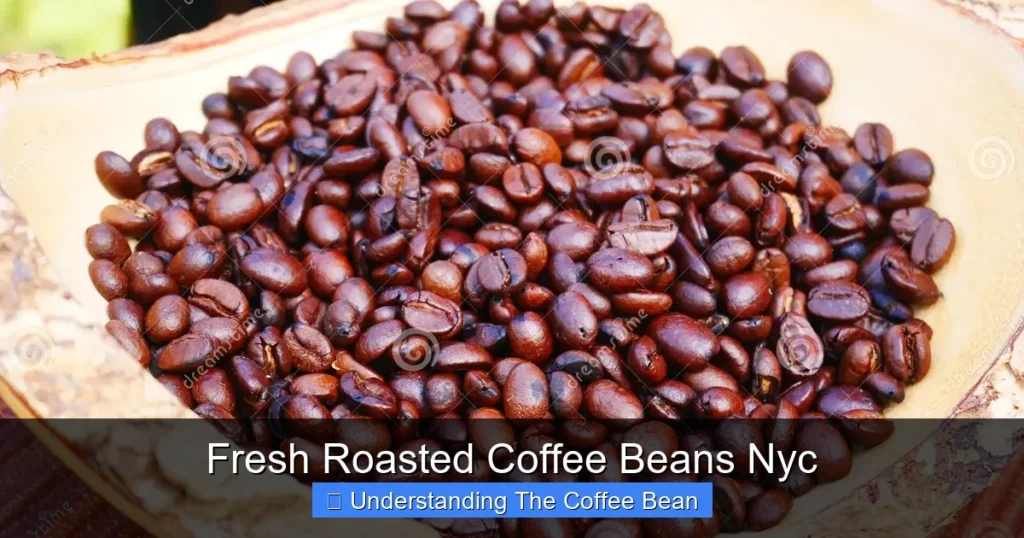
Fresh roasted coffee beans in NYC are more than just a morning pick-me-up—they’re a craft, a culture, and a community. From small-batch roasters in Brooklyn to iconic shops in Manhattan, the city’s coffee scene thrives on quality, innovation, and passion.
Key Takeaways
- Freshness matters: Coffee beans are at their peak flavor within 2–4 weeks of roasting, making timing crucial for the best taste.
- NYC is a roasting hub: The city is home to dozens of independent roasters who prioritize small-batch, high-quality beans.
- Roast date is key: Always look for the roast date on packaging—not the “best by” date—to ensure freshness.
- Local roasters offer unique profiles: From fruity Ethiopian beans to smoky French roasts, NYC roasters experiment with flavor like nowhere else.
- Grind at home for maximum flavor: Pre-ground coffee loses aroma quickly; grinding just before brewing preserves freshness.
- Sustainability is rising: Many NYC roasters focus on ethical sourcing and eco-friendly packaging.
- Try a coffee subscription: Get fresh roasted coffee beans delivered to your door with curated selections from top NYC roasters.
📑 Table of Contents
The Rise of Fresh Roasted Coffee Beans in NYC
New York City has long been known for its fast pace, towering skyscrapers, and 24/7 energy. But beneath the surface of this urban jungle lies a quieter, more aromatic revolution: the rise of fresh roasted coffee beans. What was once dominated by mass-produced, stale coffee from big chains is now being transformed by a wave of passionate roasters, baristas, and coffee lovers who believe that great coffee starts with freshness.
In the past decade, NYC has seen a surge in independent coffee roasters who prioritize quality over quantity. These artisans source beans directly from farmers, roast in small batches, and deliver beans to cafes and customers within days—sometimes hours—of roasting. This shift isn’t just about taste; it’s about respect for the bean, the farmer, and the craft. Whether you’re sipping a pour-over in a Williamsburg café or grabbing a cold brew from a cart in Midtown, chances are you’re drinking coffee that was roasted right here in the city.
The demand for fresh roasted coffee beans in NYC reflects a broader cultural shift toward mindful consumption. People want to know where their food—and their coffee—comes from. They care about sustainability, fair trade, and the story behind each cup. And in a city that never sleeps, a truly great cup of coffee can be the difference between a sluggish morning and a productive day.
What Makes Coffee Beans “Fresh”?
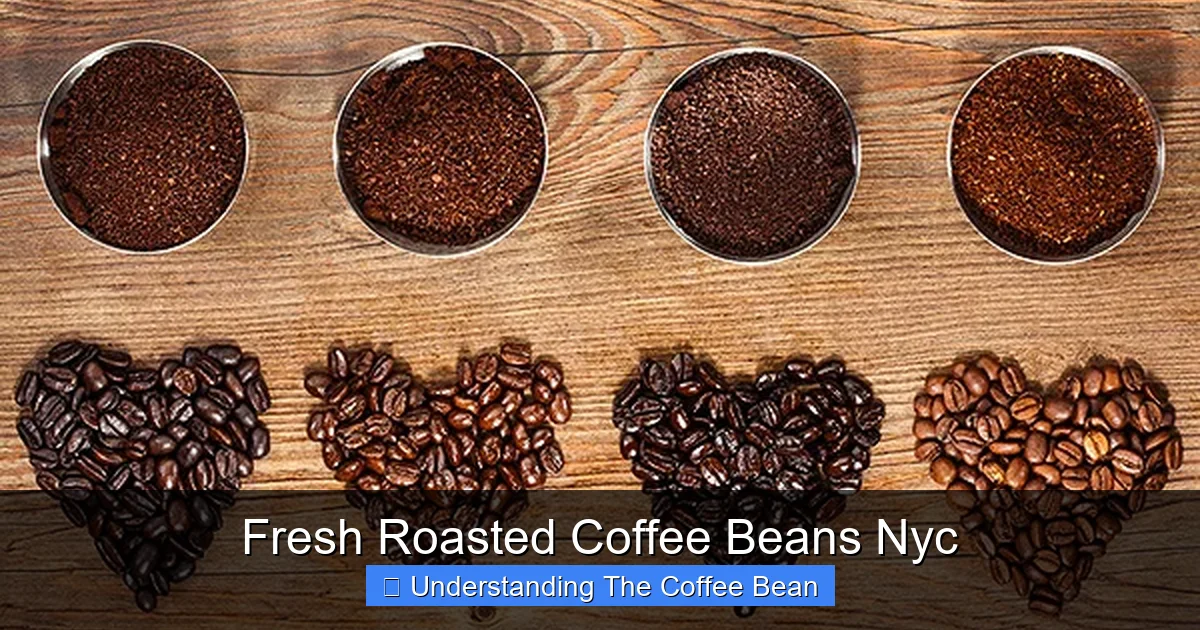
Visual guide about Fresh Roasted Coffee Beans Nyc
Image source: socal-coffeeservice.com
So, what exactly does “fresh” mean when it comes to coffee beans? It’s not just about how recently they were picked from the plant—it’s about the entire journey from farm to cup. Fresh roasted coffee beans are those that have been roasted recently and are consumed while they’re still at peak flavor.
Coffee beans begin to lose their freshness the moment they’re roasted. During the roasting process, moisture and carbon dioxide are released, and the beans develop their complex flavors. But after about two weeks, those flavors start to fade. Oxygen, light, heat, and moisture accelerate this process, which is why storing coffee properly is just as important as roasting it well.
True freshness is measured by the roast date—not the “best by” or “use by” date printed on the bag. A “best by” date can be months away, but that doesn’t mean the beans are still fresh. For example, a bag of coffee labeled “best by December 2025” might have been roasted in June 2024—already six months old. In contrast, a bag with a roast date of October 10, 2024, is likely still vibrant and flavorful if stored correctly.
The ideal window for enjoying fresh roasted coffee beans is within 2 to 4 weeks of the roast date. During this time, the beans retain their aromatic oils, bright acidity, and nuanced flavor notes—whether it’s the floral hints of a Kenyan bean or the chocolatey richness of a Colombian roast.
Why Roast Date Matters More Than Expiration Date
Many coffee drinkers are misled by expiration dates. These dates are often set arbitrarily and don’t reflect the actual freshness of the beans. A coffee bag might say “expires in 12 months,” but that doesn’t mean it’s still good to drink after six months. In fact, after just one month, a significant portion of the coffee’s aroma and flavor has already faded.
Roast date, on the other hand, tells you exactly when the beans were roasted. This allows you to judge their freshness accurately. When shopping for coffee in NYC—whether at a local roaster, a specialty store, or online—always look for the roast date. If it’s not listed, that’s a red flag. Reputable roasters will proudly display this information because they know it’s a sign of quality.
For example, a roaster like Sey Coffee in Brooklyn typically roasts beans every few days and ships them within 48 hours. Their bags clearly state the roast date, so customers know they’re getting the freshest possible product. This transparency builds trust and ensures a better coffee experience.
How to Store Fresh Roasted Coffee Beans
Even the freshest beans can go stale if not stored properly. To preserve the flavor of your fresh roasted coffee beans, follow these simple tips:
– Keep them airtight: Use a container with a tight-sealing lid. Oxygen is the enemy of fresh coffee.
– Avoid light and heat: Store beans in a cool, dark place like a pantry or cupboard. Never leave them on the counter near a window or stove.
– Don’t refrigerate or freeze: Contrary to popular belief, the fridge or freezer can introduce moisture and odors, which degrade flavor. Only freeze beans if you’re storing them for more than a month—and even then, use a vacuum-sealed bag.
– Buy in small batches: Purchase only what you’ll use in 1–2 weeks to ensure maximum freshness.
A great example is the Fellow Atmos vacuum canister, which removes air from the container to keep beans fresh longer. Many NYC coffee enthusiasts swear by it.
Top NYC Roasters Serving Fresh Coffee Beans
New York City is home to some of the most innovative and passionate coffee roasters in the world. These local businesses are redefining what it means to drink coffee by focusing on freshness, sustainability, and flavor. Here are a few standout roasters that are leading the charge.
Sey Coffee (Brooklyn)
Sey Coffee is a pioneer in the NYC coffee scene, known for its light-roast, single-origin beans that highlight the unique characteristics of each coffee. Located in a sleek warehouse in Bushwick, Sey roasts in small batches and ships beans within 24–48 hours of roasting. Their beans are often described as “clean,” “bright,” and “complex,” with tasting notes like jasmine, peach, and bergamot.
What sets Sey apart is their commitment to transparency. They provide detailed information about the farms where their beans are grown, including farmer names, processing methods, and harvest dates. This level of detail is rare and shows their dedication to quality and ethics.
Devoción (Williamsburg & Flatiron)
Devoción takes freshness to the next level by importing green coffee beans directly from Colombian farms and roasting them in Brooklyn within days of harvest. Their slogan, “Fresh from the Farm,” isn’t just marketing—it’s a promise. They even have a “farm-to-cup” timeline on their website, showing exactly how long it takes from harvest to your cup.
Their cafes in Williamsburg and Flatiron serve coffee that’s often roasted the same day. The result? A cup that tastes like it was brewed in the mountains of Colombia. Their signature blend, “The Classic,” is a balanced, smooth coffee with notes of caramel and red apple.
Parlor Coffee (Williamsburg)
Parlor Coffee is a favorite among coffee professionals and enthusiasts alike. They roast in small batches using a vintage Probat roaster, which gives their beans a unique depth and consistency. Their beans are known for their clarity and balance, with flavor profiles that range from fruity and floral to nutty and chocolatey.
Parlor also offers a subscription service that delivers fresh roasted coffee beans to your door every week or two. Subscribers can choose from a rotating selection of single-origin beans, each with detailed tasting notes and brewing tips.
Joe Coffee (Multiple Locations)
With several locations across Manhattan and Brooklyn, Joe Coffee is one of the most accessible fresh-roast options in NYC. They roast their beans in Long Island City and serve them in their cafes within days. Their beans are consistently high-quality, with a focus on approachable, well-balanced flavors.
Joe Coffee also offers a wide range of brewing methods, from espresso to cold brew to siphon coffee. Their staff is knowledgeable and happy to help you find the perfect bean for your taste.
Toby’s Estate (Williamsburg & Chelsea)
Originally from Australia, Toby’s Estate brought the third-wave coffee movement to NYC with their focus on precision roasting and education. Their Williamsburg roastery is a must-visit for coffee lovers, with an open roasting floor where you can watch the beans being roasted.
Their beans are known for their consistency and depth, with a signature blend that’s rich and full-bodied. They also offer single-origin beans from regions like Ethiopia, Guatemala, and Brazil, each with distinct flavor profiles.
How to Choose the Right Fresh Roasted Coffee Beans
With so many options available, choosing the right fresh roasted coffee beans can feel overwhelming. But with a few simple guidelines, you can find the perfect cup for your taste.
Consider Your Brewing Method
Different brewing methods bring out different flavors in coffee. For example:
– Espresso: Works best with medium to dark roasts that have a rich, full body.
– Pour-over (e.g., V60, Chemex): Highlights bright, floral, and fruity notes in light to medium roasts.
– French press: Brings out bold, earthy flavors in medium to dark roasts.
– Cold brew: Benefits from coarse-ground, medium-dark beans that extract smoothly over time.
If you’re new to brewing, start with a medium roast—it’s versatile and balanced, making it a great introduction to fresh coffee.
Explore Flavor Profiles
Coffee beans from different regions have distinct flavor profiles:
– African beans (e.g., Ethiopia, Kenya): Often bright, fruity, and floral, with wine-like acidity.
– Central & South American beans (e.g., Colombia, Guatemala): Balanced, with notes of chocolate, nuts, and caramel.
– Asian beans (e.g., Sumatra, Vietnam): Earthy, spicy, and full-bodied, often with a smoky finish.
Try a variety pack from a roaster like Parlor or Sey to sample different origins and find your favorite.
Look for Ethical Sourcing
Many NYC roasters prioritize direct trade and fair wages for farmers. Look for certifications like Fair Trade, Rainforest Alliance, or simply ask the roaster about their sourcing practices. Companies like Devoción and Sey are transparent about their relationships with farmers, which adds value to every cup.
Try a Subscription
A coffee subscription is one of the best ways to enjoy fresh roasted coffee beans regularly. Services like Parlor, Joe Coffee, and Sey offer curated selections delivered on a schedule that fits your needs. You’ll get to try new beans, learn about different regions, and always have fresh coffee on hand.
Most subscriptions allow you to customize your preferences—roast level, grind size, frequency—and pause or cancel anytime. It’s a convenient and exciting way to explore the world of coffee.
Brewing the Perfect Cup at Home
Once you’ve got your hands on fresh roasted coffee beans, the next step is brewing them properly. Even the best beans can taste underwhelming if brewed incorrectly. Here’s how to make a great cup at home.
Grind Just Before Brewing
The moment coffee is ground, it starts to lose its aroma and flavor. Pre-ground coffee can lose up to 60% of its flavor within minutes. That’s why grinding your beans just before brewing is essential.
Invest in a good burr grinder—blade grinders create uneven particles, which lead to inconsistent extraction. A burr grinder ensures a uniform grind, which is crucial for balanced flavor.
Grind size should match your brewing method:
– Coarse: French press, cold brew
– Medium: Drip coffee, pour-over
– Fine: Espresso, AeroPress
Use the Right Water
Water makes up about 98% of your coffee, so its quality matters. Use filtered water if possible, and avoid distilled or softened water, which can lack minerals needed for proper extraction.
The ideal water temperature is between 195°F and 205°F. If you don’t have a thermometer, let boiling water sit for 30 seconds before pouring.
Measure Accurately
The standard ratio is 1 to 2 tablespoons of coffee per 6 ounces of water, but you can adjust to taste. Use a kitchen scale for precision—coffee is best measured by weight, not volume.
For example, a typical pour-over might use 22 grams of coffee to 350 grams of water. This ensures consistency and helps you dial in your perfect brew.
Brew with Care
Take your time. Rushing the process leads to under-extraction (sour, weak coffee) or over-extraction (bitter, harsh coffee).
For pour-over, start with a 30-second “bloom”—pour just enough water to wet the grounds and let it sit. This releases trapped gases and ensures even extraction.
Stir gently if needed, and pour in slow, circular motions to saturate all the grounds.
The Future of Fresh Coffee in NYC
The future of fresh roasted coffee beans in NYC looks bright. As consumers become more educated and discerning, the demand for high-quality, ethically sourced coffee will only grow. Roasters are responding with innovation—experimenting with fermentation, anaerobic processing, and new roast profiles.
Technology is also playing a role. Apps like Brewbird and Beanventory help roasters track inventory and roast profiles, ensuring consistency and freshness. Smart grinders and brewers are making it easier for home users to achieve café-quality results.
Sustainability is another growing focus. Many roasters are switching to compostable packaging, reducing waste, and supporting reforestation projects in coffee-growing regions. This aligns with NYC’s broader environmental goals and resonates with eco-conscious consumers.
Community is at the heart of the NYC coffee scene. Roasters often host cupping sessions, brewing workshops, and farmer meetups. These events foster connection and deepen appreciation for the craft.
As the city evolves, so does its coffee culture. But one thing remains constant: the pursuit of the perfect cup, made with fresh roasted coffee beans and served with passion.
Conclusion
Fresh roasted coffee beans are more than a trend in NYC—they’re a movement. From the roasteries of Brooklyn to the cafes of Manhattan, the city is embracing coffee as an art form. By choosing beans roasted recently, stored properly, and brewed with care, you can experience coffee at its most vibrant and flavorful.
Whether you’re a seasoned connoisseur or just starting your coffee journey, NYC offers endless opportunities to explore. Support local roasters, try new origins, and savor every sip. Because in a city that never stops moving, a great cup of coffee can be the perfect pause.
Frequently Asked Questions
How long do fresh roasted coffee beans last?
Fresh roasted coffee beans are best consumed within 2 to 4 weeks of the roast date. After that, they begin to lose flavor and aroma, though they’re still safe to drink for several months if stored properly.
Should I buy whole bean or pre-ground coffee?
Always choose whole bean coffee if possible. Grinding just before brewing preserves the coffee’s flavor and aroma. Pre-ground coffee loses freshness quickly and often tastes flat.
Where can I buy fresh roasted coffee beans in NYC?
You can buy fresh roasted coffee beans at local roasteries like Sey Coffee, Devoción, and Parlor Coffee, as well as at specialty stores, farmers markets, and online through roaster websites.
What’s the difference between roast date and expiration date?
The roast date tells you when the beans were roasted, which is the best indicator of freshness. The expiration date is often arbitrary and doesn’t reflect actual flavor quality.
Can I freeze fresh coffee beans to make them last longer?
Freezing can extend shelf life, but it’s not ideal. Only freeze beans if storing for over a month, and use a vacuum-sealed bag to prevent moisture and odor absorption.
What’s the best way to brew fresh roasted coffee at home?
Grind beans just before brewing, use filtered water at 195–205°F, and follow the correct coffee-to-water ratio. Pour-over and French press are great methods for highlighting fresh flavors.