
New York City is a coffee lover’s paradise, home to some of the finest coffee beans and roasters in the world. Whether you’re sipping a pour-over in Brooklyn or grabbing a quick espresso in Manhattan, understanding the quality, origin, and roast of your beans can transform your daily cup.
Key Takeaways
- NYC leads in specialty coffee: The city boasts a thriving third-wave coffee culture with roasters focused on quality, sustainability, and traceability.
- Freshness matters most: Always look for roast dates on packaging—coffee beans NYC are best consumed within 2–4 weeks of roasting.
- Local roasters offer unique blends: Brands like Sey Coffee, Devoción, and Birch Coffee craft signature profiles you won’t find elsewhere.
- Single-origin vs. blends: Single-origin beans highlight regional flavors, while blends offer balanced, consistent taste.
- Brewing method impacts flavor: Match your grind size and technique to your beans for the best results.
- Seasonal offerings are worth trying: Many NYC roasters release limited-edition beans based on harvest seasons and global availability.
- Support sustainable practices: Choose beans from roasters who prioritize fair trade, direct trade, and eco-friendly packaging.
📑 Table of Contents
- Why Coffee Beans NYC Are in a League of Their Own
- The Rise of Specialty Coffee in New York City
- Top Local Roasters Serving the Best Coffee Beans NYC
- Understanding Coffee Bean Origins and Flavor Profiles
- How to Choose and Store Your Coffee Beans NYC
- Brewing Methods to Match Your Coffee Beans NYC
- Sustainability and Ethics in NYC’s Coffee Scene
- Conclusion: Elevate Your Coffee Experience in NYC
Why Coffee Beans NYC Are in a League of Their Own
If you’ve ever wandered through the streets of New York City with a warm cup of coffee in hand, you’ve likely tasted something special. The city’s coffee scene isn’t just about convenience—it’s about craft. From corner bodegas serving rich, dark roasts to minimalist cafes offering single-origin pour-overs, coffee beans NYC are at the heart of a cultural movement that values quality, transparency, and flavor.
What sets NYC apart isn’t just the number of coffee shops—though there are thousands—but the depth of passion behind each cup. Baristas here are often trained like sommeliers, learning to detect tasting notes like chocolate, citrus, or floral hints. Roasters source beans directly from farmers in Ethiopia, Colombia, or Guatemala, building relationships that ensure ethical practices and premium quality. This attention to detail means that when you buy coffee beans NYC, you’re not just getting a caffeine fix—you’re experiencing a story.
The rise of third-wave coffee—a term describing the movement that treats coffee as an artisanal product rather than a commodity—has transformed how New Yorkers think about their morning brew. No longer content with stale, pre-ground coffee, locals seek out freshly roasted beans, often buying them directly from the roaster or through local delivery services. This shift has created a vibrant ecosystem where small-batch roasting, innovative brewing methods, and community-driven cafes thrive.
The Rise of Specialty Coffee in New York City
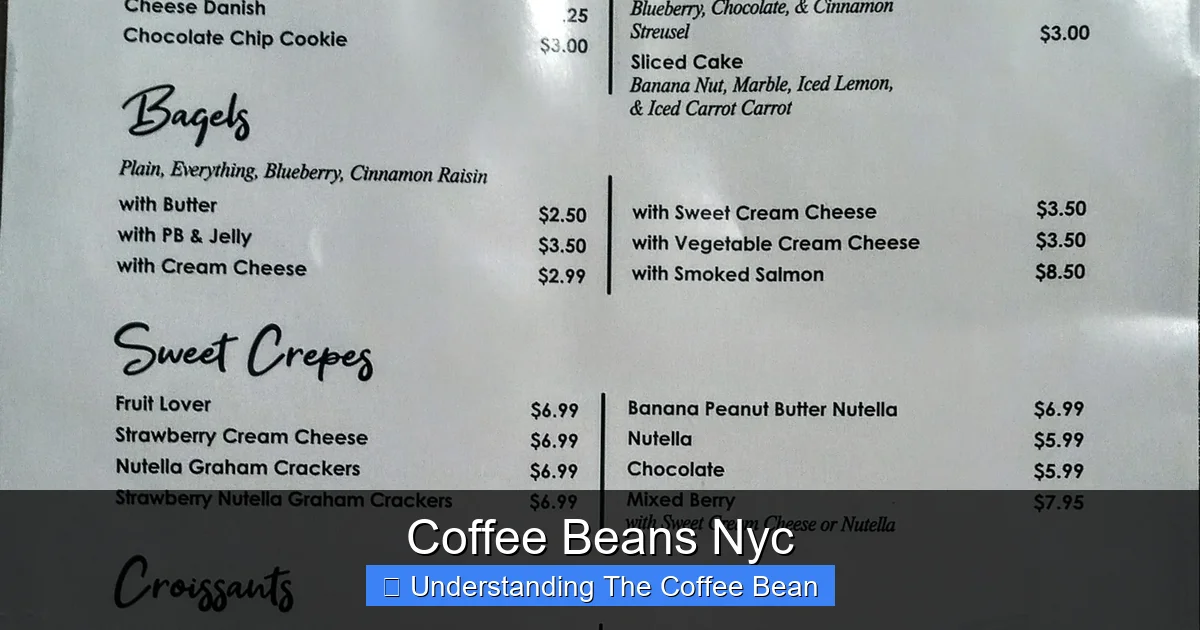
Visual guide about Coffee Beans Nyc
Image source: images.sirved.com
New York City’s love affair with specialty coffee didn’t happen overnight. It evolved over decades, influenced by global trends, immigrant communities, and a growing appetite for authenticity. In the early 2000s, chains like Starbucks dominated the landscape, but a new wave of independent cafes began challenging the status quo. These shops focused on sourcing high-quality beans, training skilled baristas, and creating spaces where people could slow down and savor their coffee.
One of the key drivers of this change was the emphasis on traceability. Roasters started publishing information about where their beans came from, who grew them, and how they were processed. This transparency built trust with consumers and elevated the entire industry. Today, it’s common to see bags of coffee beans NYC labeled with the farm name, altitude, harvest date, and even the farmer’s story.
Another factor was the influence of international coffee cultures. New York’s diverse population brought traditions from Italy, Turkey, Vietnam, and beyond, inspiring hybrid styles and new brewing techniques. For example, the popularity of cold brew—now a staple in nearly every NYC cafe—can be traced back to Japanese iced coffee methods adapted for American tastes.
The city’s density also played a role. With so many people living and working in close proximity, cafes became natural gathering spots. This created a feedback loop: more cafes led to more coffee drinkers, which encouraged roasters to innovate and expand. Today, neighborhoods like Williamsburg, Bushwick, and the Lower East Side are known for their coffee scenes, each with a distinct flavor and vibe.
Top Local Roasters Serving the Best Coffee Beans NYC
When it comes to finding the best coffee beans NYC, local roasters are your best bet. These small-batch producers focus on quality over quantity, often roasting to order and shipping within days of harvest. Here are a few standout names that have earned a loyal following:
Sey Coffee
Based in Brooklyn, Sey Coffee is known for its light-roast, single-origin beans that highlight the natural sweetness and complexity of each region. Their packaging is minimalist and elegant, often featuring bold typography and bright colors. Sey sources directly from farmers in Ethiopia, Kenya, and Honduras, emphasizing sustainability and fair wages. Try their Ethiopian Yirgacheffe for a bright, tea-like cup with notes of lemon and jasmine.
Devoción
Devoción takes freshness to the next level. This Brooklyn-based roaster imports green coffee beans directly from farms in Colombia and roasts them within 48 hours of harvest. The result? A cup that tastes like it was brewed straight from the farm. Their flagship store in Williamsburg features a lush indoor garden, reinforcing their commitment to nature and authenticity. Their “Fresh Crop” line is a must-try for anyone seeking vibrant, fruity flavors.
Birch Coffee
With multiple locations across Manhattan and Brooklyn, Birch Coffee combines community with quality. They roast their beans in small batches at their Long Island City facility, offering a rotating selection of single-origin and blended coffees. Birch is also known for its cozy, book-filled cafes—perfect for sipping a slow pour-over while reading the morning paper. Their “Birch Blend” is a balanced, medium-roast favorite with hints of caramel and nuts.
Partners Coffee
Originally from Portland but with a strong NYC presence, Partners Coffee brings West Coast coffee culture to the East. They focus on direct trade relationships and seasonal offerings, often releasing limited-edition beans from emerging regions. Their Greenpoint location features a full roastery where you can watch beans being roasted in real time. Try their “Ethiopian Natural” for a juicy, berry-forward profile.
Joe Coffee Company
A staple in the NYC coffee scene since 2003, Joe Coffee has grown from a single shop to a network of cafes known for consistency and quality. They roast their beans in Long Island City and offer a wide range of options, from espresso blends to decaf. Joe is also committed to sustainability, using compostable cups and supporting farmer cooperatives. Their “Prova Pura” blend is a smooth, chocolatey option ideal for milk-based drinks.
Understanding Coffee Bean Origins and Flavor Profiles
Not all coffee beans are created equal—and where they’re grown makes a huge difference in taste. The concept of “terroir,” borrowed from wine, applies to coffee too. Factors like altitude, soil, climate, and processing method all influence the final flavor. When you buy coffee beans NYC, understanding these origins can help you choose the right cup for your palate.
African Origins: Bright and Fruity
Coffee from Ethiopia, Kenya, and Rwanda is known for its bright acidity and complex fruit notes. Ethiopian beans, especially from regions like Yirgacheffe and Sidamo, often taste like berries, citrus, or floral tea. Kenyan coffees are bolder, with wine-like acidity and blackcurrant flavors. These beans are best enjoyed as pour-overs or drip coffee to fully appreciate their nuances.
Central and South American: Balanced and Nutty
Countries like Colombia, Guatemala, and Costa Rica produce beans that are well-balanced, with medium body and notes of chocolate, nuts, and caramel. Colombian coffee is especially popular in NYC for its smooth, approachable flavor. Guatemalan beans, grown in volcanic soil, often have a smoky, spicy edge. These are great for espresso or French press.
Asian and Pacific: Earthy and Bold
Beans from Indonesia (like Sumatra) and Papua New Guinea tend to be full-bodied with earthy, herbal, or spicy notes. Sumatran coffee is often processed using the “wet-hulling” method, which gives it a distinctive funky, mushroom-like flavor. These are ideal for those who prefer a heavier, more robust cup.
Processing Methods Matter
How coffee cherries are processed after harvest also affects taste. The three main methods are:
- Washed: Cherries are pulped and fermented to remove mucilage, resulting in clean, bright flavors.
- Natural: Cherries are dried with the fruit intact, producing fruity, fermented notes.
- Honey: A hybrid method where some fruit is left on the bean, creating a sweet, syrupy profile.
Many NYC roasters experiment with these methods, so don’t be afraid to try something new.
How to Choose and Store Your Coffee Beans NYC
Buying great coffee beans NYC is only half the battle—how you store them determines how long they stay fresh. Coffee begins to lose flavor within minutes of grinding, and even whole beans degrade over time. Follow these tips to keep your beans at their best:
Look for the Roast Date
Always check the packaging for a roast date, not just an expiration date. Fresh coffee beans NYC should be consumed within 2–4 weeks of roasting. Avoid beans that are older than six weeks, as they’ll taste flat and stale.
Buy Whole Beans
Grinding coffee just before brewing preserves aroma and flavor. Pre-ground coffee loses its oils and complexity quickly. Invest in a good burr grinder—blade grinders create uneven particles that lead to bitter or weak coffee.
Store Properly
Keep your beans in an airtight container away from light, heat, and moisture. Avoid the fridge or freezer unless you’re storing them long-term (and even then, use a vacuum-sealed bag). Oxygen is the enemy—it causes oxidation, which dulls flavor.
Buy in Small Batches
Only buy as much coffee as you’ll use in 1–2 weeks. This ensures you’re always drinking fresh beans. Many NYC roasters offer subscription services that deliver fresh beans on a regular schedule.
Experiment with Roast Levels
Roast level affects flavor more than many people realize:
- Light Roast: Preserves origin flavors, higher acidity, floral or fruity notes.
- Medium Roast: Balanced flavor, moderate acidity, often with caramel or nutty tones.
- Dark Roast: Bold, smoky, lower acidity, with chocolate or burnt sugar notes.
Try different levels to find your preference. Many NYC roasters offer sample packs so you can taste before committing.
Brewing Methods to Match Your Coffee Beans NYC
The way you brew your coffee can make or break the experience. Different methods extract flavors differently, so matching your technique to your beans is key. Here are some popular brewing styles and how to use them:
Pour-Over (e.g., Chemex, V60)
Ideal for light-roast, single-origin beans. This method highlights clarity and complexity. Use a medium-fine grind, water just off the boil (195–205°F), and a slow, steady pour. Perfect for tasting the subtle notes of an Ethiopian or Kenyan coffee.
French Press
Great for medium to dark roasts with fuller body. Use a coarse grind and steep for 4 minutes. The metal filter allows oils to pass through, creating a rich, full-bodied cup. Try it with a Colombian or Guatemalan blend.
AeroPress
Versatile and forgiving, the AeroPress can mimic espresso or make a clean, smooth cup. Use a fine to medium grind and experiment with brew time and pressure. It’s a favorite among NYC coffee lovers for its portability and consistency.
Espresso
Requires a fine grind and high pressure. Best with medium to dark roasts that can stand up to milk. Many NYC cafes pull exceptional shots using locally roasted beans. At home, an entry-level machine can still produce great results with practice.
Cold Brew
Perfect for hot summer days. Use a coarse grind and steep in cold water for 12–24 hours. Results in a smooth, low-acid drink. Great with naturally processed beans for added sweetness.
Sustainability and Ethics in NYC’s Coffee Scene
As awareness grows about the environmental and social impact of coffee production, NYC roasters are leading the charge in sustainability. Many prioritize direct trade, cutting out middlemen to pay farmers fair wages. Others focus on eco-friendly packaging, using compostable bags or reusable containers.
For example, Devoción not only sources fresh beans but also supports reforestation projects in Colombia. Sey Coffee partners with farms that use organic practices and water conservation. Even small actions—like using oat milk instead of dairy or bringing your own cup—can reduce your carbon footprint.
When you buy coffee beans NYC from ethical roasters, you’re supporting a system that values people and the planet. Look for certifications like Fair Trade, Rainforest Alliance, or B Corp, but also consider the roaster’s own practices. Transparency is key.
Conclusion: Elevate Your Coffee Experience in NYC
Coffee beans NYC are more than just a morning ritual—they’re a gateway to a world of flavor, culture, and connection. Whether you’re exploring a new roaster in Bushwick, sipping a single-origin pour-over in SoHo, or brewing at home with beans from your favorite local shop, every cup tells a story.
By understanding origins, roast levels, and brewing methods, you can transform your daily coffee into a mindful experience. Support local roasters, prioritize freshness, and don’t be afraid to experiment. The best coffee isn’t just about caffeine—it’s about curiosity, quality, and community.
So next time you’re walking down the street with a cup in hand, take a moment to appreciate the journey those beans took to get there. From farm to roaster to your mug, coffee beans NYC are a testament to the power of passion and craft.
Frequently Asked Questions
Where can I buy the best coffee beans in NYC?
You can buy top-quality coffee beans NYC from local roasters like Sey Coffee, Devoción, and Birch Coffee, either in-store or online. Many offer nationwide shipping, so you can enjoy NYC-roasted beans anywhere.
How long do coffee beans stay fresh?
Whole coffee beans stay fresh for 2–4 weeks after roasting if stored properly. Ground coffee loses flavor much faster—use within 1–2 weeks for best taste.
What’s the difference between single-origin and blended coffee?
Single-origin beans come from one region or farm, highlighting unique flavors. Blends combine beans from multiple origins for balance and consistency, often used in espresso.
Should I store coffee in the fridge or freezer?
No—unless storing long-term. Fridge and freezer moisture can ruin beans. Use an airtight container in a cool, dark place for daily use.
What’s the best grind size for pour-over coffee?
Use a medium-fine grind, similar to table salt. Too fine can over-extract (bitter), too coarse can under-extract (sour).
Are NYC coffee beans more expensive?
Specialty coffee beans NYC may cost more due to small-batch roasting and ethical sourcing, but the quality and freshness justify the price for most coffee lovers.