
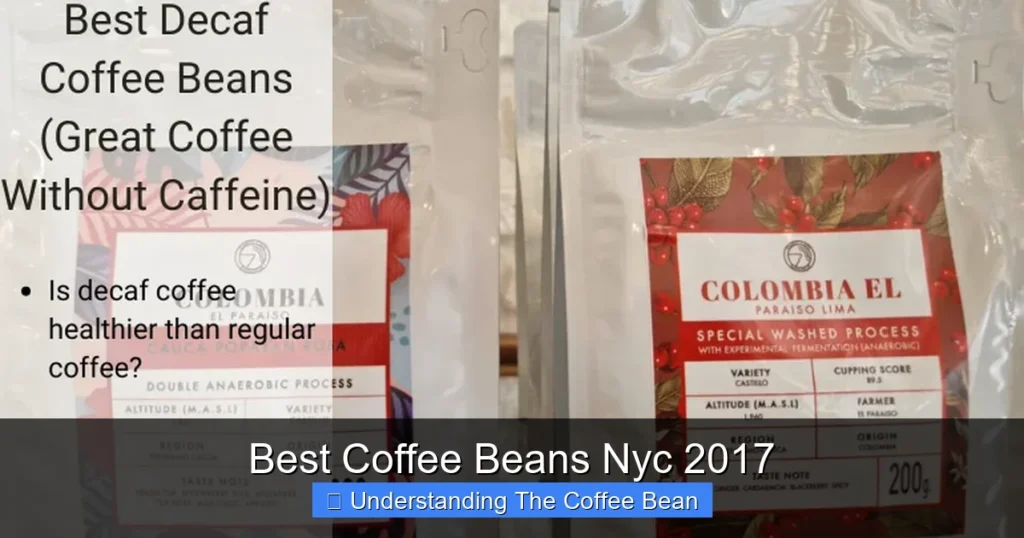
In 2017, New York City’s coffee scene exploded with innovation and quality, making it one of the best places in the world to find exceptional coffee beans. From small-batch roasters in Brooklyn to iconic cafes in Manhattan, the city offered a diverse range of beans that catered to every palate—whether you preferred bright Ethiopian single-origins or bold, smoky dark roasts.
Key Takeaways
- Local roasting was king in NYC 2017: Freshly roasted beans from neighborhood roasters delivered unmatched flavor and aroma.
- Single-origin beans gained popularity: Coffee lovers sought traceable, high-quality beans from specific farms and regions.
- Third-wave coffee culture thrived: Emphasis on brewing methods, bean sourcing, and sustainability defined the best coffee experiences.
- Brooklyn led the specialty coffee movement: Areas like Williamsburg and DUMBO became hubs for innovative roasters and cafes.
- Seasonal and limited-edition blends stood out: Roasters introduced unique profiles that changed with the seasons, keeping the experience fresh.
- Direct trade relationships mattered: Many top roasters built personal connections with farmers, ensuring ethical sourcing and better quality.
- Home brewing became more accessible: With better beans and gear available, New Yorkers could enjoy café-quality coffee at home.
📑 Table of Contents
The Rise of Specialty Coffee in NYC 2017
In 2017, New York City wasn’t just a city of skyscrapers and subway delays—it was a rising star in the global specialty coffee scene. The best coffee beans NYC 2017 had to offer weren’t just about caffeine; they were about craft, culture, and connection. From the moment you stepped into a cozy café in the East Village or a minimalist roastery in Bushwick, you could feel the passion behind every cup. Coffee had evolved from a morning necessity to an art form, and New Yorkers were at the forefront of this transformation.
This shift wasn’t accidental. It was fueled by a growing community of coffee professionals who cared deeply about where their beans came from, how they were roasted, and how they were brewed. Third-wave coffee—a movement that treats coffee as a craft rather than a commodity—had fully taken root in the city. Roasters weren’t just selling beans; they were telling stories. They shared details about the farmers who grew the coffee, the altitude of the farms, and the processing methods used. This transparency built trust and deepened appreciation among consumers.
Why 2017 Was a Turning Point
2017 marked a turning point because it was the year when specialty coffee moved from niche to mainstream in NYC. More people began to understand that not all coffee beans are created equal. They started paying attention to roast dates, origin labels, and flavor notes like “hints of blueberry” or “notes of dark chocolate.” This awareness created demand for higher-quality products, pushing roasters to up their game.
Social media also played a big role. Instagram-friendly cafes with latte art and beautifully packaged beans became popular, but behind the aesthetics was real substance. People weren’t just posting pictures—they were learning. They followed roasters online, read brewing guides, and even attended cupping sessions. The city’s coffee culture became more inclusive and educational, welcoming both seasoned connoisseurs and curious newcomers.
What Makes a Coffee Bean “The Best”?
So, what exactly made the best coffee beans NYC 2017 stand out from the rest? It wasn’t just one thing—it was a combination of factors that came together to create an exceptional cup. First and foremost was freshness. In a city that never sleeps, stale coffee just wouldn’t cut it. The top roasters roasted in small batches and sold beans within days of roasting, ensuring maximum flavor and aroma.
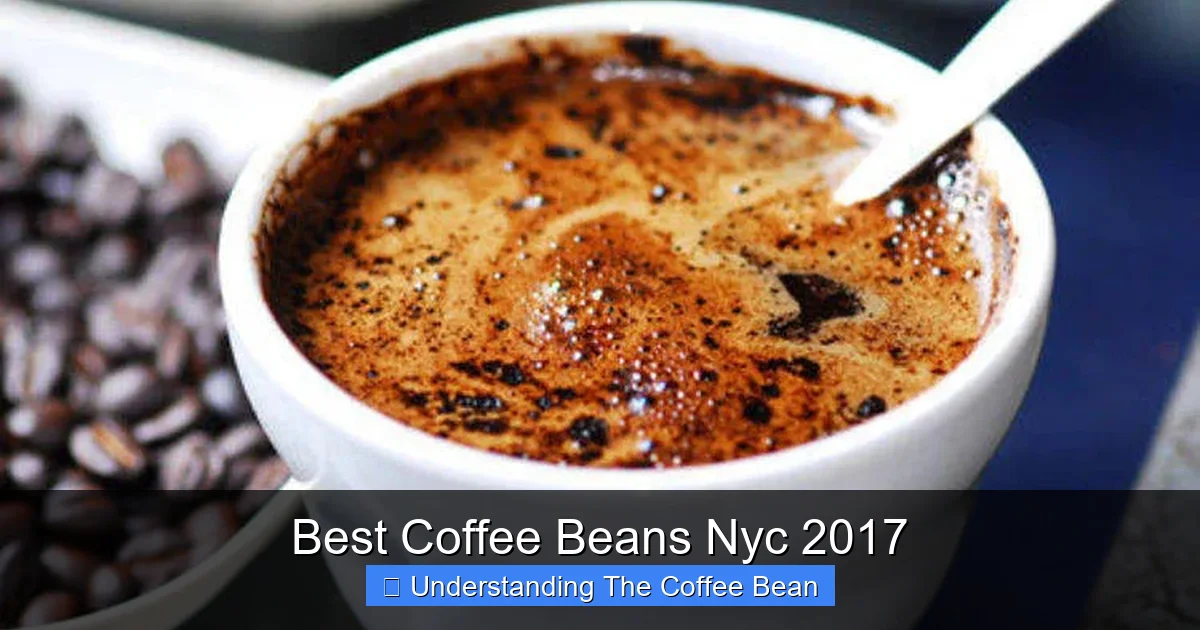
Visual guide about Best Coffee Beans Nyc 2017
Image source: media.timeout.com
Another key factor was origin. Single-origin beans—those sourced from one specific region or even one farm—were highly prized. These beans offered unique flavor profiles that reflected the soil, climate, and processing methods of their birthplace. For example, Ethiopian beans often had bright, fruity notes, while beans from Colombia tended to be balanced with nutty and chocolatey undertones.
Roast Level and Flavor Profile
Roast level also played a crucial role. While dark roasts had long been popular in the U.S., 2017 saw a surge in lighter roasts that preserved the bean’s natural characteristics. These lighter roasts allowed subtle flavors to shine, making each cup a more complex and enjoyable experience. Roasters began labeling their beans with detailed tasting notes, helping customers choose based on preference.
Sustainability and ethics were equally important. Consumers wanted to know that their coffee was grown and harvested responsibly. Many of the best roasters in NYC 2017 practiced direct trade, meaning they bought beans directly from farmers at fair prices, cutting out middlemen. This not only ensured better pay for growers but also led to higher-quality beans, as roasters could work closely with farmers to improve practices.
Top Roasters and Their Signature Beans
New York City in 2017 was home to a vibrant community of roasters, each with their own style and specialty. These weren’t just coffee shops—they were destinations for coffee lovers seeking the best beans. Let’s take a closer look at some of the standout roasters and the beans that made them famous.
Blue Bottle Coffee – The Pioneer of Precision
Blue Bottle Coffee, though founded in California, had a strong presence in NYC by 2017. Known for their meticulous approach to brewing and roasting, they offered some of the freshest beans in the city. Their “Bella Donovan” blend, a mix of Ethiopian and Burundi beans, was a fan favorite. It had a bright, floral aroma with hints of berries and a clean finish. What set Blue Bottle apart was their commitment to selling beans only within 48 hours of roasting—ensuring peak freshness.
Stumptown Coffee Roasters – Bold and Consistent
Stumptown, another West Coast import, had firmly established itself in New York by 2017. Their “Hair Bender” blend was a staple in many NYC cafes and homes. A mix of beans from Latin America, Africa, and Indonesia, it delivered a rich, full-bodied cup with notes of citrus and dark chocolate. Stumptown was also known for their direct trade practices, working directly with farms in countries like Rwanda and Guatemala.
Parlor Coffee – Brooklyn’s Rising Star
Based in Williamsburg, Parlor Coffee was one of the city’s most exciting local roasters. They focused on small-batch roasting and seasonal offerings. In 2017, their “Ethiopia Yirgacheffe” was a standout—light, floral, and tea-like, with a juicy acidity that coffee purists loved. Parlor also hosted regular cupping events, inviting the public to taste and learn about different beans.
Sey Coffee – The Minimalist Roastery
Located in a converted warehouse in Bushwick, Sey Coffee took a minimalist approach—both in design and philosophy. They roasted lightly to highlight the natural flavors of the beans. Their “Colombia La Esperanza” was a crowd-pleaser in 2017, offering notes of red apple, honey, and caramel. Sey was also known for their transparency, sharing detailed information about each farm they sourced from.
Devoción – Freshness Like No Other
Devoción took freshness to the next level. They imported green coffee beans directly from farms in Colombia and roasted them in Brooklyn within 48 hours of harvest. This ultra-fresh approach resulted in beans that tasted incredibly vibrant and alive. Their “Colombia Huila” was a top pick in 2017, with bright acidity and tropical fruit notes. Devoción’s cafes also featured living walls of plants, reinforcing their connection to nature and sustainability.
Single-Origin vs. Blends: What’s Right for You?
One of the biggest debates among coffee lovers in 2017 was whether single-origin beans or blends were better. The answer, of course, depended on personal taste—but understanding the difference helped people make informed choices.
The Case for Single-Origin Beans
Single-origin beans come from one specific region, farm, or cooperative. This allows them to express the unique characteristics of that terroir—the combination of soil, altitude, and climate. In 2017, single-origin beans were especially popular among those who wanted to explore the diversity of coffee. For example, a bean from Kenya might have bold, wine-like acidity, while one from Brazil could be smooth and nutty.
These beans were often best enjoyed through methods like pour-over or French press, which highlighted their nuanced flavors. Many NYC roasters offered rotating single-origin selections, encouraging customers to try something new each week.
The Appeal of Blends
Blends, on the other hand, combine beans from multiple origins to create a balanced, consistent flavor profile. They were ideal for those who preferred a reliable, everyday cup. Blends could be designed for specific brewing methods—like espresso or drip—and often offered a smoother, more approachable taste.
In 2017, many top roasters created signature blends that became their trademarks. These blends were crafted with care, balancing acidity, body, and sweetness. For example, a blend might include a bright Ethiopian bean for acidity, a Colombian bean for body, and an Indonesian bean for depth.
How to Choose
So, which should you pick? If you’re curious and love variety, go for single-origin beans. If you want something dependable and well-rounded, a blend might be better. The best coffee beans NYC 2017 offered both options in abundance, so there was something for everyone.
Brewing the Perfect Cup at Home
Finding the best coffee beans was only half the battle—brewing them properly was equally important. In 2017, more New Yorkers than ever were taking their coffee brewing seriously, investing in quality equipment and learning new techniques.
Essential Tools for Home Brewing
To get the most out of your beans, you needed the right gear. A good grinder was essential—preferably a burr grinder, which produced consistent particle size. Pre-ground coffee lost flavor quickly, so grinding just before brewing made a big difference.
A gooseneck kettle allowed for precise pouring, especially important for pour-over methods like the V60 or Chemex. These methods highlighted the delicate flavors of light-roast beans. For those who preferred a fuller body, a French press or AeroPress were great options.
Brewing Tips from the Pros
Many NYC roasters offered brewing guides on their websites or in-store. A common tip was to use a 1:15 to 1:17 coffee-to-water ratio—meaning 1 gram of coffee for every 15 to 17 grams of water. Water temperature should be between 195°F and 205°F, just off the boil.
Another key tip was to bloom the coffee—pouring a small amount of water over the grounds and waiting 30 seconds before continuing. This released trapped gases and improved extraction. Consistency was also important: using a scale to measure coffee and water ensured repeatable results.
Experiment and Enjoy
The beauty of brewing at home was the freedom to experiment. Try different beans, grind sizes, and brewing times to discover what you liked best. Many coffee lovers in NYC 2017 kept a brewing journal to track their preferences. Over time, they developed a deeper appreciation for the craft and a better understanding of what made a great cup.
Sustainability and Ethics in NYC Coffee
As the city’s coffee culture matured, so did its values. In 2017, sustainability and ethics were no longer afterthoughts—they were central to what made the best coffee beans NYC had to offer.
Direct Trade and Fair Pay
Many top roasters built direct relationships with farmers, visiting farms and paying prices well above fair trade standards. This approach ensured that growers received a living wage and had the resources to invest in quality. It also allowed roasters to provide detailed information about the beans’ origins, fostering trust with consumers.
Eco-Friendly Practices
Sustainability extended beyond sourcing. Roasters used compostable packaging, reduced waste, and supported reforestation projects. Some cafes even offered discounts to customers who brought their own cups. These efforts resonated with environmentally conscious New Yorkers who wanted their coffee habits to align with their values.
Community and Education
Beyond the beans, the best coffee experiences in NYC 2017 were about community. Roasters hosted workshops, cupping sessions, and farm-to-cup tours. They educated customers not just about brewing, but about the people and processes behind their coffee. This sense of connection made the experience richer and more meaningful.
Conclusion: A Coffee Lover’s Paradise
Looking back, 2017 was a landmark year for coffee in New York City. The best coffee beans NYC 2017 had to offer weren’t just about taste—they represented a movement toward quality, transparency, and sustainability. From the roasters who perfected their craft to the consumers who embraced the journey, the city’s coffee culture flourished in ways that were both exciting and inspiring.
Whether you were sipping a meticulously brewed pour-over in a Williamsburg café or enjoying a rich espresso blend at home, you were part of something special. The beans told stories of distant farms, skilled hands, and a shared love for great coffee. And as the city continued to evolve, one thing was clear: the pursuit of the perfect cup was far from over.
Frequently Asked Questions
What made 2017 a special year for coffee in NYC?
2017 was a breakout year for specialty coffee in NYC, with more roasters focusing on freshness, single-origin beans, and ethical sourcing. The third-wave coffee movement gained mainstream traction, making high-quality beans more accessible.
Where can I find the best coffee beans in NYC?
Top spots include Blue Bottle Coffee, Stumptown, Parlor Coffee, Sey Coffee, and Devoción. Many of these roasters sell beans online or in their cafes, often with detailed origin information.
Should I choose single-origin or blended beans?
It depends on your taste. Single-origin beans offer unique, region-specific flavors, while blends provide balance and consistency. Try both to see what you prefer.
How important is roast date when buying coffee beans?
Very important. Freshly roasted beans (within 2–4 weeks) deliver the best flavor. Always check the roast date and avoid beans without one.
What’s the best way to store coffee beans?
Store beans in an airtight container away from light, heat, and moisture. Avoid the fridge or freezer, as moisture can ruin the flavor.
Can I brew great coffee at home with NYC beans?
Absolutely. With quality beans, a good grinder, and the right brewing method, you can enjoy café-quality coffee at home. Many NYC roasters offer brewing guides to help.