
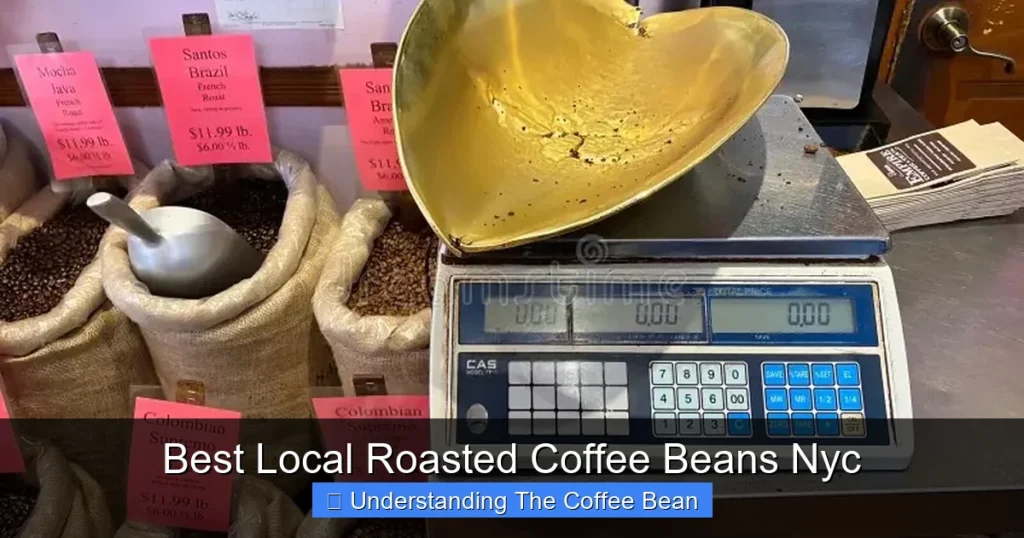
New York City is a coffee lover’s paradise, home to some of the best local roasted coffee beans in the world. From small-batch roasters in Brooklyn to artisanal shops in Manhattan, NYC’s coffee scene blends quality, creativity, and community. Whether you’re brewing at home or grabbing a cup on the go, these local gems deliver rich flavor and unmatched freshness.
New York City doesn’t just run on coffee—it thrives on it. From the early morning rush at a corner bodega to the quiet hum of a Brooklyn café, coffee is woven into the fabric of daily life. But beyond the convenience of a quick espresso, a growing number of New Yorkers are seeking something deeper: a truly exceptional cup made from the best local roasted coffee beans NYC has to offer.
What sets these beans apart isn’t just their origin—though many come from high-altitude farms in Ethiopia, Colombia, or Guatemala—it’s the care and craftsmanship behind the roast. Unlike supermarket brands that may sit on shelves for months, locally roasted beans are often small-batch, roasted to order, and delivered within days of being fired in the roaster. This freshness translates directly into flavor: brighter acidity, richer body, and more nuanced aromas that you simply can’t get from mass-produced coffee.
And it’s not just about taste. Choosing local means supporting small businesses, sustainable farming practices, and a community of passionate roasters who treat coffee like an art form. Whether you’re a seasoned home barista or just someone who enjoys a good morning brew, exploring NYC’s local coffee scene is a journey worth taking.
Key Takeaways
- Freshness matters: Locally roasted beans are often roasted to order, ensuring peak flavor and aroma compared to mass-produced brands.
- Support local businesses: Buying from NYC roasters supports small businesses and promotes sustainable, ethical sourcing practices.
- Diverse flavor profiles: From bright Ethiopian single-origins to bold Colombian dark roasts, NYC roasters offer a wide range of tasting experiences.
- Roasting transparency: Many local roasters share details about origin, processing, and roast dates, helping you make informed choices.
- Brewing tips included: Most roasters provide brewing guides tailored to their beans, helping you get the best cup at home.
- Seasonal and limited editions: Look out for seasonal blends and rare micro-lots that highlight unique terroir and craftsmanship.
- Accessibility across boroughs: Whether you’re in Queens, the Bronx, or Staten Island, there’s a quality local roaster nearby or available for delivery.
📑 Table of Contents
The Rise of Local Coffee Roasting in NYC
Over the past two decades, New York City has seen a quiet revolution in its coffee culture. Once dominated by chains and pre-ground supermarket brands, the city now boasts a vibrant network of independent roasters who are redefining what it means to drink great coffee. This shift didn’t happen overnight—it grew from a grassroots movement of coffee lovers, baristas, and entrepreneurs who believed that coffee could be more than just a caffeine fix.
The third wave coffee movement, which emphasizes quality, traceability, and craftsmanship, found fertile ground in NYC’s diverse and discerning population. Roasters began opening in neighborhoods like Williamsburg, Bushwick, and the Lower East Side, often starting as pop-ups or farmers market vendors before expanding into brick-and-mortar shops. These weren’t just places to buy coffee—they became community hubs where people could learn about origin, roast profiles, and brewing techniques.
One of the key drivers of this growth has been the city’s access to high-quality green coffee beans. Thanks to strong relationships with importers and direct trade partnerships with farmers, NYC roasters can source exceptional beans from around the world. But what truly sets them apart is their ability to roast those beans with precision and care, often using custom-built roasters and data-driven profiles to bring out the best in each batch.
Why Local Roasting Makes a Difference
When coffee is roasted locally, it’s typically done in smaller batches, which allows for greater control over the roast process. Roasters can adjust time, temperature, and airflow in real time, responding to the unique characteristics of each bean. This level of attention results in more consistent and flavorful coffee.
Another advantage is freshness. Coffee begins to lose its peak flavor within weeks of roasting, especially once the bag is opened. Locally roasted beans are often shipped or sold within days of roasting, meaning you’re getting coffee at its absolute best. Many roasters even include roast dates on their packaging, so you know exactly how fresh your beans are.
Local roasting also fosters transparency. You can often visit the roastery, meet the roaster, and even tour the facility. This direct connection builds trust and allows you to ask questions about sourcing, processing, and flavor development. It’s a level of engagement that’s nearly impossible with large commercial brands.
Community and Sustainability
Beyond flavor, local roasting supports a more sustainable and equitable coffee ecosystem. Many NYC roasters prioritize direct trade, paying farmers above-market prices and building long-term relationships. This not only ensures better quality beans but also supports rural communities in coffee-growing regions.
Sustainability extends to packaging and operations too. Some roasters use compostable bags, offer refill programs, or partner with local composting services. Others source energy-efficient roasting equipment or offset their carbon footprint. These efforts reflect a growing awareness that great coffee shouldn’t come at the planet’s expense.
And let’s not forget the community aspect. Local roasteries often host cupping sessions, brewing workshops, and latte art classes. They collaborate with local bakeries, artists, and musicians, turning coffee into a cultural experience. In a city that never sleeps, these spaces offer a moment of calm, connection, and creativity.
Top Local Roasters in NYC
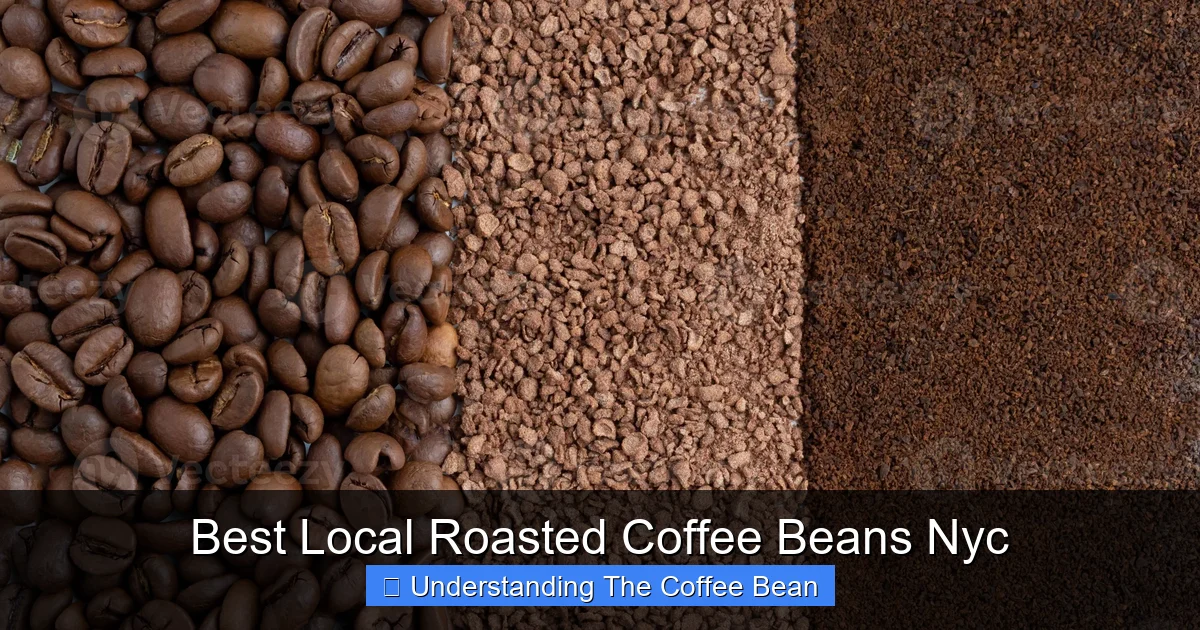
Visual guide about Best Local Roasted Coffee Beans Nyc
Image source: static.vecteezy.com
With so many excellent options, it can be hard to know where to start. Here are some of the best local roasted coffee beans NYC has to offer, each with its own unique style and flavor profile.
1. Sey Coffee (Brooklyn)
Tucked away in a converted warehouse in East Williamsburg, Sey Coffee is a destination for coffee purists. Known for its light to medium roasts that highlight the natural sweetness and complexity of single-origin beans, Sey sources directly from farms in Ethiopia, Kenya, and Colombia. Their beans are roasted in small batches using a Probat roaster, with a focus on clarity and balance.
Try their Ethiopian Yirgacheffe for a bright, tea-like cup with notes of bergamot and stone fruit. Sey also offers subscription services and online ordering, making it easy to get fresh beans delivered to your door.
2. Café Grumpy (Multiple Locations)
One of NYC’s most beloved coffee chains, Café Grumpy started as a single shop in Chelsea and has since expanded to multiple locations across the city. What sets them apart is their commitment to quality and consistency. They roast their beans in Long Island City, Queens, using a blend of traditional and modern techniques.
Their signature blend, “The Daily,” is a crowd-pleaser with notes of chocolate and caramel, perfect for espresso or drip. They also offer a rotating selection of single-origin coffees, often featuring rare varietals and experimental processing methods.
3. Birch Coffee (Multiple Locations)
Founded by a former barista who wanted to make great coffee accessible to everyone, Birch Coffee has grown into a neighborhood staple. With locations in Manhattan, Brooklyn, and beyond, they’re known for their friendly service and high-quality beans.
Their roasting facility in Long Island City produces a range of blends and single-origins, with a focus on approachable flavors. Try their “Birch Blend” for a smooth, nutty cup, or their seasonal “Summer Solstice” for a fruity, floral experience.
4. Joe Coffee (Multiple Locations)
Joe Coffee has been a leader in NYC’s specialty coffee scene since 2003. With several locations across Manhattan and Brooklyn, they’re known for their clean, balanced roasts and strong relationships with farmers.
Their beans are roasted in Brooklyn using a Loring roaster, which uses convection heat for even roasting and reduced emissions. Joe offers a wide range of options, from their classic “Proprietor’s Blend” to limited-edition micro-lots from places like Rwanda and Panama.
5. Sweetleaf (Long Island City)
Located in a converted factory in Long Island City, Sweetleaf is a roastery and café that’s been serving the Queens community since 2001. They roast their beans on-site using a vintage Probat roaster, giving their coffee a distinctive, old-school charm.
Their “Sweetleaf Blend” is a rich, full-bodied coffee with notes of dark chocolate and dried fruit, ideal for espresso. They also offer single-origin coffees and seasonal specials, often featuring beans from Latin America and Africa.
6. Parlor Coffee (Brooklyn)
Parlor Coffee is a small-batch roastery based in Bushwick, known for its experimental approach and commitment to quality. They source beans directly from farmers and roast them in small batches to preserve flavor and aroma.
Their “Parlor Blend” is a balanced, versatile coffee with notes of caramel and citrus, great for any brewing method. They also offer unique single-origins, like their anaerobic-fermented Colombian coffee, which has a funky, wine-like complexity.
Understanding Coffee Bean Origins and Profiles
To truly appreciate the best local roasted coffee beans NYC has to offer, it helps to understand where coffee comes from and how it affects flavor. Coffee beans are the seeds of the Coffea plant, which grows in tropical regions around the equator—often referred to as the “coffee belt.” The most common varieties are Arabica and Robusta, with Arabica being the preferred choice for specialty coffee due to its complex flavors and lower caffeine content.
Key Coffee-Growing Regions
Each region imparts its own unique characteristics to the beans, influenced by altitude, soil, climate, and processing methods.
– Ethiopia: Known as the birthplace of coffee, Ethiopia produces beans with bright acidity, floral notes, and fruity flavors. Look for Yirgacheffe or Sidamo varieties, often processed naturally (dried with the fruit intact), which enhances sweetness and berry notes.
– Colombia: Colombia is famous for its balanced, medium-bodied coffees with notes of caramel, nuts, and citrus. High-altitude farms in regions like Huila and Nariño produce beans with excellent clarity and sweetness.
– Guatemala: Guatemalan coffees are known for their full body and rich, chocolatey flavors, often with hints of spice and smoke. The volcanic soil and high elevations contribute to their complexity.
– Kenya: Kenyan beans are prized for their bold acidity, wine-like brightness, and blackcurrant notes. They’re often processed using the washed method, which highlights their clean, vibrant profile.
– Brazil: As the world’s largest coffee producer, Brazil offers a wide range of styles. Brazilian beans are typically low in acidity, with nutty, chocolatey, and sometimes earthy flavors. Natural processing is common, adding sweetness and body.
Processing Methods and Flavor Impact
How coffee cherries are processed after harvesting also plays a major role in flavor. The three main methods are:
– Washed (Wet Process): The fruit is removed before drying, resulting in clean, bright, and acidic coffees. Common in Central America and East Africa.
– Natural (Dry Process): The cherries are dried whole, allowing the beans to absorb sugars from the fruit. This produces fruity, sweet, and sometimes fermented flavors. Popular in Ethiopia and Brazil.
– Honey (Pulp Natural): A hybrid method where some fruit pulp is left on the bean during drying. This creates a balance between sweetness and acidity, with a syrupy body. Common in Costa Rica and Honduras.
Understanding these factors helps you choose beans that match your taste preferences. If you enjoy bright, tea-like coffees, go for a washed Ethiopian. If you prefer rich, chocolatey notes, try a natural-processed Brazilian.
How to Choose the Right Local Roasted Coffee Beans
With so many options, selecting the best local roasted coffee beans NYC has to offer can feel overwhelming. But a few simple guidelines can help you make the right choice.
1. Check the Roast Date
Always look for a roast date on the package. Freshness is key—coffee is best consumed within 2–4 weeks of roasting. Avoid beans without a date, as they may be stale.
2. Consider Your Brewing Method
Different brewing methods extract flavors differently. For example:
– Espresso: Works well with medium to dark roasts that have body and sweetness.
– Pour-Over (e.g., V60, Chemex): Highlights clarity and acidity—ideal for light to medium roasts.
– French Press: Brings out body and richness—great for medium roasts.
– Cold Brew: Benefits from coarse grounds and low-acid beans, often medium or dark roasts.
Choose a roast level and bean that complements your preferred method.
3. Explore Single-Origin vs. Blends
– Single-Origin: Beans from one farm or region, offering unique terroir and flavor. Great for tasting the nuances of a specific place.
– Blends: A mix of beans from different origins, crafted for balance and consistency. Often designed for espresso or everyday drinking.
If you’re new to specialty coffee, start with a blend, then explore single-origins as your palate develops.
4. Read the Tasting Notes
Most roasters include tasting notes on their packaging or website. These descriptors—like “notes of blueberry,” “chocolatey finish,” or “floral aroma”—give you a sense of what to expect. While subjective, they’re a helpful guide.
5. Try a Subscription
Many local roasters offer subscription services that deliver fresh beans on a regular schedule. This is a great way to explore different coffees without the hassle of reordering. Some even let you customize your preferences, like roast level or origin.
Brewing the Perfect Cup at Home
Buying the best local roasted coffee beans NYC has to offer is only half the battle—brewing them properly is what brings out their full potential. Here are some tips to help you make a great cup at home.
Use Fresh, Filtered Water
Coffee is 98% water, so quality matters. Use filtered water to avoid off-flavors from chlorine or minerals. Avoid distilled or softened water, which can make coffee taste flat.
Grind Just Before Brewing
Invest in a good burr grinder and grind your beans just before brewing. Pre-ground coffee loses flavor quickly. Grind size should match your method:
– Coarse: French press, cold brew
– Medium: Drip coffee, pour-over
– Fine: Espresso, AeroPress
Measure Accurately
Use a scale to measure both coffee and water. A standard ratio is 1:16 (1 gram of coffee to 16 grams of water), but you can adjust to taste. For example, 20g of coffee to 320g of water makes about two cups.
Control Water Temperature
Ideal brewing temperature is between 195°F and 205°F. If your kettle doesn’t have a temperature gauge, bring water to a boil and let it sit for 30 seconds before pouring.
Bloom Your Coffee
For pour-over and French press, “bloom” the coffee by pouring a small amount of water over the grounds and letting it sit for 30 seconds. This releases trapped CO2 and improves extraction.
Experiment and Take Notes
Keep a coffee journal to track what works. Note the beans, grind size, ratio, brew time, and flavor. Over time, you’ll develop a sense of what you like and how to tweak your process.
Seasonal and Limited-Edition Offerings
One of the joys of buying from local roasters is access to seasonal and limited-edition coffees. These special releases often feature rare varietals, unique processing methods, or beans from small farms that aren’t available year-round.
For example, many roasters offer a “Holiday Blend” in winter, combining beans with notes of spice, chocolate, and dried fruit. In spring, you might find a floral Ethiopian natural or a bright Kenyan washed coffee.
Limited editions are often announced on roasters’ websites or social media. Signing up for newsletters or following them on Instagram can help you stay in the loop. These coffees are usually available for a short time, so act fast if you see one you like.
Some roasters also collaborate with farmers on experimental lots—like anaerobic fermentation or carbonic maceration—which can produce wild, wine-like flavors. While not for everyone, these coffees offer a chance to experience the cutting edge of coffee innovation.
Conclusion
New York City’s coffee scene is as diverse and dynamic as the city itself. From the meticulous roasters of Brooklyn to the neighborhood cafés of Queens, the best local roasted coffee beans NYC has to offer represent a commitment to quality, community, and craftsmanship.
Choosing locally roasted beans isn’t just about taste—it’s about supporting small businesses, promoting sustainability, and connecting with the people who grow and roast your coffee. Whether you’re sipping a bright Ethiopian pour-over or a rich Colombian espresso, you’re part of a movement that values authenticity and excellence.
So the next time you’re reaching for coffee, skip the supermarket and seek out a local roaster. Explore their offerings, ask questions, and experiment with brewing. You might just discover your new favorite cup—and help keep NYC’s coffee culture thriving.
Frequently Asked Questions
What makes locally roasted coffee beans better?
Locally roasted beans are typically fresher, roasted in small batches, and often sourced with greater transparency. This results in more vibrant flavors, better aroma, and a more ethical supply chain compared to mass-produced coffee.
How long do locally roasted coffee beans stay fresh?
Freshly roasted coffee beans are best consumed within 2–4 weeks of the roast date. Once opened, store them in an airtight container away from light, heat, and moisture to preserve flavor.
Where can I buy the best local roasted coffee beans in NYC?
You can buy directly from roasteries like Sey Coffee, Café Grumpy, or Parlor Coffee, either in-store or online. Many also offer subscription services for regular delivery.
Should I buy whole bean or pre-ground coffee?
Always choose whole bean and grind just before brewing. Pre-ground coffee loses flavor quickly due to increased surface area exposure to air.
What’s the difference between single-origin and blend coffee?
Single-origin coffee comes from one farm or region, highlighting unique terroir. Blends combine beans from multiple origins for balance and consistency, often designed for espresso.
How do I know if a coffee is ethically sourced?
Look for roasters that practice direct trade or fair trade, provide origin information, and share stories about the farmers. Transparency in sourcing is a strong indicator of ethical practices.