
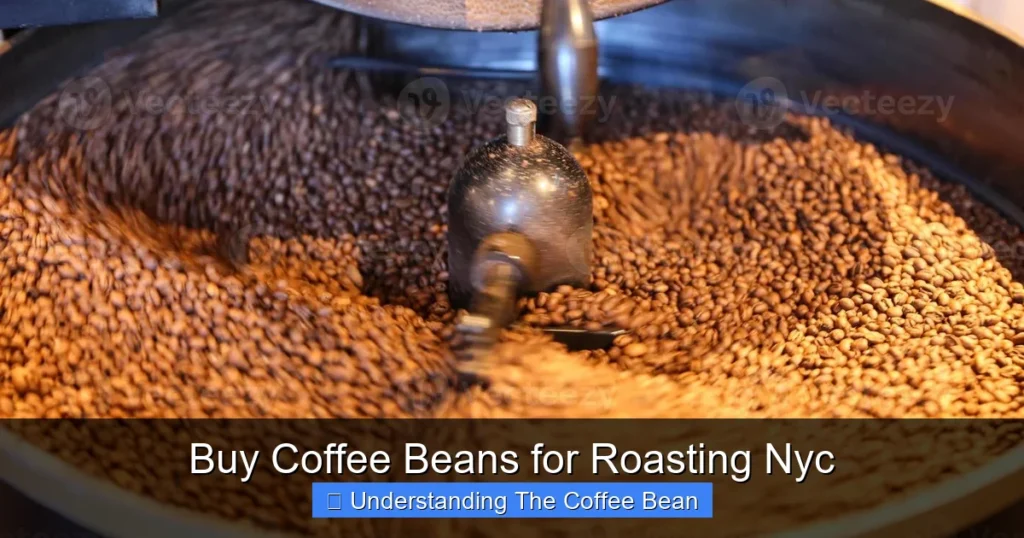
If you’re passionate about roasting your own coffee at home, New York City offers some of the best sources for premium green coffee beans. From specialty importers to local roasters selling unroasted beans, NYC is a hub for coffee lovers who want control over flavor, freshness, and sustainability.
So, you’ve decided to take your coffee game to the next level—roasting your own beans at home. That’s awesome. There’s something deeply satisfying about transforming raw, green coffee beans into aromatic, flavorful roasted coffee right in your kitchen. But before you can fire up your roaster, you need one essential ingredient: high-quality green coffee beans. And if you’re in New York City, you’re in luck. NYC is a coffee mecca, brimming with specialty shops, passionate roasters, and importers who cater to home roasters and professionals alike.
Whether you’re a seasoned roaster or just starting out, finding the right beans is the first step toward crafting your perfect cup. The good news? You don’t have to travel far. From Brooklyn to Queens, Manhattan to the Bronx, there are plenty of places to buy coffee beans for roasting in NYC. And it’s not just about convenience—many local suppliers offer beans with detailed origin stories, harvest dates, and processing methods, giving you more control over the final flavor. Plus, buying locally often means fresher beans and the chance to support small businesses that care about quality and sustainability.
Key Takeaways
- Freshness matters: Green coffee beans retain quality for up to a year when stored properly, but sourcing recently harvested beans ensures optimal roast potential.
- Local roasters are key allies: Many NYC-based roasters sell green beans directly to consumers, often with detailed origin info and roast recommendations.
- Ethical sourcing is growing: More suppliers now offer traceable, fair-trade, and organic green beans, supporting sustainable farming practices.
- Online options expand access: Reputable online retailers ship fresh green beans nationwide, including to NYC, with fast delivery and bulk discounts.
- Roasting at home is rewarding: With the right beans and equipment, home roasting lets you customize flavor profiles and enjoy coffee at peak freshness.
- Know your varietals: Understanding bean types—like Arabica vs. Robusta or single-origin vs. blends—helps you choose the right beans for your taste preferences.
- Storage is crucial: Properly storing green beans in a cool, dry place preserves their potential and extends shelf life.
📑 Table of Contents
Why Roast Your Own Coffee Beans?
Roasting your own coffee isn’t just a trend—it’s a movement. More and more coffee lovers are discovering the joy of controlling every aspect of their brew, from bean selection to roast level. When you roast at home, you’re not just making coffee; you’re crafting an experience. You can experiment with light, medium, or dark roasts, adjust for acidity or body, and even blend different origins to create something uniquely yours.
But beyond the creative freedom, roasting your own beans ensures peak freshness. Store-bought coffee often sits on shelves for weeks or even months after roasting. By the time you brew it, much of the aroma and nuanced flavor has faded. In contrast, home-roasted coffee can be brewed within days—or even hours—of roasting, delivering a richer, more vibrant cup. Plus, you’ll know exactly what’s in your coffee: no additives, no preservatives, just pure, high-quality beans.
The Benefits of Freshness and Control
One of the biggest advantages of roasting at home is the ability to enjoy coffee at its absolute freshest. Coffee begins to lose its peak flavor within two to four weeks of roasting, and that window shrinks even further once the bag is opened. When you roast your own beans, you can brew within days of roasting, capturing the full spectrum of flavors—floral notes, fruity undertones, chocolatey richness—that fade over time.
Another benefit is control. Want a bright, citrusy Ethiopian light roast? Go for it. Prefer a bold, smoky French roast? You’ve got the power. You can adjust roast time, temperature, and even the type of roaster (air popper, drum roaster, skillet) to suit your taste. And because you’re sourcing the beans yourself, you can choose based on origin, processing method, and ethical practices—something that’s harder to verify with pre-roasted coffee.
Cost Savings Over Time
While the initial investment in a roaster and green beans might seem steep, home roasting can save you money in the long run. High-quality green coffee beans typically cost between $8 and $15 per pound, depending on origin and quality. In contrast, specialty roasted coffee often runs $16 to $25 per pound—or more. Over time, that difference adds up. Plus, buying in bulk (many suppliers offer 5- or 10-pound discounts) further reduces the cost per pound.
And let’s not forget the satisfaction. There’s something deeply rewarding about sipping a cup of coffee you roasted yourself. It’s not just about taste—it’s about pride, craftsmanship, and connection to the entire coffee journey, from farm to cup.
Where to Buy Coffee Beans for Roasting in NYC
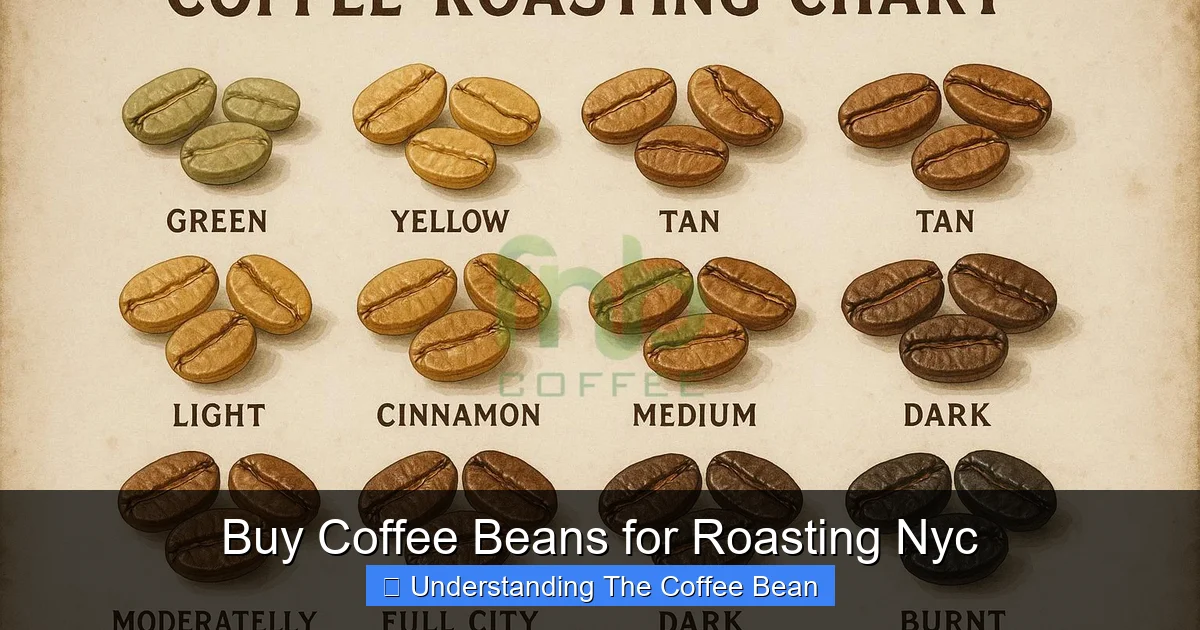
Visual guide about Buy Coffee Beans for Roasting Nyc
Image source: fnb.coffee
Now that you’re convinced (we hope!), let’s talk about where to actually find green coffee beans in New York City. The city’s vibrant coffee scene means you have options—lots of them. From local roasters who sell unroasted beans to specialty importers and online retailers with NYC delivery, you won’t have to look far.
Local Roasters Selling Green Beans
One of the best ways to buy coffee beans for roasting in NYC is through local roasters. Many specialty coffee shops and roasteries understand the growing demand for home roasting and now offer green beans for sale. These aren’t just random beans—they’re often the same high-quality, ethically sourced lots they use in their own roasting.
For example, **Sey Coffee** in Bushwick, Brooklyn, is known for its light-roast, single-origin coffees. They occasionally sell green beans directly to customers, especially during harvest seasons or special events. Similarly, **Partners Coffee**, with locations across Brooklyn and Manhattan, has started offering green beans through their online store, complete with detailed tasting notes and roast profiles.
Another standout is **Devoción**, a Brooklyn-based roaster with direct relationships with Colombian farmers. They’ve been known to sell small batches of green beans to home roasters, giving you access to some of the freshest, most traceable coffee on the market. These beans often come with harvest dates and processing details, so you know exactly what you’re getting.
Specialty Coffee Importers and Wholesalers
If you’re looking for a wider selection or larger quantities, consider visiting or contacting specialty coffee importers and wholesalers. These businesses work directly with farms and cooperatives around the world and often sell green beans in bulk to cafes, roasters—and increasingly, to home enthusiasts.
**Coffee Labs** in Tarrytown (just outside NYC) is a well-known importer that supplies green beans to many local roasters. While they primarily serve commercial clients, they’ve started offering smaller quantities to home roasters, especially those who visit their facility or attend their workshops. They carry a rotating selection of single-origin beans from Ethiopia, Guatemala, Colombia, and beyond.
Another option is **Sweet Maria’s**, though not based in NYC, they ship nationwide and are a favorite among home roasters. Their website offers an extensive catalog of green beans, detailed brewing and roasting guides, and even sample packs so you can try before you buy in bulk. They’re known for their educational content and commitment to helping home roasters succeed.
Online Retailers with NYC Delivery
Can’t make it to a physical store? No problem. Many reputable online retailers ship fresh green coffee beans directly to your NYC doorstep. These platforms often have larger inventories, competitive pricing, and fast shipping—some even offer next-day delivery in the city.
**Burman Coffee Traders** is a top choice for home roasters. Based in New Jersey, they’ve been in business for over 30 years and offer a huge selection of green beans from around the world. Their website is user-friendly, with filters for origin, processing method, and price. They also provide roast recommendations and flavor notes for each bean.
**The Coffee Bean and Tea Leaf** (not to be confused with the chain) is another solid option. They specialize in green coffee and offer everything from affordable beginner packs to rare, high-end microlots. Their beans are stored in climate-controlled facilities to ensure freshness, and they ship quickly—often within 24 hours of ordering.
Farmers Markets and Pop-Up Events
Don’t overlook NYC’s vibrant farmers markets and coffee pop-ups. Events like the **Smorgasburg** food market in Williamsburg or the **Union Square Greenmarket** often feature coffee vendors selling green beans alongside roasted offerings. These are great opportunities to meet roasters face-to-face, ask questions, and sample different beans before buying.
Some roasters also host “roast-your-own” events or workshops where you can buy beans and roast them on-site. These events are not only educational but also a fun way to connect with the local coffee community. Keep an eye on event listings from organizations like **New York Coffee Festival** or **Brooklyn Roasting Company** for upcoming opportunities.
Understanding Coffee Bean Varieties and Origins
Not all green coffee beans are created equal. To make the most of your roasting experience, it helps to understand the different types of beans, where they come from, and how these factors influence flavor.
Arabica vs. Robusta: What’s the Difference?
The two main species of coffee are **Arabica** and **Robusta**. Arabica beans are the gold standard for specialty coffee—they’re smoother, more complex, and generally preferred by home roasters. They thrive at higher altitudes and have a wider range of flavors, from floral and fruity to nutty and chocolatey.
Robusta, on the other hand, is hardier, higher in caffeine, and often used in espresso blends for its crema and boldness. While it can be harsher and more bitter, some roasters enjoy experimenting with Robusta for its unique characteristics. For most home roasters, though, Arabica is the way to go.
Single-Origin vs. Blends
Single-origin beans come from one specific region, farm, or cooperative, offering a pure expression of that area’s terroir. These beans are ideal for exploring unique flavor profiles—like the blueberry notes of Ethiopian Yirgacheffe or the caramel sweetness of a Guatemalan Antigua.
Blends, by contrast, combine beans from multiple origins to create a balanced, consistent cup. While blends are often associated with commercial coffee, home roasters can also create their own custom blends by mixing different green beans before roasting. This allows for endless experimentation and personalization.
Processing Methods: Natural, Washed, and Honey
How coffee cherries are processed after harvest significantly impacts flavor. The three main methods are:
– **Washed**: The fruit is removed before drying, resulting in clean, bright, acidic coffees.
– **Natural**: The beans are dried inside the fruit, producing fruity, fermented, and sometimes wine-like flavors.
– **Honey (or Pulped Natural)**: Some fruit is left on during drying, creating a balance between sweetness and acidity.
When buying green beans, look for information about processing—it’s a key clue to what your roast might taste like.
Tips for Choosing and Storing Green Coffee Beans
Buying green beans is just the beginning. To get the best results, you need to choose wisely and store properly.
What to Look for When Buying
When shopping for green coffee beans, prioritize freshness, origin transparency, and quality. Look for beans that are:
– **Recently harvested** (ideally within the last 6–12 months)
– **Properly stored** (in breathable bags, away from light and moisture)
– **Free of defects** (no mold, insect damage, or excessive broken beans)
– **From reputable sources** (roasters or importers with good reviews)
Ask about the harvest date, processing method, and farm or cooperative of origin. The more information, the better.
Proper Storage Techniques
Green coffee beans can last up to a year if stored correctly. Keep them in a cool, dry, dark place—think pantry or cupboard, not the fridge or freezer. Use airtight containers with one-way valves (like those used for roasted coffee) to allow gases to escape without letting air in.
Avoid clear containers, as light degrades beans over time. And never store beans near strong odors—coffee absorbs smells easily.
Getting Started with Home Roasting
Ready to roast? You don’t need expensive equipment to begin. A simple air popcorn popper can work for small batches, while drum roasters offer more control for serious roasters. Start with 4–8 ounces of beans, monitor the roast closely, and listen for the “first crack”—a sound like popcorn popping that signals the start of a light roast.
Keep a roasting journal to track time, temperature, and outcomes. Over time, you’ll develop your own style and preferences.
Conclusion
Buying coffee beans for roasting in NYC is easier than ever, thanks to a thriving community of roasters, importers, and coffee lovers. Whether you shop locally or online, the key is to seek out fresh, high-quality green beans with transparent sourcing. Roasting at home isn’t just about making coffee—it’s about connecting with the craft, exploring flavors, and enjoying the freshest cup possible. So grab some beans, fire up your roaster, and start your journey from green to golden brown. Your perfect cup is just a roast away.
Frequently Asked Questions
Where can I buy green coffee beans in NYC?
You can buy green coffee beans in NYC from local roasters like Sey Coffee and Partners Coffee, specialty importers such as Coffee Labs, or online retailers like Burman Coffee Traders that ship to the city. Many also sell at farmers markets and pop-up events.
How long do green coffee beans last?
Green coffee beans can last up to 12 months when stored properly in a cool, dry, dark place. Freshness is best within 6–9 months of harvest, so always check the harvest date when buying.
Can I roast coffee beans at home without special equipment?
Yes! You can start with a simple air popcorn popper, a skillet, or even an oven. While dedicated drum roasters offer more control, beginners can achieve great results with basic tools.
What’s the difference between Arabica and Robusta green beans?
Arabica beans are smoother, more complex, and preferred for specialty coffee. Robusta is higher in caffeine, more bitter, and often used in espresso blends. Most home roasters choose Arabica for its flavor range.
Should I buy single-origin or blended green beans?
Single-origin beans let you explore unique regional flavors, while blends offer balance and consistency. Beginners may prefer single-origin to understand flavor profiles, while experienced roasters might enjoy creating custom blends.
How do I know if green coffee beans are fresh?
Look for beans with a harvest date within the last 6–12 months, a clean appearance, and no signs of mold or damage. Reputable sellers will provide origin and processing details, which are signs of quality and transparency.