
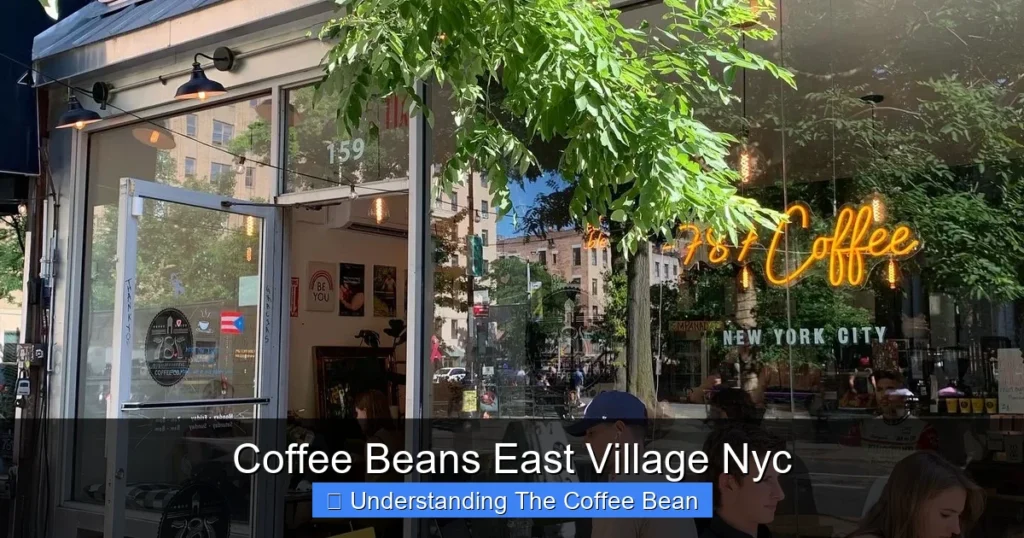
East Village NYC is a vibrant hub for coffee lovers, home to some of the city’s most innovative roasters and cozy cafes. Whether you’re a seasoned barista or a casual sipper, this neighborhood offers a rich variety of high-quality coffee beans and brewing experiences that reflect the area’s creative spirit.
If you’ve ever wandered through the bustling streets of New York City’s East Village, you’ve likely caught the rich, inviting aroma of freshly ground coffee wafting from a corner café. This isn’t just your average urban scent—it’s a signal that you’ve entered one of the city’s most dynamic coffee scenes. The East Village has long been known for its artistic flair, diverse community, and rebellious spirit, and its coffee culture reflects all of that and more. From hidden speakeasy-style roasteries to sunlit corners where baristas know your name, this neighborhood treats coffee not just as a drink, but as an experience.
What sets the East Village apart isn’t just the number of cafes—it’s the quality and passion behind every cup. Many of these spots are run by people who live and breathe coffee, sourcing beans directly from farmers, experimenting with roast profiles, and perfecting brewing methods. Whether you’re sipping a velvety flat white at a minimalist Japanese-inspired café or enjoying a bold pour-over at a vintage record shop-turned-coffee bar, you’re tasting the result of serious craftsmanship. And because the neighborhood is compact and walkable, you can easily hop from one gem to the next, sampling different beans and styles in a single afternoon.
Key Takeaways
- East Village is a coffee destination: The neighborhood boasts a dense concentration of independent roasters and specialty cafes, making it a must-visit for coffee enthusiasts.
- Freshly roasted beans are everywhere: Many local shops roast their own beans in-house or partner with nearby roasteries, ensuring peak freshness and flavor.
- Diverse coffee origins and profiles: From fruity Ethiopian single-origins to rich Colombian dark roasts, the East Village offers a global tasting experience.
- Support local and sustainable practices: Many East Village cafes prioritize ethical sourcing, direct trade, and eco-friendly packaging.
- Brewing education is accessible: Several spots offer workshops, tastings, and barista tips to help you brew better coffee at home.
- Unique café cultures define the experience: Each shop has its own vibe—from minimalist design to live music—enhancing the coffee journey beyond the cup.
- Take home your favorite beans: Most cafes sell bags of their signature blends, so you can recreate the East Village coffee experience anywhere.
📑 Table of Contents
The Rise of Specialty Coffee in the East Village
The East Village’s coffee renaissance didn’t happen overnight. It’s the result of decades of cultural evolution, urban renewal, and a growing demand for authenticity in everyday experiences. In the 1990s and early 2000s, the neighborhood was better known for its punk rock clubs and dive bars than for its coffee. But as the city changed, so did its tastes. Young professionals, artists, and students began seeking out third-wave coffee—coffee that treats beans like wine, with attention to origin, processing, and terroir.
This shift aligned perfectly with the East Village’s creative energy. Independent roasters started popping up, often in converted storefronts or basement spaces, bringing a new level of sophistication to the local coffee scene. Places like Sey Coffee and Variety Coffee Roasters became neighborhood staples, not just for their excellent brews, but for their commitment to transparency and quality. These early adopters set the tone for what would become a thriving ecosystem of coffee innovation.
Third-Wave Coffee Meets Urban Culture
Third-wave coffee is all about appreciation—appreciation for the farmer, the roaster, the barista, and the bean itself. In the East Village, this philosophy blends seamlessly with the area’s artistic and intellectual vibe. You’ll find cafes that double as art galleries, host poetry readings, or feature live jazz on weekends. The coffee isn’t just a beverage here—it’s part of a larger cultural experience.
For example, at a place like Hi-Collar, a Japanese-style kissaten (coffee house), the focus is on precision and ritual. The baristas use siphons and pour-over methods with almost ceremonial care, serving single-origin beans that highlight subtle floral or citrus notes. It’s a far cry from the burnt, over-roasted coffee many of us grew up with. This attention to detail attracts a clientele that values mindfulness and craftsmanship, whether they’re writing a novel, studying for exams, or simply enjoying a quiet moment.
Local Roasters Leading the Charge
One of the biggest reasons the East Village stands out is the presence of local roasters who are deeply involved in the community. Unlike chain cafes that rely on mass-produced beans, these roasters often roast in small batches, adjusting profiles based on feedback and seasonal availability. This means the coffee you drink today might taste slightly different next week—and that’s a good thing.
Take Sey Coffee, for instance. Located on a quiet side street, Sey has gained a cult following for its light-roast, single-origin offerings. They source beans directly from farms in Ethiopia, Colombia, and Guatemala, often visiting the growers themselves. Their roasting style emphasizes clarity and complexity, bringing out flavors like bergamot, stone fruit, and dark chocolate. Because they roast on-site, customers can often smell the beans being transformed in real time—a sensory experience that adds to the allure.
Similarly, Variety Coffee Roasters, with a flagship location on St. Marks Place, has built a reputation for consistency and innovation. They offer a rotating selection of seasonal beans, each with detailed tasting notes and origin stories. Their baristas are trained to guide customers through the menu, helping them choose a brew that matches their palate. Whether you prefer something bright and acidic or smooth and nutty, Variety has something for you.
What Makes East Village Coffee Beans Special?
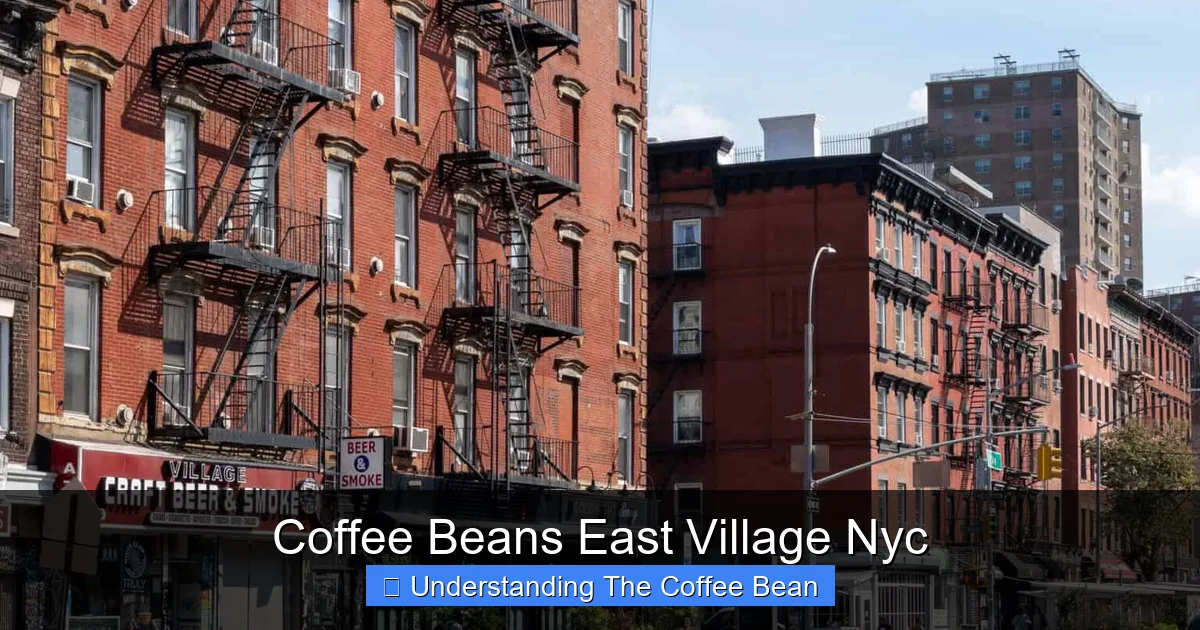
Visual guide about Coffee Beans East Village Nyc
Image source: gonewyork.com
So, what exactly sets East Village coffee beans apart from those you might find elsewhere? It’s not just the beans themselves—though they are often top-tier—it’s the entire ecosystem that surrounds them. From sourcing to roasting to brewing, every step is infused with care and intention.
Freshness First: The Roast-to-Order Model
One of the hallmarks of East Village coffee culture is the emphasis on freshness. Unlike supermarket beans that may have been sitting on a shelf for months, the beans you find in this neighborhood are often roasted within days—or even hours—of being sold. Many cafes follow a roast-to-order model, meaning they only roast what they need, when they need it.
This approach ensures that the coffee retains its full aroma and flavor. Coffee beans are at their peak within 7 to 14 days of roasting, and East Village roasters know this. They often stamp bags with roast dates and encourage customers to brew within that window. Some shops even offer same-day delivery or pickup for freshly roasted beans, so you can enjoy that just-roasted taste at home.
Single-Origin vs. Blends: A Matter of Taste
Another key distinction is the variety of coffee offerings. While some cafes specialize in single-origin beans—highlighting the unique characteristics of a specific farm or region—others focus on expertly crafted blends that balance flavor, body, and aroma.
Single-origin coffees are like a snapshot of a place. A bean from Yirgacheffe, Ethiopia, might offer floral and tea-like notes with a bright acidity, while a bean from Huila, Colombia, could be rich and chocolatey with a smooth finish. East Village cafes often rotate their single-origin selections seasonally, giving customers a chance to explore different terroirs throughout the year.
Blends, on the other hand, are designed for consistency and balance. A classic espresso blend might combine beans from Brazil, Guatemala, and Sumatra to create a well-rounded cup with notes of caramel, nuts, and dark fruit. These are often the go-to choice for milk-based drinks like lattes and cappuccinos, where the espresso needs to hold its own against the creaminess of steamed milk.
Sustainability and Ethical Sourcing
Sustainability isn’t just a buzzword in the East Village—it’s a core value. Many local roasters prioritize ethical sourcing, working directly with farmers to ensure fair wages and environmentally responsible practices. This direct trade model cuts out middlemen, allowing more money to go back to the communities that grow the coffee.
For example, some cafes partner with cooperatives in Honduras or Rwanda, supporting women-led farms or reforestation projects. Others use compostable packaging, offer discounts for bringing your own cup, or donate a portion of profits to coffee-growing communities. This level of transparency builds trust and deepens the connection between consumer and producer.
Top East Village Cafes for Coffee Beans
If you’re looking to experience the best coffee beans the East Village has to offer, here are a few standout spots that consistently deliver quality, creativity, and community.
Sey Coffee
Tucked away on a quiet stretch of East 4th Street, Sey Coffee is a minimalist haven for coffee purists. The space is sleek and serene, with white walls, wooden accents, and a central roasting area visible to customers. Their focus is on light-roasted, single-origin beans that showcase the natural flavors of the coffee plant.
Sey’s menu changes frequently based on what’s fresh and in season. You might find a naturally processed Ethiopian with blueberry notes one week, and a washed Kenyan with blackcurrant and wine-like acidity the next. They offer pour-over, espresso, and batch brew options, and their baristas are happy to explain the tasting notes and brewing process.
What really sets Sey apart is their commitment to education. They host regular cupping sessions (coffee tastings) and workshops on home brewing, helping customers deepen their understanding of coffee. And yes, you can buy their beans to take home—just make sure to grind them right before brewing for the best results.
Variety Coffee Roasters
With several locations across NYC, Variety has become a beloved name in the city’s coffee scene. Their St. Marks Place location is a cozy, industrial-chic space with exposed brick, hanging plants, and a long communal table perfect for working or chatting.
Variety offers a mix of single-origin and blended coffees, all roasted in-house. Their “House Blend” is a crowd-pleaser—smooth, balanced, and great for espresso or drip. But don’t sleep on their seasonal offerings. In the fall, they might feature a honey-processed Costa Rican with notes of brown sugar and apple. In the spring, a floral Guatemalan with jasmine and lemon zest.
They also sell bags of beans with detailed brewing guides, so you can replicate your favorite drink at home. Their staff is knowledgeable and friendly, always ready to recommend a brew based on your preferences.
Hi-Collar
Step into Hi-Collar, and you’ll feel like you’ve been transported to Tokyo. This Japanese-style kissaten serves meticulously prepared coffee using traditional methods like siphon brewing and hand-drip. The atmosphere is calm and contemplative, with soft lighting, jazz music, and a no-laptops policy during peak hours.
Their coffee menu features a rotating selection of single-origin beans, often from lesser-known regions like Myanmar or Papua New Guinea. The siphon brew brings out delicate, tea-like qualities in the coffee, making it a unique experience even for seasoned drinkers.
While the coffee is the star, Hi-Collar also serves light bites like onigiri and matcha cookies, making it a great spot for a quiet afternoon. And if you fall in love with a particular bean, you can purchase it to enjoy at home—just ask the barista for brewing tips.
Abraço
Abraço is a tiny, no-frills café that packs a big punch. Known for its legendary olive oil cake and strong espresso, this spot has been a neighborhood favorite for over a decade. The space is small—just a few stools and a standing bar—but the energy is warm and welcoming.
Their coffee is sourced from top-tier roasters like Stumptown and Counter Culture, and they take pride in their espresso shots, which are rich, creamy, and perfectly balanced. They also offer a rotating single-origin pour-over, often featuring beans from Africa or Central America.
What makes Abraço special is its sense of community. Regulars know each other by name, and the baristas remember your usual order. It’s the kind of place where you can strike up a conversation with a stranger over a shared love of good coffee.
How to Choose the Right Coffee Beans
With so many options, choosing the right coffee beans can feel overwhelming. But it doesn’t have to be. Here are some practical tips to help you find your perfect match.
Know Your Brew Method
Different brewing methods bring out different flavors in coffee. If you use a French press, you’ll want a coarse grind and a full-bodied bean with low acidity. For pour-over, a medium grind and a bright, floral single-origin will shine. Espresso lovers should look for a finely ground, dark roast blend that can stand up to pressure.
Most East Village cafes will recommend beans based on your preferred brewing method. Don’t be afraid to ask—baristas are usually happy to help.
Consider Flavor Preferences
Think about what you enjoy in other foods and drinks. Do you like citrusy, tangy flavors? Look for African beans. Prefer something smooth and chocolatey? Try a Brazilian or Sumatran roast. If you enjoy fruity or wine-like notes, natural or honey-processed beans from Central America might be your thing.
Many cafes offer tasting notes on their bags or menus, so use those as a guide. And remember, taste is subjective—what works for one person might not work for another.
Check the Roast Date
Always look for a roast date on the bag. Freshness is key to great coffee. Avoid beans that are more than a month old, and aim to brew within two weeks of roasting for optimal flavor.
Start Small
If you’re trying a new bean or roaster, buy a small amount first. Many East Village cafes sell half-pound or quarter-pound bags, so you can sample without committing to a full pound.
Brewing Coffee at Home: Tips from East Village Baristas
Bringing the East Village coffee experience home is easier than you think. With the right beans and a few simple tools, you can brew café-quality coffee in your own kitchen.
Invest in a Good Grinder
Pre-ground coffee loses flavor quickly. A burr grinder allows you to grind beans just before brewing, preserving aroma and taste. Look for one that offers consistent grind sizes for your preferred method.
Use Fresh, Filtered Water
Coffee is 98% water, so quality matters. Use filtered water to avoid off-flavors from chlorine or minerals.
Measure Your Coffee
Use a scale to measure your beans and water. A standard ratio is 1:16 (1 gram of coffee to 16 grams of water), but adjust to taste.
Experiment with Brew Time
Different methods require different brew times. French press: 4 minutes. Pour-over: 2.5 to 3.5 minutes. Espresso: 25 to 30 seconds. Adjust based on strength and flavor.
Clean Your Equipment
Residue from old coffee can affect taste. Clean your brewer, grinder, and kettle regularly.
The Future of Coffee in the East Village
As the East Village continues to evolve, so does its coffee culture. New cafes are opening with innovative concepts—like zero-waste shops, coffee-and-book pairings, or AI-assisted brewing. At the same time, long-standing favorites are doubling down on sustainability and community engagement.
One trend to watch is the rise of hyper-local roasting. Some cafes are experimenting with rooftop gardens or urban farms, growing herbs and even coffee plants in greenhouses. While true coffee cultivation isn’t feasible in NYC’s climate, these projects highlight a growing desire to connect with the source of our food and drink.
Another exciting development is the integration of technology. Some shops now use apps to track roast profiles, offer personalized recommendations, or even let you order ahead. But despite these advances, the human element remains central. The best East Village cafes still prioritize personal connection, storytelling, and the simple joy of a well-made cup.
Conclusion
The East Village isn’t just a neighborhood—it’s a coffee destination. With its passionate roasters, innovative cafes, and deep respect for the craft, it offers one of the most vibrant coffee experiences in New York City. Whether you’re sipping a meticulously brewed pour-over or taking home a bag of freshly roasted beans, you’re participating in a culture that values quality, creativity, and community.
So next time you’re in the East Village, follow your nose. Step into a café, strike up a conversation, and let the beans guide you. You might just discover your new favorite cup.
Frequently Asked Questions
Where can I buy the best coffee beans in East Village NYC?
Top spots include Sey Coffee, Variety Coffee Roasters, Hi-Collar, and Abraço. These cafes roast in-house or partner with local roasters, ensuring fresh, high-quality beans with detailed origin information.
Are East Village coffee beans ethically sourced?
Yes, many East Village roasters prioritize ethical sourcing through direct trade, fair wages, and sustainable farming practices. Look for transparency in labeling and ask baristas about their sourcing methods.
Can I take home coffee beans from East Village cafes?
Absolutely. Most cafes sell bags of their signature blends and single-origin beans, often with brewing tips and roast dates. It’s a great way to enjoy East Village coffee at home.
What’s the difference between single-origin and blended coffee beans?
Single-origin beans come from one farm or region, highlighting unique flavors like fruit or florals. Blends combine beans from multiple origins for balanced, consistent taste, ideal for espresso.
How fresh are the coffee beans in East Village cafes?
Very fresh. Many cafes roast in small batches and stamp bags with roast dates. Beans are typically at their peak within 7–14 days of roasting, and staff often recommend brewing within that window.
Do East Village cafes offer coffee brewing classes?
Yes, several cafes like Sey Coffee and Variety host workshops, cuppings, and home brewing tutorials. These events are great for learning about grind size, water temperature, and extraction techniques.