
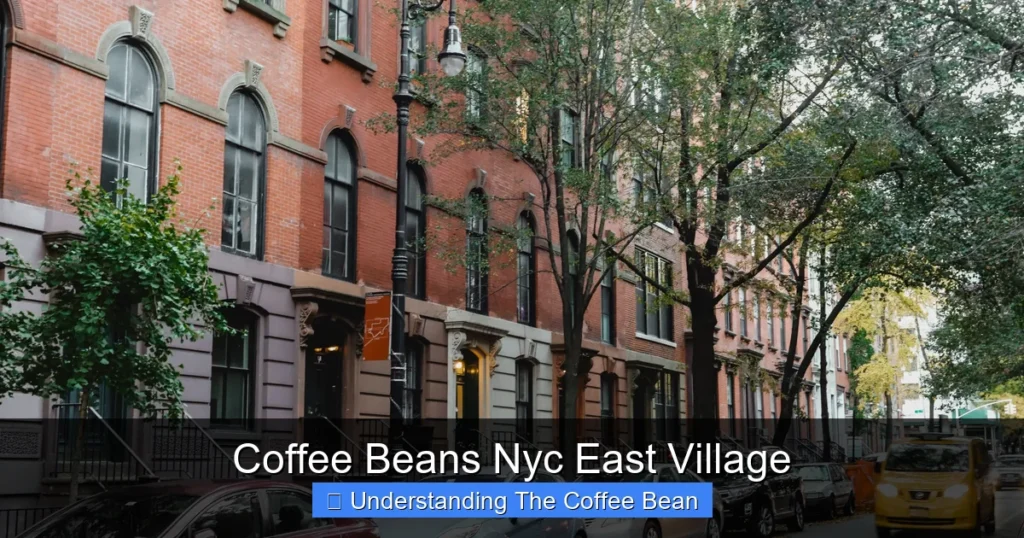
The East Village in NYC is a vibrant hub for coffee lovers, home to some of the city’s most innovative roasters and cafes. From single-origin beans to expertly crafted espresso, this neighborhood offers a rich coffee culture worth exploring.
If you’ve ever wandered through the East Village in New York City, you’ve likely caught the rich, inviting aroma of freshly ground coffee wafting from a corner café. This bustling neighborhood, known for its artistic vibe, historic brownstones, and eclectic mix of residents, has quietly become one of the city’s most exciting destinations for coffee lovers. Whether you’re a seasoned coffee connoisseur or just someone who enjoys a good morning brew, the East Village offers an experience that goes far beyond your average cup of joe.
What sets this area apart isn’t just the number of coffee shops—though there are plenty—but the quality and passion behind each cup. From small-batch roasters to cozy neighborhood cafes, the East Village is home to a thriving coffee culture that values craftsmanship, sustainability, and community. You’ll find beans sourced directly from farmers in Guatemala, roasted to perfection in Brooklyn, and brewed with precision by baristas who treat coffee like an art form. It’s not just about caffeine; it’s about connection, flavor, and the joy of discovery.
In this guide, we’ll dive deep into the world of coffee beans in the East Village. We’ll explore the origins of the beans you’ll find, the roasting techniques that bring out their best qualities, and the cafes that are leading the charge in New York’s specialty coffee scene. Whether you’re looking to buy beans to brew at home or simply want to sip on a perfectly pulled espresso, this neighborhood has something for everyone.
Key Takeaways
- East Village is a coffee destination: The neighborhood boasts a high concentration of specialty coffee shops and roasteries, making it a must-visit for coffee enthusiasts.
- Local roasting is key: Many cafes in the area roast their own beans, ensuring freshness and unique flavor profiles you won’t find elsewhere.
- Diverse coffee origins: From Ethiopian Yirgacheffe to Colombian Huila, East Village cafes offer beans from top-producing regions around the world.
- Third-wave coffee culture thrives: The area embraces the third-wave movement, focusing on quality, sustainability, and the art of brewing.
- Seasonal and experimental blends: Many local roasters release limited-edition beans, giving customers a chance to try innovative flavors.
- Knowledgeable baristas: Staff at East Village cafes are often trained in coffee education, ready to guide you to your perfect cup.
- Support small businesses: Choosing local roasters helps sustain the community and promotes ethical sourcing practices.
📑 Table of Contents
The Rise of Specialty Coffee in the East Village
The East Village’s coffee renaissance didn’t happen overnight. It’s the result of decades of cultural shifts, urban development, and a growing demand for high-quality, ethically sourced coffee. In the early 2000s, as the neighborhood began to gentrify and attract a younger, more globally conscious population, coffee shops started to evolve. The old-school diners and corner bodegas were gradually replaced—or complemented—by sleek, minimalist cafes that prioritized quality over convenience.
This shift aligned with the rise of the “third-wave coffee” movement, a term coined to describe a new era in coffee culture that treats coffee as a craft rather than a commodity. Third-wave coffee emphasizes the entire supply chain—from farm to cup—and celebrates the unique characteristics of each bean. In the East Village, this philosophy took root quickly. Local entrepreneurs, many of whom were coffee enthusiasts themselves, began opening shops that focused on transparency, education, and excellence.
One of the defining features of the East Village coffee scene is its emphasis on local roasting. Unlike chains that rely on pre-roasted beans shipped from distant warehouses, many East Village cafes roast their own coffee in-house or partner with nearby roasteries. This ensures that the beans are as fresh as possible, often roasted within days—or even hours—of being served. The result? A cup of coffee that’s vibrant, aromatic, and full of nuanced flavors.
Another key factor in the neighborhood’s coffee success is its diversity. The East Village has long been a melting pot of cultures, and that diversity is reflected in its coffee offerings. You’ll find beans from Ethiopia, Kenya, Colombia, and beyond, each bringing its own story and flavor profile. This global perspective not only enriches the coffee experience but also supports farmers and cooperatives in coffee-producing regions.
Understanding Coffee Bean Origins
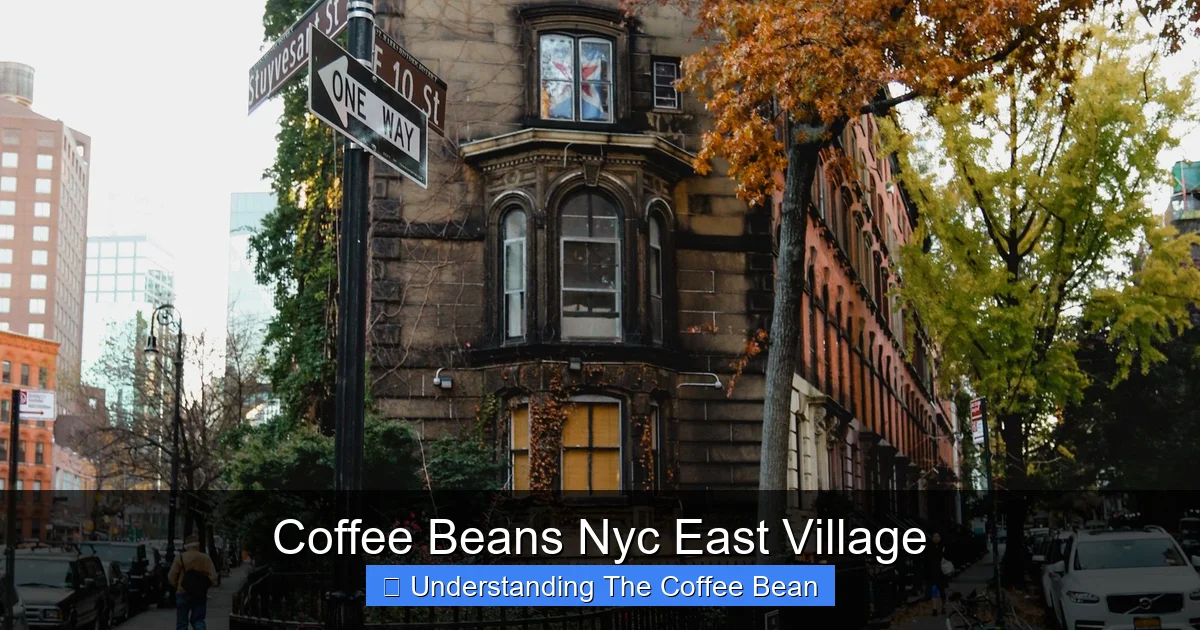
Visual guide about Coffee Beans Nyc East Village
Image source: i.pinimg.com
To truly appreciate the coffee beans in the East Village, it helps to understand where they come from. Coffee beans are the seeds of the Coffea plant, and they grow in tropical regions around the equator—often referred to as the “Coffee Belt.” This includes countries in Central and South America, Africa, and parts of Asia. Each region imparts distinct characteristics to the beans, influenced by factors like altitude, soil, climate, and processing methods.
In the East Village, you’ll encounter a wide range of origins, but some stand out more than others. Ethiopian beans, for example, are a favorite among local roasters. Grown in the highlands of regions like Yirgacheffe and Sidamo, these beans are known for their bright acidity, floral notes, and fruity flavors—think blueberry, lemon, or jasmine. They’re often processed using the “washed” method, which removes the fruit pulp before drying, resulting in a clean, crisp cup.
Colombian beans are another popular choice. Known for their balanced flavor profile, Colombian coffees typically offer notes of caramel, nuts, and mild fruit, with a medium body and smooth finish. Many East Village cafes source their Colombian beans from small farms in regions like Huila or Nariño, where high altitudes and rich volcanic soil contribute to exceptional quality.
Kenyan beans, on the other hand, are celebrated for their bold, wine-like acidity and complex flavors. Often described as having blackcurrant or tomato notes, these beans are usually processed using the “double fermentation” method, which enhances their intensity. While not as common as Ethiopian or Colombian beans, Kenyan coffees can be found in select East Village shops, especially during harvest season.
Honduran and Guatemalan beans are also gaining popularity. These Central American coffees often feature chocolatey, nutty, and citrusy notes, with a fuller body than their African counterparts. They’re frequently processed using the “natural” method, where the beans are dried inside the fruit, adding a layer of sweetness and fruitiness to the final cup.
Understanding these origins isn’t just about flavor—it’s also about ethics. Many East Village roasters prioritize direct trade relationships, meaning they work directly with farmers to ensure fair prices and sustainable practices. This not only improves the quality of the coffee but also supports the livelihoods of the people who grow it.
Roasting Techniques and Flavor Profiles
Once coffee beans are harvested and processed, they’re ready for roasting—the transformative step that unlocks their flavor potential. In the East Village, roasting is treated as both a science and an art. Local roasters carefully control variables like temperature, time, and airflow to bring out the best in each batch.
There are several common roasting styles, each affecting the final taste of the coffee. Light roasts, for example, are roasted for a shorter time and at lower temperatures. This preserves the bean’s natural acidity and origin characteristics, making them ideal for single-origin coffees. You’ll often find light roasts used in pour-over or drip methods, where the subtle flavors can shine.
Medium roasts strike a balance between acidity and body. They’re slightly darker than light roasts and often have a more rounded flavor profile, with notes of caramel, nuts, and mild fruit. These roasts are versatile and work well with a variety of brewing methods, from French press to espresso.
Dark roasts, on the other hand, are roasted longer and at higher temperatures. This reduces acidity and increases bitterness, resulting in a bold, smoky flavor with notes of dark chocolate or char. While some coffee purists prefer lighter roasts, dark roasts remain popular in espresso-based drinks like lattes and cappuccinos.
In the East Village, many roasters offer a range of roast levels, allowing customers to choose based on their preferences. Some even provide tasting notes on their packaging, helping you understand what to expect. For example, a light roast from a local roastery might be described as “bright with notes of peach and honey,” while a dark roast could be labeled “rich and smoky with hints of molasses.”
One trend gaining traction is the use of experimental roasting techniques. Some East Village roasters are playing with hybrid profiles—roasting beans to a medium-light level to preserve origin flavors while adding a touch of body. Others are using data-driven approaches, tracking temperature curves and moisture levels to achieve consistency across batches.
Top East Village Cafes for Coffee Beans
Now that you know a bit about origins and roasting, let’s talk about where to find the best coffee beans in the East Village. This neighborhood is packed with standout cafes, each offering something unique. Here are a few must-visit spots:
Abraço
Tucked away on a quiet side street, Abraço is a tiny but mighty café that’s been a neighborhood staple since 2008. Known for its perfectly executed espresso and olive oil cake, Abraço roasts its own beans in small batches. Their signature blend is a crowd-pleaser—smooth, balanced, and slightly nutty—while their single-origin offerings rotate seasonally. If you’re lucky, you might catch a limited release from a rare Ethiopian micro-lot.
Everyman Espresso
With locations on East 4th and East 7th Streets, Everyman Espresso is a favorite among locals and coffee professionals alike. They source beans from top roasters like Sey Coffee and Onyx Coffee Lab, but also offer their own house blends. Their baristas are highly trained and passionate about their craft, often engaging customers in conversations about brewing methods and flavor profiles. Try their single-origin pour-over for a truly immersive experience.
La Cabra
Originally from Denmark, La Cabra opened its first U.S. location in the East Village in 2022. The café brings Scandinavian minimalism and precision to New York’s coffee scene. They roast their own beans in a dedicated facility in Brooklyn, focusing on light to medium roasts that highlight origin characteristics. Their menu changes frequently, featuring beans from places like Rwanda, Guatemala, and Colombia. Don’t miss their house-made pastries—perfect companions to your coffee.
Black Brick
Located on East 9th Street, Black Brick is a cozy spot with a laid-back vibe. They roast their own beans and offer a rotating selection of single-origin coffees, often featuring rare or experimental lots. The staff is knowledgeable and friendly, happy to guide you through the menu. Their cold brew is a standout—smooth, low-acid, and perfect for warm days.
Sweetleaf
With roots in Williamsburg, Sweetleaf expanded to the East Village and quickly became a local favorite. They roast their own beans and emphasize sustainability and ethical sourcing. Their menu includes classic espresso drinks, pour-overs, and seasonal specials. The café also sells bags of beans to go, so you can recreate the experience at home.
How to Choose the Right Coffee Beans
Walking into an East Village café and seeing a wall of coffee bags can be overwhelming. How do you choose the right beans? Here are some practical tips to help you make the best decision:
First, consider your brewing method. Different beans perform better with different techniques. For example, light roasts are ideal for pour-over or Chemex, which highlight delicate flavors. Medium roasts work well with drip machines or French press, while dark roasts are best for espresso or Moka pot.
Next, think about your flavor preferences. Do you enjoy bright, fruity notes? Look for Ethiopian or Kenyan beans. Prefer something chocolatey and smooth? Colombian or Guatemalan beans might be your go-to. If you’re new to specialty coffee, start with a medium roast—it’s a safe bet that offers balance and approachability.
Don’t be afraid to ask for recommendations. Baristas in the East Village are usually happy to help. Tell them how you like your coffee—strong, sweet, acidic, nutty—and they’ll point you in the right direction. Many cafes also offer tasting flights or small samples, so you can try before you buy.
Finally, check the roast date. Freshness matters. Look for beans roasted within the past two weeks, and avoid bags without a date. Many East Village roasters stamp the roast date right on the packaging, making it easy to know what you’re getting.
Brewing at Home: Tips from the Experts
Buying great coffee beans is only half the battle—brewing them properly is what makes the magic happen. If you’re bringing home beans from the East Village, here’s how to get the best results:
Start with quality water. Coffee is mostly water, so using filtered or bottled water can make a big difference. Avoid tap water with strong odors or flavors.
Grind your beans just before brewing. Pre-ground coffee loses flavor quickly, so invest in a good burr grinder. Grind size should match your brewing method—fine for espresso, medium for drip, coarse for French press.
Use the right coffee-to-water ratio. A general rule is 1 to 2 tablespoons of coffee per 6 ounces of water, but adjust to taste. Weighing your coffee and water with a kitchen scale ensures consistency.
Control your water temperature. Ideal brewing temperature is between 195°F and 205°F. If your kettle doesn’t have a temperature gauge, let boiling water sit for 30 seconds before pouring.
Finally, clean your equipment regularly. Residue from old coffee can affect the taste of your brew. Rinse your brewer, grinder, and filters after each use.
The Future of Coffee in the East Village
As the East Village continues to evolve, so does its coffee culture. New cafes are opening, roasters are experimenting with new techniques, and consumers are becoming more educated about what they’re drinking. Sustainability is also becoming a bigger focus, with more shops offering compostable cups, reusable mugs, and direct trade partnerships.
One exciting trend is the rise of coffee education. Some East Village cafes now offer workshops on brewing, cupping, and latte art, helping customers deepen their appreciation for coffee. Others are collaborating with local artists and musicians, turning their spaces into cultural hubs.
Technology is also playing a role. Some shops use apps to track bean origins, roast profiles, and customer preferences. Others are experimenting with AI-driven brewing systems that adjust variables in real time for optimal flavor.
Despite these changes, the heart of the East Village coffee scene remains the same: a love for great coffee and a commitment to community. Whether you’re sipping a pour-over at a quiet corner café or chatting with a barista about the latest Ethiopian harvest, you’re part of a tradition that values quality, connection, and curiosity.
In the end, the best coffee beans in the East Village aren’t just about taste—they’re about experience. They’re about the smell of freshly roasted beans, the sound of steam wands, and the warmth of a well-made cup on a cold New York morning. So next time you’re in the neighborhood, take a moment to slow down, look around, and savor the moment. Your perfect cup is waiting.
Frequently Asked Questions
Where can I buy the best coffee beans in the East Village?
Top spots include Abraço, Everyman Espresso, La Cabra, Black Brick, and Sweetleaf. These cafes roast their own beans or partner with top roasters, ensuring freshness and quality.
Are East Village coffee beans ethically sourced?
Yes, many local roasters prioritize ethical sourcing through direct trade relationships, fair wages, and sustainable farming practices.
What’s the difference between light, medium, and dark roast?
Light roasts preserve origin flavors and acidity, medium roasts offer balance, and dark roasts are bold and smoky with lower acidity.
Can I buy coffee beans to brew at home in the East Village?
Absolutely. Most cafes sell bags of beans with roast dates and tasting notes, making it easy to enjoy specialty coffee at home.
What brewing method works best with East Village coffee beans?
It depends on the roast and origin. Pour-over and drip are great for light roasts, while French press and espresso suit medium to dark roasts.
Do East Village cafes offer coffee tastings or classes?
Some do! Cafes like Everyman Espresso and La Cabra occasionally host cupping sessions, brewing workshops, and educational events.