
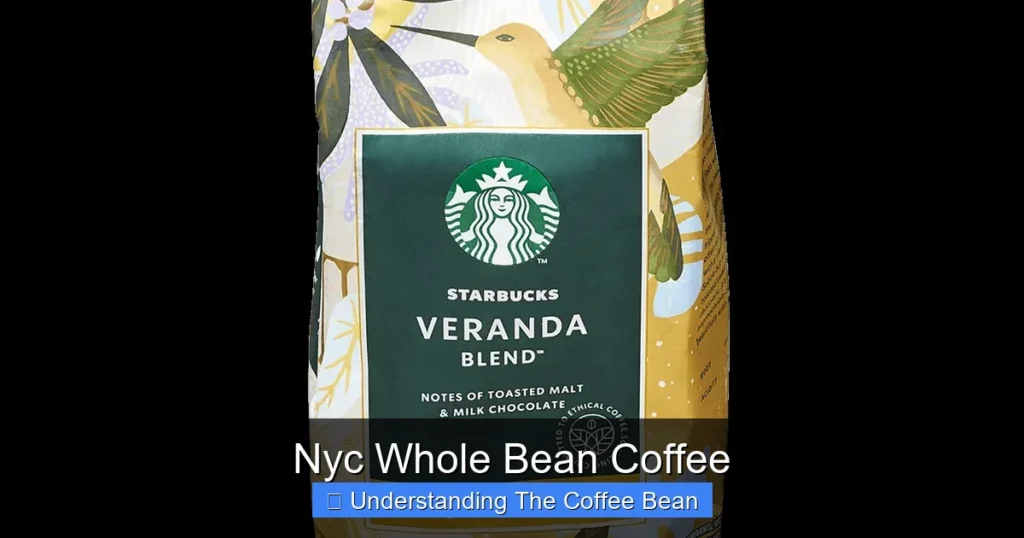
NYC whole bean coffee offers a vibrant, diverse experience shaped by the city’s dynamic culture and top-tier roasters. From bold dark roasts to bright single-origin beans, New York’s coffee scene delivers unmatched freshness and flavor. Whether you’re brewing at home or visiting a neighborhood café, understanding whole beans unlocks richer taste and better control over your cup.
If you’ve ever walked through the streets of New York City early in the morning, you’ve likely caught the rich, inviting aroma of freshly roasted coffee wafting from a corner bodega or a sleek specialty café. That scent? It’s more than just caffeine calling your name—it’s a signal of a city deeply in love with coffee. But beyond the quick espresso shot or the grab-and-go cup lies a deeper, more rewarding world: the world of NYC whole bean coffee.
Whole bean coffee isn’t just a product—it’s a philosophy. It’s about freshness, control, and connection. When you choose whole beans, you’re not just buying coffee; you’re investing in the full sensory experience. The crackle of the first pour-over, the bloom of the grounds releasing CO₂, the deep, complex aroma that fills your kitchen—these moments are lost when you reach for pre-ground coffee. In New York, where quality and craftsmanship are celebrated, whole bean coffee isn’t a luxury—it’s the standard.
What makes NYC whole bean coffee special isn’t just the beans themselves, but the ecosystem that surrounds them. From Brooklyn’s artisanal roasteries to Manhattan’s third-wave coffee temples, the city pulses with a passion for excellence. Roasters here don’t just source beans—they build relationships with farmers, experiment with processing methods, and roast in small batches to preserve nuance. This attention to detail translates into cups that are brighter, bolder, and more expressive than what you’ll find in most chain stores. Whether you’re sipping a citrusy Ethiopian pour-over in Williamsburg or a chocolatey Colombian espresso in the West Village, you’re tasting the soul of the city—one bean at a time.
Key Takeaways
- Whole bean coffee stays fresher longer than pre-ground coffee because grinding exposes more surface area to air, accelerating oxidation and flavor loss.
- NYC is home to some of the most innovative and passionate coffee roasters in the world, offering everything from classic Italian-style blends to experimental single-origin offerings.
- Bean origin and roast date matter more than brand or price—always look for a roast date on the bag and aim to use beans within 2–4 weeks of roasting.
- Grind size should match your brewing method—espresso needs fine grounds, while French press requires coarse—using whole beans lets you customize this perfectly.
- Storing beans properly is essential—keep them in an airtight container away from light, heat, and moisture; never refrigerate or freeze unless necessary.
- Many NYC roasters offer online ordering and nationwide shipping, so you can enjoy authentic New York coffee no matter where you live.
- Supporting local roasters helps sustain ethical sourcing and community-driven coffee culture—many NYC shops prioritize direct trade and sustainable practices.
📑 Table of Contents
- The Rise of Coffee Culture in New York City
- Why Whole Bean Coffee Is Worth the Extra Step
- Understanding Coffee Bean Origins and Profiles
- How NYC Roasters Are Shaping the Coffee Experience
- Brewing with NYC Whole Bean Coffee at Home
- Where to Buy the Best NYC Whole Bean Coffee
- Conclusion: Elevate Your Coffee Game with NYC Whole Bean Coffee
The Rise of Coffee Culture in New York City
New York City has long been a melting pot of cultures, and its coffee scene reflects that diversity. While the city once relied heavily on diner-style drip coffee and Italian espresso bars, the past two decades have seen a revolution. The rise of the “third wave” coffee movement—where coffee is treated like wine, with emphasis on origin, processing, and brewing precision—has transformed how New Yorkers think about their morning brew.
This shift began in the early 2000s, as small roasters like Stumptown (before it went national) and local pioneers like Café Grumpy started popping up in neighborhoods like Greenwich Village and Park Slope. These shops didn’t just serve coffee—they educated customers. They introduced people to single-origin beans, explained the difference between washed and natural processing, and championed manual brewing methods like Chemex and AeroPress. Suddenly, coffee wasn’t just fuel—it was an experience.
Today, NYC is a global leader in specialty coffee. The city hosts annual events like the New York Coffee Festival, attracts international baristas for competitions, and is home to dozens of award-winning roasters. What sets NYC apart is its blend of tradition and innovation. You can still find old-school espresso bars where the barista knows your name and your usual order, but just a few blocks away, you might stumble upon a minimalist café serving anaerobic-fermented Gesha beans brewed with precision scales and timers.
This culture extends beyond cafes. New Yorkers are increasingly brewing at home, and whole bean coffee is at the center of that movement. With access to fresh, locally roasted beans and a wealth of online resources, home brewers are experimenting like never before. The result? A city where coffee is not just consumed—it’s celebrated, studied, and savored.
Why Whole Bean Coffee Is Worth the Extra Step
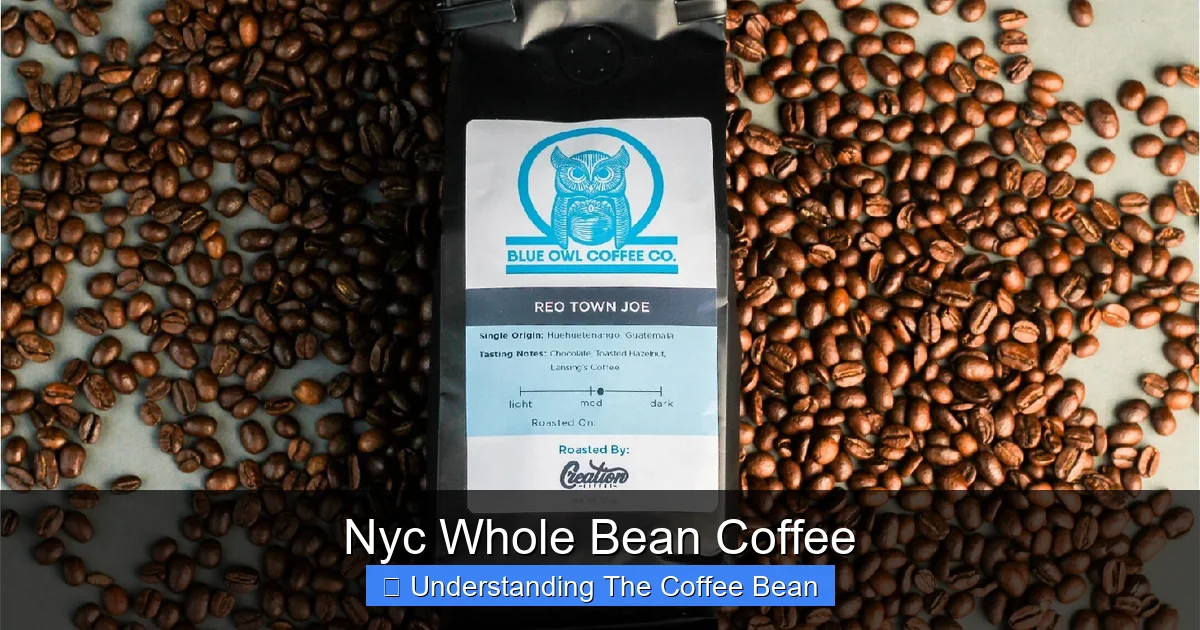
Visual guide about Nyc Whole Bean Coffee
Image source: images.squarespace-cdn.com
You might be thinking: “Isn’t grinding my own beans just more work?” And yes, it does take a few extra minutes. But the payoff is enormous—especially when you’re working with high-quality NYC whole bean coffee.
The biggest reason to choose whole beans is freshness. Coffee begins to lose its flavor the moment it’s ground. Oxygen, light, heat, and moisture all degrade the delicate aromatic compounds that give coffee its character. Pre-ground coffee, even if it’s from a reputable brand, can sit on a shelf for weeks or even months before you buy it. By the time you brew it, much of that flavor has faded.
Whole beans, on the other hand, stay fresh much longer. The outer shell protects the inner bean, slowing down oxidation. When you grind just before brewing, you capture the full spectrum of flavors—floral notes, fruity acids, chocolatey sweetness, smoky depth—exactly as the roaster intended.
Another advantage? Control. Different brewing methods require different grind sizes. Espresso needs a fine grind to create resistance and extract quickly. French press needs a coarse grind to avoid over-extraction and sludge. Pour-over methods like V60 or Kalita Wave work best with a medium-fine grind. If you’re using pre-ground coffee, you’re stuck with one size—usually optimized for drip machines, which may not suit your preferred method.
With whole beans, you can adjust your grind to match your brewer. This means better extraction, balanced flavor, and fewer bitter or sour notes. It also lets you experiment. Want a brighter, more acidic cup? Try a finer grind. Prefer something smoother and fuller? Go coarser. The ability to tweak your grind is one of the most powerful tools in a home brewer’s arsenal.
And let’s not forget the ritual. There’s something deeply satisfying about grinding your own beans. The sound of the burrs, the scent that fills the air, the anticipation of the first sip—it turns brewing into a mindful practice. In a city that moves fast, that moment of pause can be a small act of self-care.
Understanding Coffee Bean Origins and Profiles
Not all coffee beans are created equal—and in NYC, where roasters pride themselves on sourcing excellence, understanding origin is key to finding your perfect cup.
Coffee grows in a region known as the “Bean Belt,” which stretches across the equator from Central and South America to Africa and Asia. Each region produces beans with distinct flavor profiles, shaped by altitude, soil, climate, and processing methods.
African Origins: Bright, Fruity, and Complex
African coffees, especially those from Ethiopia and Kenya, are beloved in NYC for their vibrant acidity and floral, wine-like notes. Ethiopian beans—often labeled as Yirgacheffe or Sidamo—are known for their jasmine, bergamot, and blueberry flavors. These are typically processed using the “washed” method, which removes the fruit pulp before drying, resulting in a clean, bright cup.
Kenyan coffees, on the other hand, are bolder and more winey, with black currant and tomato-like acidity. They’re often processed using the “double fermentation” method, which enhances their complexity. Many NYC roasters feature Kenyan beans in their single-origin offerings, especially during the winter months when their harvest peaks.
Central and South American: Balanced and Approachable
If you prefer a smoother, more balanced cup, look for beans from Colombia, Guatemala, or Costa Rica. These regions produce coffees with chocolate, nut, and caramel notes, often with a medium body and mild acidity.
Colombian beans are some of the most widely available and consistently high-quality. Grown in the Andes at high altitudes, they offer a well-rounded flavor with hints of red apple and brown sugar. Guatemalan coffees, especially those from the Antigua region, are known for their smoky, spicy notes and full body—perfect for those who enjoy a richer brew.
Costa Rican beans often shine with bright citrus and honey sweetness, especially when processed using the “honey” method, where some of the fruit mucilage is left on the bean during drying.
Asian and Pacific: Earthy and Bold
For something different, try beans from Indonesia or Papua New Guinea. Sumatran coffees are famous for their earthy, herbal, and sometimes funky flavors—think cedar, tobacco, and dark chocolate. These are often processed using the “wet-hulling” method, which gives them a unique, full-bodied texture.
Papua New Guinea beans, while less common, offer a surprising balance of fruitiness and body, with notes of tropical fruit and dark roast richness.
Processing Methods Matter Too
Beyond origin, how the coffee is processed affects flavor. The three main methods are:
– **Washed**: Fruit is removed before drying. Results in clean, bright, acidic cups.
– **Natural**: Beans are dried inside the fruit. Creates fruity, fermented, sometimes jammy flavors.
– **Honey (or Pulped Natural)**: Some fruit is left on during drying. Offers a balance of sweetness and clarity.
Many NYC roasters experiment with experimental processing—like anaerobic fermentation or carbonic maceration—to create unique, limited-edition beans that push the boundaries of flavor.
How NYC Roasters Are Shaping the Coffee Experience
New York City isn’t just a consumer of great coffee—it’s a creator. The city’s roasters are at the forefront of innovation, sustainability, and community building.
Small-Batch Roasting for Maximum Freshness
Unlike large commercial roasters that produce thousands of pounds a day, NYC roasters typically work in small batches. This allows them to monitor each roast closely, adjusting time and temperature to bring out the best in each bean. The result? Coffee that’s roasted to order, often shipped within days of roasting.
Many roasters post their roast schedules online, so customers can order beans the day they’re roasted. This level of freshness is hard to match anywhere else.
Direct Trade and Ethical Sourcing
Ethical sourcing is a priority for many NYC roasters. Instead of relying on brokers, they travel to origin countries to build direct relationships with farmers. This ensures fair pay, supports sustainable farming practices, and gives roasters more control over quality.
For example, roasters like Sey Coffee in Bushwick and Birch Coffee in Manhattan are known for their transparent sourcing and commitment to social impact. They often share stories about the farmers they work with, putting a human face on your morning cup.
Community and Education
NYC roasters don’t just sell coffee—they educate. Many host cupping sessions, brewing workshops, and barista training programs. They’re passionate about sharing knowledge, whether it’s how to dial in an espresso or the difference between a natural and washed process.
This educational focus has helped elevate the city’s coffee culture. New Yorkers are more informed, more curious, and more willing to try new things. It’s not uncommon to see someone at a café asking about the roast level, processing method, or even the elevation where the beans were grown.
Innovation in Blending and Roasting
While single-origin beans get a lot of attention, NYC roasters are also masters of blending. They create custom blends that balance acidity, body, and sweetness—perfect for espresso or drip brewing.
For example, a classic NYC espresso blend might combine a fruity Ethiopian bean with a chocolatey Brazilian and a smoky Guatemalan. The goal is harmony: a cup that’s complex but balanced, bold but not harsh.
Some roasters even experiment with seasonal blends, rotating ingredients based on harvest availability. This keeps the menu fresh and exciting, encouraging customers to try something new.
Brewing with NYC Whole Bean Coffee at Home
Ready to bring the NYC coffee experience into your kitchen? Brewing with whole beans is easier than you think—and the results are worth it.
Choosing the Right Grinder
The most important tool? A good grinder. Blade grinders (the kind that look like mini food processors) chop beans unevenly, leading to inconsistent extraction. For best results, invest in a burr grinder—either manual or electric.
Burr grinders crush beans between two abrasive surfaces, producing uniform particles. This ensures even extraction and a balanced cup. Popular options include the Baratza Encore (electric) and the Hario Skerton (manual). Both are affordable and widely used by home brewers.
Matching Grind Size to Brew Method
Here’s a quick guide:
– **Espresso**: Fine grind (like powdered sugar)
– **Pour-over (V60, Chemex)**: Medium-fine (like table salt)
– **Drip coffee maker**: Medium (like sand)
– **French press**: Coarse (like breadcrumbs)
– **Cold brew**: Extra coarse (like peppercorns)
Adjust based on taste. If your coffee tastes bitter, your grind may be too fine. If it’s sour or weak, it might be too coarse.
Water Quality and Temperature
Great coffee starts with great water. Use filtered water if your tap water is hard or chlorinated. The ideal temperature is between 195°F and 205°F—just below boiling.
Brewing Methods to Try
– **Pour-over**: Offers clarity and brightness. Use a gooseneck kettle for control.
– **French press**: Full-bodied and rich. Steep for 4 minutes, then press slowly.
– **AeroPress**: Versatile and forgiving. Great for travel or experimenting.
– **Espresso machine**: For a true NYC café experience at home (if you have the budget).
Storing Your Beans Properly
Keep beans in an airtight container in a cool, dark place. Avoid clear jars—light degrades flavor. Don’t store in the fridge or freezer unless you’re freezing for long-term storage (and even then, use a vacuum-sealed bag).
Use beans within 2–4 weeks of roasting for peak flavor.
Where to Buy the Best NYC Whole Bean Coffee
You don’t have to live in New York to enjoy its coffee. Many roasters ship nationwide, and some even offer subscription services.
Top NYC Roasters to Try
– **Sey Coffee** (Bushwick): Known for light, floral single-origins and innovative processing.
– **Birch Coffee** (Multiple locations): Offers a mix of classic blends and seasonal single-origins.
– **Café Grumpy** (Multiple locations): A pioneer in NYC’s third-wave scene, with balanced, approachable roasts.
– **Partners Coffee** (Brooklyn): Focuses on sustainability and direct trade, with a clean, modern aesthetic.
– **Devoción** (Williamsburg): Sources fresh beans directly from Colombian farms—roasted within days of harvest.
Online Shopping and Subscriptions
Most roasters have online stores where you can buy beans by the bag. Many offer subscriptions, so you never run out. Some even let you customize your order—choose your roast level, grind size, and delivery frequency.
Local Coffee Shops and Farmers Markets
If you’re in the city, visit a local café or farmers market. Many roasters sell bags on-site, and you can often sample before you buy. It’s also a great way to support small businesses and meet the people behind the coffee.
Conclusion: Elevate Your Coffee Game with NYC Whole Bean Coffee
NYC whole bean coffee isn’t just a trend—it’s a movement toward quality, authenticity, and connection. By choosing whole beans, you’re not just improving your morning ritual; you’re joining a community of coffee lovers who value freshness, craftsmanship, and sustainability.
From the bustling streets of Brooklyn to your kitchen counter, the journey of a coffee bean—from farm to roast to cup—is a story worth savoring. And in New York, that story is written with passion, precision, and a deep respect for the craft.
So the next time you reach for coffee, skip the pre-ground and grab a bag of whole beans from a local NYC roaster. Grind them fresh, brew with care, and take a moment to really taste what you’re drinking. You might just discover that the best cup of coffee isn’t the one you grab on the go—it’s the one you make yourself.
Frequently Asked Questions
What makes NYC whole bean coffee different from other regions?
NYC whole bean coffee stands out due to the city’s thriving specialty coffee culture, innovative roasters, and emphasis on freshness and ethical sourcing. Roasters often work in small batches and prioritize direct trade, resulting in higher-quality, more flavorful beans.
How long do whole bean coffee last?
Whole bean coffee stays fresh for about 2–4 weeks after roasting if stored properly. Always check the roast date on the bag and aim to use the beans within this window for the best flavor.
Should I refrigerate or freeze my coffee beans?
No—refrigeration and freezing can introduce moisture and cause flavor loss. Store beans in an airtight container in a cool, dark place. Only freeze if you need to store them for more than a month, and use a vacuum-sealed bag.
What’s the best way to grind coffee at home?
Use a burr grinder for consistent particle size. Adjust the grind setting based on your brewing method—fine for espresso, coarse for French press. Grind just before brewing for maximum freshness.
Can I buy NYC whole bean coffee if I don’t live in New York?
Yes! Many NYC roasters offer online ordering and nationwide shipping. Some even provide subscription services so you can receive fresh beans regularly.
What’s the difference between single-origin and blended coffee?
Single-origin coffee comes from one region or farm, highlighting unique flavors like fruit or floral notes. Blended coffee combines beans from multiple origins to create a balanced, consistent cup—ideal for espresso or everyday drinking.