
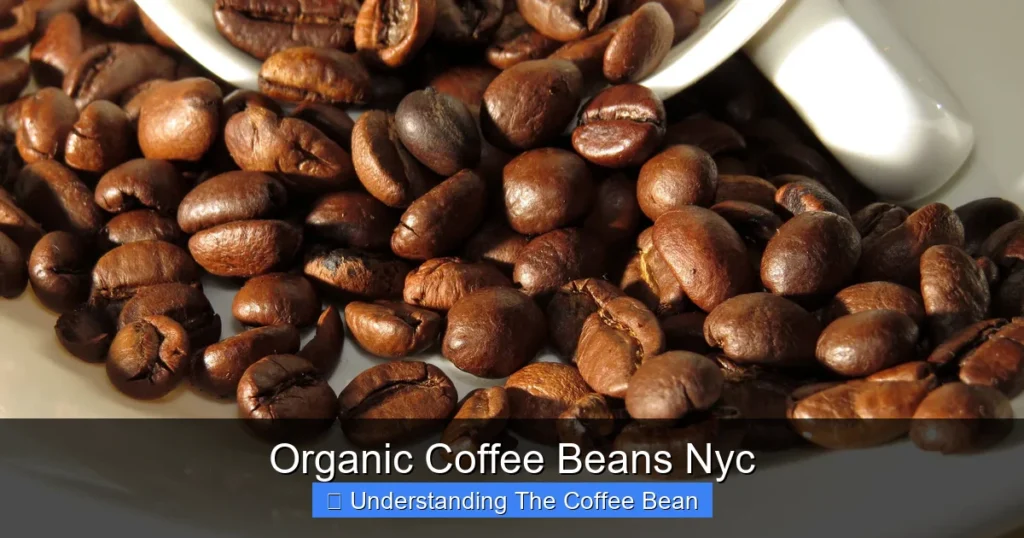
Organic coffee beans in NYC are more than a trend—they’re a movement toward healthier, eco-friendly, and flavor-rich coffee. From Brooklyn roasteries to Manhattan cafes, the city offers some of the finest certified organic options for conscious coffee lovers.
Key Takeaways
- Organic coffee beans are grown without synthetic pesticides or fertilizers, making them better for your health and the environment.
- New York City is home to dozens of specialty roasters offering fresh, small-batch organic coffee with unique flavor profiles.
- Certified organic labels (like USDA Organic) ensure authenticity and transparency in sourcing and production.
- Organic coffee often supports fair trade and ethical farming practices, empowering farmers in developing countries.
- Freshness matters—buy whole beans and grind at home to preserve flavor and aroma.
- Many NYC cafes serve organic coffee, but you can also order online for home delivery.
- Tasting notes vary widely—from fruity Ethiopian beans to chocolatey Colombian roasts—so explore to find your favorite.
📑 Table of Contents
- Why Choose Organic Coffee Beans in NYC?
- What Makes Coffee “Organic”?
- Top NYC Roasters Serving Organic Coffee Beans
- How to Buy and Store Organic Coffee Beans in NYC
- Organic Coffee and Sustainability in the Big Apple
- Flavor Profiles: What to Expect from Organic Coffee Beans
- Conclusion: Sip Sustainably in the City That Never Sleeps
Why Choose Organic Coffee Beans in NYC?
New York City runs on coffee. From the early morning rush at corner bodegas to the slow sips in cozy Brooklyn cafes, coffee is woven into the city’s rhythm. But in recent years, a quiet revolution has been brewing—one that’s less about caffeine and more about consciousness. More and more New Yorkers are choosing organic coffee beans, not just for the rich taste, but for what they represent: health, sustainability, and quality.
Organic coffee beans are grown without the use of synthetic pesticides, herbicides, or chemical fertilizers. Instead, farmers rely on natural methods like composting, shade-grown techniques, and crop rotation. This not only protects the soil and surrounding ecosystems but also results in cleaner, more flavorful beans. In a city where people care deeply about what they consume—from farm-to-table meals to eco-friendly fashion—organic coffee fits right in.
But it’s not just about personal health. Choosing organic coffee supports a broader movement. It encourages sustainable farming practices that protect biodiversity, reduce water pollution, and help combat climate change. And in a place like NYC, where sustainability is increasingly a priority, organic coffee is more than a beverage—it’s a statement.
What Makes Coffee “Organic”?
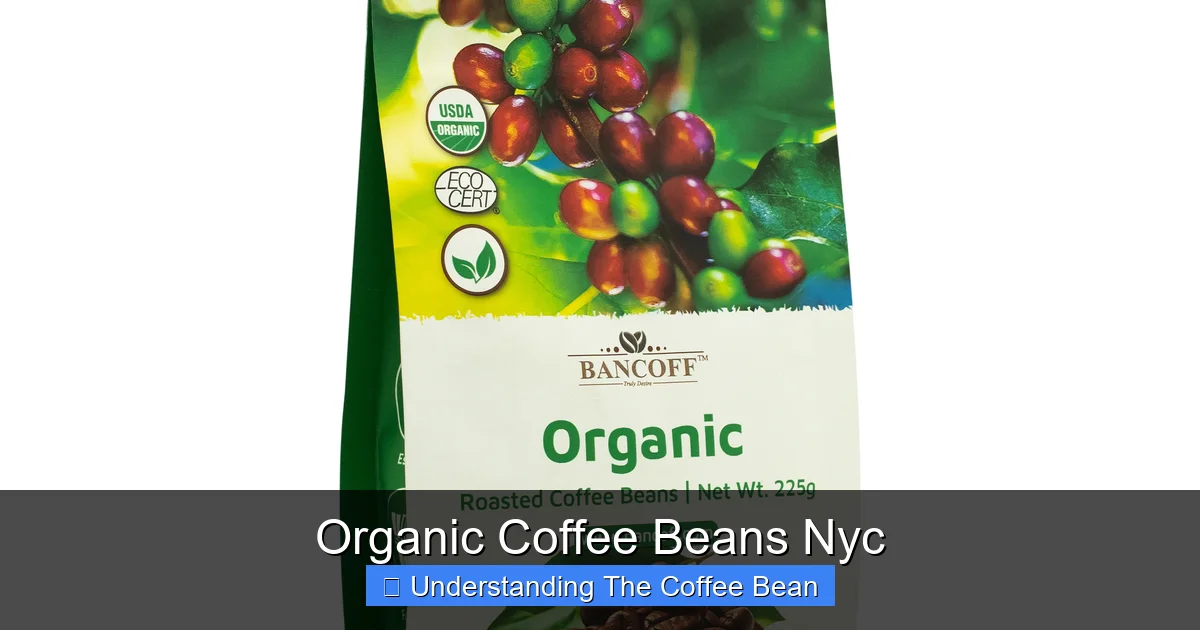
Visual guide about Organic Coffee Beans Nyc
Image source: bancoff.com
So, what exactly does “organic” mean when it comes to coffee? It’s not just a buzzword slapped on a bag. To be labeled organic, coffee must meet strict standards set by certifying bodies like the USDA (United States Department of Agriculture). These standards cover every step of the process—from the soil where the beans are grown to how they’re processed, roasted, and packaged.
Certification Standards
In the U.S., the USDA Organic label is the gold standard. For coffee to earn this certification, it must be grown on land that has been free of prohibited substances (like synthetic chemicals) for at least three years. Farmers must also follow a detailed organic system plan that includes soil health, pest management, and crop rotation. Regular inspections ensure compliance.
But certification isn’t just about what’s not used—it’s also about what is. Organic coffee farms often use natural fertilizers like compost or manure. They may grow coffee under the shade of native trees, which protects wildlife and reduces the need for chemical inputs. This method, known as shade-grown coffee, is common in organic farming and contributes to richer, more complex flavors.
Environmental Benefits
Organic coffee farming has a lighter environmental footprint. Without synthetic chemicals, there’s less risk of contaminating nearby rivers and streams. Soil health improves over time, leading to more resilient crops. And because organic farms often preserve forest cover, they provide habitats for birds and other wildlife—something especially important in coffee-growing regions like Central and South America.
In contrast, conventional coffee farming can lead to deforestation, soil degradation, and water pollution. By choosing organic, you’re helping to protect these vital ecosystems.
Health Advantages
While coffee itself is generally healthy—packed with antioxidants and linked to lower risks of certain diseases—organic coffee may offer additional benefits. Without pesticide residues, you’re avoiding potential toxins that can accumulate in your body over time. Some studies suggest that organic produce and beverages have higher levels of certain nutrients, though research on coffee specifically is still evolving.
For many New Yorkers, the peace of mind that comes with drinking organic is worth the slightly higher price. After all, in a city where health trends come and go, organic coffee feels like a smart, long-term choice.
Top NYC Roasters Serving Organic Coffee Beans
New York City is a coffee lover’s paradise, and when it comes to organic beans, the options are plentiful. From artisanal roasteries in Williamsburg to boutique shops in the West Village, you don’t have to go far to find high-quality, organic coffee. Here are some of the best spots in the city to get your fix.
Brooklyn Roasting Company
Located in DUMBO, Brooklyn Roasting Company is a local favorite known for its commitment to sustainability and quality. They offer a range of organic, fair-trade coffees sourced directly from farmers in Colombia, Ethiopia, and beyond. Their beans are roasted in small batches to preserve freshness and flavor.
One standout is their Organic Ethiopian Yirgacheffe—a bright, floral coffee with notes of lemon and jasmine. It’s perfect for pour-over or French press. They also sell beans online, so you can enjoy their roasts at home.
Joe Coffee Company
With multiple locations across Manhattan and Brooklyn, Joe Coffee is a staple for NYC coffee drinkers. They’ve been roasting since 2003 and prioritize ethical sourcing and transparency. Many of their single-origin offerings are certified organic.
Try their Organic Peruvian Chanchamayo—a smooth, medium-bodied coffee with hints of caramel and nuts. It’s great for espresso or drip brewing. Joe also offers subscription services, so you can have fresh organic beans delivered monthly.
Partners Coffee
Originally from Brooklyn, Partners Coffee has expanded to several NYC locations, including Williamsburg and the West Village. They’re known for their clean, modern aesthetic and dedication to quality.
Their Organic Colombian Huila is a crowd-pleaser—balanced, with notes of chocolate and red apple. They also offer seasonal organic blends that change throughout the year, so there’s always something new to try.
SEY Coffee
For the serious coffee enthusiast, SEY Coffee in East Williamsburg is a must-visit. They focus on light-roast, single-origin coffees that highlight the unique characteristics of each bean. Many of their offerings are organic and traceable to specific farms.
Their Organic Ethiopian Guji is a standout—fruity and complex, with flavors of blueberry and bergamot. SEY also offers brewing classes and tastings, making it a great place to deepen your coffee knowledge.
La Cabra
Though originally from Denmark, La Cabra has made a strong impression in NYC with its location in the Lower East Side. They’re known for their meticulous sourcing and roasting process.
Their Organic Guatemalan Huehuetenango is rich and full-bodied, with notes of dark chocolate and stone fruit. It’s ideal for espresso lovers. La Cabra also sells beans online, with detailed tasting notes and brewing tips.
How to Buy and Store Organic Coffee Beans in NYC
Finding great organic coffee in NYC is easy—but keeping it fresh is the real challenge. Coffee is at its best within two to four weeks of roasting, and proper storage can make all the difference in flavor.
Buying Tips
When shopping for organic coffee beans, look for a few key things:
– Roast date: Always check the roast date on the bag. Avoid beans that were roasted more than a month ago.
– Whole beans: Buy whole beans instead of pre-ground. Grinding at home preserves freshness and allows you to control the grind size.
– Certification labels: Look for USDA Organic, Fair Trade, or Rainforest Alliance seals to ensure authenticity.
– Origin information: Reputable roasters will list the country, region, and sometimes even the farm where the beans were grown.
Many NYC roasters sell beans in-store and online. Some even offer subscription services, so you can receive fresh beans regularly without leaving your apartment.
Storage Solutions
Once you’ve brought your organic coffee home, proper storage is essential. Here’s how to keep your beans fresh:
– Use an airtight container: Transfer beans from the original bag to a sealed container. Avoid clear containers—light can degrade coffee over time.
– Store in a cool, dark place: Keep your coffee away from heat, light, and moisture. The pantry or a cupboard works well. Avoid the fridge or freezer unless you’re storing beans long-term (and even then, use a vacuum-sealed bag).
– Grind just before brewing: Invest in a good burr grinder and grind your beans right before making coffee. This maximizes flavor and aroma.
Brewing at Home
To get the most out of your organic coffee, try different brewing methods. Pour-over (like with a Chemex or V60) highlights delicate flavors, while French press brings out body and richness. Espresso machines are great for concentrated shots, and cold brew is perfect for hot NYC summers.
Experiment with water temperature, grind size, and brew time to find your ideal cup. And remember—great coffee starts with great beans. With organic coffee from NYC roasters, you’re already halfway there.
Organic Coffee and Sustainability in the Big Apple
New York City may not be known for its farms, but it plays a big role in the global coffee supply chain. As one of the largest coffee markets in the world, NYC has the power to drive demand for sustainable, ethical products—like organic coffee.
Supporting Ethical Farming
Many organic coffee farms are small, family-owned operations in countries like Guatemala, Ethiopia, and Peru. By choosing organic, you’re supporting farmers who use environmentally friendly practices and often earn fair wages. Some roasters go a step further by partnering directly with farms, ensuring transparency and fair compensation.
For example, Brooklyn Roasting Company works with cooperatives in Colombia that prioritize both organic methods and community development. This direct trade model helps farmers invest in education, healthcare, and better farming equipment.
Reducing Waste
Sustainability isn’t just about farming—it’s also about consumption. In NYC, where waste is a major issue, many coffee shops are adopting eco-friendly practices. Some use compostable cups, offer discounts for reusable mugs, and recycle coffee grounds into garden compost.
When you buy organic coffee beans, consider the packaging. Look for brands that use recyclable or biodegradable materials. Some roasters even offer refill programs, where you can bring your own container to reduce plastic waste.
Community Impact
The organic coffee movement in NYC also strengthens local communities. Roasteries often host events, workshops, and tastings that bring people together. They support local artists, musicians, and food vendors, creating vibrant cultural spaces.
By choosing organic coffee, you’re not just drinking a better cup—you’re supporting a more sustainable, equitable food system.
Flavor Profiles: What to Expect from Organic Coffee Beans
One of the best things about organic coffee is the diversity of flavors. Because organic beans are often grown in rich, healthy soil and processed with care, they tend to have more pronounced and complex tasting notes.
Single-Origin vs. Blends
Organic coffee comes in two main types: single-origin and blends.
– Single-origin beans come from one specific region or farm. They showcase the unique characteristics of that area—like the bright acidity of Ethiopian beans or the chocolatey depth of Colombian coffee.
– Blends combine beans from different origins to create a balanced, consistent flavor. They’re great for everyday drinking and often designed for specific brewing methods.
In NYC, many roasters offer both. Try a single-origin pour-over to experience terroir, or a blend for your morning espresso.
Common Tasting Notes
Organic coffee can taste vastly different depending on where it’s grown. Here are some common flavor profiles:
– Ethiopian: Fruity, floral, with notes of blueberry, lemon, or jasmine. Often light to medium roast.
– Colombian: Balanced, with chocolate, caramel, and nutty flavors. Great for all brewing methods.
– Guatemalan: Full-bodied, with hints of spice, smoke, and dark fruit. Often grown at high altitudes.
– Peruvian: Smooth and mild, with notes of apple, honey, and nuts. Ideal for beginners.
Don’t be afraid to explore. Many NYC roasters offer tasting flights or sample packs, so you can try several varieties at once.
Roast Levels
Roast level also affects flavor:
– Light roast: Preserves the bean’s natural flavors. Bright, acidic, and complex.
– Medium roast: Balanced flavor, aroma, and body. A popular choice for drip coffee.
– Dark roast: Bold, smoky, with lower acidity. Often used for espresso.
Most organic coffee is roasted to medium or light, to highlight the bean’s origin characteristics. But preferences vary—so experiment to find your favorite.
Conclusion: Sip Sustainably in the City That Never Sleeps
Organic coffee beans in NYC are more than a trend—they’re a reflection of the city’s values: quality, sustainability, and community. Whether you’re sipping a pour-over in a Brooklyn cafe or brewing a French press at home, choosing organic means you’re making a positive impact.
From certified farms in the mountains of Guatemala to small-batch roasteries in Williamsburg, the journey of organic coffee is one of care and craftsmanship. It’s coffee that tastes better, feels better, and does better—for you, for farmers, and for the planet.
So next time you’re craving a cup, reach for organic. Explore the flavors, support local roasters, and enjoy every sip. In a city that never stops moving, organic coffee offers a moment of mindfulness—one delicious brew at a time.
Frequently Asked Questions
What are organic coffee beans?
Organic coffee beans are grown without synthetic pesticides, herbicides, or fertilizers. They are certified by organizations like the USDA and often grown using sustainable, eco-friendly methods.
Where can I buy organic coffee beans in NYC?
You can buy organic coffee beans at local roasteries like Brooklyn Roasting Company, Joe Coffee, and Partners Coffee. Many also sell online with delivery options.
Is organic coffee healthier than regular coffee?
Organic coffee may have fewer pesticide residues and higher levels of certain antioxidants. While both types are generally healthy, organic offers added peace of mind.
How should I store organic coffee beans?
Store beans in an airtight container in a cool, dark place. Avoid the fridge or freezer unless storing long-term. Grind just before brewing for best flavor.
Does organic coffee taste different?
Yes—organic coffee often has more complex, vibrant flavors due to healthy soil and careful processing. Tasting notes can range from fruity to chocolatey.
Is organic coffee more expensive?
Organic coffee can be slightly more expensive due to higher farming and certification costs. However, many find the quality and ethical benefits worth the price.