
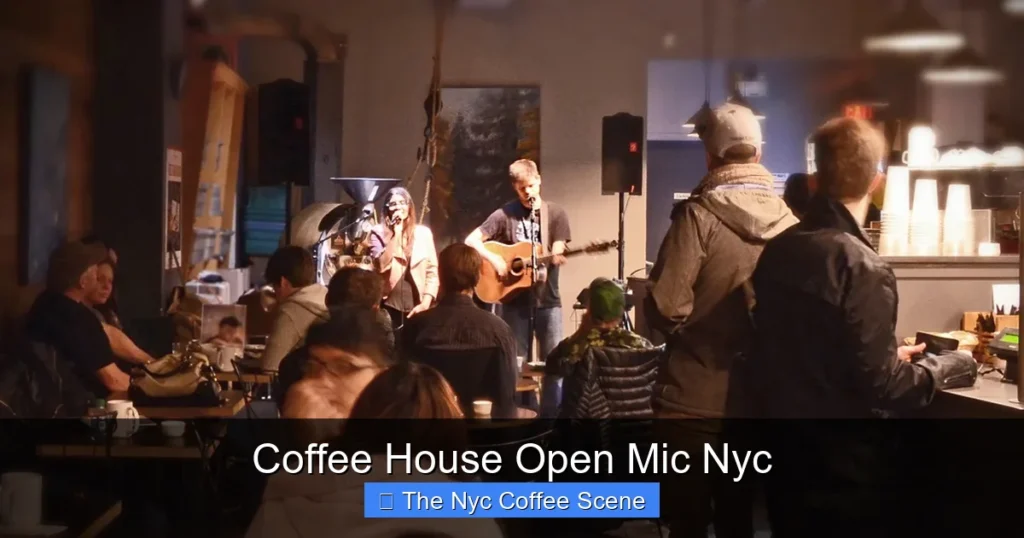
New York City’s coffee house open mic scene is a dynamic, inclusive space where artists, poets, and musicians gather to share raw talent and connect with audiences. From intimate Brooklyn cafes to bustling Manhattan spots, these events offer a platform for creative expression and community building—all over a cup of expertly brewed coffee.
New York City pulses with creative energy, and nowhere is that more evident than in its thriving coffee house open mic scene. From the dimly lit corners of Williamsburg cafes to the sunlit patios of Greenwich Village, these intimate gatherings have become sanctuaries for artists, dreamers, and coffee lovers alike. Whether you’re a seasoned performer or someone who’s never stepped on a stage, the open mic night at your local coffee shop offers a rare chance to be heard—without judgment, without pressure, and with a warm cup in hand.
What makes these events so special isn’t just the talent on display, but the sense of belonging they cultivate. In a city known for its fast pace and high stakes, coffee house open mics slow things down. They invite you to pause, listen, and connect. You might hear a poet unravel a heartbreak in three minutes flat, or a guitarist play a song they wrote that morning. You might laugh at a comedian’s sharp take on subway etiquette, or be moved to tears by a spoken word piece about immigration. These moments—raw, real, and unfiltered—are the heartbeat of NYC’s artistic underground.
And the best part? You don’t need a stage, a spotlight, or even a microphone (though most venues provide one). All you need is something to say, something to play, or simply the courage to sit in the audience and absorb the magic.
Key Takeaways
- Open mic nights in NYC coffee houses foster creativity and community: These events welcome poets, singers, comedians, and storytellers of all levels to perform in a supportive, low-pressure environment.
- They’re more than just entertainment—they’re cultural hubs: Coffee house open mics often reflect the diverse voices of NYC, showcasing everything from spoken word to indie folk and experimental jazz.
- Timing and preparation matter: Most open mics run weekly or monthly, with sign-ups starting 30–60 minutes before the event. Arriving early ensures a spot.
- Audience engagement is key: Applause, snaps, and respectful silence create a warm atmosphere that encourages performers and builds connection.
- Many venues offer food and drink specials: Some cafes provide discounts for performers or attendees, making it an affordable night out.
- Networking opportunities abound: Regulars include local artists, writers, and musicians—great for collaboration and future gigs.
- Respect the vibe: Each coffee house has its own culture—observe the tone, follow house rules, and support fellow performers.
📑 Table of Contents
The Heartbeat of NYC’s Creative Underground
Coffee house open mic nights in NYC are more than just performance slots—they’re cultural rituals. They’ve been around for decades, evolving from beatnik gatherings in the 1950s to today’s inclusive, genre-blending events. What hasn’t changed is their role as incubators for emerging artists and safe spaces for self-expression.
These events thrive on authenticity. Unlike commercial venues that prioritize polish and production value, coffee house open mics celebrate imperfection. A shaky voice, a forgotten lyric, or a joke that lands awkwardly—these moments are part of the charm. They remind us that art doesn’t have to be perfect to be powerful.
Take, for example, the open mic at Cafe Grumpy in Chelsea. Every Tuesday night, the space transforms into a mini amphitheater. Performers sign up on a first-come, first-served basis, and the lineup might include a high school student reciting original poetry, a retired teacher playing ukulele, and a duo performing a folk ballad about gentrification. The audience—mostly locals and regulars—listens with rapt attention, offering snaps and soft applause. There’s no cover charge, and the coffee is always strong.
Or consider Bluestockings in the Lower East Side, a worker-run collective and bookstore that hosts a weekly open mic focused on social justice and radical art. Here, the vibe is more activist than acoustic. Performers often tackle themes like climate change, racial equity, and LGBTQ+ rights. The crowd is engaged, sometimes joining in call-and-response chants or sharing personal stories after the mic closes. It’s less about entertainment and more about collective healing and resistance.
These examples illustrate a key truth: coffee house open mics in NYC are as diverse as the city itself. They reflect the neighborhoods they’re in, the people who run them, and the communities that support them.
Why Coffee Houses? The Perfect Venue
So why do open mics thrive in coffee houses? It starts with the atmosphere. Unlike bars or clubs, cafes are inherently calm and conversational. The lighting is soft, the seating is cozy, and the background hum of espresso machines and chatter creates a warm, inviting backdrop. There’s no pressure to drink alcohol or stay late—just come, listen, and leave when you’re ready.
Coffee houses also tend to be community-centered. Many are independently owned, often run by locals who care about supporting the arts. They see open mics not as a revenue stream, but as a way to give back. Some even offer free coffee or pastries to performers as a thank-you.
And let’s not forget the acoustics. While not all cafes are designed for sound, many have tile floors, wooden tables, and high ceilings that naturally amplify voices. A well-placed microphone can carry a whisper across the room. Plus, the intimacy of the space means performers are close to the audience—eye contact is easy, and feedback is immediate.
A Platform for All Voices
One of the most beautiful things about coffee house open mics is their inclusivity. There’s no gatekeeping. No auditions. No “you’re not ready yet.” If you show up and sign your name, you get a turn.
This openness has launched countless careers. Singer-songwriter Rufus Wainwright once performed at open mics in the East Village before hitting the big time. Poet Saul Williams sharpened his craft in downtown cafes. Even Lin-Manuel Miranda tested early versions of Hamilton material at small venues, including coffee shops.
But it’s not just about fame. For many, open mics are a lifeline. They offer a chance to process grief, celebrate joy, or simply be seen. A mother might share a poem about her child’s first steps. A veteran might read a letter home. A teenager might rap about bullying. These moments remind us that everyone has a story worth telling.
How to Find and Choose the Right Open Mic
Visual guide about Coffee House Open Mic Nyc
Image source: aanmitaagzi.net
With so many options across the five boroughs, finding the right coffee house open mic can feel overwhelming. But with a little research, you’ll discover events that match your style, schedule, and comfort level.
Start by exploring neighborhoods known for their arts scenes. Brooklyn’s Williamsburg and Bushwick, Manhattan’s East Village and Harlem, and Queens’ Astoria are hotspots. Use platforms like Eventbrite, Meetup, or Facebook Events to search for “open mic NYC coffee house.” Many venues also post schedules on their websites or Instagram pages.
What to Look For
When choosing an open mic, consider these factors:
- Frequency: Weekly events (like those at KGB Bar or Tea Lounge) offer consistency, while monthly ones might draw bigger crowds.
- Genre focus: Some open mics are music-only, others welcome poetry, comedy, or storytelling. Check the description to see what’s allowed.
- Time limits: Most slots are 3–5 minutes. Longer sets are rare unless you’re a featured act.
- Sign-up process: Some venues use paper sign-up sheets, others digital forms. Arrive early—spots fill fast.
- Audience vibe: Attend a few times as a listener before performing. Notice how people react. Is the crowd supportive? Are performers interrupted?
For beginners, smaller, neighborhood cafes are ideal. Try Hungry March Band’s residency at Cafe Erzulie in Crown Heights—a laid-back, music-forward night with a welcoming crowd. Or visit The Inkwell in Park Slope, where the open mic emphasizes storytelling and personal narratives.
Pro Tips for First-Timers
If you’re new to performing, here’s how to make the most of your first open mic:
- Practice beforehand: Even if you’re improvising, rehearse your piece at home. Time it. Know your opening line.
- Bring a friend: Having a familiar face in the audience boosts confidence.
- Arrive 30–45 minutes early: This gives you time to sign up, order coffee, and settle in.
- Introduce yourself: A simple “Hi, I’m Sam, and this is a song about my cat” breaks the ice.
- Embrace the nerves: Everyone gets them. Take a deep breath, smile, and remember—you’re among friends.
And if you bomb? That’s okay. Even seasoned performers have off nights. The key is to keep coming back. Each time, you’ll grow stronger.
What to Expect as a Performer
Walking into a coffee house open mic for the first time can feel intimidating. But once you know what to expect, the experience becomes empowering.
Most events follow a similar structure:
- Sign-up: Usually starts 30–60 minutes before the event. Write your name, performance type (poetry, music, etc.), and approximate length.
- Host introduction: A host (often the cafe owner or a regular performer) welcomes the crowd, explains the rules, and kicks things off.
- Performance order: Names are called randomly or in the order signed up. Some hosts use a lottery system.
- Time limits: Stick to them. Going over can delay the next performer and annoy the host.
- Audience response: Applause, snaps, or quiet listening—each venue has its own culture. Follow the lead.
Handling the Mic (Literally and Figuratively)
Using a microphone might seem simple, but a few tips can improve your sound:
- Hold it close: About 2–3 inches from your mouth. Too far, and you’ll be hard to hear.
- Angle it down: Prevents popping sounds from “p” and “b” letters.
- Test it first: Tap gently or say “check” to ensure it’s working.
- Don’t shout: The mic amplifies your voice—speak naturally.
If you’re playing an instrument, ask about the setup. Some cafes have a small stage or designated performance area. Others require you to play acoustically. Always check with the host beforehand.
Dealing with Mistakes
Mistakes happen. You might forget a line, play the wrong chord, or tell a joke that falls flat. Here’s how to recover:
- Laugh it off: A quick “Well, that didn’t go as planned!” can turn embarrassment into connection.
- Keep going: Don’t stop mid-performance. The audience wants you to succeed.
- Learn from it: After the event, reflect. What went well? What could improve?
Remember: the audience is on your side. They’re not there to judge—they’re there to support.
The Role of the Audience
You don’t have to perform to be part of the magic. In fact, the audience plays a crucial role in making open mics thrive.
A good audience is present. That means putting away phones, listening actively, and responding appropriately. In poetry circles, it’s common to snap fingers instead of clapping—a quieter, more intimate form of applause. In music sets, soft clapping or head nods show appreciation without disrupting the flow.
How to Be a Supportive Listener
- Arrive on time: Late arrivals can distract performers.
- Stay for the whole set: Leaving early sends a message that the performance wasn’t valued.
- Offer feedback: After the event, a quick “I loved your poem” can mean the world.
- Buy a drink: Support the venue. Even if you’re not performing, your purchase helps keep the space alive.
And if you’re inspired? Sign up next time. The best audiences often become performers.
Notable Coffee House Open Mics in NYC
While every neighborhood has its hidden gems, a few open mics have earned citywide recognition for their consistency, vibe, and talent.
Cafe Grumpy (Chelsea)
Every Tuesday at 7 PM, this beloved coffee chain transforms its Chelsea location into a performance space. The open mic is music-focused, with a mix of singer-songwriters, jazz trios, and experimental acts. The host, a local musician named Eli, keeps things running smoothly with humor and warmth. Performers get a free drip coffee, and the audience enjoys seasonal lattes and pastries.
Bluestockings (Lower East Side)
Hosted every Wednesday at 7:30 PM, this radical bookstore’s open mic centers on social justice, poetry, and spoken word. The crowd is diverse and politically engaged. Performers often tackle heavy topics, but the space remains welcoming and affirming.
Tea Lounge (Park Slope)
This cozy spot hosts a Friday night open mic that blends music, poetry, and comedy. The vibe is relaxed, with plush couches and fairy lights. Sign-ups start at 6:30 PM, and the event runs until 9. Regulars say it’s one of the friendliest open mics in Brooklyn.
KGB Bar (East Village)
Though technically a bar, KGB’s literary open mic (Sundays at 7 PM) feels like a coffee house in spirit. The focus is on writing—fiction, memoir, poetry—and the audience is made up of writers, editors, and book lovers. The dim lighting and Soviet-era decor add to the charm.
Cafe Erzulie (Crown Heights)
Run by the Hungry March Band, this Sunday afternoon open mic is all about music. From Afrobeat to indie rock, the lineup is eclectic and energetic. The cafe serves Haitian-inspired food and strong coffee, making it a full cultural experience.
Tips for Hosting Your Own Open Mic
If you’re a cafe owner or community organizer, hosting an open mic can deepen your connection with locals and support the arts. Here’s how to start:
- Choose a consistent time: Weekly or monthly events build a following.
- Promote it: Use social media, flyers, and word of mouth.
- Provide basics: A microphone, speaker, and sign-up sheet are essential.
- Be inclusive: Welcome all genres and experience levels.
- Support performers: Offer a free drink or small honorarium if possible.
- Gather feedback: Ask attendees what they liked and what could improve.
Even small efforts can make a big impact. One cafe in Bushwick started a monthly open mic and saw its customer base double within six months.
Conclusion
The coffee house open mic scene in NYC is a testament to the city’s enduring love for creativity, connection, and community. It’s where art meets everyday life, where strangers become allies, and where a simple cup of coffee can fuel a night of unforgettable performances.
Whether you’re stepping up to the mic for the first time or settling into a corner table with a notebook, these events invite you to be part of something bigger. They remind us that in a city of millions, we’re never truly alone—especially when we’re sharing stories, one sip at a time.
So next time you’re wandering the streets of NYC, follow the sound of a guitar or the rhythm of a poem. You might just find your new favorite spot—and maybe, your voice.
Frequently Asked Questions
What is a coffee house open mic in NYC?
A coffee house open mic in NYC is a live event held in a cafe where anyone can perform—whether it’s poetry, music, comedy, or storytelling. These gatherings are typically free, welcoming, and focused on community and creative expression.
Do I need experience to perform at an open mic?
No experience is required. Most coffee house open mics in NYC are beginner-friendly and encourage first-time performers. Just sign up, bring your talent, and enjoy the supportive atmosphere.
How long are performance slots?
Most open mic slots are 3 to 5 minutes long. Some venues may allow slightly longer sets for featured acts, but time limits help ensure everyone gets a turn.
Are open mics free to attend?
Yes, the vast majority of coffee house open mics in NYC are free for both performers and audiences. Some venues may suggest a small donation or encourage you to buy a drink.
What should I bring to my first open mic?
Bring your material (lyrics, poem, script), a positive attitude, and optionally, a friend for support. If you’re performing music, bring your instrument unless the venue provides one.
Can I perform original work at an open mic?
Absolutely! Open mics are one of the best places to share original songs, poems, or stories. In fact, many performers use these nights to test new material and get feedback.