
West Village NYC is a coffee lover’s paradise, blending historic charm with modern café culture. From third-wave roasters to neighborhood staples, this guide uncovers the best spots for your next caffeine fix.
If you’ve ever wandered the cobblestone streets of West Village, you’ve probably caught the rich, inviting aroma of freshly ground coffee drifting from a corner shop or tucked-away café. This historic Manhattan neighborhood—known for its brownstones, gas lamps, and artistic legacy—has quietly become one of the city’s most exciting destinations for coffee lovers. Whether you’re a local grabbing your morning oat milk latte or a visitor exploring the area’s cultural gems, the coffee in West Village NYC offers more than just a caffeine boost. It’s an experience—a blend of craftsmanship, community, and quiet charm that reflects the soul of the neighborhood itself.
What sets West Village apart from other NYC coffee hubs isn’t just the quality of the brew, but the atmosphere. Unlike the fast-paced, grab-and-go culture of Midtown or the tech-heavy vibes of Brooklyn’s Williamsburg, West Village cafés invite you to slow down. Many feature exposed brick, vintage furniture, and large windows that let in soft morning light. You’ll find students typing on laptops, couples chatting over pour-overs, and artists sketching in the corner. It’s a place where coffee isn’t just consumed—it’s savored.
Key Takeaways
- West Village offers a diverse coffee scene: From minimalist espresso bars to cozy bookshop cafés, the neighborhood caters to every taste and mood.
- Third-wave coffee dominates: Many cafés focus on single-origin beans, precise brewing methods, and direct trade relationships with farmers.
- Local charm meets global influence: Expect a mix of New York grit and international café styles, especially from Italy, Japan, and Scandinavia.
- Walkability enhances the experience: The compact, tree-lined streets make it easy to hop from one café to the next on a coffee crawl.
- Seasonal menus are common: Many spots rotate their offerings based on bean availability and weather, so there’s always something new to try.
- Community vibe is strong: Baristas often know regulars by name, and many cafés host events like open mics or art shows.
- Bring cash or card: While most places accept cards, some smaller spots prefer cash—always good to have both handy.
📑 Table of Contents
The Rise of Third-Wave Coffee in West Village
The coffee revolution that swept through New York City in the 2010s found a natural home in West Village. Third-wave coffee—a movement that treats coffee as an artisanal product rather than a commodity—took root here with particular intensity. This isn’t your average diner coffee. Third-wave cafés focus on traceability, sustainability, and precision. Every cup tells a story: where the beans were grown, how they were processed, and who roasted them.
In West Village, this philosophy is alive and well. Many cafés partner directly with farms in Ethiopia, Colombia, or Guatemala, ensuring fair wages and ethical sourcing. You’ll often see detailed tasting notes on the menu—flavors like “honeyed apricot,” “dark chocolate,” or “bergamot”—that reflect the unique terroir of each origin. Baristas are trained like sommeliers, using scales, timers, and gooseneck kettles to extract the perfect cup.
One standout example is **Bluestone Lane**, an Australian-inspired café with a location on Greenwich Street. Known for its clean, minimalist design and expertly crafted flat whites, Bluestone Lane brings a slice of Melbourne’s café culture to Manhattan. Their single-origin pour-overs are a must-try, especially during their seasonal rotations. Another pioneer is **Café Grumpy**, which opened its first West Village location on Bleecker Street over a decade ago. They were among the first in the city to offer pour-over coffee as a standard option, and their in-house roasting ensures freshness with every cup.
What Makes Third-Wave Coffee Different?
So what exactly separates third-wave coffee from the rest? It starts with the beans. Third-wave roasters prioritize high-quality, specialty-grade coffee—typically scoring 80 points or higher on the Specialty Coffee Association scale. These beans are often light to medium roast, allowing the natural flavors of the coffee to shine rather than being masked by dark roast bitterness.
Brewing methods are equally important. You’ll see techniques like V60 pour-over, AeroPress, Chemex, and siphon brewing used to highlight different flavor profiles. Water temperature, grind size, and brew time are all carefully controlled. At **Abraço**, a tiny but beloved spot on East 7th Street (just a short walk from West Village), the baristas treat each espresso shot like a performance. Their signature “Abraço Espresso” is a balanced, fruit-forward blend that’s become a neighborhood legend.
The Role of Roasters and Local Partnerships
Many West Village cafés roast their own beans or partner closely with local roasters. This not only ensures freshness but also supports the local economy. **Sweatshop**, located on West 4th Street, is a prime example. This Australian-style café roasts its beans in-house and offers a rotating selection of single-origin coffees. Their cold brew, steeped for 18 hours, is smooth and rich—perfect for a summer afternoon.
Another local favorite is **Birch Coffee**, which has a cozy outpost on Christopher Street. Founded by a former musician, Birch emphasizes community and sustainability. They source beans from ethical farms and donate a portion of profits to literacy programs. Their “Birch Blend” is a crowd-pleaser—nutty, chocolatey, and well-balanced.
Iconic Coffee Shops in West Village
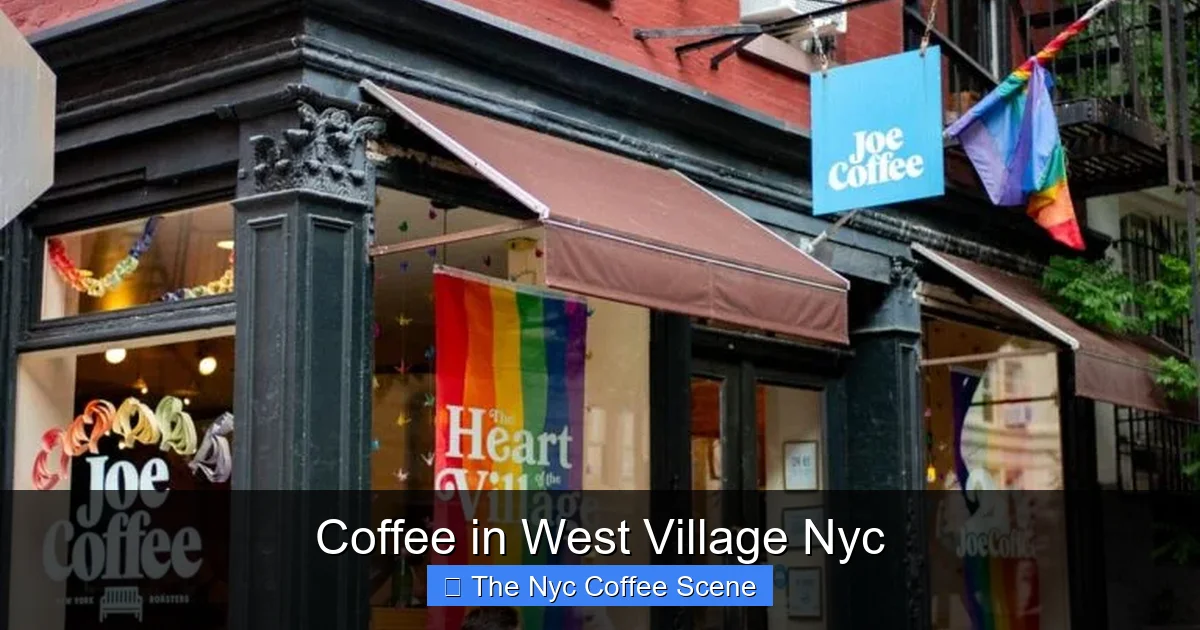
Visual guide about Coffee in West Village Nyc
Image source: newyorkspork.com
While new cafés pop up regularly, a few spots have become institutions in West Village. These aren’t just places to grab a drink—they’re destinations in their own right.
Abraço
Tucked between two buildings on East 7th Street, Abraço is easy to miss—but don’t let its size fool you. This tiny café packs a punch. With room for only a handful of standing customers, it’s more of a coffee bar than a sit-down spot. But what it lacks in space, it makes up for in flavor. Their olive oil cake is legendary, and their espresso is consistently rated among the best in the city. The vibe is fast, friendly, and unpretentious. It’s the kind of place where regulars know the baristas by name and newcomers are welcomed with a smile.
Bluestone Lane
If you’re craving a taste of Australia, head to Bluestone Lane on Greenwich Street. With its white marble counters, green accents, and lush plants, it feels like a Sydney café transplanted to Manhattan. Their menu features classics like flat whites, long blacks, and matcha lattes, all made with precision. The space is bright and airy, making it ideal for remote work or a relaxed brunch. They also offer a solid food menu, including avocado toast, grain bowls, and house-made pastries.
Café Grumpy
A pioneer in the NYC coffee scene, Café Grumpy’s Bleecker Street location is a must-visit. The interior is warm and inviting, with wooden tables, soft lighting, and a small retail section selling bags of their signature blends. Their “Greenwich Blend” is a local favorite—smooth, medium-bodied, with notes of caramel and nuts. They also offer a great selection of teas and pastries, including vegan and gluten-free options.
Sweatshop
Don’t let the name fool you—Sweatshop is anything but. This West 4th Street café is a haven for coffee purists. The space is sleek and modern, with concrete floors and industrial lighting. Their baristas are knowledgeable and passionate, often offering tasting notes and brewing tips. Try their single-origin pour-over, which changes weekly based on what’s freshest. They also serve excellent brunch, including a killer shakshuka and sourdough toast with ricotta and honey.
The Art of the Coffee Crawl
One of the best ways to experience coffee in West Village NYC is by doing a coffee crawl. Thanks to the neighborhood’s compact size and walkable streets, you can easily visit three or four cafés in a single morning. Start early—many spots open at 7 a.m.—and plan your route based on proximity and vibe.
A classic crawl might begin at **Abraço** for a quick espresso and olive oil cake. From there, walk a few blocks to **Birch Coffee** on Christopher Street for a pour-over and a moment to sit and people-watch. Next, head to **Bluestone Lane** for a flat white and a bite of avocado toast. Finish at **Sweatshop** for a cold brew and a chat with the barista about their latest roast.
Tips for the Perfect Coffee Crawl
- Go on a weekday morning: Weekends can get crowded, especially at popular spots like Abraço and Bluestone Lane.
- Bring a reusable cup: Many cafés offer discounts for bringing your own cup—plus, it’s better for the environment.
- Ask questions: Baristas love sharing their knowledge. Don’t be shy about asking about brewing methods or bean origins.
- Pace yourself: It’s easy to over-caffeinate on a crawl. Alternate coffee with water and snack on pastries or light meals.
- Take notes: Keep a small journal or use your phone to jot down your favorites. You’ll thank yourself later.
Seasonal and Specialty Offerings
One of the joys of coffee in West Village NYC is the ever-changing menu. Many cafés rotate their offerings based on the season, bean availability, and customer feedback. In the fall, you might find pumpkin spice lattes or spiced chai. In the winter, look for rich, chocolatey blends or spiced mochas. Spring often brings floral, tea-like coffees from Ethiopia, while summer is all about iced drinks and cold brews.
Seasonal Favorites to Try
- Winter: Café Grumpy’s “Winter Blend” – a dark, smoky roast with hints of cinnamon and clove.
- Spring: Bluestone Lane’s Ethiopian Yirgacheffe – bright, citrusy, and perfect for pour-over.
- Summer: Sweatshop’s nitro cold brew – smooth, creamy, and served on tap.
- Fall: Birch Coffee’s maple oat milk latte – a cozy, autumnal treat.
Some cafés also offer limited-edition collaborations. For example, Abraço once partnered with a local chocolatier to create a coffee and dark chocolate pairing event. These special offerings add an element of surprise and keep regulars coming back.
The Community Behind the Coffee
What truly sets West Village apart is the sense of community. Many cafés host events that bring people together—open mic nights, art exhibitions, book clubs, and live music. At **The Elk**, a charming spot on Perry Street, you’ll often find locals gathered for poetry readings or acoustic sets. The café doubles as a gallery, showcasing work by neighborhood artists.
Supporting Local and Sustainable Practices
Sustainability is a growing focus in the West Village coffee scene. Many cafés use compostable cups, source organic milk, and recycle coffee grounds. **Birch Coffee** even has a “zero-waste” initiative, encouraging customers to bring their own containers for takeout. Some spots, like **Sweatshop**, compost their grounds and use them in local community gardens.
Baristas as Cultural Ambassadors
Baristas in West Village are more than just coffee makers—they’re cultural ambassadors. Many are artists, musicians, or writers themselves. They often recommend local galleries, music venues, or hidden parks. Strike up a conversation, and you might get the inside scoop on the best jazz club in the area or a secret rooftop with skyline views.
How to Choose the Right Café for You
With so many options, how do you pick the right spot? It depends on your mood and needs.
- For a quick espresso: Abraço or Café Grumpy.
- For a work-friendly space: Bluestone Lane or Birch Coffee.
- For a unique brew method: Sweatshop or Abraço.
- For food and coffee: The Elk or Bluestone Lane.
- For a quiet, reflective moment: A corner table at Birch or a bench outside Sweatshop.
Don’t be afraid to try something new. The beauty of coffee in West Village NYC is the variety. One day you might crave a bold espresso; the next, a delicate pour-over. Let your curiosity guide you.
Final Thoughts: Why West Village Coffee Matters
Coffee in West Village NYC is more than a beverage—it’s a reflection of the neighborhood’s spirit. It’s creative, thoughtful, and deeply rooted in community. Whether you’re sipping a meticulously brewed pour-over or sharing a laugh with a barista, you’re part of a tradition that values quality, connection, and authenticity.
In a city that never sleeps, West Village offers a rare moment of pause. It’s a place where time slows down, where conversations deepen, and where every cup of coffee feels like a small celebration. So next time you’re in the neighborhood, step inside. Order something new. Sit for a while. And let the coffee—and the moment—sink in.
Frequently Asked Questions
What makes West Village coffee different from other NYC neighborhoods?
West Village coffee stands out for its blend of artisanal quality and neighborhood charm. The cafés here emphasize craftsmanship, community, and atmosphere, offering a more relaxed experience compared to the fast-paced coffee culture in other parts of the city.
Are there vegan or dairy-free options available?
Yes, most West Village cafés offer plant-based milk alternatives like oat, almond, and soy. Places like Bluestone Lane and Birch Coffee are especially known for their vegan-friendly menus, including dairy-free lattes and plant-based pastries.
Do I need to make a reservation to visit these cafés?
No reservations are needed—most cafés operate on a first-come, first-served basis. However, popular spots like Abraço can get crowded, so arriving early or during off-peak hours is recommended.
Can I buy coffee beans to take home?
Absolutely. Many cafés, including Café Grumpy, Sweatshop, and Birch Coffee, sell bags of their signature blends and single-origin beans for home brewing. Some even offer brewing guides and equipment.
Are these cafés good for remote work?
Yes, several West Village cafés are work-friendly, with ample seating, strong Wi-Fi, and quiet corners. Bluestone Lane and Birch Coffee are particularly popular with remote workers and students.
What’s the best time to visit for a quieter experience?
Weekday mornings between 8 and 10 a.m. are ideal for a peaceful visit. Avoid weekends and lunch hours if you prefer a quieter atmosphere.