
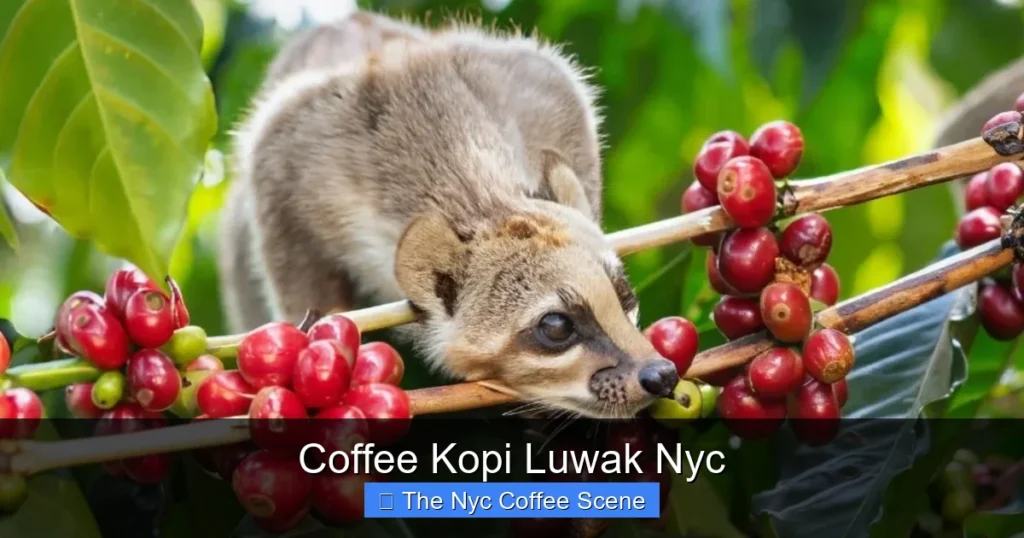
Kopi Luwak, the world’s most exclusive coffee, has found a surprising home in New York City. From high-end roasters to specialty cafés, NYC is embracing this rare brew with curiosity and sophistication. Whether you’re a coffee connoisseur or a curious newcomer, the city offers unique ways to experience this luxurious bean.
New York City doesn’t just serve coffee—it celebrates it. From corner bodegas to third-wave roasteries, the city’s caffeine culture is as diverse and dynamic as its population. Amid this bustling landscape, one coffee has emerged as a symbol of luxury, intrigue, and controversy: Kopi Luwak. Known as the world’s most expensive coffee, Kopi Luwak has quietly woven itself into the fabric of NYC’s specialty coffee scene, captivating adventurous drinkers and sparking conversations about ethics, taste, and tradition.
What makes Kopi Luwak so special? The answer lies in its unusual origin story. Native to Indonesia, this coffee begins its journey inside the Asian palm civet, a small mammal that eats ripe coffee cherries. As the cherries pass through the civet’s digestive system, natural enzymes break down proteins in the beans, altering their flavor profile. Once excreted, the beans are collected, cleaned, roasted, and brewed—resulting in a cup that’s smoother, less bitter, and surprisingly complex. While the idea may raise eyebrows, the taste has won over even the most skeptical palates.
In New York City, where culinary innovation thrives, Kopi Luwak is no longer just a gimmick. It’s become a statement—a way for coffee lovers to explore the outer edges of flavor and sourcing. Whether you’re sipping it in a minimalist Brooklyn café or a sleek Manhattan lounge, each cup tells a story of travel, tradition, and transformation.
Key Takeaways
- Rare and luxurious: Kopi Luwak is one of the most expensive coffees globally, prized for its unique fermentation process inside civet cats.
- Ethical concerns matter: Many NYC vendors now source only wild-sourced, cruelty-free Kopi Luwak to support animal welfare.
- Flavor profile is smooth and complex: Expect low acidity, rich body, and notes of chocolate, caramel, and earthiness—distinct from regular coffee.
- NYC cafés offer curated experiences: From tasting flights to educational brew sessions, the city’s top spots elevate Kopi Luwak beyond a novelty.
- Price reflects rarity: A single cup can cost $25–$50, making it a splurge best reserved for special occasions or deep exploration.
- Pairing enhances the experience: Dark chocolate, pastries, or quiet mornings amplify the sensory journey of sipping Kopi Luwak.
- Look for certifications: Reputable NYC sellers provide traceability and sustainability certifications to ensure authenticity and ethical sourcing.
📑 Table of Contents
The Rise of Kopi Luwak in NYC
Over the past decade, Kopi Luwak has evolved from a novelty item to a respected offering in New York’s specialty coffee market. Initially introduced through travel blogs and viral videos, the coffee gained notoriety for its high price and unusual production method. But as awareness grew, so did scrutiny—especially around animal welfare. In response, NYC’s forward-thinking roasters and café owners began seeking out ethically sourced, wild-harvested Kopi Luwak, distancing themselves from farms that kept civets in captivity.
Today, you’ll find Kopi Luwak on menus in some of the city’s most respected coffee institutions. Places like Sey Coffee in Williamsburg and Partners Coffee in Chelsea have featured limited-run batches, often accompanied by detailed sourcing information and tasting notes. These cafés don’t just serve the coffee—they educate their customers, turning a potentially off-putting concept into a moment of discovery.
The rise of Kopi Luwak in NYC also reflects a broader trend: consumers are no longer satisfied with just good coffee. They want to know where it comes from, how it’s made, and who benefits. This shift has pushed vendors to prioritize transparency, offering QR codes that trace the bean’s journey from Indonesian forest to New York espresso machine. In a city that values authenticity, Kopi Luwak’s story—when told honestly—resonates deeply.
What Makes Kopi Luwak Unique?
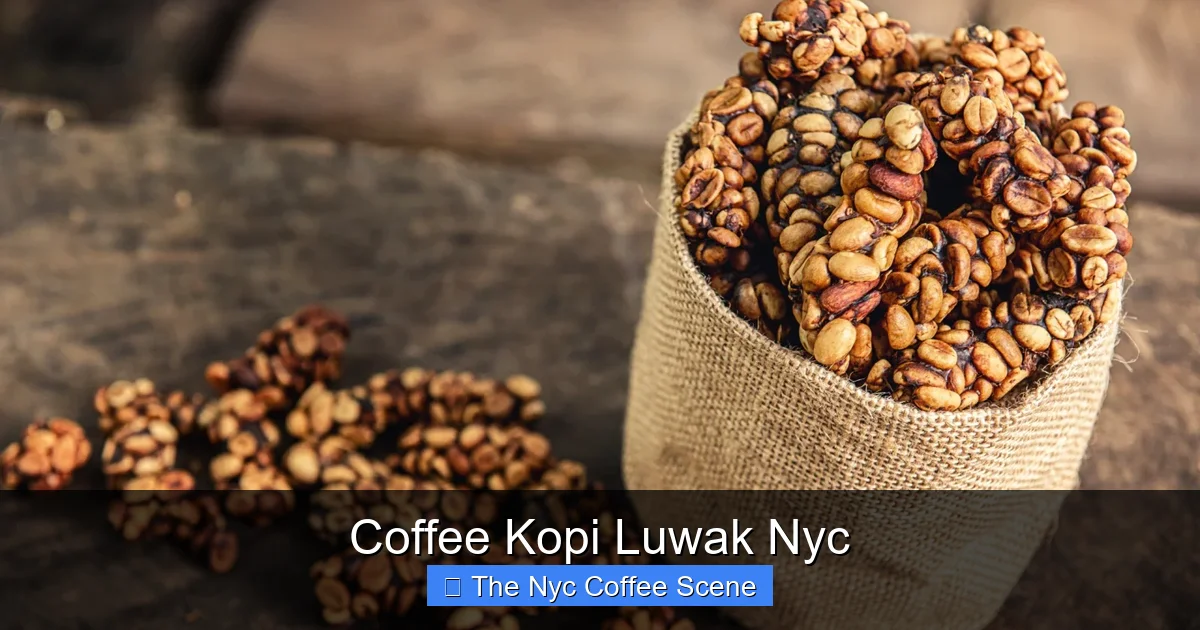
Visual guide about Coffee Kopi Luwak Nyc
Image source: fnb.coffee
At its core, Kopi Luwak stands apart due to its unique fermentation process. Unlike traditional coffee, which relies on mechanical processing to remove the fruit from the bean, Kopi Luwak undergoes a natural fermentation inside the civet’s gut. This process changes the bean’s protein structure, reducing bitterness and enhancing sweetness and body.
The Science Behind the Flavor
When coffee cherries are ingested by civets, enzymes in their digestive tract begin breaking down proteins that contribute to acidity and harshness. This biological transformation results in a smoother, more rounded cup. Roasters often describe the flavor as rich and full-bodied, with notes of dark chocolate, caramel, and a subtle earthiness. The acidity is notably low, making it appealing to those who find regular coffee too sharp.
Interestingly, the fermentation isn’t just about taste—it also affects aroma. Kopi Luwak tends to have a more muted, less fruity scent compared to other high-end coffees like Ethiopian Yirgacheffe. Instead, it leans toward deep, roasted tones, almost like a fine espresso or aged whiskey.
Wild vs. Farmed: The Ethical Divide
One of the biggest debates surrounding Kopi Luwak is the difference between wild-sourced and farmed beans. Wild-sourced Kopi Luwak comes from civets that live freely in the forest, eating only the ripest cherries. This method is considered more ethical and sustainable, as it doesn’t involve animal confinement.
In contrast, farmed Kopi Luwak often involves keeping civets in small cages and force-feeding them coffee cherries. This practice has drawn widespread criticism from animal rights groups and has led many reputable sellers to reject such beans. In NYC, the trend is clear: ethical sourcing is non-negotiable. Cafés that serve Kopi Luwak proudly advertise their commitment to wild-harvested beans, often partnering with conservation-minded cooperatives in Indonesia.
Where to Try Kopi Luwak in NYC
If you’re ready to experience Kopi Luwak for yourself, New York City offers several standout options. These venues don’t just serve the coffee—they create an experience around it, blending education, ambiance, and exceptional brewing.
Sey Coffee – Williamsburg, Brooklyn
Sey Coffee is known for its minimalist aesthetic and commitment to direct trade. While they don’t serve Kopi Luwak year-round, they occasionally feature it as part of their rotating single-origin menu. When available, it’s often brewed as a pour-over, allowing the nuanced flavors to shine. The staff is knowledgeable and happy to explain the sourcing and brewing process, making it a great spot for first-timers.
Partners Coffee – Multiple Locations
With locations in Chelsea, DUMBO, and beyond, Partners Coffee has built a reputation for quality and consistency. They’ve offered Kopi Luwak in limited quantities, always emphasizing ethical sourcing. Their baristas are trained to highlight the coffee’s unique characteristics, and they often pair it with tasting notes on the menu.
La Cabra – Tribeca
This Danish-inspired café brings a Nordic precision to New York’s coffee scene. La Cabra has featured Kopi Luwak as a seasonal offering, roasted in-house and served with a side of storytelling. The space is calm and inviting, perfect for savoring a rare cup without distractions.
Blue Bottle Coffee – Williamsburg and Rockefeller Center
While Blue Bottle typically focuses on lighter roasts, they’ve experimented with Kopi Luwak in pop-up events and special releases. Their approach is scientific and methodical—expect precise brewing and detailed flavor breakdowns. It’s a great option if you appreciate a more analytical take on coffee.
Private Tastings and Pop-Ups
Beyond permanent cafés, NYC hosts occasional pop-ups and private tastings focused on rare coffees. Events like the New York Coffee Festival or specialty cuppings at roasteries like Tweed Coffee Co. sometimes include Kopi Luwak. These events offer a chance to taste multiple preparations—espresso, French press, cold brew—and compare notes with fellow enthusiasts.
How to Brew Kopi Luwak at Home
While sipping Kopi Luwak in a café is a treat, many New Yorkers are curious about brewing it at home. With the right tools and techniques, you can recreate the experience in your own kitchen.
Choosing the Right Grind and Equipment
Kopi Luwak is best enjoyed when freshly ground. A burr grinder is ideal, as it ensures a consistent particle size. For brewing, a pour-over method (like a V60 or Chemex) works well, as it highlights the coffee’s clarity and body. French press is another excellent option, especially if you prefer a fuller mouthfeel.
Water Temperature and Ratios
Use water just off the boil—around 195–205°F (90–96°C). A standard ratio is 1:15 (coffee to water), but you can adjust based on taste. Start with 20 grams of coffee for a 300ml brew. Stir gently after pouring to ensure even extraction.
Tips for Maximum Flavor
– Pre-wet your filter to eliminate paper taste.
– Bloom the coffee for 30 seconds before continuing the pour.
– Use filtered water for the cleanest flavor.
– Serve immediately—Kopi Luwak tastes best when fresh.
Many NYC roasters sell pre-packaged Kopi Luwak beans online or in-store. Look for small-batch roasters who provide harvest dates and origin details. Some even offer subscription services, so you can receive fresh beans regularly.
The Ethics of Kopi Luwak: A New York Perspective
New Yorkers are known for their social consciousness, and the coffee scene is no exception. As awareness of animal welfare issues has grown, so has the demand for ethically sourced Kopi Luwak. In a city where sustainability and transparency are increasingly important, the conversation around Kopi Luwak has shifted from “Is it gross?” to “Is it responsible?”
Supporting Ethical Sourcing
Many NYC cafés now partner with cooperatives in Indonesia that practice wild harvesting. These farms work with local communities to collect beans from civet droppings in the forest, ensuring animals are not harmed or confined. Some even reinvest profits into habitat conservation and civet protection programs.
Certifications like Rainforest Alliance or Fair Trade can be indicators of ethical practices, though not all wild-sourced Kopi Luwak carries these labels. The best way to verify sourcing is to ask the vendor directly. Reputable sellers will gladly share information about their supply chain.
The Role of Consumer Awareness
Education plays a key role in shaping the future of Kopi Luwak. In NYC, baristas often take the time to explain the coffee’s journey, helping customers make informed choices. Social media has also amplified the conversation, with influencers and coffee bloggers calling out unethical practices and celebrating responsible producers.
This collective awareness is driving change. As more consumers demand ethical options, the market responds—leading to better treatment of animals and more sustainable farming practices.
Pairing Kopi Luwak with NYC Flavors
One of the joys of Kopi Luwak is how well it pairs with food. In a city known for its culinary creativity, the possibilities are endless.
Perfect Pairings
– **Dark Chocolate:** The bitterness of 70% cacao chocolate complements Kopi Luwak’s smooth, rich profile.
– **Pastries:** A buttery croissant or almond danish enhances the coffee’s nutty undertones.
– **Cheese:** Aged gouda or manchego adds a savory contrast that balances the sweetness.
– **Fruit:** Dried figs or dates echo the coffee’s caramel notes.
Seasonal Ideas
In the fall, try Kopi Luwak with a pumpkin spice scone—its warmth and spice harmonize beautifully. In winter, a spiced hot chocolate made with Kopi Luwak creates a decadent, cozy drink. Summer calls for iced versions, perhaps with a splash of oat milk and a cinnamon stick.
Many NYC cafés offer curated pairings when Kopi Luwak is on the menu. Don’t hesitate to ask for recommendations—your barista might surprise you with a local twist.
Is Kopi Luwak Worth the Hype?
With prices ranging from $25 to $50 per cup, Kopi Luwak is undeniably a luxury. But is it worth it? The answer depends on what you’re looking for.
For coffee purists, the unique fermentation process delivers a flavor profile unlike any other—smooth, complex, and deeply satisfying. For travelers and collectors, it’s a taste of Indonesia’s rich coffee heritage. For the ethically minded, wild-sourced Kopi Luwak represents a step toward more responsible consumption.
That said, it’s not for everyone. If you prefer bright, fruity coffees or are sensitive to price, you might find better value in other single-origin beans. But as a once-in-a-lifetime experience—or a special treat for a milestone—Kopi Luwak holds a unique place in the world of coffee.
In New York City, where every sip tells a story, Kopi Luwak isn’t just a drink. It’s a conversation starter, a cultural artifact, and a testament to the city’s appetite for the extraordinary.
Frequently Asked Questions
What is Kopi Luwak?
Kopi Luwak is a rare coffee made from beans that have been eaten, digested, and excreted by the Asian palm civet. The digestive enzymes alter the beans, resulting in a smoother, less acidic flavor. It’s considered one of the most expensive coffees in the world.
Is Kopi Luwak available in NYC?
Yes, several specialty cafés and roasteries in New York City offer Kopi Luwak, especially when sourced ethically. Look for spots like Sey Coffee, Partners Coffee, or La Cabra, which occasionally feature it on their menus.
Is Kopi Luwak ethical?
It depends on the sourcing. Wild-harvested Kopi Luwak, collected from free-roaming civets, is considered ethical. Avoid beans from caged civets, which are often force-fed and kept in poor conditions.
How much does Kopi Luwak cost in NYC?
A single cup typically ranges from $25 to $50, depending on the café and preparation method. Whole beans can cost $100–$300 per pound.
What does Kopi Luwak taste like?
It’s known for its smooth, low-acid profile with notes of chocolate, caramel, and earthiness. Many describe it as rich and full-bodied, with a clean finish.
Can I buy Kopi Luwak beans in NYC?
Yes, some roasteries sell packaged Kopi Luwak beans in-store or online. Always check for sourcing information and certifications to ensure authenticity and ethical practices.