
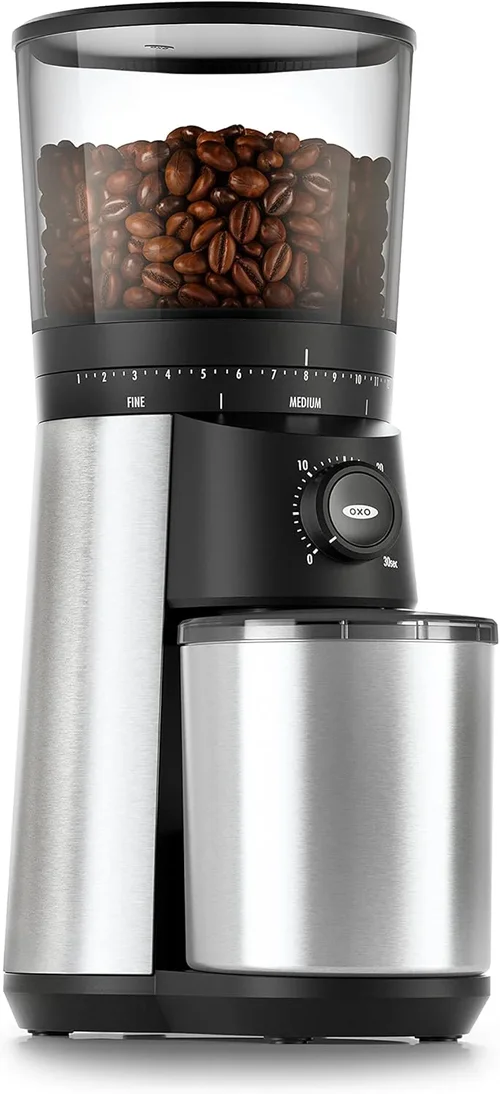
If you’re serious about coffee—especially if you’re brewing at home in a bustling city like New York—you already know that great coffee starts with freshly ground beans. Pre-ground coffee loses its aromatic oils and nuanced flavors within minutes of exposure to air. That’s why investing in a quality coffee grinder isn’t just a luxury; it’s a necessity for anyone who wants to unlock the full potential of their morning cup. Whether you’re sipping a pour-over in Brooklyn, brewing espresso in Queens, or enjoying a French press in Manhattan, the right grinder can make all the difference.
This comprehensive buying guide is designed specifically for coffee lovers in NYC and beyond who want to make an informed, confident decision when purchasing a coffee grinder in 2026. We’ve tested, researched, and analyzed dozens of models across every price range and category—from compact manual grinders perfect for tiny Manhattan apartments to high-end burr grinders used by professional baristas in Williamsburg cafes. Our goal isn’t just to list products—it’s to arm you with the knowledge to choose the grinder that best fits your lifestyle, budget, brewing method, and space constraints.
The coffee grinder market has evolved dramatically over the past few years. With more people brewing at home than ever before, manufacturers have responded with innovative designs, smarter features, and better value across all tiers. From quiet electric models ideal for early risers in shared apartments to precision-engineered grinders capable of producing micro-adjustable particle sizes for specialty brewing, there’s never been a better time to upgrade your setup. In this guide, we’ll walk you through everything you need to know—what to look for, what to avoid, how much to spend, and which models truly deliver on their promises.
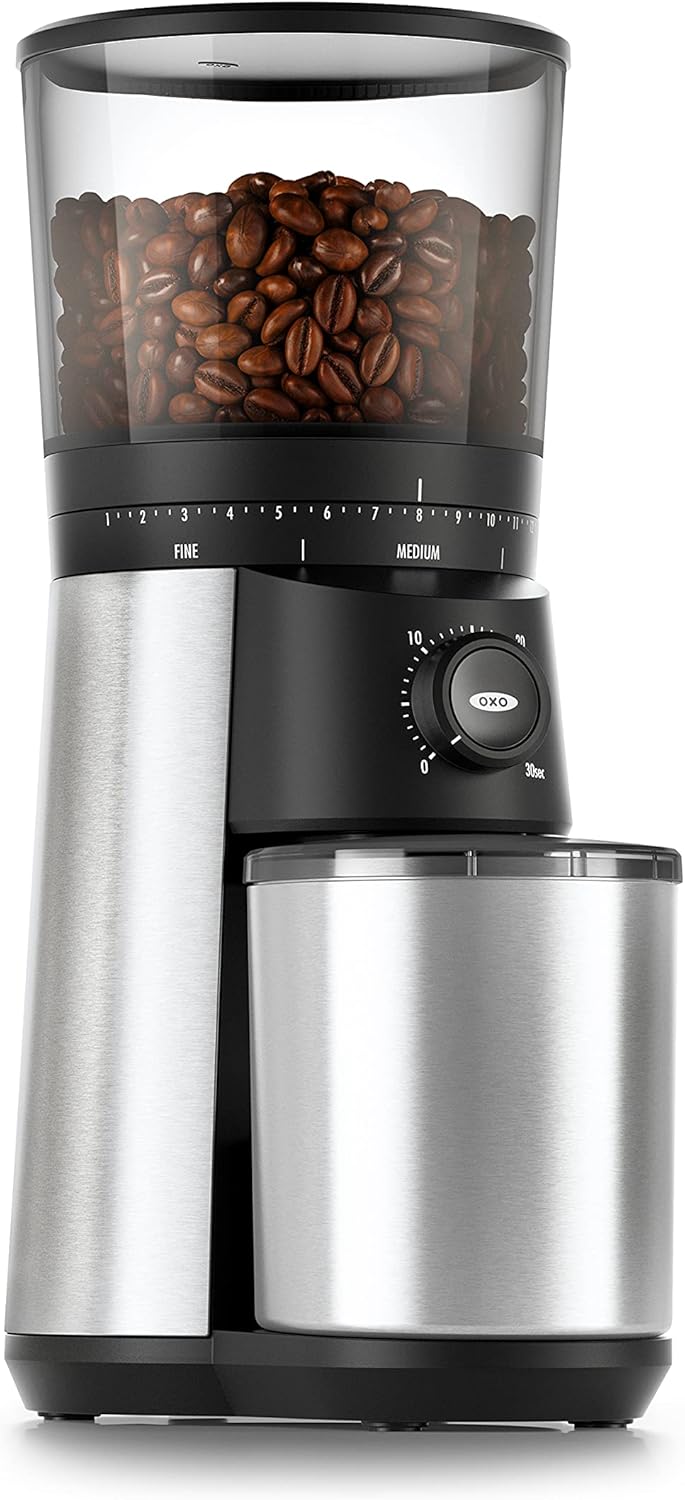
What to Look for When Buying a Coffee Grinder
1. Burr vs. Blade: The Foundation of Flavor
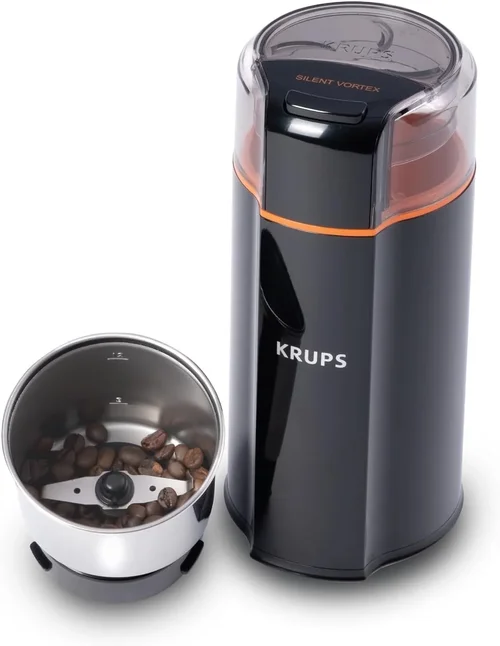
The single most important decision you’ll make is choosing between a burr grinder and a blade grinder. Blade grinders—those simple, propeller-like devices that chop beans inconsistently—are cheap and widely available, but they produce uneven grounds. This inconsistency leads to over-extraction (bitter) and under-extraction (sour) happening simultaneously in the same brew, resulting in a muddy, unbalanced cup.
Burr grinders, on the other hand, crush beans between two abrasive surfaces (burrs), producing uniform particle sizes. This consistency is critical for even extraction, which translates to brighter acidity, richer sweetness, and cleaner flavor profiles. There are two main types of burrs: flat and conical. Flat burrs are often found in high-end espresso machines and offer precise control, while conical burrs are more common in home grinders due to their durability and quieter operation. For NYC dwellers with limited counter space or noise sensitivity, conical burr grinders like the Baratza Encore or Fellow Ode Gen 2 are excellent choices.
2. Grind Consistency and Adjustability
Not all burr grinders are created equal. Grind consistency refers to how uniform the particle size is across a single grind setting. High consistency means every ground coffee particle extracts at roughly the same rate, leading to a balanced cup. Look for grinders with micro-adjustments—especially important if you switch between brewing methods (e.g., espresso one day, V60 the next). Models like the Eureka Mignon Silenzio or the Timemore Chestnut X offer stepless adjustments, allowing you to fine-tune your grind for optimal results.
Adjustability also matters for versatility. If you plan to use your grinder for both drip coffee and French press, you’ll need a wide range of settings. Some entry-level grinders only offer 15–20 settings, which may not be enough for espresso lovers. Aim for at least 30+ settings, and ideally stepless or near-stepless control for maximum flexibility.
3. Budget & Price Range
Coffee grinders span a wide price spectrum—from under $20 for basic blade models to over $800 for commercial-grade machines. Your budget will significantly influence your options, but it’s important to understand what you’re paying for. At the lower end ($20–$50), you’ll mostly find blade grinders or very basic burr models with plastic components and limited adjustability. These may suffice for occasional use but won’t deliver the quality needed for daily specialty brewing.
The sweet spot for most home brewers lies between $100 and $300. In this range, you’ll find reliable burr grinders with metal burrs, decent motor power, and good grind consistency—models like the Baratza Virtuoso+ or the Wilfa Svart. Above $400, you enter the realm of precision engineering: quieter motors, anti-static technology, faster grinding, and enhanced durability. If you’re a serious coffee enthusiast or planning to use your grinder daily for years, investing in a mid-to-high-tier model is wise.
4. Build Quality & Durability
Given the dense urban lifestyle in NYC—where appliances often live in small kitchens and get moved around frequently—durability is key. Look for grinders with metal construction (especially for burrs and gearboxes) rather than all-plastic builds. Metal burrs last longer and maintain sharpness better than ceramic or plastic alternatives. Also consider the motor: a robust, low-RPM motor reduces heat buildup, which can degrade coffee oils and affect flavor.
Check user reviews for common failure points—jammed burrs, worn gears, or faulty timers. Brands like Baratza and Fellow have strong reputations for build quality and customer support. Many offer replaceable parts, which extends the grinder’s lifespan and reduces long-term costs. Avoid no-name brands with vague warranties or poor repair policies—especially if you’re relying on your grinder every morning.
5. Noise Level
In a city where many live in apartments with thin walls or share spaces with roommates, noise can be a dealbreaker. Blade grinders are notoriously loud, often exceeding 85 decibels—comparable to a vacuum cleaner. Burr grinders are generally quieter, but there’s still variation. Conical burr models tend to operate more quietly than flat burr ones. Some premium grinders, like the Eureka Mignon series, are specifically engineered for low noise output, making them ideal for early mornings or late-night brewing sessions.
If noise is a top concern, look for grinders with sound-dampening features or insulated housings. Fellow’s Ode Gen 2, for example, uses a brushless motor and optimized burr design to reduce operational sound significantly compared to older models. Always check decibel ratings if available, and read real-user feedback about noise levels in home environments.
6. Speed and Efficiency
How quickly your grinder can produce the right amount of coffee matters—especially on busy weekday mornings. High-speed motors can grind beans in seconds, but they often generate heat, which can compromise flavor. Slower, lower-RPM motors (typically under 500 RPM) preserve bean integrity but take longer. The ideal balance is a grinder that completes a single dose (18–22g for espresso) in 15–30 seconds without overheating.
Efficiency also includes ease of use: intuitive controls, easy hopper refilling, and minimal cleanup. Some grinders feature timed dosing (like the Baratza Sette 270), which automatically stops after grinding a set amount—perfect for consistency and reducing waste. Others require manual stopping, which demands more attention but offers greater control.
7. Hopper and Grounds Container Design
The hopper holds your whole beans before grinding, while the grounds container collects the output. Poor design in either can lead to mess, static cling, or stale coffee. Look for hoppers with secure lids to prevent moisture and air exposure. Transparent containers let you monitor bean levels, but dark-tinted ones protect beans from light degradation.
Grounds containers should be easy to remove and clean. Anti-static features are a major plus—static causes grounds to cling to surfaces, making cleanup frustrating and leading to inconsistent dosing. Some grinders, like the Timemore Black Mirror, include anti-static coatings or ionizing technology to minimize this issue. Others use angled chutes or silicone seals to direct grounds cleanly into the container.
8. Brand Reputation and Customer Support
Not all brands are equal when it comes to reliability and post-purchase service. In NYC, where time is precious and replacements aren’t always easy to return, choosing a reputable brand with strong customer support is crucial. Baratza, for instance, offers a 1-year warranty with free repair or replacement for defective units—even if you bought it online. Fellow provides responsive email support and detailed troubleshooting guides.
Avoid brands with no clear warranty, limited service centers, or poor user feedback regarding repairs. Check forums like Home-Barista.com or Reddit’s r/Coffee for real-world experiences. A grinder is a long-term investment; you want a company that stands behind its product.
Different Types of Coffee Grinders

Common Buying Mistakes to Avoid
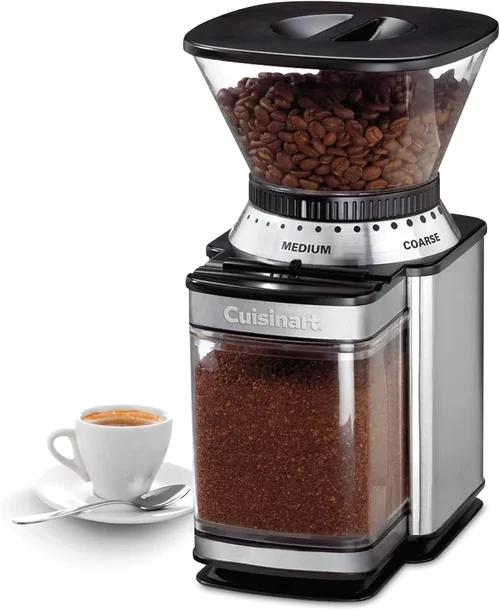
❌ Mistake: Choosing a Blade Grinder for Daily Use
Why it’s bad: Blade grinders produce wildly inconsistent particle sizes, leading to uneven extraction and a harsh, bitter cup. They also generate heat that can burn delicate coffee oils, ruining flavor.
What to do instead: Invest in even a basic burr grinder like the Baratza Encore ($140). The flavor improvement is night and day—and worth every penny for daily brewers.
❌ Mistake: Ignoring Grind Range Compatibility
Why it’s bad: If you buy a grinder optimized only for espresso but later want to try French press, you’ll be stuck with unusable fine settings. Conversely, a coarse-only grinder won’t work for espresso.
What to do instead: Choose a grinder with a wide adjustment range (at least 30 settings) or stepless control. This ensures flexibility as your brewing skills evolve.
❌ Mistake: Overlooking Static and Retention Issues
Why it’s bad: Static causes grounds to fly everywhere, creating mess and inconsistent dosing. High retention (coffee left inside the grinder) leads to stale residue mixing with fresh grinds.
What to do instead: Look for grinders with anti-static features, low-retention designs, or easy disassembly for cleaning. Models like the Fellow Ode Gen 2 excel in this area.
❌ Mistake: Buying Based Solely on Price
Why it’s bad: The cheapest option often fails within months, costing more in replacements than a mid-range grinder would have. Conversely, overspending on features you don’t need wastes money.
What to do instead: Match your purchase to your usage. Casual drinkers can thrive with a $100–$150 model; espresso aficionados should budget $300+.
❌ Mistake: Neglecting Noise in Apartment Living
Why it’s bad: A loud grinder can disturb roommates, neighbors, or your own sleep schedule—especially if you brew early or late.
What to do instead: Prioritize quiet operation. Read user reviews about noise levels and consider conical burr or brushless motor models designed for low sound output.
❌ Mistake: Skipping Research on Warranty and Repairs
Why it’s bad: A grinder with no warranty or poor support becomes a paperweight if it breaks. In NYC, returning defective electronics can be a logistical nightmare.
What to do instead: Choose brands with strong warranties (1+ years), repair programs, and accessible customer service. Baratza and Fellow are leaders in this space.
❌ Mistake: Assuming All “Burr” Grinders Are Equal
Why it’s bad: Some budget “burr” grinders use ceramic or low-quality steel burrs that wear quickly or produce inconsistent grinds.
What to do instead: Verify burr material (stainless steel or hardened steel preferred) and read independent reviews. Don’t rely solely on marketing claims.
Budget Guidelines: How Much Should You Spend?
Entry-Level ($20 – $80): This range is dominated by blade grinders and basic manual burr models. While usable for occasional coarse grinding (like French press), they lack consistency and durability. Best for travelers or those on extremely tight budgets—but expect compromises in flavor and longevity.
Mid-Range ($100 – $250): The sweet spot for most NYC home brewers. Here, you’ll find reliable electric conical burr grinders with metal components, good adjustability, and solid build quality. Models like the Baratza Encore, Wilfa Svart, and Timemore C2 offer excellent value and performance for drip, pour-over, and even light espresso use.
Premium ($250 – $500): Ideal for serious coffee enthusiasts and espresso lovers. These grinders feature precision burrs, low retention, quiet operation, and advanced features like timed dosing or anti-static systems. The Baratza Sette 270, Fellow Ode Gen 2, and Eureka Mignon Silenzio fall into this category—delivering café-quality results at home.
Luxury ($500+): Reserved for professionals or obsessive home baristas. These machines offer flat burrs, stepless adjustments, near-zero retention, and commercial-grade durability. Examples include the Mahlkönig EK43 (used in many NYC specialty cafes) and the La Marzocco Lux D. Unless you’re dialing in espresso daily or hosting coffee tastings, this tier may be overkill—but for some, it’s worth the investment.
Expert Tips for Getting the Best Deal
- Shop during seasonal sales: Major discounts happen around Black Friday, Prime Day, and post-holiday clearance events. Sign up for newsletters from brands like Baratza, Fellow, and Amazon to get early alerts.
- Buy directly from manufacturers when possible: Many brands offer exclusive colors, bundles, or extended warranties on their websites. Fellow often includes free accessories with direct purchases.
- Check refurbished or open-box deals: Baratza sells certified refurbished grinders at 20–30% off with full warranty coverage. These are rigorously tested and often indistinguishable from new units.
- Read real user reviews, not just specs: Look beyond star ratings. Search for phrases like “noise level,” “static,” or “espresso grind” in reviews to find insights specs sheets miss.
- Test before you commit (if possible): Visit local coffee shops or specialty stores in NYC like Sey Coffee, Cafe Grumpy, or Porto Rico Importing Co. Some allow you to test grinders or demo models.
- Understand return policies: Ensure the retailer offers at least 30 days to return. In NYC, shipping costs can add up, so choose sellers with free return labels.
- Consider future upgrades: If you’re new to grinding, start mid-range. You’ll learn your preferences faster and avoid wasting money on a grinder that doesn’t suit your evolving taste.
- Join coffee communities: Online forums and local meetups (like NYC Coffee Club) often share exclusive discount codes or group-buy opportunities.

Frequently Asked Questions
Q: Can I use a coffee grinder for spices or nuts?
A: It’s not recommended. Coffee oils can linger in the burrs and transfer flavors to other foods. If you must, dedicate a separate grinder or clean thoroughly—but for best results, keep your coffee grinder for coffee only.
Q: How often should I clean my grinder?
A: Clean every 2–4 weeks with a grinder cleaning tablet or uncooked rice to remove oil buildup. Deep clean (disassemble and wipe burrs) every 3–6 months depending on usage.
Q: Is a manual grinder worth it for daily use?
A: Only if you enjoy the ritual and don’t mind the effort. Manual grinders are quiet, portable, and produce excellent consistency—but grinding 20g of espresso beans can take 2–3 minutes of cranking. Great for travel or minimalist setups, less ideal for rushed mornings.
Q: Will a better grinder improve my espresso?
A: Absolutely. Espresso demands extreme precision—even minor grind inconsistencies cause channeling, sourness, or bitterness. A high-quality burr grinder is non-negotiable for pulling great shots at home.
Q: Do I need a doserless grinder?
A: Only if you value freshness and minimal waste. Doserless grinders (like the Baratza Sette 270Wi) grind directly into your portafilter or brewer, eliminating stale grounds left in a chamber. They’re cleaner and more efficient but often pricier.
Q: How do I reduce static in my grinder?
A: Try the “Ross Droplet Technique”: add a single drop of water to your beans before grinding. This neutralizes static charge. Also, look for grinders with anti-static coatings or ionizers.
Q: Can I grind coffee ahead of time?
A: Not recommended. Ground coffee begins losing aroma and flavor within 15–30 minutes. For best results, grind immediately before brewing.
Q: What’s the difference between step and stepless grinders?
A: Stepped grinders have fixed settings (e.g., 1–40), while stepless models allow infinite adjustment within a range. Stepless offers finer control—ideal for espresso—but may require more trial and error.
Q: Are expensive grinders really that much better?
A: Yes—but only up to a point. A $300 grinder is significantly better than a $50 one. A $800 grinder offers marginal gains over a $400 model unless you’re chasing perfection in espresso. Match your investment to your passion level.
Q: Where can I buy a coffee grinder in NYC?
A: Try specialty stores like Cafe Grumpy (multiple locations), Sey Coffee (Bushwick), or Porto Rico Importing Co. (East Village). Online retailers like Amazon, Fellow’s website, and Clive Coffee also offer fast shipping to NYC.
Our Final Recommendations
Best for Budget-Conscious Buyers: Baratza Encore ($140) – Reliable, consistent, and backed by excellent customer service. Perfect for drip, pour-over, and French press. A true workhorse that punches above its price.
Best Overall Value: Fellow Ode Gen 2 ($350) – Sleek design, quiet operation, low retention, and superb pour-over performance. Ideal for NYC apartments where space and noise matter.
Best Premium Option: Eureka Mignon Silenzio ($450) – Near-silent, stepless adjustment, and espresso-ready precision. A favorite among home baristas who refuse to compromise.
Best for Beginners: Wilfa Svart Uniform ($170) – Simple interface, solid build, and great for learning grind basics. Comes with a helpful grind guide and compact footprint.
Best for Advanced Users: Baratza Sette 270Wi ($420) – Integrated scale, timed dosing, and ultra-fast grinding. Designed for espresso perfectionists who want repeatability and control.
Conclusion: Making the Right Choice
Choosing the right coffee grinder isn’t just about finding the shiniest gadget or the most features—it’s about aligning your purchase with your lifestyle, brewing habits, and long-term goals. In a city like New York, where every square inch counts and mornings move fast, your grinder needs to be reliable, efficient, and quiet. Whether you’re grinding for a single cup of pour-over or dialing in a double shot of espresso, the right tool transforms coffee from a routine into an experience.
We’ve covered the essentials: why burr grinders beat blades, how grind consistency shapes flavor, what to expect at different price points, and how to avoid common pitfalls. We’ve highlighted models that stand out for their performance, durability, and suitability to urban living. But ultimately, the best grinder is the one you’ll use every day—the one that fits your kitchen, your budget, and your taste.
So take your time. Read reviews. Ask questions. Maybe even visit a local café to see what they use. And when you’re ready, invest in quality. Because great coffee doesn’t start at the brew—it starts the moment those beans meet the burrs. Your future self (and your taste buds) will thank you.