
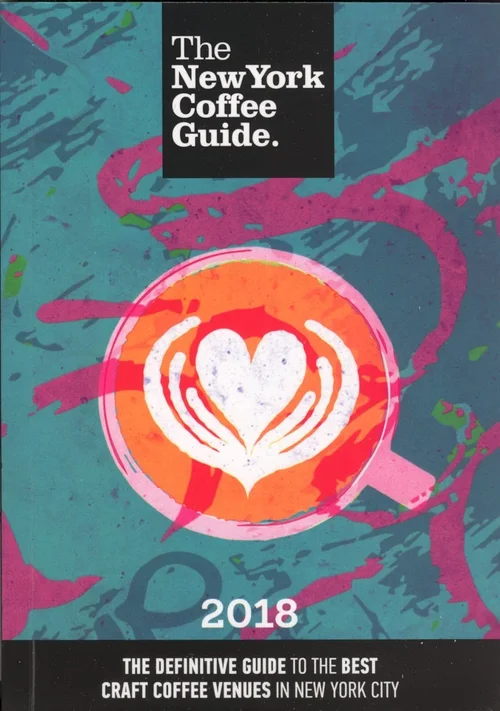
New York City doesn’t just run on coffee—it thrives on it. From the hurried barista crafting a cortado at 6 a.m. to the third-wave roaster sourcing beans from a single farm in Colombia, coffee in NYC is more than a beverage; it’s a culture, a ritual, and for many, a daily necessity. With thousands of cafes, roasteries, and specialty shops scattered across the five boroughs, choosing the best coffee can feel overwhelming. Whether you’re a local seeking your next go-to brew or a visitor hoping to sip something memorable during your trip, this guide is designed to cut through the noise and help you make informed, satisfying choices.
In this comprehensive 2026 buying guide, we’ll walk you through everything you need to know about finding the best coffee in NYC. You’ll learn how to evaluate quality, understand what sets premium beans apart, navigate price ranges, and avoid common pitfalls. We’ll explore the different types of coffee available—from single-origin pour-overs to cold brew on tap—and break down the key factors that influence flavor, freshness, and value. By the end, you’ll have a clear roadmap for selecting the perfect cup, whether you’re brewing at home or grabbing one on the go. The NYC coffee scene is evolving rapidly, with new roasters, innovative brewing methods, and sustainability initiatives reshaping the landscape. This guide reflects the latest trends and expert insights to ensure you’re equipped with up-to-date, actionable advice.

What to Look for When Buying Coffee in NYC
1. Bean Origin & Traceability
One of the most important factors in determining coffee quality is where the beans come from. In NYC, top-tier roasters emphasize transparency, often listing the farm, region, and even the farmer’s name on their packaging or menu. Single-origin coffees—sourced from one specific farm or cooperative—offer distinct flavor profiles influenced by terroir, altitude, and processing methods. For example, a Kenyan coffee might have bright, wine-like acidity and blackcurrant notes, while an Ethiopian Yirgacheffe could deliver floral, tea-like complexity with hints of bergamot.
When evaluating traceability, look for roasters that provide detailed information about their sourcing practices. Ethical sourcing isn’t just a buzzword—it ensures farmers are paid fairly and sustainable farming methods are used. Many NYC roasters, such as Sey Coffee and Devoción, travel directly to origin countries to build relationships with growers. This direct trade model often results in higher-quality beans and more transparent supply chains. Avoid generic labels like “Central American Blend” without further detail—specificity is a hallmark of quality.
2. Roast Date & Freshness
Freshness is non-negotiable when it comes to great coffee. Unlike wine, coffee doesn’t improve with age—it peaks within days of roasting and begins to lose complexity and aroma shortly after. In NYC, the best roasters stamp every bag with a roast date, not just a “best by” date. Ideally, you should consume whole beans within 2–4 weeks of roasting for optimal flavor.
When shopping, always check the roast date. A bag roasted more than a month ago is likely past its prime, even if it’s still sealed. Freshly roasted coffee releases carbon dioxide, which protects the beans from oxidation. Once that gas dissipates, stale flavors like cardboard or muted acidity take over. Many specialty cafes in NYC roast in-house or receive deliveries multiple times a week to ensure peak freshness. If a shop can’t tell you when their beans were roasted, that’s a red flag.
3. Roast Profile & Flavor Balance
Roasting transforms green coffee beans into the aromatic, flavorful beans we know and love. The roast profile—light, medium, or dark—plays a major role in the final taste. Light roasts preserve the bean’s inherent characteristics, highlighting origin flavors like fruit, florals, and bright acidity. Medium roasts offer a balance of origin notes and roast development, often with caramel sweetness and body. Dark roasts emphasize bold, smoky, or chocolatey flavors, sometimes masking the bean’s natural profile.
In NYC, the trend leans toward lighter roasts, especially among third-wave roasters who want to showcase the uniqueness of single-origin beans. However, personal preference matters. If you enjoy a rich, full-bodied cup with low acidity, a medium or dark roast might suit you better. The key is balance: a well-executed roast enhances the bean’s strengths without overpowering them. Avoid roasts that taste overly bitter or ashy—these are signs of underdevelopment or scorching during the roasting process.
4. Grind Size & Brewing Method
The way you brew your coffee dramatically affects the final cup, and grind size is a critical variable. Different brewing methods require different grind sizes to extract flavors properly. For example, espresso needs a fine grind to create resistance and extract quickly under pressure, while French press requires a coarse grind to prevent over-extraction and sludge. Pour-over methods like V60 or Chemex work best with a medium-fine grind.
In NYC, many specialty cafes offer pre-ground coffee tailored to specific brewing methods, but for the best results, grind your beans just before brewing. Pre-ground coffee loses aroma and flavor rapidly due to increased surface area exposure. If you’re buying beans to brew at home, invest in a quality burr grinder—blade grinders create uneven particles, leading to inconsistent extraction. Most NYC roasters will grind your beans to order if you specify your brewing method, but ask if they use a burr grinder to ensure consistency.
5. Sustainability & Ethical Sourcing
New Yorkers are increasingly conscious of the environmental and social impact of their coffee choices. The best NYC roasters prioritize sustainability across the supply chain—from shade-grown farms that protect biodiversity to compostable packaging and carbon-neutral shipping. Look for certifications like Fair Trade, Rainforest Alliance, or Organic, but also consider direct trade models, which often go beyond certification standards by building long-term partnerships with farmers.
Many local roasters publish impact reports or sustainability statements on their websites. For instance, Partners Coffee uses renewable energy in their roasting facilities and supports reforestation projects in coffee-growing regions. Others, like Joe Coffee, have launched initiatives to reduce single-use cups and promote reusable alternatives. Choosing a roaster committed to ethical practices not only supports global communities but often correlates with higher-quality, carefully handled beans.
6. Price & Value
Coffee prices in NYC vary widely, from $3 for a basic drip at a corner deli to $8+ for a single-origin pour-over at a specialty shop. While price doesn’t always equal quality, it often reflects factors like bean rarity, roasting expertise, and labor costs. Specialty coffee is more expensive because it involves meticulous sourcing, small-batch roasting, and skilled baristas.
When evaluating value, consider cost per ounce and what you’re getting for your money. A $6 pour-over might seem steep, but if it’s made with beans from a microlot farm in Panama and brewed by a trained barista using precise water temperature and timing, it’s likely worth the investment. Conversely, a $4 drip coffee made with stale, over-roasted beans offers poor value despite the lower price. Set a budget that aligns with your priorities—whether that’s daily affordability or occasional indulgence.
7. Brand Reputation & Consistency
In a city with thousands of coffee options, reputation matters. Established NYC roasters like Stumptown, Blue Bottle, and La Colombe have built trust through consistent quality and innovation. But don’t overlook smaller, independent roasters—many are pushing the boundaries of flavor and sustainability. Read reviews, ask for recommendations, and pay attention to how long a roaster has been in business.
Consistency is key: a great cup today doesn’t guarantee the same tomorrow if the roaster cuts corners. Look for roasters that maintain high standards across all their locations and products. Many NYC cafes rotate their offerings seasonally, but the core lineup should remain reliable. If a roaster frequently changes beans without explanation or has inconsistent reviews, it may indicate quality control issues.
8. Accessibility & Convenience
Even the best coffee loses its appeal if it’s hard to access. Consider where and how you’ll buy your coffee. Do you prefer grabbing a cup on your morning commute, or are you willing to visit a specific neighborhood for a special brew? Many NYC roasters offer online ordering with local delivery or pickup, making it easier to enjoy high-quality coffee at home.
Also think about brewing convenience. If you’re new to specialty coffee, a simple pour-over or French press might be more approachable than mastering espresso. Some roasters offer subscription services that deliver freshly roasted beans weekly, ensuring you never run out. Others partner with local cafes so you can enjoy their coffee without visiting the roastery. Choose a option that fits your lifestyle—quality shouldn’t come at the cost of practicality.
Different Types of Coffee in NYC

Common Buying Mistakes to Avoid
❌ Mistake: Ignoring the Roast Date
Why it’s bad: Buying coffee without checking the roast date is like buying bread without checking the expiration date. Stale coffee lacks aroma, complexity, and brightness, resulting in a flat, dull cup. Even expensive beans lose their magic if they’re past their prime.
What to do instead: Always look for a roast date on the packaging. If it’s not listed, ask the staff. Choose beans roasted within the last two weeks for the best flavor. When in doubt, opt for a smaller bag to ensure you finish it while fresh.
❌ Mistake: Choosing Based on Price Alone
Why it’s bad: Cheap coffee often means compromised quality—lower-grade beans, inconsistent roasting, or poor sourcing. Conversely, expensive doesn’t always mean better. Some brands charge a premium for branding rather than bean quality.
What to do instead: Evaluate value, not just price. Consider factors like origin, roast date, and brewing method. A $6 pour-over from a skilled barista using fresh, traceable beans offers better value than a $3 drip made with stale, mass-produced coffee.
❌ Mistake: Buying Pre-Ground Coffee for Home Brewing
Why it’s bad: Pre-ground coffee loses flavor and aroma quickly due to oxidation. Even if it’s labeled “freshly ground,” it’s likely been sitting on a shelf for days or weeks. The result is a less vibrant, less aromatic cup.
What to do instead: Buy whole beans and grind them just before brewing. If you don’t have a grinder, ask the roaster to grind them to order using a burr grinder. Specify your brewing method (e.g., French press, pour-over) for the best results.
❌ Mistake: Overlooking Brewing Method Compatibility
Why it’s bad: Using the wrong grind size or brewing technique can ruin even the best beans. For example, using a fine grind in a French press leads to over-extraction and sludge, while a coarse grind in an espresso machine won’t extract enough flavor.
What to do instead: Match your coffee to your brewing method. If you’re new to brewing, start with simple methods like pour-over or French press. Ask baristas for recommendations based on your equipment and taste preferences.
❌ Mistake: Sticking to One Roaster or Blend
Why it’s bad: Coffee preferences evolve, and limiting yourself to one brand or blend means missing out on new flavors and innovations. The NYC coffee scene is dynamic, with seasonal offerings and limited releases.
What to do instead: Experiment! Try different roasters, origins, and processing methods. Visit new cafes, attend cupping sessions, or sign up for a subscription service that introduces you to rotating selections. Variety keeps your palate engaged and helps you discover what you truly enjoy.
❌ Mistake: Ignoring Sustainability Practices
Why it’s bad: Coffee production has significant environmental and social impacts. Choosing roasters that don’t prioritize sustainability contributes to deforestation, unfair labor practices, and carbon emissions.
What to do instead: Support roasters that are transparent about their sourcing and environmental efforts. Look for certifications, direct trade models, and initiatives like compostable packaging or carbon offset programs. Your choices can drive positive change in the industry.
❌ Mistake: Not Tasting Before Committing
Why it’s bad: Buying a large bag of beans without tasting them first is risky. Flavor is subjective, and what sounds good on paper (e.g., “notes of blueberry and dark chocolate”) might not suit your palate.
What to do instead: Sample before you buy. Many NYC cafes offer small cups or tasting flights. If you’re buying online, look for roasters that offer sample packs or smaller bag sizes. This allows you to try multiple options without a big investment.
Budget Guidelines: How Much Should You Spend?
- Entry-Level ($3–$5 per cup or $10–$15 per bag): This tier includes basic drip coffee from chains or corner delis, as well as affordable whole beans from mainstream brands. Expect consistent but unremarkable flavor—often dark roasted, with muted origin characteristics. Best for daily convenience or those new to coffee.
- Mid-Range ($5–$7 per cup or $15–$20 per bag): The sweet spot for most buyers. This range includes specialty cafes with skilled baristas, fresh beans, and thoughtful brewing. You’ll find single-origin options, lighter roasts, and better traceability. Ideal for regular coffee drinkers who want quality without overspending.
- Premium ($7–$10 per cup or $20–$30 per bag): For enthusiasts and professionals. These coffees often feature rare microlots, experimental processing, or limited releases. Roasters may use advanced techniques like anaerobic fermentation or carbonic maceration. Expect complex, layered flavors and high transparency.
- Luxury ($10+ per cup or $30+ per bag): Top-tier offerings from award-winning roasters or competition-level beans. These are often auction lots or exclusive collaborations. While not necessary for daily enjoyment, they’re perfect for special occasions or deepening your coffee knowledge.
Expert Tips for Getting the Best Deal
- Buy during seasonal sales: Many roasters offer discounts during holidays or end-of-season clearances. Sign up for newsletters to stay informed.
- Try subscription services: Monthly coffee subscriptions often include discounts, free shipping, and early access to new releases. They’re a great way to explore different roasters.
- Visit roasteries directly: Buying beans at the source often means fresher product and lower prices than retail markups.
- Look for bundle deals: Some cafes offer discounts when you buy multiple bags or combine coffee with brewing equipment.
- Use loyalty programs: Many NYC cafes have apps or punch cards that reward frequent visits with free drinks or discounts.
- Test before you commit: Attend free cupping sessions or ask for samples. Most roasters are happy to share their coffee with curious customers.
- Check return policies: If you buy online, ensure the roaster accepts returns or exchanges in case the coffee doesn’t meet your expectations.
- Brew at home to save money: Investing in a good grinder and brewer pays off over time. Homemade coffee is cheaper and often better than café versions.
Frequently Asked Questions
Q: What makes NYC coffee different from other cities?
A: NYC’s coffee culture is defined by its diversity, innovation, and high standards. With a dense population and competitive market, roasters and cafes must excel to stand out. The city attracts top talent from around the world, leading to cutting-edge techniques and a strong focus on quality, sustainability, and customer experience.
Q: Is it worth paying more for single-origin coffee?
A: Yes, if you appreciate nuanced flavors and want to explore the unique characteristics of different regions. Single-origin coffees offer transparency and traceability, allowing you to taste the influence of terroir, processing, and farming practices. However, blends can also be excellent—especially for espresso, where balance and consistency are key.
Q: How long does coffee stay fresh after opening?
A: Once opened, whole bean coffee stays fresh for about 1–2 weeks if stored properly in an airtight container away from light, heat, and moisture. Ground coffee loses freshness faster—consume within 1 week for best results.
Q: Can I freeze coffee to extend its shelf life?
A: Freezing can preserve coffee, but it’s not ideal for everyday use. Moisture and temperature fluctuations can degrade flavor. If you must freeze, divide beans into small, airtight portions and avoid repeated thawing.
Q: What’s the best way to store coffee at home?
A: Store coffee in an opaque, airtight container in a cool, dark place—like a pantry. Avoid the fridge or freezer unless necessary. Keep it away from spices, as coffee absorbs odors easily.
Q: How do I choose between light, medium, and dark roast?
A: Light roasts highlight origin flavors and acidity—great for pour-over. Medium roasts offer balance—ideal for drip or French press. Dark roasts are bold and smoky—perfect for espresso or those who prefer low acidity. Try different levels to find your preference.
Q: Are NYC coffee subscriptions worth it?
A: Absolutely, if you enjoy variety and convenience. Subscriptions deliver fresh beans regularly, often with detailed tasting notes and brewing tips. They’re a great way to discover new roasters and expand your palate.
Q: What’s the difference between Fair Trade and direct trade?
A: Fair Trade is a certification that ensures farmers receive a minimum price and work under ethical conditions. Direct trade is a model where roasters buy directly from farmers, often paying above-market rates and building long-term relationships. Both aim to support farmers, but direct trade offers more flexibility and transparency.
Q: How can I support local NYC roasters?
A: Buy directly from their cafes or websites, attend events, leave positive reviews, and share their work on social media. Many small roasters rely on community support to survive in a competitive market.
Our Final Recommendations
- Best for Budget-Conscious Buyers: Joe Coffee – Offers high-quality beans and drinks at reasonable prices, with multiple locations across the city.
- Best Overall Value: Sey Coffee – Known for exceptional single-origin coffees, transparent sourcing, and consistent quality. Their pour-overs are a must-try.
- Best Premium Option: Devoción – Sources fresh beans directly from Colombian farms and roasts them in Brooklyn. Their limited releases are among the best in the city.
- Best for Beginners: Partners Coffee – User-friendly menu, excellent brewing guides, and a welcoming atmosphere make it ideal for newcomers.
- Best for Advanced Users: Variety Coffee Roasters – Offers experimental processing, rare origins, and detailed tasting notes for coffee connoisseurs.
Conclusion: Making the Right Choice
Finding the best coffee in NYC doesn’t have to be overwhelming. By focusing on key factors like bean origin, roast date, freshness, and brewing method, you can navigate the city’s vast coffee landscape with confidence. Remember, the “best” coffee is the one that aligns with your taste, budget, and values. Whether you’re sipping a meticulously crafted pour-over in Williamsburg or brewing a fresh batch at home with beans from a local roaster, the journey is as important as the destination.
Take the time to explore, ask questions, and experiment. Support roasters who prioritize quality and sustainability. And most importantly, enjoy the process—because great coffee is about more than caffeine. It’s about connection, discovery, and the simple pleasure of a well-made cup. Use this guide as your compass, and you’ll never settle for anything less than exceptional.