
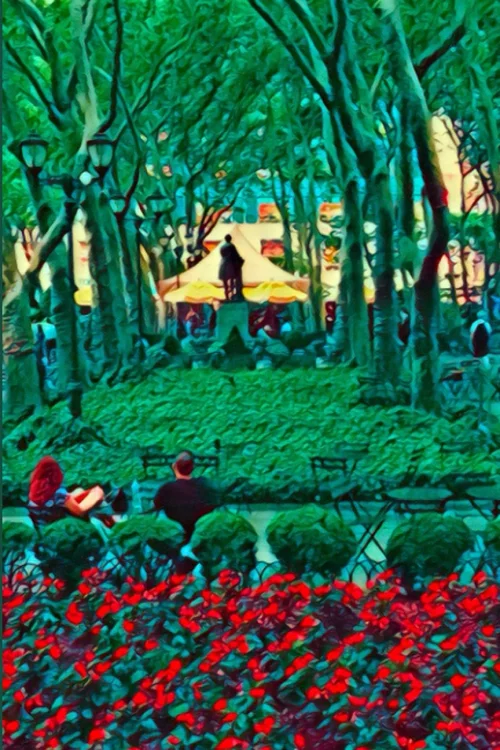
When it comes to finding the perfect cup of coffee in New York City, location is everything—and few spots offer the charm, convenience, and cosmopolitan energy of Bryant Park. Nestled in the heart of Midtown Manhattan, this iconic green space serves as a daily retreat for office workers, tourists, students, and creatives alike. Whether you’re grabbing a morning espresso before a meeting at the New York Public Library, unwinding with a pour-over during your lunch break, or meeting friends for an afternoon cold brew, the coffee scene near Bryant Park is as dynamic as the city itself.
But with so many options within just a few blocks—ranging from sleek third-wave roasters to cozy neighborhood cafés—it can be overwhelming to decide where to go. That’s where this expert buying guide comes in. We’ve scoured every corner of the Bryant Park vicinity, evaluated dozens of coffee shops based on real-world criteria, and distilled our findings into a comprehensive resource designed to help you make informed, satisfying choices. Whether you’re a local looking to upgrade your daily ritual or a visitor seeking an authentic NYC coffee experience, this guide will arm you with everything you need to know.
From bean sourcing and brewing methods to ambiance, pricing, and accessibility, we’ll walk you through the key factors that separate a good coffee shop from a truly exceptional one. You’ll learn how to assess quality beyond the surface, avoid common pitfalls, and identify the spots that align with your personal preferences—whether you prioritize speed, sustainability, specialty drinks, or simply a quiet corner to read. By the end of this guide, you won’t just know where to go—you’ll understand why it matters.
The coffee culture around Bryant Park reflects the broader evolution of urban café life in New York over the past decade. Once dominated by chain outlets and hurried grab-and-go kiosks, the area has seen a surge in independent roasteries, artisan bakeries, and hybrid workspaces that blend high-quality coffee with intentional design and community focus. This shift has created a rich ecosystem of options catering to diverse tastes and needs. However, not all coffee shops are created equal. Some excel in speed but compromise on flavor; others boast beautiful interiors but lack consistency. Our goal is to cut through the noise and deliver actionable insights grounded in experience, expertise, and a deep appreciation for what makes a truly great coffee experience.

What to Look for When Buying Buying Guide
1. Bean Quality & Roasting Philosophy
The foundation of any great coffee experience starts with the beans. When evaluating coffee shops near Bryant Park, pay close attention to whether they roast their own beans in-house or partner with reputable local roasters. Shops that roast on-site—or work directly with small-batch roasters—often have greater control over freshness, flavor profiles, and ethical sourcing. Look for transparency: do they list origin countries, farm names, or processing methods? Single-origin offerings, seasonal rotations, and direct-trade certifications (like Fair Trade or Rainforest Alliance) are strong indicators of quality and commitment.
For example, a shop that proudly displays its weekly rotating single-origin pour-over menu is likely invested in showcasing terroir and craftsmanship. In contrast, a place using pre-ground, mass-market blends may prioritize convenience over complexity. Freshness matters too—beans should ideally be used within two to four weeks of roasting. Ask staff when the beans were roasted; a knowledgeable barista will know without hesitation.
2. Brewing Methods & Equipment
Not all brewing methods are created equal, and the equipment a café uses speaks volumes about its standards. Espresso-based drinks require precision: look for machines from respected brands like La Marzocco, Synesso, or Slayer, which offer consistent temperature control and pressure. For filter coffee, methods like V60, Chemex, Kalita Wave, or batch brewers from companies like Fetco or Curtis indicate a focus on extraction quality.
Manual brewing (pour-over, AeroPress, siphon) is often a sign that a shop values nuance and customization. These methods allow baristas to highlight subtle flavor notes—floral, fruity, or chocolatey—that get lost in automated systems. Conversely, if a café relies solely on drip machines with no manual options, it may cater more to volume than craft.
Also consider maintenance: is the espresso machine clean? Are portafilters free of old coffee residue? A well-maintained setup ensures consistency and prevents off-flavors. Observe the workflow during peak hours—do baristas take time to dial in shots, or are they rushing through orders? The best shops balance efficiency with attention to detail.
3. Barista Skill & Training
A beautiful café with top-tier beans can still fall short if the baristas aren’t trained properly. Skilled baristas understand extraction variables—grind size, dose, tamp pressure, water temperature—and adjust them dynamically based on the coffee and conditions. They should be able to explain what they’re brewing, recommend pairings, and troubleshoot issues like sour or bitter shots.
Look for certifications from organizations like the Specialty Coffee Association (SCA), which offer formal training in brewing, sensory analysis, and equipment operation. Many high-end shops near Bryant Park employ SCA-certified baristas or host regular cupping sessions to refine their palates. Even without formal credentials, attentive service—remembering regulars’ orders, offering samples, or explaining new offerings—shows investment in customer experience.
During your visit, watch how the team handles rush periods. Do they maintain composure and precision, or do mistakes pile up? Consistency across multiple visits is another hallmark of a well-trained staff.
4. Ambiance & Workspace Suitability
Bryant Park is a hub for remote workers, freelancers, and students, so the suitability of a café as a workspace is a major consideration. Evaluate seating: are there ample outlets? Is Wi-Fi reliable and fast? Are tables spacious enough for laptops and notebooks? Noise levels matter too—some people thrive in bustling environments, while others need quiet corners for deep focus.
Lighting plays a role as well. Natural light enhances mood and productivity, so cafés with large windows or outdoor seating (especially those with Bryant Park views) score highly. Layout is important: is there a mix of communal tables, booths, and solo seating? Can you easily move around without feeling cramped?
Additionally, consider hours of operation. Many professionals need early access (before 7 a.m.) or late-night options. Shops that open early and stay open past 6 p.m. cater better to the local workforce. Finally, assess cleanliness—restrooms, tabletops, and floors should be regularly maintained, especially in high-traffic areas.
5. Menu Diversity & Dietary Accommodations
A great coffee shop doesn’t just serve coffee—it offers a thoughtful menu that complements its core product. Look for house-made syrups, alternative milk options (oat, almond, soy, coconut), and seasonal specials that showcase creativity without sacrificing quality. Oat milk, in particular, has become essential for many customers due to its creamy texture and environmental benefits.
For non-coffee drinkers or those seeking variety, check for well-executed teas, matcha lattes, chai, or cold beverages like nitro cold brew or affogatos. Pastries and light meals should be fresh and ideally sourced from local bakeries—think flaky croissants, seasonal muffins, or avocado toast with house-made bread.
Dietary inclusivity is increasingly important. Vegan, gluten-free, and nut-free options should be clearly labeled and genuinely delicious, not just afterthoughts. Some shops even offer low-caffeine or decaf alternatives made with Swiss Water Process beans, which retain more flavor than chemical decaffeination.
6. Sustainability & Ethical Practices
Modern consumers care deeply about sustainability, and coffee shops near Bryant Park are responding. Look for compostable cups and lids, reusable cup discounts, and partnerships with local recycling programs. Some cafés go further by sourcing beans from farms that practice regenerative agriculture or support farmer cooperatives.
Water usage is another factor—high-efficiency espresso machines and low-flow faucets reduce environmental impact. Packaging for retail beans should be recyclable or biodegradable. Transparency matters: do they publish sustainability reports or share stories about their supply chain?
Ethical labor practices also count. Fair wages, health benefits, and opportunities for advancement signal a business that values its team—not just its customers. Shops that treat employees well often have lower turnover and higher morale, which translates to better service.
7. Location & Accessibility
Proximity to Bryant Park is obviously key, but not all nearby locations are equally convenient. Consider subway access: are you within a 5-minute walk of 42nd Street–Bryant Park (B, D, F, M, 7 lines)? Is the entrance easy to find, especially for first-time visitors? Sidewalk congestion, construction, or limited signage can deter even the most dedicated coffee seekers.
Accessibility for people with disabilities is crucial. Are doorways wide enough for wheelchairs? Are counters at an appropriate height? Are menus available in large print or digital formats? The best cafés design with inclusivity in mind.
Parking is rarely a concern in Midtown, but if you’re arriving by bike, check for secure bike racks or indoor storage. Outdoor seating is a bonus—especially in spring and fall—when you can enjoy your drink with a view of the park’s fountains or holiday markets.
8. Price vs. Value Perception
Coffee prices in NYC vary widely, and near Bryant Park, you’ll find everything from $3 drip coffee to $8 single-origin pour-overs. The key isn’t just the price tag—it’s the value you receive. A $6 latte made with organic milk, house-roasted beans, and expertly steamed foam may feel justified if the experience is exceptional. Conversely, a $4 coffee that tastes burnt or watery offers poor value regardless of cost.
Consider the full package: quality, service, ambiance, and extras like free refills or loyalty programs. Some shops offer subscription models or punch cards that reduce long-term costs. Others include small treats—a complimentary biscotti or sample of a new roast—that enhance perceived value.
Ultimately, value is subjective. A student on a tight budget might prioritize affordability, while a coffee connoisseur may willingly pay more for rarity and craftsmanship. The best shops communicate their value proposition clearly, so you know what you’re paying for.
Different Types of Buying Guide

Common Buying Mistakes to Avoid
❌ Mistake: Choosing Based Solely on Proximity
Why it’s bad: Just because a café is closest to Bryant Park doesn’t mean it’s the best. Many nearby spots prioritize foot traffic over quality, resulting in rushed service, stale beans, or overpriced drinks. You might end up with a subpar experience that discourages you from exploring better options just a block away.
What to do instead: Take five extra minutes to walk a little farther. Use this guide to identify shops that align with your priorities—whether that’s quiet workspace, specialty brews, or sustainable practices. The difference in quality is often worth the short detour.
❌ Mistake: Ignoring Peak Hours
Why it’s bad: Visiting during lunch rush (12–2 p.m.) or morning commute (8–9 a.m.) can lead to long lines, rushed service, and inconsistent drinks. Baristas are under pressure, and quality may dip when volume spikes.
What to do instead: Go during off-peak times (mid-morning or mid-afternoon) to experience the café at its best. If you must visit during busy hours, choose shops known for efficient workflows and well-trained staff.
❌ Mistake: Overlooking Alternative Milks
Why it’s bad: Many cafés default to dairy unless asked, but oat, almond, or soy milk can dramatically change the flavor and texture of your drink. Skipping alternatives means missing out on a better-tailored experience—especially if you’re lactose intolerant or environmentally conscious.
What to do instead: Always ask about milk options. Oat milk, in particular, froths well and complements espresso without overpowering it. Some shops even offer house-made nut milks for a unique twist.
❌ Mistake: Not Testing Wi-Fi Before Committing
Why it’s bad: A café might look perfect for working, but if the Wi-Fi is slow or unreliable, you’ll waste time and frustration. Some places throttle bandwidth during peak hours or require frequent re-logins.
What to do instead: Do a quick speed test upon arrival. If you plan to stay for hours, ask staff about network stability. Bring a mobile hotspot as a backup.
❌ Mistake: Disregarding Loyalty Programs
Why it’s bad: Many high-quality cafés offer punch cards, app-based rewards, or subscription models that can save you 10–20% over time. Ignoring these means paying full price unnecessarily.
What to do instead: Sign up for loyalty programs, especially if you visit regularly. Some shops even offer free drinks on your birthday or early access to new menu items.
❌ Mistake: Assuming All “Artisanal” Shops Are Equal
Why it’s bad: The term “artisanal” is often used loosely. Some shops use it as marketing flair without backing it up with quality beans, skilled baristas, or ethical sourcing.
What to do instead: Look beyond the label. Ask questions about roasting, origins, and brewing methods. Read recent reviews or visit multiple times to assess consistency.
❌ Mistake: Neglecting Seasonal Offerings
Why it’s bad: Many cafés rotate their menus seasonally to highlight fresh ingredients and new roasts. Sticking only to your usual order means missing out on limited-time specialties that could become new favorites.
What to do instead: Check the menu board for seasonal items or ask staff for recommendations. Winter might bring spiced lattes, while summer features cold brew infusions or fruit-forward pour-overs.
Budget Guidelines: How Much Should You Spend?
Entry-Level ($3–$5): This tier includes grab-and-go kiosks, convenience store cafés, and basic chain outlets. Expect standard drip coffee, pre-made pastries, and minimal seating. Quality is functional but not exceptional—ideal for a quick caffeine fix when time is tight. Examples include Starbucks Reserve (basic drinks) or local bodega counters.
Mid-Range ($5–$7): This is the sweet spot for most visitors and locals. You’ll find hybrid work cafés, bakery-cafés, and smaller roasteries offering well-made espresso drinks, fresh food, and decent ambiance. Wi-Fi is usually reliable, and staff are generally knowledgeable. This range balances cost and quality, making it ideal for daily use.
Premium ($7–$9): Reserved for third-wave roasteries and specialty shops, this tier delivers top-tier beans, expert brewing, and curated experiences. Expect single-origin pour-overs, house-made syrups, and beautifully designed spaces. Prices reflect craftsmanship, sustainability, and exclusivity—perfect for coffee lovers willing to invest in excellence.
Luxury ($9+): Rare but present near Bryant Park, luxury cafés offer rare microlot beans, experimental brewing (like siphon or woodneck), and immersive experiences such as cupping flights or barista-led tastings. These are destination spots for connoisseurs and special occasions, not everyday visits.
Expert Tips for Getting the Best Deal
- Visit on weekdays before 10 a.m.: Many cafés offer early-bird discounts or happy hour pricing on coffee during slower morning hours. You’ll also avoid crowds and enjoy fresher batches.
- Use reusable cups: Most independent shops near Bryant Park offer $0.25–$0.50 off for bringing your own cup. Over a month, this adds up—and reduces waste.
- Follow shops on Instagram: Many announce flash sales, new menu launches, or loyalty promotions exclusively on social media. A quick follow can unlock hidden deals.
- Try the “barista’s choice”: Some shops offer a discounted mystery drink where the barista prepares their favorite brew of the day. It’s a fun way to discover new flavors at a lower price.
- Buy beans to go: If you love a particular shop’s coffee, purchasing a bag to brew at home is often cheaper per cup than daily visits. Plus, you support the business directly.
- Check for corporate partnerships: Some cafés offer discounts to employees of nearby companies (like those in the Chrysler Building or NYPL). Ask if your workplace has a deal.
- Attend cupping events: Free or low-cost tastings let you sample multiple coffees and learn about brewing—all while building rapport with staff who may remember your preferences.

Frequently Asked Questions
Q: Are there any coffee shops near Bryant Park with outdoor seating?
A: Yes! Several cafés offer sidewalk seating with views of the park, especially along 42nd Street and Avenue of the Americas. Look for spots like Blue Bottle Coffee (42nd & 6th) or Joe Coffee (40th & 6th), which have seasonal outdoor tables. During winter, some install heated igloos or covered patios.
Q: Which cafés are best for remote work near Bryant Park?
A: For reliable Wi-Fi, power outlets, and quiet zones, consider Toby’s Estate (40th & 6th), which has spacious tables and strong internet, or The Elk (41st & 5th), known for its calm atmosphere and ample seating. Avoid overly touristy spots during peak hours.
Q: Do any shops offer vegan pastries?
A: Absolutely. Many bakeries near Bryant Park, such as City Bakery (43rd & 6th) and Lafayette Grand Café, offer vegan croissants, muffins, and cookies. Always check labels or ask staff—most are happy to accommodate dietary needs.
Q: Is it safe to leave my laptop while ordering?
A: Generally, yes—but never leave valuables unattended for long. Choose cafés with visible staff and moderate foot traffic. If you’re staying for hours, keep your bag zipped and consider using a laptop lock.
Q: What’s the best time to visit for a quiet experience?
A: Mid-week mornings (Tuesday–Thursday, 9–11 a.m.) are typically the quietest. Avoid Mondays (post-weekend rush) and Fridays (pre-weekend energy). Late afternoons (3–5 p.m.) can also be peaceful.
Q: Are there any 24-hour coffee shops nearby?
A: Unfortunately, no 24-hour cafés operate directly adjacent to Bryant Park due to zoning and noise regulations. The latest closers tend to be around 9 or 10 p.m. For late-night options, head toward Times Square or Hell’s Kitchen.
Q: Can I bring my dog?
A: Most cafés allow well-behaved dogs in outdoor seating areas. Indoor policies vary—always ask first. Bryant Park itself is dog-friendly, so you can enjoy your coffee on a bench if the café doesn’t permit pets.
Q: Do any shops roast their own beans on-site?
A: Yes! Toby’s Estate and Sey Coffee (a short walk away) roast in-house and often have open roasting rooms visible to customers. This ensures peak freshness and allows you to see the process firsthand.
Q: What’s the difference between a flat white and a latte?
A: A flat white uses a double ristretto shot with microfoam (very silky, minimal air), resulting in a stronger, creamier drink. A latte has more steamed milk and a lighter foam layer, making it milder and larger in volume.
Q: Are there any coffee shops with live music or events?
A: Occasionally, cafés like The Grey Dog (nearby on 43rd) host acoustic sets or poetry readings. Check event calendars on their websites or Instagram pages for updates.
Our Final Recommendations
Best for Budget-Conscious Buyers: Joe Coffee (40th & 6th) – Reliable quality, fair prices ($4–$6), and a no-frills approach that focuses on great coffee without the markup. Perfect for daily commuters.
Best Overall Value: Toby’s Estate (40th & 6th) – Combines third-wave quality with workspace-friendly amenities. Their single-origin pour-overs are exceptional, and the ambiance strikes a balance between cozy and professional.
Best Premium Option: Sey Coffee (a 5-min walk on 30th & 3rd) – Though slightly farther, Sey offers some of the city’s most exquisite light-roast coffees, expertly brewed in a minimalist, gallery-like space. Worth the trip for purists.
Best for Beginners: Blue Bottle Coffee (42nd & 6th) – Approachable menu, clear explanations, and consistent quality make it ideal for those new to specialty coffee. Their New Orleans-style iced coffee is a crowd-pleaser.
Best for Advanced Users: Devoción (43rd & 6th) – Known for ultra-fresh, direct-from-farm Colombian beans and innovative brewing techniques. Their tasting flights are a must for experienced drinkers.
Conclusion: Making the Right Choice
Finding the perfect coffee shop near Bryant Park isn’t just about proximity—it’s about aligning your values, needs, and preferences with a place that delivers consistently. Whether you’re chasing the nuanced brightness of a Kenyan pour-over, seeking a quiet corner to finish a report, or simply craving a perfectly steamed oat milk latte, the options in this vibrant neighborhood are as diverse as the city itself.
This guide has equipped you with the tools to evaluate shops beyond surface-level impressions. You now understand the importance of bean quality, brewing precision, barista expertise, and ethical practices. You know how to avoid common pitfalls, maximize value, and choose based on your unique lifestyle—not just convenience.
As you explore the cafés around Bryant Park, remember that the best cup of coffee is the one that fits your moment. Sometimes that’s a quick espresso on the run; other times, it’s a slow, contemplative pour-over enjoyed with a book under the trees. Trust your instincts, ask questions, and don’t be afraid to try something new.
So go forth—sip thoughtfully, work productively, and savor every moment. The perfect coffee experience is waiting, just a few steps from the heart of Manhattan.