
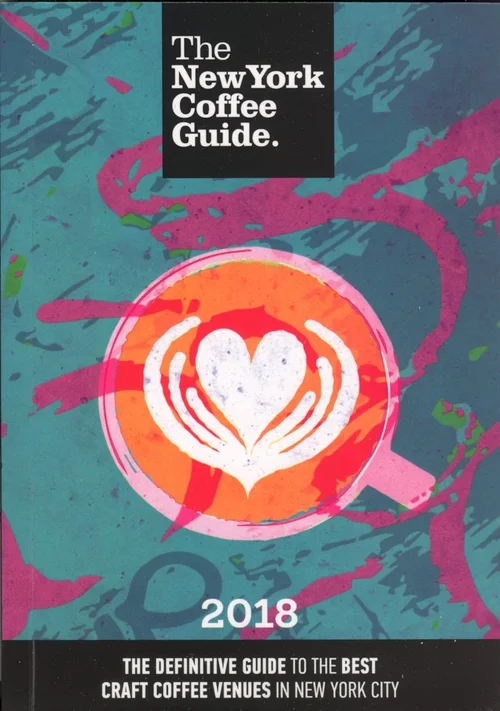
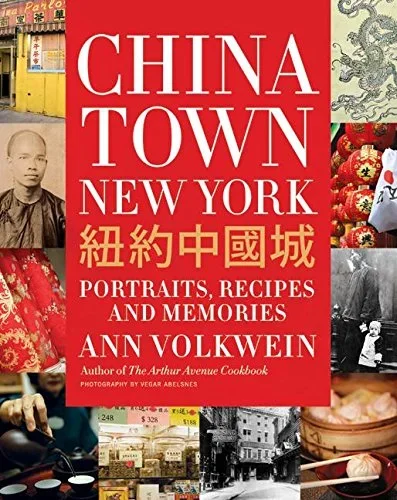
Chinatown in New York City isn’t just a neighborhood—it’s a cultural heartbeat, a sensory journey, and a culinary destination all rolled into one. From the scent of sizzling dumplings wafting through narrow streets to the vibrant red lanterns strung overhead, Chinatown pulses with energy. But beyond its famed dim sum houses and bustling markets lies a quietly evolving coffee scene that’s capturing the attention of locals, tourists, and coffee connoisseurs alike. In recent years, this historic enclave has become home to an eclectic mix of traditional tea houses, modern specialty cafés, and hybrid spaces that blend East Asian aesthetics with third-wave coffee culture. Whether you’re a digital nomad seeking Wi-Fi and a quiet corner, a foodie hunting for unique flavor pairings, or simply someone who appreciates a well-crafted cup, Chinatown now offers a surprising array of coffee experiences.
This guide is designed for anyone looking to explore the best coffee shops in Chinatown NYC—whether you’re visiting for the first time or you’re a seasoned New Yorker wanting to rediscover your city through a fresh lens. We’ve spent months researching, visiting, tasting, and talking to baristas, owners, and regulars to bring you a comprehensive, up-to-date overview of what makes each spot special. You’ll learn not only where to find exceptional coffee but also how to evaluate what matters most when choosing your next go-to café. From bean sourcing and brewing methods to ambiance and cultural authenticity, we break down every factor so you can make informed decisions based on your preferences and lifestyle.
The coffee landscape in Chinatown is as diverse as the community itself. While some shops lean into minimalist Japanese-inspired design with single-origin pour-overs, others embrace the warmth of Cantonese tea house traditions, offering milk tea lattes alongside espresso drinks. A few have become neighborhood institutions, serving generations of families, while newer entrants bring innovation and global influences. This guide will help you navigate this rich tapestry, highlighting not just the most Instagrammable spots, but those that deliver consistent quality, thoughtful service, and a genuine sense of place. Whether you’re after a strong morning espresso, a slow weekend ritual, or a quiet workspace, there’s a Chinatown coffee shop tailored to your needs—and we’re here to help you find it.
What to Look for When Choosing a Coffee Shop in Chinatown NYC
1. Coffee Quality & Bean Sourcing
The foundation of any great coffee shop is, unsurprisingly, the coffee itself. In Chinatown, you’ll encounter everything from mass-produced blends to small-batch, ethically sourced single-origin beans. High-quality shops often roast their own beans or partner with reputable local roasters who prioritize transparency and sustainability. Look for cafés that disclose their roasting partners, origin countries, and processing methods—this signals a commitment to craftsmanship. For example, some shops feature beans from Ethiopia’s Yirgacheffe region, known for floral and citrus notes, while others highlight Colombian or Guatemalan varietals with chocolatey undertones. Freshness matters too: beans should be used within weeks of roasting, and grinders should be cleaned regularly to avoid stale flavors. If a shop offers multiple brew methods—like V60, Chemex, French press, or siphon—that’s a strong indicator of expertise and attention to detail.
2. Brewing Methods & Barista Skill
How your coffee is made can dramatically affect its taste. In Chinatown, you’ll find a spectrum of brewing techniques, from classic espresso machines to manual pour-over stations. Skilled baristas are essential—they should understand extraction times, water temperature, and grind size, and be able to adjust based on the bean and customer preference. Some shops employ certified Q Graders (coffee quality evaluators), which is a mark of serious dedication. Watch how the barista handles the equipment: Are they measuring doses precisely? Are they timing each pour? Do they engage with customers about their preferences? A knowledgeable staff can elevate your experience, especially if you’re new to specialty coffee. Shops that offer tasting notes or brewing recommendations show a deeper level of engagement and education.
3. Ambiance & Atmosphere
Coffee shops serve many purposes—some are for quick grabs, others for lingering. In Chinatown, ambiance varies widely. You might find sleek, minimalist interiors with concrete walls and wooden accents, reminiscent of Tokyo’s café culture, or cozy, lantern-lit spaces with traditional Chinese decor. Consider what kind of environment suits your needs: Do you want a quiet spot to work or study? A lively place to meet friends? A serene retreat from the bustling streets? Lighting, seating comfort, noise level, and overall vibe all contribute to the experience. Some cafés feature communal tables ideal for solo workers, while others have intimate nooks perfect for conversation. Pay attention to music volume, natural light, and whether the space feels welcoming or overly curated.
4. Menu Diversity & Unique Offerings
While coffee is the star, a great Chinatown café often surprises with its menu. Look for creative drinks that reflect local flavors—think matcha lattes with house-made syrups, brown sugar boba espresso, or oolong-infused cold brews. Some shops incorporate traditional Chinese ingredients like red bean, osmanthus, or jujube into their beverages, offering a fusion that’s both innovative and culturally resonant. Food pairings matter too: pastries, sandwiches, or light bites should complement the coffee without overshadowing it. A well-curated menu shows thoughtfulness and creativity, and it can turn a simple coffee run into a mini culinary adventure.
5. Location & Accessibility
Chinatown’s layout can be maze-like, with narrow alleys and crowded sidewalks. Consider how easy it is to reach your chosen café—especially if you’re carrying a laptop, stroller, or shopping bags. Proximity to subway stations (like Canal Street or Grand Street) is a plus, as is availability of seating during peak hours. Some shops are tucked away on upper floors or in basements, which may offer tranquility but could pose challenges for those with mobility concerns. Outdoor seating is rare but highly valued when available. Also, check operating hours: many Chinatown cafés open early for the breakfast crowd but may close by late afternoon, unlike Manhattan’s 24/7 coffee culture.
6. Price Range & Value
Coffee prices in Chinatown can range from $3 for a basic drip to $7+ for a specialty pour-over or signature drink. While cost shouldn’t be the only factor, it’s important to assess value for money. A $6 latte should justify its price with high-quality beans, skilled preparation, and a pleasant experience. Compare similar offerings across shops: Is one charging more for the same drink? Are there loyalty programs or combo deals? Some cafés offer discounts for students or seniors, or bundle coffee with a pastry. Be wary of overly cheap options—they may use lower-grade beans or cut corners on service. Conversely, don’t assume higher price always means better quality; sometimes, it’s just location or branding.
7. Cultural Authenticity & Community Connection
One of Chinatown’s greatest strengths is its deep-rooted culture. The best coffee shops here don’t just serve drinks—they contribute to the community. Look for spaces that celebrate local heritage, whether through art displays, bilingual menus, or collaborations with neighborhood businesses. Some cafés host cultural events, language exchanges, or pop-ups featuring local artisans. Others source ingredients from nearby markets or employ staff from the community. Supporting these businesses helps preserve Chinatown’s identity amid rapid gentrification. A café that feels like a natural extension of its surroundings—rather than a tourist trap—will offer a more meaningful and authentic experience.
8. Sustainability & Ethical Practices
Modern consumers increasingly care about how their coffee is produced and served. In Chinatown, some shops lead the way with eco-friendly practices: compostable cups, reusable mug incentives, zero-waste packaging, and fair-trade certifications. Others partner with farms that pay living wages and use sustainable farming methods. Ask about their sourcing policies or look for certifications like Rainforest Alliance or Direct Trade. Even small gestures—like offering oat milk or recycling bins—show a commitment to environmental responsibility. Choosing a café that aligns with your values enhances the satisfaction of your purchase.
Different Types of Coffee Shops in Chinatown NYC

Common Mistakes to Avoid When Choosing a Coffee Shop in Chinatown
❌ Mistake: Prioritizing Instagram Aesthetics Over Coffee Quality
Why it’s bad: It’s easy to be drawn in by a café’s photogenic interior—think hanging plants, neon signs, or vintage teacups. But if the coffee tastes bitter, burnt, or watered down, the experience falls flat. Aesthetic appeal doesn’t guarantee skill or care in brewing.
What to do instead: Always sample the coffee first. Order a simple black coffee or espresso to judge the base quality. If possible, ask the barista about their beans or brewing process. True excellence shows in the cup, not just the decor.
❌ Mistake: Ignoring Peak Hours and Crowd Levels
Why it’s bad: Many Chinatown cafés are small and fill up quickly, especially during lunch rushes or weekend brunches. Arriving at the wrong time can mean standing in line for 20 minutes or finding no seating—frustrating if you’re on a tight schedule or need a workspace.
What to do instead: Check online reviews or social media for busy times. Visit mid-morning (10–11 AM) or mid-afternoon (2–3 PM) for quieter experiences. Some shops post real-time occupancy updates on their websites or apps.
❌ Mistake: Assuming All “Asian-Inspired” Drinks Are Equal
Why it’s bad: Not every matcha latte or boba coffee is crafted with care. Some use pre-mixed powders, artificial sweeteners, or low-grade ingredients that mask the coffee’s natural flavors. These drinks may look trendy but lack depth and authenticity.
What to do instead: Ask how signature drinks are made. Look for shops that use ceremonial-grade matcha, house-made syrups, or fresh tapioca pearls. Read ingredient lists if available—natural components should dominate.
❌ Mistake: Overlooking Language Barriers or Cultural Nuances
Why it’s bad: In a neighborhood where English may not be the primary language, miscommunication can lead to incorrect orders or missed opportunities to learn about the menu. Some customers feel hesitant to ask questions, resulting in a less personalized experience.
What to do instead: Be patient and respectful. Many staff appreciate effort—even a simple “Thank you” in Mandarin or Cantonese goes a long way. Use translation apps if needed, and don’t hesitate to point to menu items or ask for recommendations.
❌ Mistake: Choosing Based Solely on Proximity
Why it’s bad: Just because a café is closest to the subway doesn’t mean it’s the best choice. You might end up with mediocre coffee, poor service, or an unwelcoming environment—especially if the shop caters primarily to tourists.
What to do instead: Plan ahead. Use maps to identify top-rated options within a few blocks. A five-minute walk to a better café is worth the effort for a superior experience.
❌ Mistake: Neglecting Food Pairings
Why it’s bad: Coffee and food should complement each other. Pairing a delicate pour-over with a greasy pastry can overwhelm the palate. Conversely, a rich espresso deserves a balanced accompaniment.
What to do instead: Ask staff for pairing suggestions. Many Chinatown cafés offer light snacks like scallion pancakes, egg tarts, or rice crackers that enhance rather than compete with the coffee.
❌ Mistake: Failing to Support Local and Independent Businesses
Why it’s bad: Chain cafés or pop-ups may offer consistency, but they often lack the soul and community ties that define Chinatown’s charm. Spending money at independent shops helps sustain the neighborhood’s cultural fabric.
What to do instead: Seek out locally owned cafés. Look for signs of community involvement—local art, neighborhood events, or partnerships with nearby vendors. Your support makes a difference.
Budget Guidelines: How Much Should You Spend?
Entry-Level ($3–$5): This tier includes grab-and-go kiosks and no-frills spots offering basic drip coffee, Americanos, or simple lattes. Expect standard beans, limited menu options, and minimal seating. Ideal for quick refuels or budget-conscious visitors. While quality may vary, some hidden gems in this range serve surprisingly good coffee—look for shops with clean equipment and fresh brews.
Mid-Range ($5–$8): This is the sweet spot for most coffee drinkers. Shops in this category typically use higher-quality beans, offer multiple brew methods, and provide a comfortable atmosphere. You’ll find skilled baristas, thoughtful menus, and often a mix of seating options. Many Chinatown favorites fall here, balancing affordability with excellence. This range supports both casual visits and longer stays.
Premium ($8–$12): Reserved for specialty cafés and fusion concepts, this tier features single-origin pour-overs, rare processing methods, and innovative drinks. Expect detailed tasting notes, premium ingredients (like organic milk or house-made syrups), and elevated presentation. These shops often have limited seating and higher foot traffic, so patience is key. Worth it for coffee enthusiasts or special occasions.
Luxury ($12+): While rare in Chinatown, a few high-end experiences approach this level—think multi-course coffee flights, rare bean tastings, or private brewing sessions. These are more about the experience than the drink alone, often hosted in intimate settings with expert guidance. Best for collectors, connoisseurs, or those celebrating a milestone.
Expert Tips for Getting the Best Coffee Experience in Chinatown
– Visit During Off-Peak Hours: Mornings before 9 AM or afternoons after 3 PM are ideal for shorter lines and more relaxed service. Weekdays are generally quieter than weekends.
– Ask for Recommendations: Baristas often know their menu best. If you’re unsure what to order, describe your taste preferences (e.g., “I like fruity, light coffees” or “I prefer something strong and creamy”) and let them guide you.
– Try the Local Specialties: Don’t leave without sampling a drink unique to Chinatown—whether it’s a sesame latte, lychee cold brew, or salted plum espresso. These creations reflect the neighborhood’s creativity.
– Check for Loyalty Programs: Some cafés offer punch cards or digital rewards. After five purchases, you might get a free drink—perfect for regulars.
– Respect the Space: If you’re working or studying, be mindful of others. Keep noise low, don’t hog outlets, and consider purchasing food or additional drinks if you stay for hours.
– Support During Off-Hours: Many small cafés struggle with slow periods. Visiting during traditionally quiet times (like weekday afternoons) helps sustain these businesses.
– Follow on Social Media: Cafés often announce new menu items, events, or limited-time offers on Instagram or Facebook. Following your favorites keeps you in the loop.
– Leave Thoughtful Reviews: Positive feedback on Google or Yelp helps small businesses thrive. Mention specific details—like a barista’s name or a standout drink—to make your review more valuable.

Frequently Asked Questions
Q: Are there coffee shops in Chinatown that cater to remote workers?
A: Yes! Several cafés offer reliable Wi-Fi, ample power outlets, and quiet zones ideal for working. Look for spots with communal tables, comfortable seating, and a policy that encourages longer stays. Avoid overly noisy or tourist-heavy locations if you need focus.
Q: Do I need to speak Mandarin or Cantonese to order coffee?
A: Not at all. Most staff speak English, especially in newer or tourist-facing cafés. Menus are typically bilingual, and many baristas are trained to assist international customers. A smile and basic politeness go a long way.
Q: Can I find dairy-free or plant-based milk options?
A: Absolutely. Oat, almond, soy, and coconut milk are widely available. Many shops even offer house-made nut milks or specialty alternatives like rice milk. Just ask—they’re usually happy to accommodate.
Q: Are Chinatown coffee shops safe and welcoming for solo visitors?
A: Yes, the vast majority are safe and inclusive. Solo travelers, students, and remote workers are common. Choose well-lit, populated areas and trust your instincts. If a space feels uncomfortable, leave—there are plenty of other great options nearby.
Q: How do I know if a café uses fresh beans?
A: Freshness is key. Look for roast dates on packaging or ask the staff. Beans should smell fragrant, not stale or musty. If the café grinds beans to order, that’s a strong sign of freshness.
Q: Are there any coffee shops with outdoor seating?
A: Outdoor seating is limited due to space constraints, but a few cafés have sidewalk tables or small courtyards. These are highly sought after, especially in spring and fall.
Q: Do Chinatown coffee shops accept credit cards?
A: Most do, but some smaller or older establishments may be cash-only. Always carry a bit of cash just in case, especially at traditional tea houses or family-run spots.
Q: What’s the difference between a tea house and a coffee shop in Chinatown?
A: Tea houses traditionally focus on Chinese teas and light snacks, often with a nostalgic, communal vibe. Coffee shops emphasize espresso-based drinks and modern brewing. However, many now blend both, offering hybrid menus that honor tradition while embracing innovation.
Q: Can I buy beans to take home?
A: Yes! Several specialty cafés sell bags of their house-roasted or curated beans. This is a great way to recreate your favorite cup at home and support local roasters.
Q: Are there any coffee shops open late in Chinatown?
A: Most close by 6 or 7 PM, as the neighborhood quiets down after dinner. However, a few newer spots stay open until 9 PM, especially on weekends. Check individual hours before visiting.
Our Final Recommendations
Best for Budget-Conscious Buyers: Golden Brew Kiosk – Located near Canal Street, this no-frills spot serves consistently good drip coffee and espresso for under $4. Perfect for a quick, affordable caffeine fix without sacrificing quality.
Best Overall Value: Jade Leaf Café – A harmonious blend of tradition and modernity, Jade Leaf offers expertly brewed pour-overs, house-made matcha lattes, and a serene atmosphere. Prices are fair ($6–$8), and the staff is knowledgeable and welcoming.
Best Premium Option: Origin & Steam – This sleek, minimalist café sources rare single-origin beans and offers detailed tasting flights. With a focus on precision and education, it’s ideal for coffee aficionados willing to invest in an exceptional experience ($9–$12).
Best for Beginners: Harmony Corner – Friendly staff, clear menu explanations, and approachable drinks make this spot perfect for those new to specialty coffee. Try their brown sugar oat milk latte—a crowd-pleaser that’s both sweet and sophisticated.
Best for Advanced Users: The Roastery Annex – A hidden gem for purists, this shop features rotating micro-lots, experimental processing methods, and barista-led brewing workshops. Ideal for those who want to deepen their coffee knowledge.
Conclusion: Making the Right Choice
Choosing the best coffee shop in Chinatown NYC isn’t just about finding the strongest espresso or the prettiest latte art—it’s about discovering a space that resonates with your lifestyle, values, and taste preferences. Whether you prioritize cultural authenticity, brewing precision, affordability, or ambiance, this neighborhood offers something for everyone. By considering factors like bean quality, barista skill, menu diversity, and community connection, you’ll be better equipped to find a café that feels like home.
Remember, the best coffee experience is personal. What works for a remote worker may not suit a tourist on a tight schedule. Take the time to explore, ask questions, and try new things. Support local businesses, respect the culture, and savor each sip. Chinatown’s coffee scene is still evolving, and your patronage helps shape its future. So grab your reusable cup, step into the vibrant streets, and let your next great cup of coffee begin.