
I’ve spent years dialing in brews for cafés, competitions, and home setups, and the question I hear most is simple: what is the ideal coffee to water ratio? Here’s the short answer I stand by: start with a 1:16 brew ratio for filter coffee, 1:2 for espresso, then adjust to taste and method. In this guide, I’ll show you how and why these ratios work, how to measure them precisely, and how to personalize them for your beans, gear, and preferences. By the end, you’ll confidently choose the right coffee to water ratio for any brew.
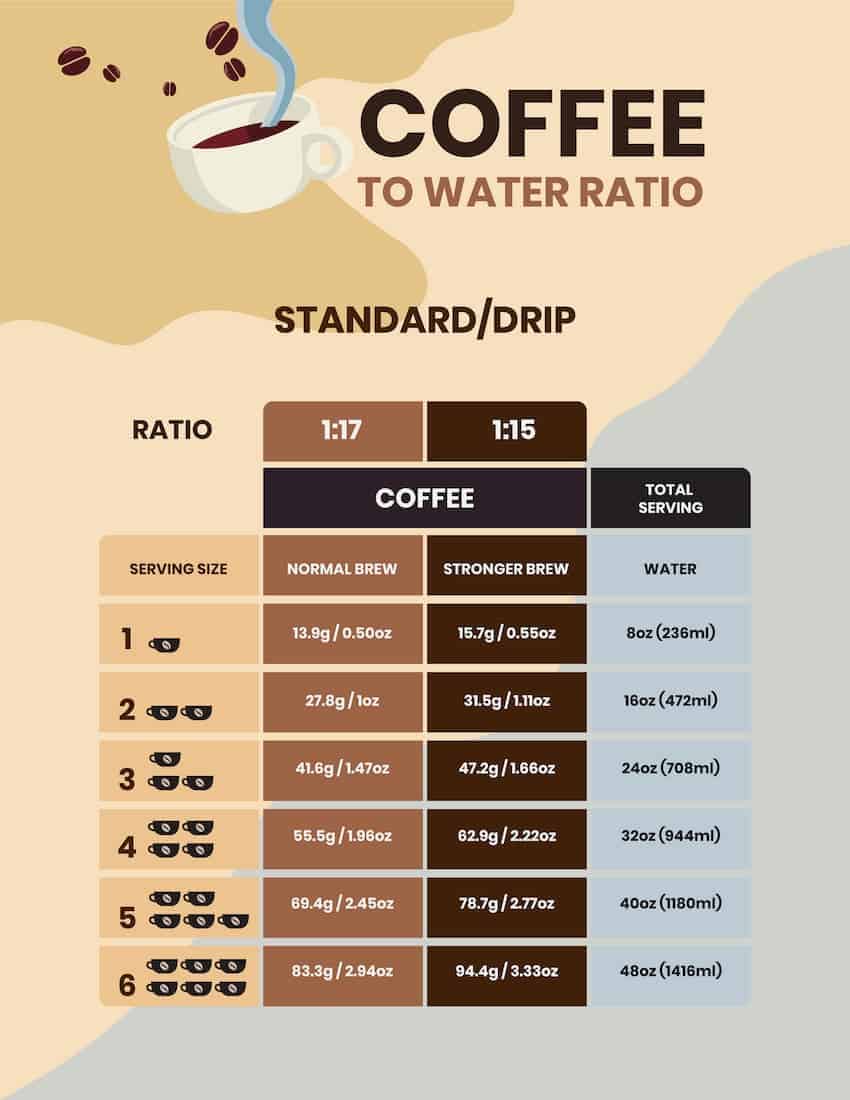
Source: sipcoffeehouse.com
Why Brew Ratio Matters
Brew ratio is the backbone of flavor. It determines how much of the coffee’s soluble compounds end up in your cup, directly affecting strength, extraction, body, and clarity. Small changes to the ratio can turn a muddy, bitter cup into something clean and sweet.
Here’s what’s happening:
- Strength: More coffee with the same water = stronger taste. Less coffee = lighter body.
- Extraction: Ratio influences the percentage of coffee dissolved. Under-extracted tastes sour and thin; over-extracted tastes bitter and dry.
- Consistency: A fixed ratio makes your coffee repeatable. If something tastes off, you can change one variable at a time.
Industry standards and sensory research consistently show that keeping your brew ratio in a proven range is the fastest way to great coffee. From there, you fine-tune grind size, time, and temperature.

Source: www.homegrounds.co
The Golden Starting Points By Method
Over the years, I’ve tested many ratios across pour-over, French press, AeroPress, cold brew, and espresso. These ranges balance strength and extraction for most coffees and water profiles.
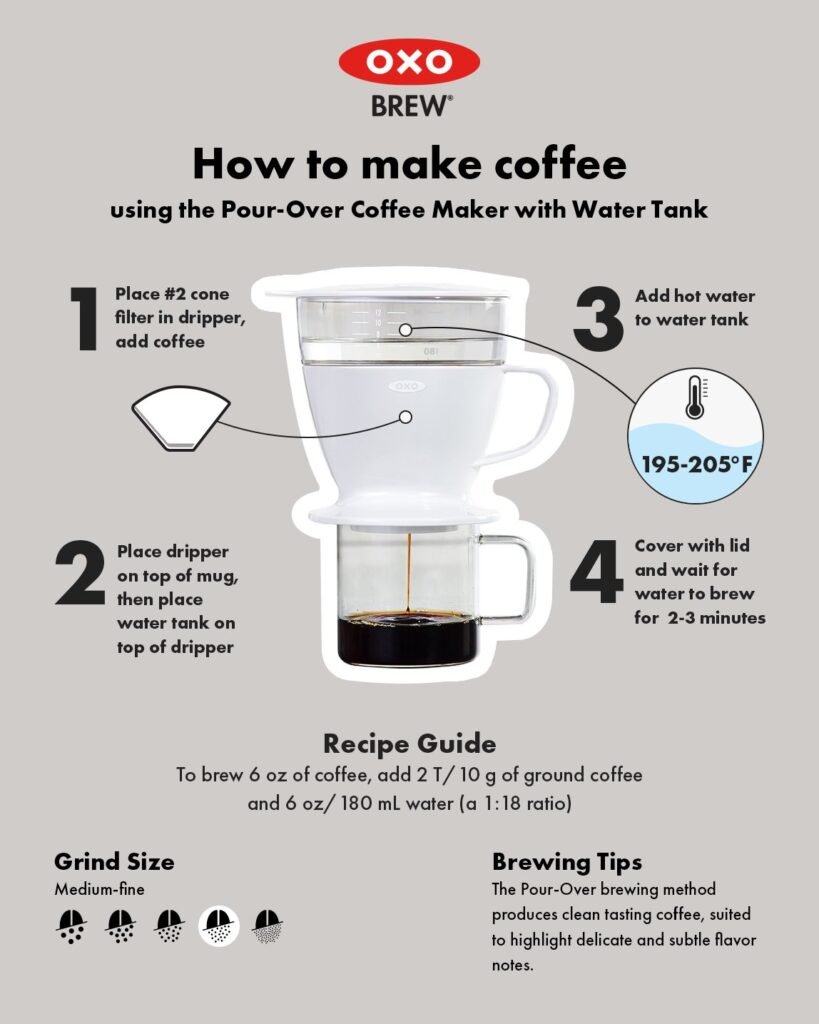
Pour-over and drip
- Start: 1:16 (1 gram coffee per 16 grams water)
- Stronger: 1:15
- Lighter: 1:17
- Example: 25 g coffee to 400 g water for a 1–2 cup V60
French press
- Start: 1:15 for fuller body
- Cleaner body: 1:16 to 1:17
- Example: 30 g coffee to 450 g water for a 12 oz press
AeroPress
- Start: 1:12 to 1:15
- Concentrate style: 1:7 to 1:10, then dilute to taste
- Example: 17 g coffee to 200 g water, 1:11.8, then top up if needed
Cold brew
- Concentrate: 1:4 to 1:5, then dilute 1:1 to 1:2
- Ready-to-drink: 1:8 to 1:10
- Example: 100 g coffee to 1,000 g water for a smooth RTD
Espresso
- Classic: 1:2 brew ratio by mass (liquid yield to dry coffee)
- Example: 18 g in, 36 g out in 25–35 seconds
- For clarity and acidity: 1:2.2 to 1:2.5
- For body and intensity: 1:1.7 to 1:1.9
These ranges align with professional barista practice and sensory guidelines used by leading coffee bodies and roasters.
Source: getbiopak.com
How To Measure Ratios Like A Pro
Consistency comes from measuring by weight, not scoops. Coffee beans vary in density and size, so scoops lie. A $10 digital scale is the biggest upgrade you can make.
My step-by-step routine:
- Weigh the coffee: Decide your dose first. For a single mug, I often use 20 g.
- Multiply for water: For 1:16, multiply coffee grams by 16. Example: 20 g coffee x 16 = 320 g water.
- Time it right: Start a timer when water hits the grounds. Use total brew time ranges below.
- Adjust one variable: If it’s sour, grind finer or increase ratio slightly (more water per gram). If it’s bitter, grind coarser or decrease ratio slightly.
Brew-time ballparks that pair well with ratios:
- Pour-over: 2:30–3:30 for 300–500 g brews
- French press: 4:00–6:00, then break, skim, and press gently
- AeroPress: 1:30–2:30 including steep
- Espresso: 25–35 seconds from pump on to final yield
- Cold brew: 12–18 hours in the fridge for ready-to-drink, 16–20 hours for concentrate
If you’re curious, a refractometer can help check extraction yield, but it’s optional. Your tongue is an excellent instrument once you brew with intention.
Source: getbiopak.com
Dialing In: Adjusting Ratio To Taste
Perfect ratio depends on your coffee’s roast level, origin, and your water. Here’s how I tweak in real life.
For light roasts
- Often need slightly more water per gram or finer grind to open up sweetness.
- Try moving from 1:16 to 1:16.5 or 1:17 if the cup is too dense or mute.
For medium roasts
- Sweet spot is usually 1:15.5 to 1:16.5 in pour-over.
- Espresso sings at 1:2 to 1:2.2.
For dark roasts
- Extract faster and can taste bitter if pushed.
- Go a bit lower water ratio (1:15) or coarser grind to keep bitterness in check.
For fruity, high-acidity coffees
- I often choose lighter ratios (1:16.5–1:17) and slightly cooler water to emphasize florals and clarity.
For chocolatey, nutty coffees
- I tighten to 1:15–1:16 for more weight and sweetness.
Personal anecdote: When I first brewed an Ethiopian washed with a 1:15 ratio, it was punchy but sharp. Bumping to 1:16.8 and grinding a touch finer revealed jasmine and lemon candy I couldn’t taste before. Same beans, new personality.
Water Quality And Temperature Impact Your Ratio
Great ratio can’t fix bad water. Minerals in water affect extraction and mouthfeel.
Key pointers:
- Mineral content: Moderate hardness and alkalinity help balance acidity and bitterness. Extremely soft water can taste flat; very hard water can mute clarity.
- Filtration: A basic carbon filter removes off-flavors from chlorine and organics.
- Temperature: 195–205°F for most filter methods. Cooler for delicate light roasts or longer pre-wets. Espresso typically targets 198–203°F at the grouphead.
- Cold brew uses time instead of heat, so stick to your chosen ratio and let it steep in the fridge, not at room temperature.
If your coffee consistently tastes hollow or harsh at a good ratio, test your water. Bottled spring water or a home-brewing water recipe can transform results.
Common Mistakes And How To Avoid Them
I’ve made these mistakes so you don’t have to.
- Using volume, not weight: A scoop today isn’t the same as a scoop tomorrow. Always weigh.
- Changing too many variables: Adjust only one thing at a time—ratio, grind, or temperature.
- Ignoring brew time: If your pour-over finishes in 90 seconds, it’s under-extracted regardless of ratio.
- Not blooming fresh coffee: For pour-over, bloom with 2–3 times the coffee weight in water for 30–45 seconds to de-gas.
- Stale beans: No ratio saves stale coffee. Use freshly roasted beans within 2–4 weeks of roast, and store them airtight.
Quick fix flow:
- Sour/thin: Finer grind, slightly higher water ratio (1:16.5–1:17), or hotter water.
- Bitter/astringent: Coarser grind, slightly lower water ratio (1:15–1:15.5), or cooler water.
My Benchmarks And Sample Recipes
These are the recipes I use to calibrate new coffees. They’re reliable baselines to start from, then adjust to taste.
V60 or similar cone
- 20 g coffee, medium-fine grind
- 320 g water at 200°F, 2:45–3:15 total
- Ratio: 1:16
- Bloom 40 g for 35 seconds; finish in 3 pours
Flat-bottom brewer
- 22 g coffee, medium grind
- 350 g water at 200°F, 3:15–3:45 total
- Ratio: 1:15.9
- Even, steady pours to maintain bed flatness
French press
- 30 g coffee, medium-coarse
- 450 g water at 205°F, 4:30 steep, skim and press
- Ratio: 1:15
AeroPress classic
- 17 g coffee, medium-fine
- 200 g water at 195–198°F, 2:00 total
- Ratio: about 1:11.8, then top with 50–80 g water for your preferred strength
Espresso
- 18 g in, 36–40 g out, 28–32 seconds
- Ratio: 1:2 to 1:2.2
- Adjust grind to hit time and flavor
Cold brew ready-to-drink
- 100 g coffee, coarse
- 1,000 g cold water, 14–16 hours in fridge
- Ratio: 1:10
- Strain, then adjust with water or ice after tasting
Frequently Asked Questions Of What Is The Ideal Coffee To Water Ratio?
Is 1:15 Or 1:16 Better For Pour-Over?
Both are excellent. Use 1:15 if you prefer a fuller, stronger cup and 1:16 if you want more clarity and sweetness. Let your coffee and water decide—if it tastes heavy or bitter at 1:15, try 1:16.
Why Measure In Grams Instead Of Spoons Or Cups?
Grams are consistent. Spoon volume varies with bean size and roast level, leading to inconsistent strength and extraction. A small digital scale removes guesswork.
What Ratio Should I Use For Espresso?
A classic starting point is 1:2, meaning 18 g of ground coffee yields 36 g of espresso. Adjust between 1:1.7 and 1:2.5 to balance body, sweetness, and acidity.
How Does Grind Size Interact With Ratio?
Grind size controls extraction speed. If a cup brewed at a solid ratio tastes sour, grind finer. If it tastes bitter or astringent, grind coarser. Keep ratio stable while you dial in grind.
What’s The Best Ratio For Cold Brew?
For ready-to-drink, 1:8 to 1:10 produces smooth, low-acid coffee. For concentrate, 1:4 to 1:5, then dilute to taste after brewing.
Can Water Quality Change The Ideal Ratio?
Yes. Very soft or very hard water can skew extraction. If your brews taste off at standard ratios, test filtered or spring water and re-evaluate before changing ratios drastically.
Do Dark Roasts Need Different Ratios?
Often, yes. Dark roasts extract more quickly and can turn bitter. Try 1:15 for immersion or 1:15.5–1:16 for pour-over, with a slightly coarser grind.
Wrap-Up And Next Steps
The ideal coffee to water ratio isn’t a single number—it’s a smart starting point. Begin with 1:16 for filter and 1:2 for espresso, then let taste guide you. Measure by weight, control your grind, and make one change at a time. With a few brews, you’ll lock in a personalized sweet spot for any coffee and method.
Try one of the benchmark recipes today and note what you taste. If you found this helpful, subscribe for more brew guides, share your favorite ratio in the comments, and explore advanced dialing-in tips in upcoming posts.
Watch This Video on What is the ideal coffee to water ratio?
Pingback: How Much Caffeine Is In A Typical Cup Of Coffee?: Facts – i-love-coffee-nyc.com
Pingback: What Is The Difference Between Arabica And Robusta Beans: Guide – i-love-coffee-nyc.com