

I’ve brewed thousands of cups in New York City—from corner bodega drip to meticulous pour-overs in my kitchen—and one truth has never changed: water dictates flavor. If you’ve ever wondered why coffee tastes brighter, thinner, or surprisingly aromatic here, the answer sits in the tap. In this guide, I break down how NYC’s water impacts the taste of its coffee, why that matters for extraction, and what you can do to dial your cup closer to café quality at home. Expect practical tips, proven science, and real-world lessons I’ve learned brewing in the city every day.
Source: en.wikipedia.org
What Makes NYC Water Unique For Coffee
NYC’s water supply comes primarily from protected upstate reservoirs. It’s famously soft, low in total dissolved solids (TDS), and treated with a small amount of chlorine for disinfection. The city also adjusts pH for corrosion control and adds orthophosphate to protect pipes. This chemistry creates a specific flavor profile in coffee.
Here’s the short version of what I’ve measured and seen reflected in public reports and specialty coffee guidance:
- Low hardness and low TDS mean cleaner, brighter cups, but they can also taste a bit thin.
- Low alkalinity preserves acidity and aromatics but can lead to sourness if extraction is underdeveloped.
- Chlorine can impart a slight sharpness or pool-like aroma unless filtered.
In practice, NYC tap water often yields a lively cup with pronounced high notes, especially with washed African coffees. But it can struggle to pull weight and sweetness from darker roasts or dense espresso extractions unless you tweak your approach.
Source: www.787coffee.com
The Chemistry: Hardness, Alkalinity, pH, And TDS
If flavor is the symphony, water chemistry is the conductor. Four attributes matter most:
- Hardness (calcium and magnesium): NYC water is generally soft. Magnesium boosts extraction of fruity, floral compounds and perceived sweetness; calcium supports mouthfeel. Too little hardness can make coffee taste hollow or sharp.
- Alkalinity (buffering capacity): Low in NYC. This helps preserve brightness and complexity but can push coffee toward sourness if grind or yield isn’t adjusted.
- pH (acidity/alkalinity of the water itself): NYC maintains a slightly elevated pH after treatment. pH shapes how acids present but doesn’t replace the role of alkalinity. Together, they influence how lively versus round the cup feels.
- TDS (total dissolved solids): NYC tap often lands on the lower end compared with the Specialty Coffee Association’s suggested ranges. Lower TDS can mean faster but lighter extraction.
What this means in your mug:
- Expect vivid acidity, clear aromatics, and lighter body.
- Expect to grind a touch finer or extend your brew time to pull more sweetness.
- Expect espresso to be less forgiving; channeling risk rises with very soft water.
These patterns align with city water quality summaries and industry recommendations for ideal coffee water.

Source: www.bonappetit.com
How NYC Water Affects Different Brewing Methods
Every brew method responds differently to soft, low-alkalinity water.
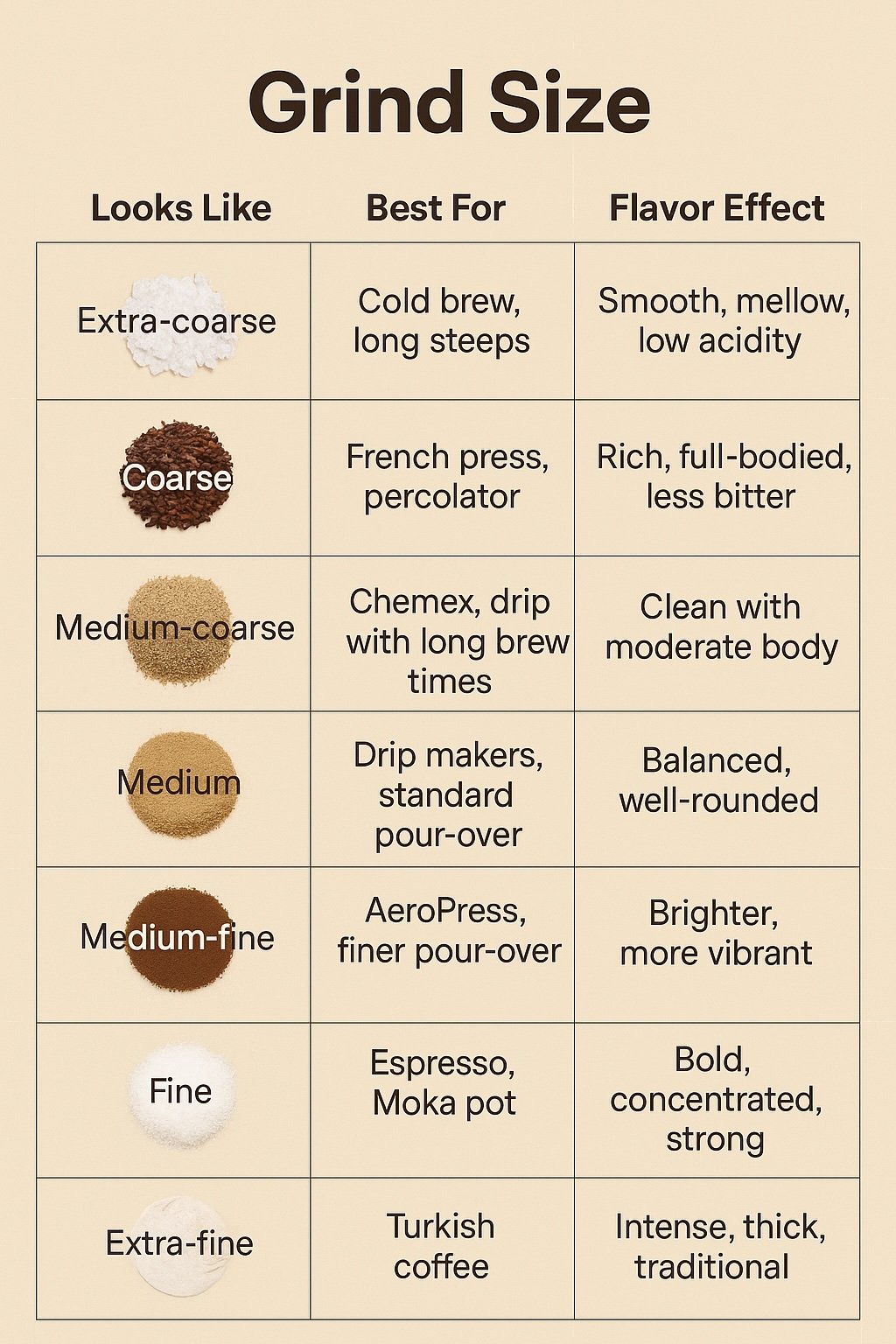
- Pour-over and drip: NYC water excels with high-acid, aromatic coffees. You’ll often get clarity and sparkle. To avoid a sour edge, I grind slightly finer and push brew ratios to 1:15 or 1:16 for more sweetness and body.
- French press: The longer contact time helps compensate for softness. A coarser grind and 4 to 5 minutes steeping pull more oils and texture, giving a rounder cup.
- Espresso: This is where softness bites. I often see fast flow and brightness without enough depth. My fixes include a tighter grind, slightly higher dose, and careful puck prep. Remineralizing the water by a small, controlled amount can stabilize flow and improve crema.
- Cold brew: NYC water produces a smooth but sometimes delicate concentrate. Extending steep time to 18 to 20 hours and experimenting with a finer coarse grind builds richness.
Personal note: When I brew a washed Ethiopia on V60 with NYC tap, I get jasmine and lime but not enough sugar-browning sweetness. A 10 to 15 second longer drawdown or a marginally finer grind reliably rounds the cup without muting florals.

Source: www.scenichudson.org
Practical Tips To Optimize Coffee With NYC Water
You don’t need a lab. Start with small, meaningful tweaks:
- Remove chlorine: A simple carbon filter pitcher or an inline carbon filter noticeably clears up aroma and aftertaste. Even a brief rest in an open container helps some volatile chlorine dissipate.
- Aim for consistency: Use fresh, cold tap water each brew. Let it run 10 to 20 seconds before filling your kettle.
- Adjust grind and ratio: With soft water, grind a hair finer and consider a slightly higher coffee dose or lower water ratio to enhance body.
- Manage temperature: Brew 198 to 204°F for most pour-overs. Softer water can benefit from the higher end of that range to encourage extraction.
- Consider gentle remineralization: Add a curated mineral blend made for coffee or a DIY magnesium/bicarbonate solution to nudge hardness and alkalinity into more balanced ranges. This stabilizes espresso and fattens mouthfeel in filter brews.
- Maintain gear: Soft water reduces limescale, which is great. Still, clean brewers regularly to prevent coffee oil buildup that can skew flavor.
Pro tip: For apartment setups, a compact counter filter plus a small bottle of coffee water minerals is the highest impact, lowest hassle upgrade I’ve made in NYC.

Source: about.starbucks.com
Testing And Tweaking: Simple At-Home Experiments
I like to let the cup tell me what to change. Try these quick tests:
- Side-by-side water test: Brew the same coffee with NYC tap (filtered), bottled spring, and a remineralized option. Note body, sweetness, and finish. Most people immediately hear the “bass notes” appear with added magnesium and bicarbonate.
- Grind ladder: Keep everything fixed and brew three cups, each 1 to 2 clicks finer on your grinder. Stop when the cup turns from zippy to sweet without bitterness.
- Ratio sweep: Try 1:17, 1:16, and 1:15. With NYC water, many coffees shine at 1:16 or tighter, unlocking more mid-palate depth.
- Espresso flow check: If shots gush or taste tart, incrementally tighten your grind and improve puck prep. If flavor still lacks structure, test a modest remineralization.
Data helps. Inexpensive TDS pens and alkalinity/hardness drop kits give you repeatability and help you connect taste to numbers.

Source: perfectdailygrind.com
Insights From NYC Cafes And Roasters
Working with NYC cafés and dialing in at pop-ups, I’ve noticed consistent patterns:
– Shops that filter and remineralize to a target profile pull sweeter, more consistent espresso with better texture.
– Filter-forward cafés love NYC’s clarity but still nudge hardness and alkalinity slightly to avoid sour edges on lighter roasts.
– The biggest wins often come from simple carbon filtration plus a light remineralization, not from chasing ultra-precise profiles.
My takeaway: Don’t fight NYC water—tune it. Preserve the sparkle, then add just enough support for sweetness and body.
Source: en.wikipedia.org
Common Mistakes And How To Avoid Them
I’ve made all of these at least once:
- Ignoring chlorine: Unfiltered tap can mask aromatics. Use carbon filtration.
- Overcorrecting minerals: Too much hardness or alkalinity flattens acidity and muddies flavors. Make small, measured adjustments.
- One-size-fits-all recipes: NYC water favors slight tweaks for each coffee. Keep notes and iterate.
- Underheating: Brewing too cool with soft water risks sourness. Aim toward the hotter end of the recommended range.
- Neglecting puck prep: With soft water, espresso is less forgiving. Even distribution and firm, level tamping matter more.
If you’re new to water adjustments, start tiny and taste-test your way forward.
Frequently Asked Questions Of How NYC’s Water Impacts The Taste Of Its Coffee
Is NYC Tap Water Too Soft For Great Coffee?
NYC water is soft, but not “too soft” if you adjust. It delivers clarity and brightness; you may need finer grinds, slightly higher temperatures, or light remineralization to boost sweetness and body.
Do I Need A Fancy Filter System At Home?
Not necessarily. A good carbon filter pitcher dramatically improves aroma by reducing chlorine. If you want to optimize further, add a targeted mineral packet to reach balanced hardness and alkalinity.
Why Does My Espresso Taste Sour With NYC Water?
Soft water can cause fast flow and underextraction. Try a finer grind, tighter puck prep, slightly higher dose, and consider modest remineralization to stabilize extraction and enhance crema.
What Mineral Levels Work Best For Coffee?
Many baristas aim for moderate hardness and alkalinity with a balanced pH. In practice, a nudge of magnesium for sweetness and a bit of bicarbonate for stability often yields fuller, sweeter cups without muting acidity.
Will NYC Water Cause Scale In My Espresso Machine?
NYC’s soft water produces far less scale than hard water, which is good for equipment longevity. Still, follow regular cleaning routines to remove coffee oil residue and maintain taste.
Conclusion
NYC’s water is a built-in flavor filter: it brightens, clarifies, and spotlights aromatics. With a few smart adjustments—carbon filtration, slightly finer grinds, dialed brew temps, and gentle remineralization—you can turn that natural sparkle into a balanced, sweet, and full-bodied cup. Try the side-by-side water test this week, keep simple notes, and let your taste guide your tweaks. If you found this helpful, subscribe for more practical brewing guides or leave a comment with your water experiments—I read every one.
Watch This Video on How NYC’s water impacts the taste of its coffee