

I’ve spent years tasting, brewing, and researching coffee from farm to cup, and I’m often asked one simple question: what is decaf coffee and how is it made? In short, decaf coffee is coffee with most of the caffeine removed, typically 97 to 99.9 percent, while preserving flavor. In this guide, I’ll demystify the science behind decaffeination, share insider tips from my own experience, and help you choose and brew decaf that tastes like the real thing. If you’ve ever wondered how decaf works, how safe it is, and which method makes the best cup, you’re in the right place.

Source: www.homegrounds.co
What Is Decaf Coffee?
Decaf coffee is regular coffee that has had most of its caffeine removed before roasting. In the United States, regulations require at least 97 percent of caffeine to be removed. In many international markets, standards are even stricter for certain products, often targeting about 99.9 percent caffeine removal for coffee extracts. That said, decaf isn’t completely caffeine-free; an 8-ounce cup typically contains about 2 to 5 milligrams of caffeine, versus 70 to 140 milligrams in regular coffee.
From a sensory standpoint, decaf should taste like coffee. Any differences you notice are usually due to the decaffeination method, bean quality, and roasting. Over the years, I’ve tasted decafs that were indistinguishable from their fully caffeinated counterparts—especially single-origin decafs processed with gentle methods like the Swiss Water Process or high-quality CO2 extraction.
Key points to know:
- Decaf is not zero caffeine, but it is significantly reduced.
- Quality depends more on the beans and roaster than the word “decaf” on the bag.
- The best decafs protect delicate flavor compounds during extraction.

Source: coffee.stackexchange.com
How Is Decaf Coffee Made?
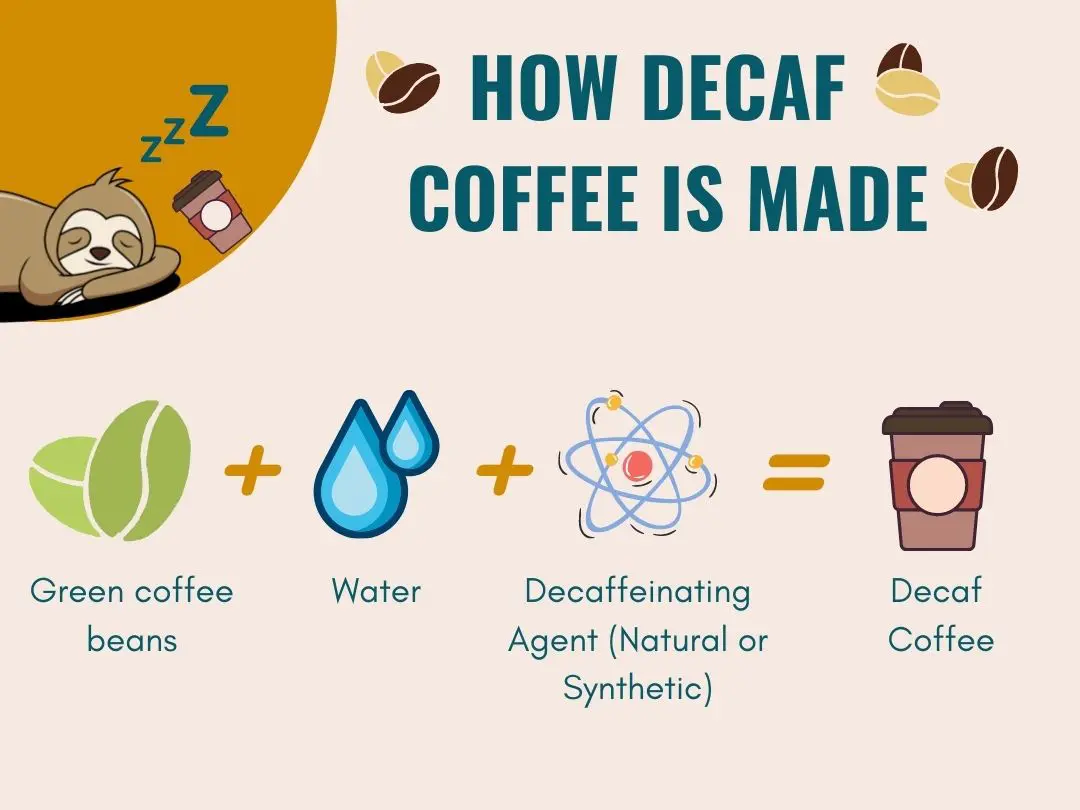
All decaffeination methods start with green (unroasted) coffee beans and follow the same basic idea: gently mobilize caffeine out of the beans while keeping flavor compounds inside. The difference lies in the solvent or medium used and how flavor retention is managed.
1) Solvent-Based Methods (Direct and Indirect)
These methods use food-grade solvents to bind with caffeine molecules.
- Direct method: Beans are steamed to open pores, then rinsed with a solvent that selectively binds to caffeine. The beans are then steamed again to remove solvent residues and dried.
- Indirect method: Beans are soaked in hot water to extract caffeine and flavor compounds. The water is separated, treated with solvent to remove caffeine, then the now decaf water—rich in flavor compounds—is reintroduced to the beans so they reabsorb their flavors.
Common solvents:
- Methylene chloride: Highly selective for caffeine. Regulatory bodies set strict residue limits (for example, the FDA enforces a low parts-per-million threshold). Studies show finished coffee contains residues far below safety limits when produced correctly.
- Ethyl acetate: Often marketed as “natural” when sourced from sugarcane or fruit. It’s the same chemistry, but the origin of EA can be plant-based. Sugarcane EA decaf tends to be fruit-forward and popular among specialty roasters.
Pros: Good flavor preservation, cost-effective, widely available.
Cons: Public perception concerns despite strong safety data; quality varies by process control.
2) Swiss Water Process
A solvent-free method using water, temperature, and carbon filtration.
- Beans are soaked in hot water to dissolve caffeine and flavor compounds.
- The water passes through a carbon filter that traps caffeine but lets flavor molecules through.
- A “green coffee extract” (flavor-rich, caffeine-free water) is made.
- New batches of beans are then soaked in this extract, which equalizes flavor but draws out caffeine. This preserves taste while removing caffeine.
Pros: Chemical-free marketing appeal, excellent flavor integrity for many origins.
Cons: Higher cost, slower process, not every flavor profile shines.
3) Supercritical CO2 Process
Uses CO2 at high pressure and moderate temperature, where it acts like both a gas and a liquid.
- CO2 selectively binds to caffeine in pressurized chambers.
- Caffeine-laden CO2 is then depressurized and the caffeine is removed.
- CO2 is often recycled, making it efficient at scale.
Pros: Precise, consistent, great for preserving volatile aromatics, minimal residue concerns.
Cons: Expensive equipment, more common in large-scale operations.
What I’ve learned on the cupping table:
- Sugarcane EA decafs often taste round and sweet with low bitterness.
- Swiss Water decafs preserve origin character beautifully, especially for washed Central American coffees.
- CO2 decafs can be remarkably clean in espresso, retaining crema and clarity.
Mistakes to avoid:
- Don’t assume all decaf tastes flat. That’s often a roast or freshness issue, not the method itself.
- Don’t store decaf improperly; it stales just like regular coffee and may taste dull if old.
Source: homecoffeeexpert.com
Does Decaf Taste Different?
It can, but it doesn’t have to. Any decaffeination process risks losing delicate aromatics. However, with careful processing and skilled roasting, decaf can be nearly indistinguishable from regular coffee.
What affects flavor:
- Bean quality: Starting with high-grade beans makes the biggest difference.
- Method: Water and CO2 tend to lean cleaner; sugarcane EA can taste sweeter.
- Roast profile: Decaf often benefits from slightly gentler roast curves to prevent scorching.
- Freshness: Stale decaf loses aromatics faster to our perception, so buy fresh and store well.
Practical tips I use at home:
- Choose specialty-grade decaf from roasters who publish the decaf method.
- For pour-over, grind a touch finer than your regular coffee to boost extraction.
- Increase brew ratio slightly, for example 1:15 instead of 1:16, to enhance sweetness and body.
- In espresso, bump dose or extend yield slightly to avoid sourness and thin texture.
Source: www.livescience.com
Health, Safety, And Caffeine Facts
Caffeine content:
- Drip or pour-over decaf: roughly 2 to 5 mg per 8 oz, sometimes up to 10–15 mg depending on bean and brew.
- Decaf espresso: often 0 to 10 mg per shot.
- Regular coffee: typically 70 to 140 mg per 8 oz.
Is decaf safe?
- Yes, when produced under regulated conditions. Residual solvent limits are set extremely low by regulators, and independent testing consistently finds residues in finished coffee well below safety thresholds.
- Solvent-free methods like Swiss Water and CO2 avoid solvent residues entirely.
- For sensitive individuals, decaf can help reduce caffeine-related side effects such as jitters, sleep disruption, or elevated heart rate. If you’re caffeine-sensitive, decaf after noon is a practical habit I follow before evening tastings.
Health notes from my experience and research:
- People with reflux sometimes find decaf gentler, but roast level and brewing also matter. Lower-acid origins or medium roasts can help.
- During pregnancy or when reducing caffeine for medical reasons, decaf supports lower total intake. Always consult a healthcare professional for personalized advice.
- Quality matters: poorly processed or over-roasted decaf can taste harsh, encouraging you to add sugar or cream. Better decaf can reduce the urge to compensate.
How To Choose And Brew Better Decaf At Home
What to look for on the bag:
- Decaf method listed: Swiss Water, CO2, or Sugarcane EA are strong picks.
- Freshness: Look for a roast date, not just a best-by date.
- Origin and process: Washed Central American or Colombian decafs are reliable; Ethiopian decafs can be stunning when carefully processed.
Brewing guidelines I rely on:
- Grind: Slightly finer than your regular setting to increase extraction.
- Water: 195 to 205°F works well. If the cup is flat, try the higher end of that range.
- Ratio: Start at 1:15 for pour-over or 1:2 for espresso yield, then adjust by taste.
- Contact time: A 3 to 3.5-minute pour-over steep is a good baseline.
- Bloom generously: Decaf can be less gassy, but a 30 to 45-second bloom still improves clarity.
Troubleshooting:
- If it tastes thin, grind finer or increase dose slightly.
- If it’s bitter, lower water temperature or shorten contact time.
- If it’s sour, extend brew time or increase water temperature.
My favorite home setups:
- Pour-over for bright, clean cups of Swiss Water decaf.
- Pressurized basket espresso machines do well with decaf if you optimize grind and dose.
- French press with sugarcane EA decaf produces a lush, chocolaty cup.
Sustainability And Ethics In Decaf
Decaf’s environmental footprint varies by method and facility.
Considerations:
- Water usage: Water-based methods require careful management and filtration to minimize waste.
- Chemical handling: Solvent-based plants follow strict safety and environmental protocols; reputable facilities recover and reuse solvents.
- CO2 method: Often recycles CO2, reducing waste but requires energy-intensive equipment.
- Certifications: Look for organic, Fair Trade, Rainforest Alliance, or third-party audits that indicate responsible sourcing and processing.
- Origin premiums: Some decaf programs pay additional premiums to farmers, supporting quality and community projects.
From my visits and industry conversations, I’ve learned that the most trustworthy decaf producers are transparent about their process and controls. Ask your roaster where and how the decaf was processed; good actors are happy to share details.
Frequently Asked Questions of What is decaf coffee and how is it made?
Is decaf coffee completely caffeine-free?
No. Decaf typically contains about 2 to 5 mg of caffeine per 8-ounce cup. Regulations require most of the caffeine to be removed, but not all.
Which decaf method tastes best?
Taste is subjective, but Swiss Water and CO2 methods are often praised for clean, origin-forward flavor. Sugarcane EA can be wonderfully sweet and balanced. Try a few to see which you prefer.
Is methylene chloride decaf safe?
Yes, when produced under regulated conditions. Residual levels in finished coffee are typically far below strict safety limits set by regulators. If you prefer to avoid it, choose Swiss Water, CO2, or sugarcane EA decafs.
Can I brew decaf the same way as regular coffee?
Mostly, yes. You may need a slightly finer grind or a touch higher temperature to boost extraction. Small adjustments go a long way.
Does decaf go stale faster?
It ages similarly to regular coffee. Freshness still matters: buy small quantities, store in an airtight container away from light and heat, and use within a few weeks of roast.
Is decaf better for acid reflux?
For some people, reducing caffeine helps, but acidity is influenced by origin, roast level, and brew method. Medium roasts and immersion brews can be gentler.
Can I drink decaf during pregnancy?
Many people use decaf to reduce caffeine intake during pregnancy, but individual recommendations vary. Consult your healthcare provider for personalized guidance.
Conclusion
Decaf coffee is real coffee with most of the caffeine removed—often 97 to 99.9 percent—using carefully controlled processes designed to preserve flavor. With the right method, fresh beans, and thoughtful brewing, decaf can deliver a cup that satisfies just like regular coffee. If you’re cutting back on caffeine, exploring evening coffee rituals, or dialing in a gentler daily brew, decaf is a smart, delicious choice. Try a bag from a roaster who lists the decaf method, tweak your grind and ratio, and taste the difference for yourself. Ready to go deeper? Subscribe for more brew guides, ask questions in the comments, and share your favorite decaf discoveries.
Watch This Video on What is decaf coffee and how is it made?