

I’ve spent years behind the bar and at home dialing in espresso, and one drink I recommend to both beginners and purists is the Americano. If you’ve wondered what is an Americano and how is it made, here’s the straight answer: it’s espresso diluted with hot water to create a coffee that’s smooth, balanced, and closer in strength to drip coffee but with the depth and aroma of espresso. In this guide, I’ll break down exactly what it is, how to make it at home, and how to get it tasting just right—every single time.
Source: tasteofartisan.com
What Is An Americano?
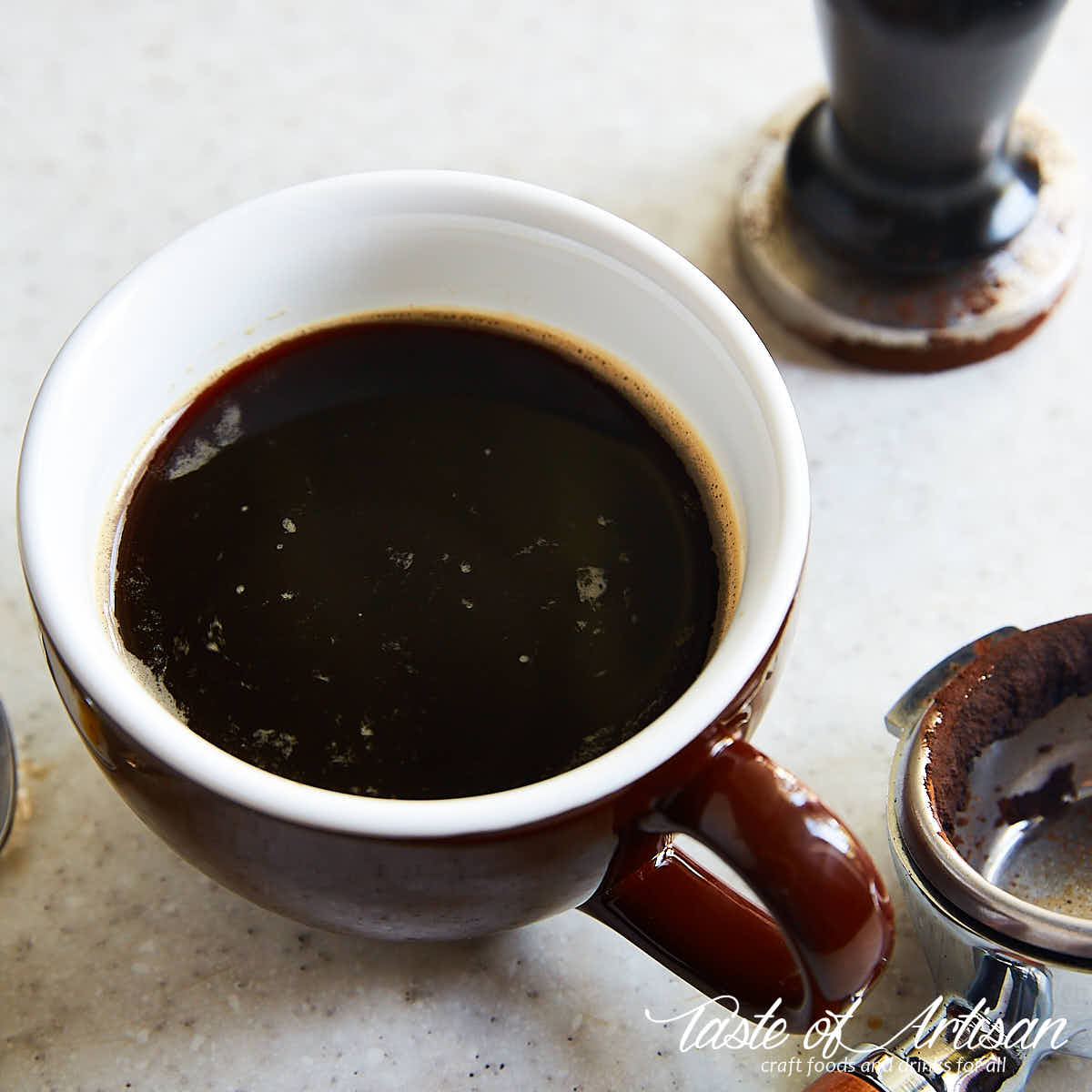
An Americano is a simple, classic coffee made by adding hot water to espresso. The result is a cup with the body and aromatics of espresso but the drinkability and volume of brewed coffee. The most common origin story dates back to World War II, when American soldiers stationed in Italy diluted strong espresso with water to mimic the coffee they were used to back home.
Flavor-wise, a good Americano is clean, nuanced, and less intense than a straight shot of espresso. It highlights the espresso’s character—chocolatey notes in a medium roast, fruit and florals in a lighter roast—without overwhelming the palate. Unlike drip coffee, which extracts flavors through a filter over a longer time, an Americano builds on the concentrated clarity of espresso, then stretches it with water.
From my experience, it’s the perfect midday cup when I want something lighter than espresso but more aromatic than a regular brewed coffee.
Source: www.youtube.com
How An Americano Is Made: Step-By-Step
Here’s the method I teach baristas and coffee lovers to get a consistently excellent Americano.
Equipment:
- Espresso machine or quality manual espresso maker
- Burr grinder
- Fresh coffee beans
- Kettle with temperature control if possible
- Digital scale and timer
- Mug or preheated cup
Coffee and water ratios:
- Standard: 1 double espresso (about 36–40 g out in 25–35 seconds) plus 120–180 g hot water
- Strength guide: 1:2 espresso-to-water for bold, 1:3 for balanced, 1:4 for lighter
Water temperature:
- 160–185°F for adding water to espresso. This preserves sweetness and drinkability without scalding.
Steps:
- Preheat the cup. This keeps the final drink hot and stable in flavor.
- Grind and dose. Use 17–19 g for a double shot; grind fine for espresso.
- Pull the shot. Aim for 36–40 g yield in 25–35 seconds. Adjust grind to hit this range.
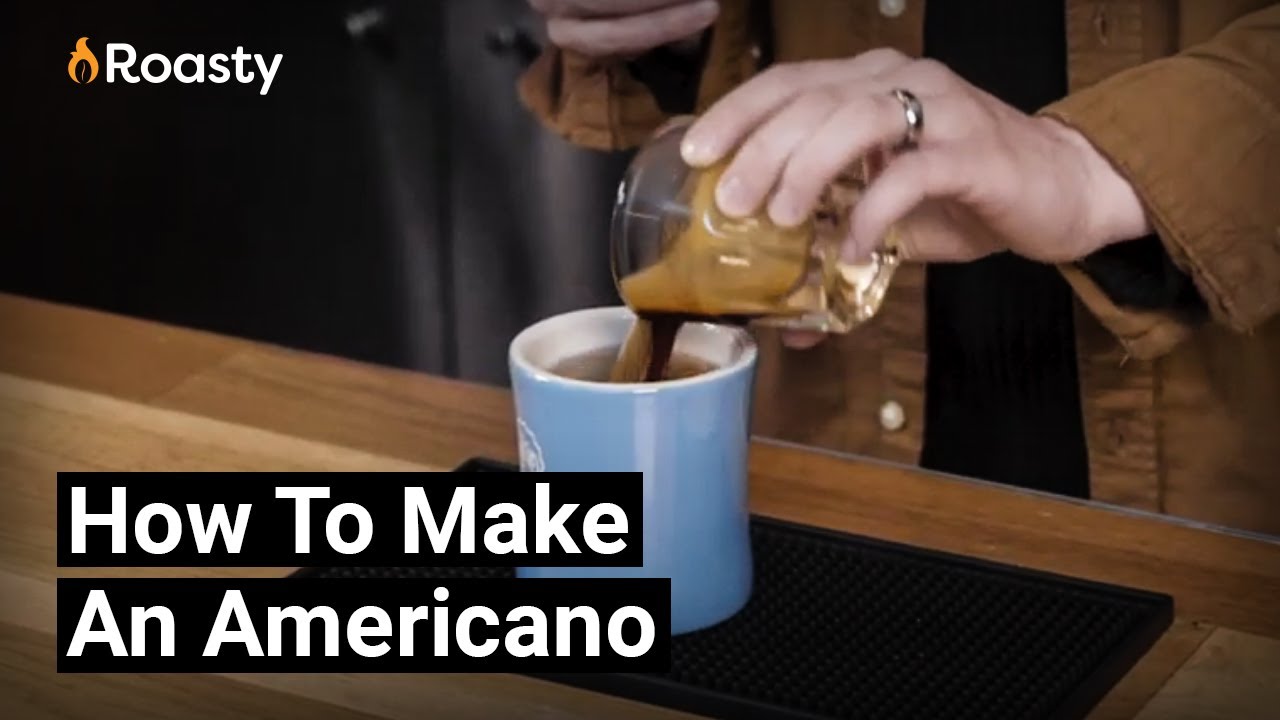
- Add water.
- Classic Americano: add hot water to the cup, then pour the espresso on top for a gentle blend.
- Espresso-first method: pull the shot into the cup, then top with hot water for a thinner crema but a mellower first sip.
- Taste and tweak. Adjust water amount to dial in your preferred strength.
Personal tip: For guests, I often prepare the water first so the initial aroma is gentler. For myself, I pour water over espresso when I want a brighter first sip. Both are correct; it’s about your taste.
Source: cuplacoffee.com
Americano vs Long Black vs Drip Coffee
They look similar, but they’re not the same.
Americano:
- Espresso diluted with hot water
- Balanced, smooth, and versatile
Long black:
- Popular in Australia and New Zealand
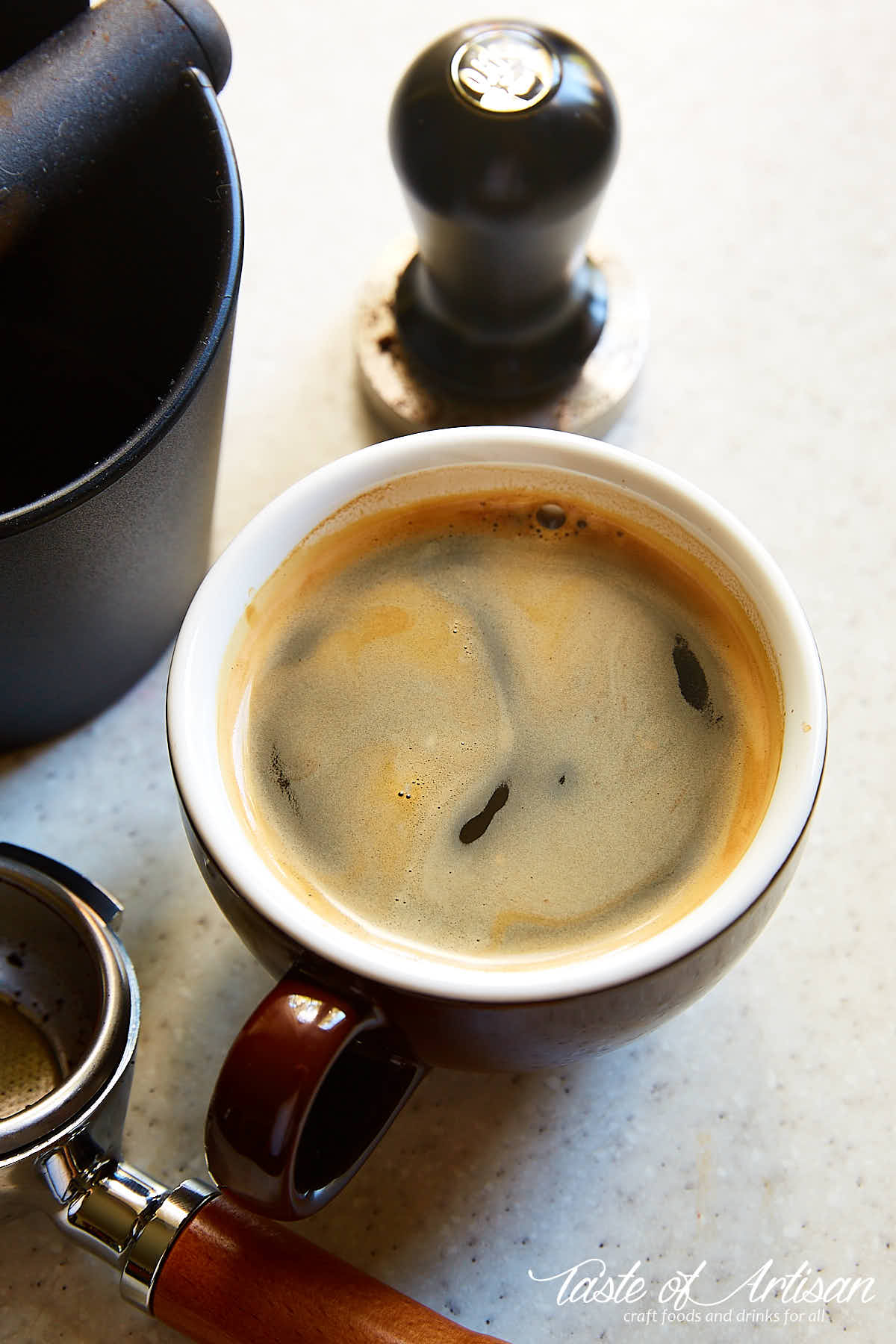
- Hot water first, then espresso on top to preserve crema and intensify aromatics
- Tastes slightly richer and more layered than a typical Americano
Drip coffee:
- Brewed through a filter using gravity over several minutes
- Cleaner body, different extraction profile, often more subtle aromatics
My rule of thumb: if you love crema and a punchier aroma, go long black. If you want an easygoing cup that’s consistent and smooth, choose an Americano. If you crave clarity and volume with less intensity, go drip.
Source: tasteofartisan.com
Dialing In: Beans, Grind, Ratios, And Water
Beans:
– Medium roasts: chocolate, caramel, nuttiness; my go-to for a classic Americano.
– Light roasts: citrus, florals, higher acidity; great if you enjoy a brighter, tea-like finish.
– Dark roasts: bold and smoky; use a slightly higher water ratio to avoid bitterness.
Grind and extraction:
- Target 25–35 seconds for a 1:2 espresso ratio (e.g., 18 g in, ~36 g out).
- If sour and thin, grind finer or increase temperature slightly.
- If bitter and hollow, grind coarser or reduce temperature.
Water quality:
- Use filtered water with moderate mineral content for sweetness and mouthfeel.
- Ideal water temperature for brewing espresso: roughly 195–205°F.
- Ideal water for dilution: 160–185°F to keep the cup pleasant to sip.
Ratios I recommend:
- Bold: 1 double espresso to 120 g water
- Balanced: 1 double espresso to 150 g water
- Light: 1 double espresso to 180–210 g water
From countless taste tests, the 1:3 ratio hits the sweet spot for most beans. When I switch to a bright, fruity coffee, I increase water slightly to soften the acidity.
Variations And Serving Ideas
Hot Americano:
– Classic method; great for bringing out chocolate and caramel notes.
Iced Americano:
- Pull a double shot over 90–120 g chilled water and ice
- Keeps brightness while staying refreshing
- Tip: Cool the shot for 10–15 seconds before pouring over ice to prevent rapid dilution
Americano Misto (a.k.a. Americano with milk):
- Americano topped with a splash of steamed milk or cold milk
- Excellent for smoothing out acidity without turning it into a latte
Flavored twists:
- Add a few drops of simple syrup or a dash of vanilla
- For a seasonal cup, a small pinch of cinnamon or orange zest complements medium roasts
Note: Sparkling water with espresso creates a different drink altogether (think espresso tonic). Delicious, but not an Americano.
Nutrition, Caffeine, And Health Notes
Calories:
– A traditional Americano without milk or sugar has about 5 calories or less, mostly from natural coffee oils.
Caffeine:
- A double-shot Americano typically contains around 120–160 mg of caffeine, depending on bean and extraction.
- Lighter roasts can yield slightly more caffeine by weight due to higher density and often longer extraction.
Health notes:
- With no added sugar or milk, it’s one of the leanest coffee options.
- If you’re sensitive to acidity, try a medium roast and a 1:3 ratio with slightly cooler dilution water for a smoother cup.
Transparency note: Caffeine varies by bean variety, roast, dose, and shot yield. If you need precision, weigh inputs and track your recipe.
Troubleshooting Common Issues
Sour and sharp:
– Grind a touch finer, increase brew temperature, or extend the shot time slightly.
Bitter and ashy:
- Grind slightly coarser, decrease brew temperature, or reduce the shot yield.
Watery or weak:
- Reduce the amount of dilution water or pull a slightly larger shot yield with the same dose.
Too strong:
- Add 15–30 g more hot water and stir gently.
Flat flavor:
- Use fresher beans, adjust water mineral content, or switch to a medium roast for more sweetness.
Barista tip: Keep a simple log. Note dose, yield, time, and water ratio. Two or three small tweaks usually transform the cup.
Frequently Asked Questions Of What Is An Americano And How Is It Made?
Is An Americano Just Watered-Down Espresso?
Yes, but that’s the point. Diluting a well-pulled espresso retains its aroma and complexity while making it easier to sip, resulting in a balanced, clean cup.
What’s The Ideal Espresso-To-Water Ratio?
For most beans, a double shot with 150 g of hot water is balanced. Go 120 g for bold, 180–210 g for lighter.
Should I Add Water First Or Espresso First?
Both work. Water first preserves crema and intensity. Espresso first mellows the first sip. Choose based on your preference.
Can I Make An Americano Without An Espresso Machine?
You can approximate it with a strong Moka pot brew plus hot water, but it won’t match the clarity and mouthfeel of true espresso.
What Temperature Should The Water Be?
Use 195–205°F for brewing espresso and 160–185°F for dilution. This balance keeps sweetness without scalding.
Is An Americano The Same As A Long Black?
No. A long black typically pours espresso over hot water to preserve crema and intensify aroma, producing a slightly richer taste than most Americanos.
Conclusion
An Americano is espresso’s most approachable form: espresso plus hot water, crafted to your preferred strength and texture. With fresh beans, proper espresso extraction, and a smart water ratio, you can brew a café-quality Americano at home—consistently. Start with a 1:3 ratio, taste, and tweak until it fits your palate. If you’re ready to level up, experiment with different roasts, try the iced version, and keep a simple brew log to sharpen your skills.
Want more guides like this? Subscribe for weekly brewing tips, or drop your questions in the comments and I’ll help you dial it in.
Watch This Video on What is an Americano and how is it made?