
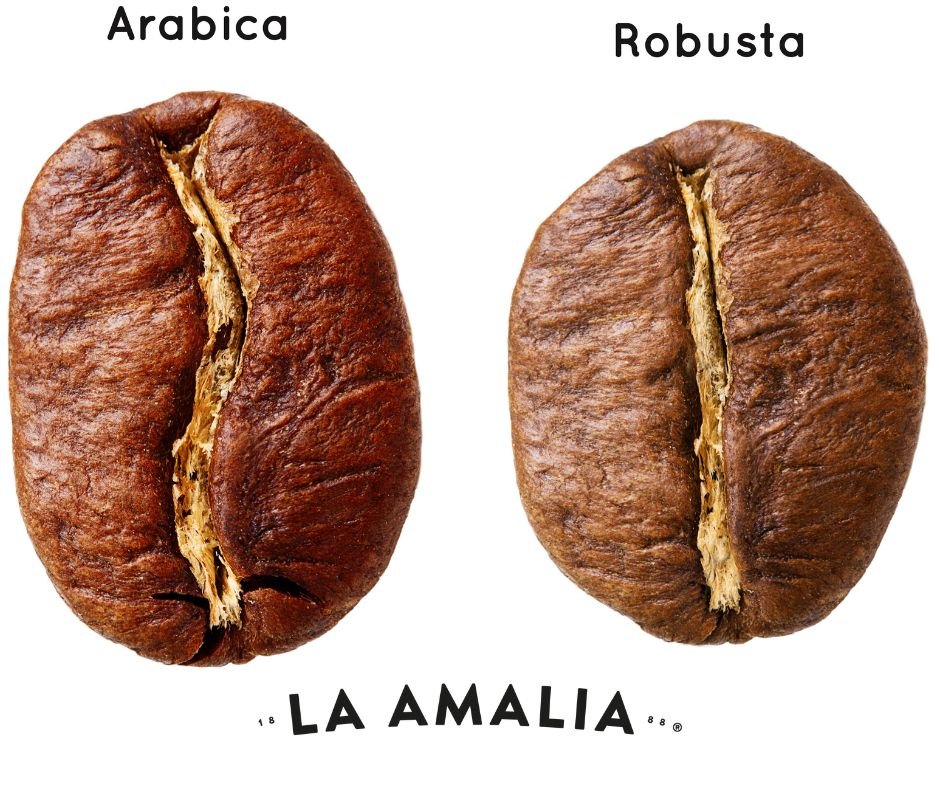
I’ve spent years tasting, sourcing, and brewing coffee for cafés and at home, and one question comes up constantly: what is the difference between Arabica and Robusta beans? In simple terms, Arabica typically offers nuanced flavors and higher acidity with less bitterness, while Robusta brings a stronger, more bitter taste and higher caffeine. But the real story is richer than that. In this guide, I break down the science, the farming, and the cup experiences so you can buy, brew, and enjoy coffee with confidence.

Source: pahadee.coffee
Arabica vs. Robusta At A Glance
If you want the quick snapshot:
– Species and genetics. Coffea arabica is a different species from Coffea canephora (Robusta). Arabica is a natural hybrid with lower caffeine and more sugars; Robusta is hardier with higher caffeine and chlorogenic acids.
– Flavor profile. Arabica leans toward sweetness, fruit, florals, chocolate, and higher perceived acidity. Robusta skews earthy, nutty, woody, and more bitter with a heavier body.
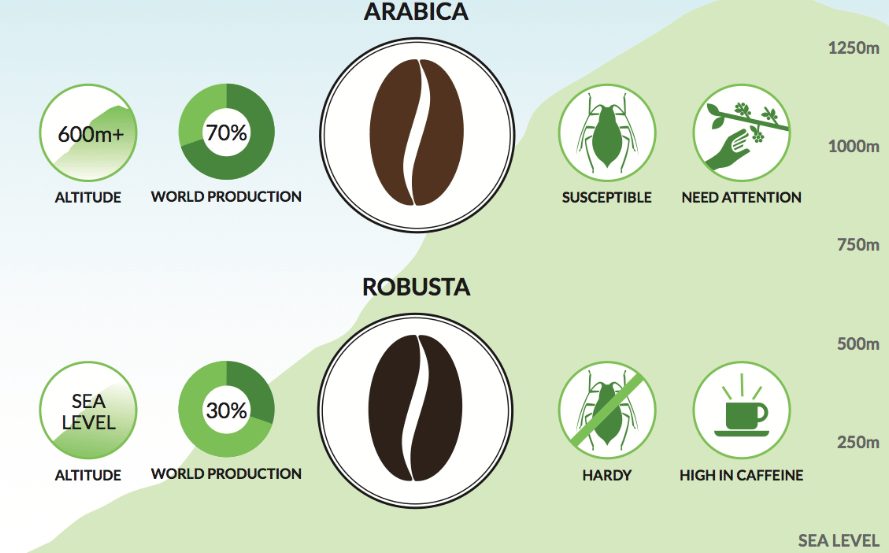
– Caffeine content. Robusta often has about 1.8 to 2.7 percent caffeine by weight, while Arabica averages around 1.2 to 1.7 percent.
– Price and quality. Arabica generally commands a higher price due to growing difficulty and market demand. High-quality Robusta exists, but commodity Robusta is common in instant coffee and some espresso blends.
– Use cases. Arabica shines in pour-overs and single-origin espresso. Robusta is favored for crema in espresso blends and in instant coffee for its punch and solubility.
From years of cupping, I’ve learned that species is a strong predictor, but not destiny. Elevation, processing, and roast profile can make an Arabica taste bold and chocolaty or a Robusta taste surprisingly sweet and clean.
Source: www.questcoffee.com.au
Origins, Botany, And Growing Regions
Arabica originated in the highlands of Ethiopia, while Robusta is native to Central and West Africa. Today:
– Arabica thrives at higher altitudes, typically 2,000 to 6,000 feet above sea level, with cooler temperatures and more stable climates.
– Robusta prefers lower elevations and warmer, more humid conditions. It is more resistant to pests and diseases, especially coffee leaf rust.
What this means in the cup:
- Higher elevation often slows cherry maturation, concentrating sugars and organic acids. This contributes to Arabica’s complexity and brightness.
- Robusta’s resilience leads to reliable yields in harsher climates, but the chemical profile leans more bitter due to higher caffeine and chlorogenic acids.
You’ll find celebrated Arabicas from Ethiopia, Kenya, Colombia, and Guatemala. Robusta is widely grown in Vietnam, Brazil, Uganda, and India.
Chemistry, Caffeine, And How They Shape Taste
Taste is chemistry made delicious. A few key compounds drive the difference:
– Caffeine. Robusta’s higher caffeine acts as a natural pesticide and contributes to bitterness and a stronger perceived “kick.”
– Sugars. Arabica typically carries more sucrose, which caramelizes during roasting, supporting sweetness and complex aromas.
– Chlorogenic acids. Robusta contains more of these phenolic compounds, which break down into quinic and caffeic acids that elevate bitterness and astringency if roasted or brewed aggressively.
– Lipids and volatile aromatics. Arabica usually has higher oil content and a broader spectrum of aroma compounds, fueling fruity, floral, or chocolate notes.
Industry analyses and peer-reviewed studies consistently report these chemical differences, which align with what I taste on the cupping table: Arabica is more aromatic and layered; Robusta is sturdier, darker, and more bitter.
Flavor Profile And Mouthfeel
From my cupping notes over the years:
– Arabica. Citrus, berry, stone fruit, jasmine, honey, cocoa, caramel. Bright to sparkling acidity, lighter to medium body, long sweet finish when well roasted.
– Robusta. Peanut, dark chocolate, cereal, wood, tobacco. Low acidity, heavy body, short and bitter finish if not carefully processed.
Exceptions exist. I’ve tasted fine Robustas from India and Uganda with molasses sweetness, walnut, and surprisingly clean finishes when washed processed and roasted skillfully. But on average, Arabica offers more range and clarity.
Processing, Roasting, And Their Impact
Processing and roasting can amplify or tame species traits:
– Processing
– Washed Arabica emphasizes acidity and clarity.
– Natural or honey Arabica pushes sweetness and body.
– Washed Robusta can reduce earthiness and improve cleanliness.
– Natural Robusta risks fermenty notes if not carefully managed.
– Roasting
– Light to medium roasts preserve Arabica’s nuanced aromatics.
– Medium to dark roasts can balance Robusta’s bitterness and bring out cocoa and spice.
– For blends, I often roast Robusta slightly darker to build body and crema without overwhelming bitterness.
Practical tip: If your Robusta tastes harsh, try a slightly cooler brew temperature or a coarser grind to reduce over-extraction.
Brewing Recommendations And Use Cases
Different brewing methods highlight each species in unique ways:
– Espresso
– Arabica-only espresso can be fragrant and complex but lighter in crema.
– Adding 10 to 30 percent high-quality Robusta boosts crema, body, and caffeine. I use this approach for classic Italian-style shots.
– Pour-over and drip
– Arabica excels here, showcasing clarity. Choose washed Central American or East African lots for bright, tea-like cups.
– French press and cold brew
– Arabica yields smooth, sweet cups. Robusta brings a bolder, chocolate-nut profile that holds milk well.
– Instant coffee
– Often Robusta-based because of cost, availability, and solubility. Premium instants use Arabica or blends for improved flavor.
Brew recipe tip: For a balanced Arabica pour-over, I start at a 1:16 ratio, 200°F water, 2 minutes 45 seconds total contact time. For a Robusta-forward blend, I lower the temperature to around 195°F and grind slightly coarser to control bitterness.
Price, Market Dynamics, And Sustainability
Why does Arabica usually cost more?
– Sensory demand. Specialty buyers prize Arabica’s complexity and pay premiums.
– Agricultural risk. Arabica is more vulnerable to pests, disease, and climate extremes, which increase costs.
– Yield and resilience. Robusta’s higher yields and hardiness make it cheaper to produce.
Sustainability considerations:
- Climate change threatens Arabica suitability at lower elevations, pushing farms higher and raising costs.
- Robusta’s resilience may support farmer livelihoods in warmer regions, but quality-focused agronomy and processing are essential to avoid flavor defects.
- Certifications and direct trade relationships can support better wages and environmental stewardship for both species.
From producer visits, I’ve seen shading, selective picking, and careful washing transform Robusta quality, fetching better prices and improving farm resilience.
Health, Caffeine Sensitivity, And Choosing What Fits You
If you are caffeine sensitive, Arabica is generally the safer bet due to lower caffeine content. Robusta’s higher caffeine may offer a stronger alertness effect and more pronounced bitterness. Antioxidants exist in both, with different profiles of chlorogenic acids. For most healthy adults, moderate coffee consumption is associated with positive outcomes in observational research, but individual tolerance varies.
Practical tips:
- Choose Arabica for late afternoon cups or if you prefer sweeter, gentler flavors.
- Choose Robusta or blends for morning espresso, milk drinks, or when you want more intensity.
- Consider decaf Arabica for evening; modern processes preserve much of the flavor.
Always listen to your body and consult a professional if you have specific health conditions or sensitivities.
How To Buy And Store Beans
Smart purchasing habits help any species shine:
– Look for roast date, not just “best by.” Fresher is better within 2 to 6 weeks of roast.
– Choose whole beans. Grind just before brewing to preserve aromatics.
– Seek transparency. Origin, altitude, processing, and variety details indicate care.
– Try sample packs. Compare a washed Ethiopian Arabica to a fine Robusta from India to educate your palate.
– Storage. Keep beans in an airtight, opaque container at room temperature. Avoid the fridge and freezer once opened.
A mistake I made early on was buying large bags on sale and stretching them for months. Stale coffee flattened both Arabica’s aromatics and Robusta’s sweetness. Smaller, fresher buys taste better and waste less.
Frequently Asked Questions Of What Is The Difference Between Arabica And Robusta Beans?
Which Has More Caffeine, Arabica Or Robusta?
Robusta typically contains significantly more caffeine, roughly 1.8 to 2.7 percent, compared to Arabica’s 1.2 to 1.7 percent.
Why Is Arabica More Expensive?
Arabica is harder to grow, more prone to pests and disease, and in higher demand for its complex flavors. These factors drive higher production costs and market prices.
Is Robusta Always Bitter?
Not always. While Robusta tends toward bitterness, careful farming, washed processing, and skillful roasting can yield clean, nutty, chocolaty cups with moderate bitterness.
Which Is Better For Espresso?
It depends on your style. Arabica-only shots are aromatic and nuanced but lighter in crema. Adding 10 to 30 percent quality Robusta boosts body, crema, and caffeine for a classic profile.
Can I Use Robusta For Pour-Over?
Yes, especially high-quality washed Robusta or Arabica–Robusta blends. Use slightly cooler water and a coarser grind to keep bitterness in check.
Is Instant Coffee Usually Robusta?
Often yes. Robusta’s cost and solubility make it common in instant coffee, though some premium brands use Arabica or blends for better flavor.
Does Altitude Really Matter?
Generally yes. Higher altitude slows fruit maturation, concentrating sugars and acids that often produce more complex Arabica flavors.
Wrap-Up And Next Steps
Arabica and Robusta differ in species, chemistry, flavor, and ideal use. Arabica usually brings sweetness, aroma, and acidity; Robusta brings intensity, body, crema, and caffeine. The best choice depends on your taste and how you brew. Try a side-by-side cupping of a washed Arabica and a quality Robusta, record your notes, and dial in grind and temperature to match each bean’s strengths. Ready to go deeper? Subscribe for more brew guides, or drop a comment with your favorite Arabica or Robusta picks.
Watch This Video on What is the difference between Arabica and Robusta beans?