
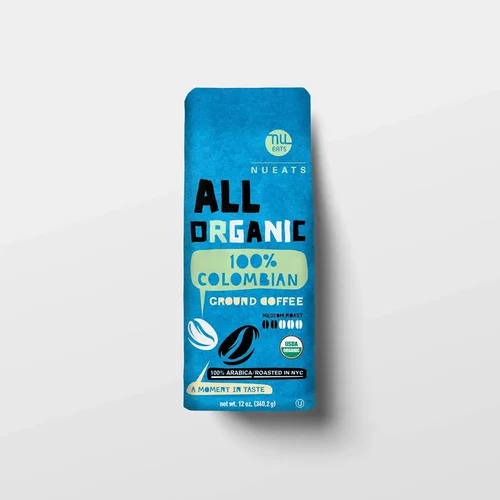
New York City doesn’t just serve coffee—it breathes it. From the steam rising off a paper cup on a rainy morning in Brooklyn to the quiet hum of a pour-over ritual in a Lower East Side café, coffee is woven into the city’s daily rhythm. But beyond the convenience of a corner bodega brew lies a thriving, passionate world of artisanal coffee culture that’s redefining what it means to truly taste a cup. This isn’t about caffeine hits or quick fixes—it’s about craftsmanship, origin stories, and the meticulous art of extraction. Whether you’re a lifelong New Yorker or a visitor seeking the city’s most authentic sips, navigating the landscape of artisanal coffee in NYC can feel overwhelming. With hundreds of roasteries, cafés, and specialty shops popping up across all five boroughs, how do you know where to go, what to buy, and how to choose the right beans for your taste and lifestyle?
That’s exactly why this guide exists. We’ve spent months tasting, researching, and talking to baristas, roasters, and coffee enthusiasts across the city to bring you a comprehensive, expert-level buying guide to the best artisanal coffee in NYC. Whether you’re looking to brew café-quality coffee at home, support local roasters, or simply discover your new favorite morning ritual, this guide will equip you with everything you need to make informed, satisfying choices. You’ll learn how to evaluate bean quality, understand roasting styles, identify trustworthy brands, and avoid common pitfalls that even seasoned coffee lovers fall into. We’ll break down price ranges, explore different coffee categories, and share insider tips on where and when to buy for the best value. By the end, you won’t just know which bags to grab off the shelf—you’ll understand the story behind every sip.
The artisanal coffee scene in New York is as diverse as the city itself. From minimalist Japanese-inspired pour-over bars in Williamsburg to community-rooted roasteries in the Bronx, the options are vast and varied. Independent roasters like Sey Coffee, Birch Coffee, and Devoción have built loyal followings by sourcing directly from small farms, roasting in small batches, and prioritizing sustainability and transparency. Meanwhile, specialty retailers like Joe Coffee Company and Café Grumpy have become neighborhood staples, offering not just great coffee but also education on brewing methods and flavor profiles. Online platforms and subscription services have also made it easier than ever to access high-quality beans without leaving your apartment. With so many choices, the challenge isn’t finding good coffee—it’s finding the right coffee for you. This guide cuts through the noise, offering clarity, depth, and practical advice to help you navigate NYC’s rich coffee ecosystem with confidence.

What to Look for When Buying Artisanal Coffee
1. Bean Origin & Traceability
When it comes to artisanal coffee, where the beans come from matters just as much as how they’re roasted. The origin of your coffee—whether it’s a single farm in Ethiopia, a cooperative in Colombia, or a micro-lot from Guatemala—directly influences flavor, aroma, and overall quality. Look for roasters who provide detailed information about the farm, region, altitude, and processing method. Transparency is a hallmark of true artisanal coffee. For example, a bag that reads “Ethiopia Yirgacheffe, Gedeo Zone, Washed Process, 1,900 meters” tells you far more than one that simply says “African Blend.” This level of detail indicates that the roaster has a direct relationship with the producer and cares about the story behind the beans.
Why does this matter? Coffee grown at higher altitudes tends to develop more complex acidity and floral notes, while lower-altitude beans may be more chocolatey and full-bodied. Processing methods—such as washed, natural, or honey—also dramatically affect flavor. Washed coffees often have cleaner, brighter profiles, while natural-processed beans can be fruit-forward and jammy. In NYC, roasters like Devoción and Sey Coffee are known for their obsessive attention to origin, often importing green beans directly from partner farms and roasting them within days of harvest to preserve freshness. When shopping, ask questions or check the roaster’s website for sourcing details. If a brand can’t tell you where their beans come from, that’s a red flag.
2. Roast Date & Freshness
Freshness is non-negotiable in artisanal coffee. Unlike commercial brands that may sit on shelves for months, high-quality coffee is at its peak within 2–4 weeks of roasting. Always check the roast date on the bag—this should be clearly printed and no more than a few weeks old. Avoid bags that only list a “best by” date, as this can be misleading and doesn’t reflect actual freshness. The ideal window for brewing is typically 7–21 days post-roast, depending on the roast level and storage conditions.
In NYC, many roasters roast to order or in small batches several times a week. Places like Birch Coffee in the West Village or Abraço in the East Village often roast on-site, ensuring beans are as fresh as possible. If you’re buying online, look for roasters who ship within 24–48 hours of roasting. Some even offer same-day delivery in Manhattan. Storing your beans properly is also crucial: keep them in an airtight container away from light, heat, and moisture. Avoid the fridge or freezer unless you’re storing for longer than a month—condensation can ruin the flavor.
3. Roast Level & Flavor Profile
Roast level significantly impacts the taste of your coffee. Artisanal roasters typically offer a range from light to dark, each bringing out different characteristics in the beans. Light roasts preserve the bean’s inherent flavors—think floral, citrusy, or tea-like notes—and are popular among pour-over enthusiasts. Medium roasts strike a balance, offering sweetness and body while still showcasing origin traits. Dark roasts emphasize roast-derived flavors like smokiness, chocolate, and caramel, often masking some of the bean’s natural complexity.
Your preference will depend on your brewing method and taste. If you enjoy bright, acidic coffees with fruity notes, go for a light roast from a high-altitude Ethiopian or Kenyan farm. If you prefer something smoother and richer, a medium or medium-dark roast from Brazil or Sumatra might be better. Many NYC roasters provide detailed flavor notes on their packaging—look for descriptors like “blueberry,” “dark chocolate,” or “jasmine.” These aren’t just marketing fluff; they’re based on cupping evaluations and can guide your choice. Don’t be afraid to experiment: try a sampler pack from roasters like Joe Coffee or Café Grumpy to compare different roast levels side by side.
4. Grind Consistency & Brewing Method
Even the best beans can be ruined by improper grinding. The grind size must match your brewing method: coarse for French press, medium for drip, fine for espresso, and extra-fine for Turkish coffee. Buying whole beans and grinding them just before brewing ensures maximum freshness and flavor. Pre-ground coffee loses aroma and complexity quickly due to increased surface area exposure to air.
In NYC, many specialty shops offer grinding services, but for the best results, invest in a quality burr grinder for home use. Blade grinders chop beans unevenly, leading to inconsistent extraction and bitter or sour notes. If you’re brewing pour-over or AeroPress, a consistent medium-fine grind is essential. For espresso, you’ll need a fine, uniform grind that allows for proper pressure and extraction. Some roasters, like Sey Coffee, even provide grind recommendations on their packaging based on your preferred method. When buying, ask the staff for advice—they’re usually happy to help.
5. Sustainability & Ethical Sourcing
Artisanal coffee isn’t just about taste—it’s about values. Many NYC roasters prioritize ethical sourcing, paying farmers fair prices and supporting sustainable farming practices. Look for certifications like Fair Trade, Rainforest Alliance, or Direct Trade, though the latter isn’t officially certified and relies on transparency. Direct Trade, in particular, is common among NYC roasters who build long-term relationships with growers, often visiting farms themselves.
For example, Devoción sources beans directly from small farms in Colombia and pays premiums well above market rate. Similarly, Birch Coffee partners with farmers in Rwanda and Guatemala, investing in community development. These practices ensure that your coffee purchase supports livelihoods and environmental stewardship. Additionally, consider packaging: some roasters use compostable or recyclable bags, reducing environmental impact. Supporting these businesses means you’re not just drinking better coffee—you’re contributing to a more equitable and sustainable industry.
6. Brand Reputation & Local Presence
In a city as competitive as New York, reputation matters. Established roasters with a strong local presence often have loyal followings for a reason. They’ve built trust through consistent quality, customer service, and community engagement. Look for roasters with physical cafés or pop-ups where you can taste before you buy. Places like Abraço, known for its minimalist espresso bar in the East Village, or Sey Coffee’s flagship in Williamsburg, offer a chance to experience the coffee in its intended environment.
Online reviews, word of mouth, and awards can also guide your decision. Many NYC roasters have been featured in publications like The New York Times, Bon Appétit, or Sprudge. Social media is another great resource—follow roasters on Instagram to see behind-the-scenes content, new releases, and customer feedback. A strong local presence also means better access to fresh beans, events, and brewing workshops. Supporting local roasters keeps money in the community and fosters innovation in the city’s coffee scene.
7. Price & Value for Money
Artisanal coffee isn’t cheap—but it shouldn’t break the bank either. Prices in NYC typically range from $16 to $30 per 12-ounce bag, depending on origin, roast level, and brand. While it’s tempting to go for the cheapest option, remember that quality has a cost. Beans from rare micro-lots or award-winning farms will naturally be more expensive. However, you don’t need to spend $30 to get a great cup. Many mid-range options offer excellent value.
Consider cost per cup: a $20 bag that makes 15 cups comes out to about $1.33 per cup—comparable to a café brew but with far better quality and control. Look for subscription services that offer discounts for recurring orders, or buy in bulk during sales. Some roasters, like Joe Coffee, offer loyalty programs or student discounts. The key is balancing your budget with your expectations. If you drink coffee daily, investing in better beans is worth it. If you’re an occasional drinker, a smaller, higher-end bag might be more practical.
8. Customer Experience & Support
Finally, consider the overall experience of buying artisanal coffee in NYC. This includes everything from the ease of online ordering to the knowledgeability of staff in-store. The best roasters offer more than just beans—they provide education, support, and a sense of community. Can you call or email with questions? Do they offer brewing guides or tasting notes? Are their websites user-friendly with clear information?
In-person, the staff should be passionate and informed, able to recommend beans based on your taste preferences and brewing setup. Many NYC cafés host cupping sessions, latte art workshops, or meet-the-roaster events. These experiences deepen your appreciation and help you make better choices. Online, look for roasters with responsive customer service, clear return policies, and fast shipping. A brand that stands behind its product and values its customers is more likely to deliver a consistently great experience.
Different Types of Artisanal Coffee in NYC
Common Buying Mistakes to Avoid
❌ Mistake: Ignoring the Roast Date
Why it’s bad: Coffee starts losing flavor within days of roasting. Buying beans without checking the roast date means you might end up with stale, flat coffee that doesn’t reflect the roaster’s skill or the bean’s potential.
What to do instead: Always look for a clear roast date on the bag. If it’s more than three weeks old, pass. Ask staff when the last roast was if the date isn’t visible. Prioritize roasters who roast frequently and in small batches.
❌ Mistake: Buying Pre-Ground Coffee
Why it’s bad: Pre-ground coffee oxidizes quickly, losing aroma and complexity. It also doesn’t allow you to adjust grind size for your brewing method, leading to under- or over-extraction.
What to do instead: Buy whole beans and grind them just before brewing. Invest in a burr grinder if you’re serious about coffee. Many NYC shops will grind for you if you tell them your brewing method.
❌ Mistake: Choosing Based on Packaging Alone
Why it’s bad: Fancy labels and trendy designs can be misleading. Just because a bag looks cool doesn’t mean the coffee inside is high quality. Some brands prioritize aesthetics over substance.
What to do instead: Focus on information, not visuals. Look for details like origin, roast date, processing method, and flavor notes. Read reviews or ask for recommendations from knowledgeable staff.
❌ Mistake: Overlooking Brewing Method Compatibility
Why it’s bad: Not all coffees are suited to all brewing methods. A light roast Ethiopian might shine in a pour-over but taste sour in a French press. Using the wrong grind or method can ruin even the best beans.
What to do instead: Match your coffee choice to your brewing setup. Ask the roaster for recommendations or check their website for brewing guides. Experiment with different beans and methods to find your ideal combination.
❌ Mistake: Skipping Local Roasters for Big Names
Why it’s bad: National brands may offer consistency, but they often lack the freshness, transparency, and community connection of local roasters. You miss out on unique offerings and the chance to support small businesses.
What to do instead: Explore NYC-based roasters. Visit their cafés, attend events, and try their seasonal offerings. You’ll likely discover flavors and stories you won’t find anywhere else.
❌ Mistake: Not Storing Coffee Properly
Why it’s bad: Exposure to air, light, heat, and moisture degrades coffee quickly. Storing beans in the fridge or freezer can cause condensation and flavor loss.
What to do instead: Keep beans in an airtight container in a cool, dark place. Use within 2–3 weeks of roasting. Only freeze if storing for longer periods, and do so in small, sealed portions.
❌ Mistake: Buying Too Much at Once
Why it’s bad: Coffee is best when fresh. Buying a large quantity means some beans will sit too long, losing quality. It also limits your ability to try new things.
What to do instead: Buy smaller amounts more frequently. Subscribe to a roaster’s delivery service for regular fresh shipments. This keeps your supply rotating and your palate engaged.
Budget Guidelines: How Much Should You Spend?
– Entry-Level ($12–$18): What to expect at this price point are solid, approachable coffees from reputable roasters. These are often blends or single-origins from well-known regions like Colombia or Brazil. While not the most complex, they offer good value and are ideal for daily drinking. Brands like Joe Coffee and Birch Coffee have options in this range that are fresh, well-roasted, and widely available. Perfect for beginners or those on a tight budget.
– Mid-Range ($18–$24): This is the sweet spot for most coffee lovers. You’ll find high-quality single-origins with detailed origin information, thoughtful roasting, and noticeable flavor complexity. Roasters like Café Grumpy, Sey Coffee, and Devoción offer excellent beans in this tier. These coffees are great for pour-over, French press, or espresso and provide a noticeable upgrade over entry-level options.
– Premium ($24–$30): For enthusiasts and those willing to invest in exceptional experiences, premium coffees deliver. These are often limited-release microlots, competition-winning farms, or experimental processing methods. Flavors can be intense and nuanced—think blueberry bombs from Ethiopia or wine-like Kenyan beans. Roasters like Sey and Onyx Coffee Lab (with locations in NYC) specialize in these high-end offerings.
– Luxury ($30+): At this level, you’re paying for rarity, exclusivity, and craftsmanship. These beans may come from award-winning farms, be processed using innovative methods, or be part of small-batch collaborations. While not necessary for daily drinking, they’re perfect for special occasions or deepening your coffee knowledge. Expect meticulous attention to detail and a truly unique cup.

Expert Tips for Getting the Best Deal
– Buy Direct from Roasters: Cut out the middleman by purchasing directly from the roaster’s website or café. You’ll often get fresher beans, better prices, and access to exclusive releases.
– Subscribe for Discounts: Many NYC roasters offer subscription services with 10–20% off regular prices. You’ll receive fresh beans on a schedule that suits you, and some even include free shipping.
– Shop During Sales: Look for end-of-season clearances, holiday promotions, or “roaster’s choice” deals. These can offer significant savings on high-quality beans.
– Visit Roasteries in Person: Some roasters offer in-store discounts or free tastings. You can also ask about upcoming releases or limited batches not yet online.
– Join Loyalty Programs: Cafés like Birch Coffee and Joe Coffee have loyalty cards or apps that reward frequent purchases with free drinks or discounts.
– Buy in Smaller Quantities: Instead of a large bag, try 8-ounce or sampler packs. This lets you taste more varieties without committing to a full bag.
– Check Return Policies: While rare, if a coffee doesn’t meet your expectations, some roasters offer exchanges or refunds. Know the policy before buying.
– Attend Coffee Events: NYC hosts cuppings, workshops, and festivals like the New York Coffee Festival. These are great opportunities to taste before you buy and meet roasters.

Frequently Asked Questions
Q: How long does artisanal coffee stay fresh?
A: Artisanal coffee is best consumed within 2–4 weeks of the roast date. After that, it begins to lose aroma and flavor. Store in an airtight container away from light and heat to maximize shelf life.
Q: Should I buy coffee online or in-store?
A: Both have advantages. In-store, you can ask questions, taste samples, and get immediate freshness. Online, you often have more selection, better prices, and home delivery. Many roasters offer both—use in-store for discovery and online for convenience.
Q: What’s the difference between single-origin and blend?
A: Single-origin coffee comes from one farm or region, highlighting unique flavors. Blends combine beans from multiple origins to create a balanced, consistent profile. Choose single-origin for exploration, blends for reliability.
Q: Can I make good espresso at home with artisanal beans?
A: Yes, but you’ll need a good grinder and espresso machine. Look for beans labeled “espresso roast” or ask the roaster for a recommendation. Medium to dark roasts work best for espresso.
Q: Are expensive coffees always better?
A: Not necessarily. Price often reflects rarity, processing, or branding. A $20 coffee can be excellent, but a $30 one isn’t automatically superior. Focus on flavor, freshness, and your personal taste.
Q: How do I know if a roaster is trustworthy?
A: Look for transparency in sourcing, clear roast dates, positive reviews, and a physical presence. Roasters who engage with their community and educate customers are usually more reliable.
Q: What’s the best way to store coffee at home?
A: Use an airtight container in a cool, dark place. Avoid the fridge or freezer unless storing long-term. Keep away from spices, as coffee absorbs odors easily.
Q: Can I return coffee if I don’t like it?
A: Policies vary. Some roasters offer exchanges or refunds, especially for subscriptions. Check the return policy before purchasing.
Q: Is decaf artisanal coffee as good as regular?
A: Yes, especially if it’s processed using the Swiss Water method, which removes caffeine without chemicals. Many NYC roasters offer high-quality decaf options with full flavor.
Q: How much coffee should I buy at once?
A: Buy only what you’ll use in 2–3 weeks. This ensures freshness and allows you to try new beans regularly.
Our Final Recommendations
– Best for Budget-Conscious Buyers: Joe Coffee Company – Offers consistently high-quality beans at accessible prices, with multiple locations across NYC and a strong commitment to sourcing and education.
– Best Overall Value: Birch Coffee – Combines excellent flavor, ethical sourcing, and community focus. Their seasonal single-origins and blends are a great balance of quality and affordability.
– Best Premium Option: Sey Coffee – Known for ultra-fresh, light-roasted single-origins with complex, tea-like profiles. Ideal for pour-over enthusiasts and those seeking a refined coffee experience.
– Best for Beginners: Café Grumpy – Friendly staff, clear flavor notes, and a welcoming atmosphere make it easy for newcomers to explore artisanal coffee. Their Green Blend is a great starting point.
– Best for Advanced Users: Devoción – With direct relationships in Colombia and a focus on freshness, Devoción offers some of the most vibrant, fruit-forward coffees in the city. Perfect for those ready to dive deep into origin and processing.
Conclusion: Making the Right Choice
Choosing the best artisanal coffee in NYC isn’t just about finding the most expensive bag or the trendiest label—it’s about aligning your purchase with your taste, values, and lifestyle. Whether you’re drawn to the bright acidity of a Kenyan single-origin, the smooth balance of a Colombian blend, or the convenience of a cold brew concentrate, the city offers something for every palate and preference. By focusing on freshness, origin, roast quality, and ethical sourcing, you can elevate your daily coffee ritual from a simple habit to a meaningful experience.
Remember, the best coffee is the one you enjoy most. Don’t be afraid to experiment, ask questions, and support the local roasters who are shaping NYC’s vibrant coffee culture. Use this guide as your compass, but let your taste buds be the final judge. With the right knowledge and a sense of curiosity, you’ll not only find great coffee—you’ll discover a deeper connection to the people, places, and stories behind every cup. So go ahead, brew with confidence, and savor every sip. Your perfect cup is out there—waiting in a neighborhood café, a roaster’s online shop, or your own kitchen.