
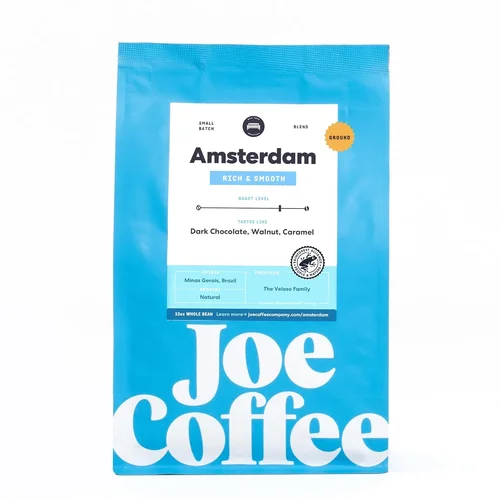
New York City is a city that never sleeps—and neither does its caffeine culture. From the bustling sidewalks of Midtown to the quiet corners of Brooklyn’s residential blocks, coffee is more than just a drink here; it’s a ritual, a lifeline, and often, a daily necessity. But with rent prices soaring and the cost of living climbing higher than the Empire State Building, not everyone can afford to drop $6 on a single pour-over every morning. That’s where the hunt for the best cheap coffee in NYC comes in—a quest that blends practicality with passion, frugality with flavor.
This guide is for the budget-savvy New Yorker who refuses to sacrifice quality for cost. Whether you’re a college student fueling late-night study sessions, a freelancer working from a tiny apartment, or a commuter grabbing a quick cup before the subway, you deserve great coffee without breaking the bank. In this comprehensive buying guide, we’ll walk you through everything you need to know to find affordable, delicious coffee across the five boroughs. You’ll learn how to evaluate value beyond the price tag, understand what makes a coffee shop or brand truly “cheap” in the NYC context, and discover hidden gems that deliver exceptional taste at wallet-friendly prices.
The market for affordable coffee in New York is surprisingly robust. While premium third-wave roasters dominate headlines, there’s a thriving ecosystem of no-frills bodegas, community cafes, and local roasters offering high-quality beans and brews for under $3. The challenge isn’t finding cheap coffee—it’s finding good cheap coffee. That’s the difference between a bitter, burnt cup from a corner deli and a smooth, aromatic espresso from a neighborhood spot that treats its beans with care. This guide cuts through the noise, helping you identify the real winners in the low-cost coffee scene. By the end, you’ll be equipped with the knowledge to make informed decisions, avoid common pitfalls, and enjoy your daily caffeine fix without guilt or financial strain.

What to Look for When Buying Buying Guide
1. Budget & Price Range
When searching for the best cheap coffee in NYC, your budget is the foundation of your decision. But “cheap” doesn’t have to mean “low quality.” In New York, a truly affordable coffee typically falls between $2.00 and $3.50 for a standard 12-ounce cup. Anything below $2.00 might raise red flags about bean sourcing or freshness, while prices above $4.00 start edging into premium territory—even if the shop looks unassuming.
To maximize value, consider your weekly coffee consumption. If you drink three cups a day, spending $3 per cup adds up to $63 per week—over $3,000 a year. But at $2.50 per cup, that drops to $52.50 weekly, saving you nearly $550 annually. Small differences in price compound quickly in a city where convenience often comes at a premium.
Look for shops that offer loyalty programs, bulk discounts, or reusable cup incentives. Many NYC cafes now give $0.25 off for bringing your own tumbler, which can shave dollars off your monthly spending. Also, pay attention to portion sizes. A $2.75 “large” coffee might actually be smaller than a $3.25 “medium” at another spot. Always compare ounces to price, not just the sticker cost.
2. Bean Quality & Freshness
You can’t judge a coffee by its price tag alone—bean quality is where true value lies. Freshly roasted, ethically sourced beans make a world of difference in flavor, even in a simple drip coffee. In NYC, many budget-friendly spots partner with local roasters who prioritize quality over mass production.
Look for signs that a shop cares about its beans: whole beans available for purchase, roast dates clearly labeled, and staff who can describe the origin or flavor profile. A shop that grinds beans to order is a strong indicator of freshness. Avoid places that use pre-ground coffee or keep beans in open bins for days—oxidation kills flavor fast.
Even at low prices, you can find single-origin beans from regions like Ethiopia, Colombia, or Guatemala. These often offer brighter, more complex notes than blended commercial brands. Don’t be afraid to ask questions. A barista who knows their stuff is a sign of a shop that values quality, even on a budget.
3. Brew Method & Consistency
The way coffee is brewed directly impacts taste and value. Inexpensive shops often rely on automatic drip machines, which can be inconsistent if not maintained properly. Look for clean equipment, regular water changes, and calibrated grinders. A poorly maintained machine can turn even great beans into bitter, over-extracted sludge.
Pour-over and French press methods are common in budget cafes that prioritize flavor. These methods allow for better control over extraction, resulting in a cleaner, more nuanced cup. Espresso-based drinks like lattes and cappuccinos are trickier—cheap machines with weak pressure or inconsistent temperatures can ruin the experience. If you’re ordering a milk drink, check if the shop steams milk properly (not just microwaves it) and uses fresh, cold milk.
Consistency matters too. A shop that delivers the same great cup day after day is more valuable than one with occasional brilliance. Visit at different times and days to test reliability. If the coffee tastes different every time, it’s a sign of inconsistent brewing practices.
4. Location & Convenience
In a city built on speed and efficiency, convenience is a form of value. A $2.50 coffee is less appealing if it’s a 20-minute walk from your office or requires a detour on your commute. Proximity saves time, reduces stress, and increases the likelihood you’ll return.
Look for shops near subway stations, bus stops, or major pedestrian corridors. Bodegas and corner stores often serve surprisingly good coffee at unbeatable prices—some even roast their own beans. Chain outlets like Dunkin’ or Starbucks offer consistency and speed, but independent spots usually provide better quality for similar prices.
Consider foot traffic. Shops in high-traffic areas may prioritize volume over quality, leading to rushed service and stale beans. Quieter neighborhoods often have hidden gems where baristas take pride in their craft. Balance convenience with quality by mapping out a few reliable options within a 10-minute radius of your home or workplace.
5. Atmosphere & Experience
While not directly tied to taste, the overall experience affects perceived value. A cramped, noisy shop with no seating might be fine for a quick grab-and-go, but if you plan to stay and work, comfort becomes important. Look for places with reliable Wi-Fi, ample outlets, and a welcoming vibe.
Some budget cafes double as community hubs—hosting open mics, art shows, or study groups. These spaces often foster loyalty and repeat business, which can translate into better service and perks for regulars. Even a simple bench or standing counter can make a difference if you’re waiting for a train or taking a short break.
Avoid places with aggressive upselling or pushy staff. A good cheap coffee spot should feel inclusive, not transactional. The best ones treat every customer like a neighbor, not just a sale.
6. Sustainability & Ethics
More New Yorkers are prioritizing sustainability, even on a budget. Shops that use compostable cups, recycle grounds, or source beans from fair-trade farms often reflect a deeper commitment to quality and community. These practices may not lower the price, but they add long-term value by supporting ethical business models.
Look for certifications like Fair Trade, Rainforest Alliance, or Direct Trade on packaging or menus. Some shops even publish their sourcing stories online. Supporting these businesses helps sustain a more equitable coffee industry, which benefits everyone—from farmers in Colombia to baristas in Queens.
Even small actions matter. Shops that encourage reusable cups or offer discounts for bringing your own container reduce waste and show environmental awareness. In a city drowning in single-use plastics, these choices make a difference.
7. Customer Reviews & Reputation
In the age of digital reviews, reputation is a powerful indicator of quality. Check Google, Yelp, and Instagram for honest feedback from real customers. Look beyond star ratings—read the comments. Are people praising the flavor, the price, the service? Or complaining about slow lines, rude staff, or stale beans?
Pay attention to patterns. If multiple reviews mention the same issue—like under-extracted espresso or watery drip coffee—it’s likely a real problem. Conversely, consistent praise for a particular drink or barista is a strong endorsement.
Local forums like Reddit’s r/nyc or neighborhood Facebook groups can also provide insider tips. New Yorkers love to share their favorite spots, and these communities often highlight underrated gems before they go viral.
8. Menu Variety & Customization
A limited menu isn’t necessarily a bad thing—sometimes simplicity leads to focus and quality. But if you enjoy variety, look for shops that offer multiple brew methods, milk alternatives, or seasonal specials. Even on a budget, you should have options.
Many affordable cafes now offer oat, almond, or soy milk for little to no extra charge. This inclusivity reflects a modern approach to coffee that values customer preference. Customization—like adjusting sweetness, strength, or temperature—also shows attention to detail.
Avoid shops with overly complicated menus full of sugary syrups and artificial flavors. These often mask poor-quality beans. The best cheap coffee lets the natural flavor of the beans shine, with minimal additives.
Different Types of Buying Guide

Common Buying Mistakes to Avoid
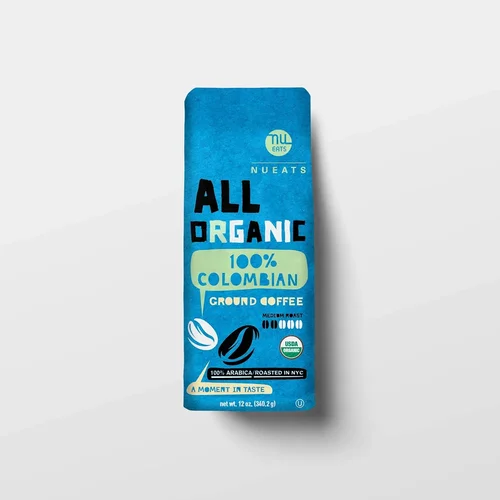
❌ Mistake: Choosing Based on Price Alone
Why it’s bad: The cheapest coffee isn’t always the best value. A $1.50 cup from a gas station might save you money upfront but could leave you with a bitter, burnt taste that ruins your morning. Over time, the dissatisfaction may lead you to spend more on higher-quality alternatives anyway.
What to do instead: Evaluate cost per ounce and consider the overall experience. A $2.75 coffee that tastes great and is served with a smile offers better long-term value than a $1.75 cup that’s undrinkable.
❌ Mistake: Ignoring Brew Method
Why it’s bad: Different brew methods extract flavors differently. Assuming all drip coffee is the same can lead to disappointment. A poorly maintained machine or incorrect grind size can ruin even the best beans.
What to do instead: Ask how the coffee is brewed. If it’s pour-over or French press, that’s a good sign. Avoid places that use outdated or dirty equipment. Observe the process—cleanliness and attention to detail matter.
❌ Mistake: Overlooking Loyalty Programs
Why it’s bad: Many budget cafes offer punch cards or digital rewards that give you a free drink after 9 or 10 purchases. Ignoring these means leaving money on the table.
What to do instead: Always ask if there’s a loyalty program. Some shops even offer app-based rewards with bonus points for referrals or social media check-ins.
❌ Mistake: Assuming Chains Are Always Better
Why it’s bad: While chains offer consistency, they often use lower-quality beans and automated systems that lack nuance. Independent shops can offer better flavor and personalized service at similar prices.
What to do instead: Give local spots a fair shot. Try a new neighborhood cafe once a week. You might discover a hidden gem that becomes your new favorite.
❌ Mistake: Not Testing Multiple Times
Why it’s bad: One bad experience doesn’t define a shop. Staff changes, machine issues, or busy rushes can affect quality on any given day.
What to do instead: Visit a new spot at least three times before deciding. Try different drinks and times of day. Consistency is key to true value.
❌ Mistake: Disregarding Sustainability
Why it’s bad: Supporting shops that use excessive plastic or unethical sourcing harms the environment and the coffee industry long-term. It also reflects poorly on the shop’s overall standards.
What to do instead: Choose places that prioritize eco-friendly practices. Bring your own cup, ask about sourcing, and support businesses that align with your values.
❌ Mistake: Relying Solely on Online Reviews
Why it’s bad: Reviews can be biased, outdated, or fake. A 5-star rating doesn’t guarantee quality, and a 3-star might overlook a great hidden feature.
What to do instead: Use reviews as a starting point, but always visit in person. Trust your own taste and judgment. Your palate knows best.
Budget Guidelines: How Much Should You Spend?
– Entry-Level ($1.50 – $2.50): What to expect… This tier includes bodegas, corner stores, and basic chain outlets. Coffee is often brewed in large batches and may sit for hours. Quality varies widely—some spots serve surprisingly smooth drip, while others offer bitter, over-extracted cups. Best for quick commutes or when convenience outweighs taste. Look for shops that grind beans fresh or use reputable brands like Chock Full o’Nuts or Café Bustelo.
– Mid-Range ($2.50 – $3.50): Sweet spot for most buyers… This is where you’ll find the best balance of quality and affordability. Independent cafes, local roasters, and some chain locations fall here. Beans are typically fresher, brew methods more controlled, and staff more knowledgeable. You can expect a clean, flavorful cup with notes of chocolate, fruit, or nuts depending on the origin. Many shops in this range also offer milk alternatives and loyalty programs.
– Premium ($3.50 – $4.50): For enthusiasts and professionals… At this level, you’re paying for expertise, rare beans, and artisanal methods. Shops may offer single-origin pour-overs, cold brew on tap, or house-made syrups. While still affordable compared to high-end third-wave cafes, these spots cater to discerning drinkers who appreciate nuance. Ideal for weekend treats or when you want to savor your coffee slowly.
– Luxury ($4.50+): Top-tier features… Though not “cheap,” some budget-conscious buyers occasionally splurge here for special occasions. These cafes often feature award-winning baristas, experimental brews, or exclusive collaborations. While not part of a daily routine, they’re worth visiting to understand the upper limit of what NYC coffee can offer.
Expert Tips for Getting the Best Deal
– Buy in bulk when possible: Some shops sell whole beans at a discount if you buy 12 ounces or more. Grind at home for maximum freshness and save money over time.
– Visit during off-peak hours: Early mornings and lunch rushes mean faster service but lower quality control. Mid-afternoon visits often yield more attentive baristas and better-pulled shots.
– Follow local roasters on social media: Many announce flash sales, pop-ups, or discount days on Instagram or Twitter. You might catch a $2 pour-over special or free pastry with purchase.
– Use cash for small purchases: Some bodegas and carts offer slight discounts for cash payments to avoid credit card fees. It’s rare, but worth asking.
– Join neighborhood email lists: Community boards and local business associations often share exclusive deals. A weekly newsletter might alert you to a “$1 coffee Tuesday” at a nearby cafe.
– Test before committing: Order a small size first. If it’s great, come back for a larger cup. If not, you’ve only lost $2 instead of $4.
– Ask about student or senior discounts: Some shops offer 10-15% off with valid ID. It never hurts to ask.
– Rotate your spots: Don’t rely on one place. Having 2-3 reliable options prevents burnout and keeps your taste buds engaged.

Frequently Asked Questions
Q: Is it possible to find good coffee for under $2 in NYC?
A: Yes, but with caveats. Bodegas and corner stores often serve coffee under $2, and some use decent beans. However, quality varies. Look for shops that grind beans fresh or use reputable brands. Avoid anything that tastes burnt or overly bitter—it’s not worth the savings.
Q: Are chain coffees like Dunkin’ or Starbucks really cheaper than independents?
A: Not always. While chains offer consistency and app-based deals, many independent cafes now match or beat their prices. Plus, independents often use better beans and offer more personalized service. Compare ounce-to-price ratios and loyalty programs.
Q: How can I tell if a coffee shop uses fresh beans?
A: Ask when the beans were roasted. Fresh beans should be used within 2-4 weeks of roasting. Look for roast dates on packaging or menus. Shops that sell whole beans or grind to order are more likely to prioritize freshness.
Q: What’s the best time of day to buy cheap coffee?
A: Mid-morning (10-11 AM) or early afternoon (1-3 PM) are ideal. Shops have settled into their rhythm, machines are warmed up, and staff are less rushed. Avoid peak hours (7-9 AM, 12-1 PM) if you want the best quality.
Q: Can I get oat milk for free at budget cafes?
A: Many now do! As demand grows, shops are absorbing the cost of alternative milks to stay competitive. Always ask—some charge $0.50, but others include it in the price.
Q: Are there any free coffee options in NYC?
A: Occasionally. Some offices, libraries, or community centers offer free coffee. Certain events or promotions (like National Coffee Day) may include free samples. But truly free, high-quality coffee is rare—most “free” offers are low-grade or require purchase.
Q: How do I support local coffee shops without spending more?
A: Buy a bag of beans, leave a positive review, or recommend the shop to friends. Small actions help sustain independent businesses. Even tipping $0.50 shows appreciation and encourages good service.
Q: Is cold brew more expensive because it’s trendy?
A: Not necessarily. Cold brew takes longer to make, but many budget shops price it competitively. Look for shops that brew it in-house—it’s often cheaper than bottled versions and tastes fresher.
Q: Should I avoid coffee shops near tourist areas?
A: Not always, but be cautious. Tourist-heavy spots may prioritize volume over quality. However, some maintain high standards to build reputation. Check reviews and observe the crowd—locals are a good sign.
Q: Can I make great coffee at home to save money?
A: Absolutely. Investing in a $20 French press or $30 drip machine can save hundreds annually. Buy whole beans from local roasters, grind fresh, and experiment with ratios. Homemade coffee is often cheaper and tastier than even the best cheap shop brew.
Our Final Recommendations
– Best for Budget-Conscious Buyers: Café Grumpy (Multiple Locations) – Offers high-quality drip coffee for $2.75 with a focus on sustainability and local sourcing. Their beans are roasted in-house, and they reward reusable cups.
– Best Overall Value: Bluestone Lane (Various Locations) – While slightly pricier, their $3.25 flat white uses ethically sourced beans and expertly steamed milk. Frequent promotions and a clean, modern vibe make it worth the occasional splurge.
– Best Premium Option: Sey Coffee (Bushwick) – A bit above budget at $4.00, but their single-origin pour-overs are exceptional. Ideal for weekend visits when you want to treat yourself without going overboard.
– Best for Beginners: Dunkin’ (Citywide) – Reliable, fast, and affordable. Their $2.50 medium coffee is consistent, and the app offers regular discounts. Great for those new to NYC or on a tight schedule.
– Best for Advanced Users: Devoción (Williamsburg & Flatiron) – Freshly imported beans from Colombia, brewed with precision. At $3.75, it’s a steal for the quality. Perfect for coffee lovers who appreciate terroir and craftsmanship.
Conclusion: Making the Right Choice
Finding the best cheap coffee in NYC isn’t about settling—it’s about being smart, informed, and intentional. With thousands of options across the five boroughs, the city offers something for every palate and budget. The key is to look beyond the price tag and evaluate the full picture: bean quality, brew method, convenience, and community impact.
Remember, the cheapest cup isn’t always the best value, and the most expensive isn’t always the best tasting. By prioritizing freshness, consistency, and ethical practices, you can enjoy delicious coffee without overspending. Use the tips, comparisons, and recommendations in this guide to navigate the NYC coffee scene with confidence.
Start small. Try a new spot each week. Ask questions. Bring your own cup. Support local. Over time, you’ll build a personal map of affordable, high-quality coffee that fits your lifestyle and taste. And who knows? You might just discover your new favorite morning ritual—one affordable, aromatic cup at a time.