
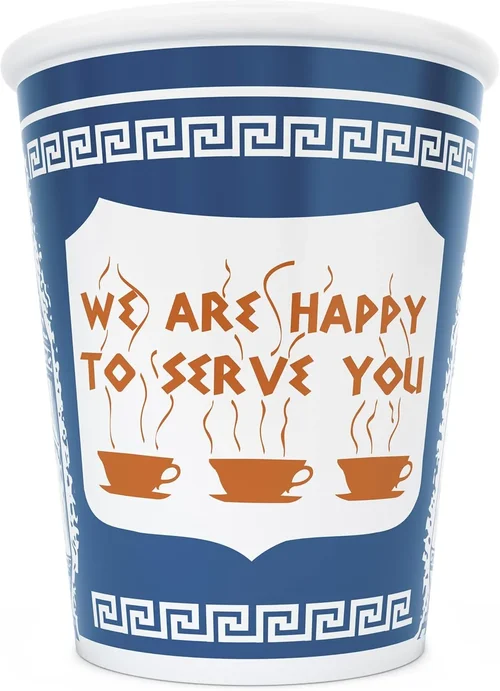
New York City is a global epicenter of culture, innovation, and culinary excellence—and when it comes to coffee and tea, the city doesn’t just meet expectations—it redefines them. From the bustling sidewalks of Manhattan to the quiet corners of Brooklyn and Queens, NYC’s coffee and tea scene is as diverse and dynamic as its population. Whether you’re a lifelong resident, a frequent visitor, or someone moving into the city for the first time, finding the right coffee or tea shop—or even the right gear to brew at home—can feel overwhelming. With hundreds of cafes, roasteries, specialty tea houses, and online retailers operating across the five boroughs, the choices are endless. That’s why this guide exists: to cut through the noise, help you understand what truly matters, and empower you to make informed decisions that align with your tastes, lifestyle, and budget.
In this comprehensive buying guide, you’ll learn how to navigate the vibrant world of coffee and tea in NYC like a seasoned connoisseur. We’ll walk you through the key factors that separate a mediocre cup from an extraordinary one—whether you’re sipping espresso at a hidden Williamsburg gem or steeping loose-leaf oolong in your Upper West Side apartment. You’ll discover how to evaluate quality, understand pricing tiers, avoid common pitfalls, and identify the best shops, beans, leaves, and brewing equipment tailored to your needs. From budget-friendly options to premium experiences, we’ve got you covered. By the end, you’ll have a clear roadmap to enjoying the best coffee and tea NYC has to offer—whether you’re buying for daily enjoyment, gifting, or building your own at-home café.
The market for coffee and tea in New York City is both competitive and deeply personal. It’s not just about caffeine—it’s about ritual, community, craftsmanship, and discovery. Independent roasters source beans directly from farmers in Ethiopia, Colombia, and Guatemala. Tea purveyors import rare pu-erh from Yunnan and delicate white teas from Fujian. Artisanal cafes serve pour-overs with precision, while neighborhood bodegas offer strong, sweetened brews that have fueled generations of New Yorkers. At the same time, national chains and global brands maintain a strong presence, offering consistency and convenience. This duality—between tradition and innovation, local and global, fast and slow—makes NYC’s coffee and tea landscape uniquely rich. Whether you’re a minimalist who prefers a simple black coffee or a tea enthusiast exploring complex flavor profiles, there’s a place for you here. This guide will help you find it.

What to Look for When Buying Buying Guide
1. Quality of Beans and Leaves
The foundation of any great coffee or tea experience starts with the raw material. For coffee, look for freshly roasted beans with a roast date clearly marked on the packaging—ideally within the past two weeks. Avoid bags that only list a “best by” date, as this can be misleading. Specialty coffee roasters in NYC, such as Sey Coffee in Bushwick or Birch Coffee in Midtown, often roast in small batches to preserve flavor and aroma. Arabica beans are generally preferred for their nuanced flavors, while Robusta is stronger and more bitter—often used in espresso blends for crema. For tea, freshness matters just as much. Loose-leaf tea is almost always superior to bagged tea because the leaves have room to expand and release their full flavor. Look for whole or large-cut leaves, vibrant color, and a fragrant aroma. Avoid tea that smells stale or overly floral (which may indicate artificial flavoring). Reputable NYC tea shops like Tea Drunk in the East Village or Floating Mountain in Brooklyn source directly from small farms and often provide harvest dates and region details.
2. Roast Level and Flavor Profile
Coffee roast levels—light, medium, medium-dark, and dark—affect not only color and caffeine content but also flavor. Light roasts retain more of the bean’s origin characteristics, offering floral, fruity, or acidic notes. Medium roasts balance acidity and body, making them versatile for various brewing methods. Dark roasts are bold, smoky, and often used in espresso. Your preference depends on taste: if you enjoy bright, complex flavors, go light. If you prefer a rich, robust cup, choose darker. Many NYC roasters offer tasting notes on their packaging—like “notes of cherry and dark chocolate” or “hints of bergamot and honey”—which can guide your choice. For tea, flavor profiles vary widely by type: green teas are grassy and vegetal, black teas are malty and bold, oolongs are floral and fruity, and white teas are delicate and sweet. Understanding these profiles helps you match tea to your mood—energizing black tea in the morning, calming chamomile at night.
3. Brewing Method Compatibility
Not all coffee and tea are meant to be brewed the same way. The method you use—French press, pour-over, espresso machine, AeroPress, cold brew, or traditional teapot—can dramatically impact the final cup. For example, coarse-ground coffee is ideal for French press, while fine grind is necessary for espresso. If you’re buying whole beans, ensure the shop grinds them to your specification or invest in a quality burr grinder for home use. Similarly, different teas require different water temperatures and steeping times. Green tea should be brewed at 160–180°F for 1–3 minutes to avoid bitterness, while black tea can handle boiling water and longer steeps. Some NYC cafes, like Devoción in Williamsburg, offer brewing classes or guides to help customers master techniques at home. Matching your purchase to your preferred brewing method ensures you get the best possible flavor.
4. Source and Sustainability
Ethical sourcing is increasingly important to NYC consumers. Look for coffee and tea that is certified fair trade, organic, or direct trade. Direct trade means the roaster or tea company builds relationships with farmers, often paying above-market prices and ensuring sustainable practices. Many local roasters, such as Joe Coffee and Sweetleaf, highlight their sourcing stories on their websites and in-store displays. For tea, certifications like USDA Organic or Rainforest Alliance indicate environmentally responsible farming. Additionally, consider packaging: compostable bags, reusable tins, and minimal plastic reduce environmental impact. Supporting businesses that prioritize sustainability not only benefits the planet but often correlates with higher quality, as ethical producers tend to invest more in their crops.
5. Freshness and Shelf Life
Freshness is non-negotiable. Coffee begins to lose flavor within days of roasting due to oxidation and moisture exposure. Buy whole beans and grind only what you need. Store them in an airtight container away from light, heat, and air—never in the fridge or freezer, as condensation can ruin the beans. For tea, freshness is equally critical. Loose-leaf tea should be consumed within 6–12 months of purchase, while tea bags may last longer but often sacrifice quality. Check for vacuum-sealed packaging or nitrogen-flushed bags, which help preserve aroma. Many NYC tea shops offer small sample sizes so you can try before committing to a larger quantity. This is especially useful for rare or expensive teas like aged pu-erh or gyokuro.
6. Price and Value
Price doesn’t always equal quality, but it often reflects it. In NYC, a $5 pour-over from a specialty shop is typically better than a $2 drip coffee from a chain, but that doesn’t mean you need to spend $20 on a bag of beans to enjoy great coffee. Mid-range options ($15–$25 per 12 oz for coffee, $10–$30 per ounce for tea) often offer the best balance of quality and affordability. Consider cost per use: a $30 bag of coffee that lasts two weeks may be more economical than daily $4 café visits. Also, factor in equipment costs—a $100 grinder or $50 kettle can elevate your home brewing significantly. Look for value in bundles, subscriptions, or loyalty programs offered by local shops.
7. Brand Reputation and Local Support
Supporting local businesses is a point of pride in NYC. Independent roasters and tea shops often have passionate owners who are deeply knowledgeable about their products. Brands like Café Grumpy, known for their meticulous sourcing and community involvement, or Tea Trekker, a woman-owned business in Brooklyn, have loyal followings for good reason. Check online reviews, social media presence, and awards (like those from the Specialty Coffee Association) to gauge reputation. Local shops also tend to offer fresher products since they don’t need long supply chains. Plus, buying local keeps money in the community and supports small-scale producers.
8. Accessibility and Convenience
Even the best coffee or tea isn’t worth it if it’s hard to get. Consider location, hours, and online ordering options. Some shops, like Stumptown in the West Village, offer nationwide shipping, while others, like La Cabra in the Lower East Side, focus on in-person experiences. If you’re a daily drinker, proximity matters—having a great café within walking distance can make all the difference. For tea, online retailers like Harney & Sons (based in Connecticut but popular in NYC) or NYC-based Tea Drunk offer curated selections with fast delivery. Subscription services, such as those from Trade Coffee or Bean & Bean, deliver freshly roasted beans monthly, ensuring you never run out.
Different Types of Buying Guide

Common Buying Mistakes to Avoid
❌ Mistake: Buying Pre-Ground Coffee
Why it’s bad: Pre-ground coffee loses flavor rapidly due to increased surface area exposed to air. Even if it’s labeled “fresh,” it’s likely weeks old and stale by the time you brew it.
What to do instead: Always buy whole beans and grind them just before brewing. Invest in a burr grinder ($50–$150) for consistent particle size, which ensures even extraction and better taste.
❌ Mistake: Ignoring Roast Dates
Why it’s bad: Coffee peaks in flavor 7–14 days after roasting. Without a roast date, you have no idea how old the beans are—some supermarket brands can be months old.
What to do instead: Only buy coffee with a clear roast date. If it’s not listed, ask the staff or look for another brand. Specialty shops almost always include this information.
❌ Mistake: Overlooking Water Quality
Why it’s bad: Even the best beans can’t overcome bad water. NYC tap water is generally safe but can have chlorine or mineral content that affects taste.
What to do instead: Use filtered water for brewing. A simple Brita pitcher or under-sink filter can make a noticeable difference in clarity and flavor.
❌ Mistake: Choosing Tea Based on Packaging
Why it’s bad: Fancy boxes and colorful labels don’t guarantee quality. Some brands use artificial flavors or low-grade tea dust.
What to do instead: Focus on ingredient lists, origin information, and reviews. Loose-leaf tea from reputable sources is almost always superior to bagged tea.
❌ Mistake: Buying Too Much at Once
Why it’s bad: Coffee and tea degrade over time. Buying in bulk may seem economical, but you’ll end up wasting stale product.
What to do instead: Purchase only what you’ll use in 1–2 weeks. Many shops offer smaller sizes or sample packs to help you test before committing.
❌ Mistake: Skipping the Tasting
Why it’s bad: Flavor is subjective. What one person loves, another may hate. Buying without tasting risks disappointment.
What to do instead: Visit shops that offer tastings or ask for samples. Many NYC roasters and tea houses encourage customers to try before they buy.
❌ Mistake: Neglecting Equipment Maintenance
Why it’s bad: Dirty grinders, old filters, or mineral buildup in kettles can ruin even the best beans or leaves.
What to do instead: Clean your equipment regularly. Rinse the grinder weekly, descale your kettle monthly, and replace paper filters as needed.
Budget Guidelines: How Much Should You Spend?
Why it’s bad: Fancy boxes and colorful labels don’t guarantee quality. Some brands use artificial flavors or low-grade tea dust.
What to do instead: Focus on ingredient lists, origin information, and reviews. Loose-leaf tea from reputable sources is almost always superior to bagged tea.
❌ Mistake: Buying Too Much at Once
Why it’s bad: Coffee and tea degrade over time. Buying in bulk may seem economical, but you’ll end up wasting stale product.
What to do instead: Purchase only what you’ll use in 1–2 weeks. Many shops offer smaller sizes or sample packs to help you test before committing.
❌ Mistake: Skipping the Tasting
Why it’s bad: Flavor is subjective. What one person loves, another may hate. Buying without tasting risks disappointment.
What to do instead: Visit shops that offer tastings or ask for samples. Many NYC roasters and tea houses encourage customers to try before they buy.
❌ Mistake: Neglecting Equipment Maintenance
Why it’s bad: Dirty grinders, old filters, or mineral buildup in kettles can ruin even the best beans or leaves.
What to do instead: Clean your equipment regularly. Rinse the grinder weekly, descale your kettle monthly, and replace paper filters as needed.
Budget Guidelines: How Much Should You Spend?
Why it’s bad: Flavor is subjective. What one person loves, another may hate. Buying without tasting risks disappointment.
What to do instead: Visit shops that offer tastings or ask for samples. Many NYC roasters and tea houses encourage customers to try before they buy.
❌ Mistake: Neglecting Equipment Maintenance
Why it’s bad: Dirty grinders, old filters, or mineral buildup in kettles can ruin even the best beans or leaves.
What to do instead: Clean your equipment regularly. Rinse the grinder weekly, descale your kettle monthly, and replace paper filters as needed.
Budget Guidelines: How Much Should You Spend?
– Entry-Level ($1–$5 per drink or $5–$15 per product): This tier includes bodega coffee, supermarket tea bags, and basic drip coffee. Expect convenience and consistency but limited flavor complexity. Ideal for occasional drinkers or those on a tight budget. You’ll find strong, sweetened brews at corner stores or affordable options at chains like Dunkin’.
– Mid-Range ($4–$7 per drink or $15–$30 per product): This is the sweet spot for most NYC residents. Specialty coffee shops, independent tea houses, and mid-tier roasters offer high-quality products with transparent sourcing and fresh preparation. You’ll enjoy nuanced flavors, expert brewing, and a more personalized experience. Brands like Birch Coffee, Tea Drunk, and Joe Coffee fall into this category.
– Premium ($7–$12 per drink or $30–$60 per product): For enthusiasts and professionals, this tier includes single-origin coffees, rare teas, and artisanal blends. Expect small-batch roasting, direct trade relationships, and detailed flavor profiles. Shops like Sey Coffee, Devoción, and Floating Mountain offer these premium experiences, often with educational components.
– Luxury ($12+ per drink or $60+ per product): This is the top tier—reserved for rare finds like geisha coffee from Panama, aged pu-erh tea, or ceremonial-grade matcha. These products often come with stories, certifications, and limited availability. While not practical for daily use, they’re perfect for special occasions or deepening your appreciation of the craft.
Expert Tips for Getting the Best Deal
– Buy during seasonal sales: Many roasters and tea shops offer discounts in January (post-holiday) or July (summer lull). Sign up for newsletters to get early access.
– Join loyalty programs: Shops like Joe Coffee and Sweetleaf offer punch cards or digital rewards. After 9 drinks, you often get the 10th free.
– Try subscription services: Trade Coffee and Bean & Bean deliver curated beans monthly. You can pause or cancel anytime, and they often include tasting notes and brewing tips.
– Visit during off-peak hours: Some cafes offer discounts in the mid-afternoon when business slows down. It’s also a great time to chat with baristas about their favorites.
– Buy in bulk with friends: Splitting a larger bag of coffee or tea with a friend reduces cost per ounce and ensures freshness.
– Check return policies: If you buy online, ensure the retailer accepts returns for unopened products. This is especially important for tea, where taste is subjective.
– Test before you commit: Many shops offer small samples or half-pours. Use this to explore new flavors without overspending.
– Invest in reusable gear: A $20 French press or $30 gooseneck kettle pays for itself over time and improves your at-home experience.
Frequently Asked Questions
Q: What’s the difference between espresso and regular coffee?
A: Espresso is a concentrated coffee brewed under high pressure, resulting in a thick, rich shot with a layer of crema. Regular coffee is brewed with hot water passing through grounds, producing a lighter, larger volume. Espresso forms the base for drinks like lattes and cappuccinos.
Q: How long does coffee stay fresh?
A: Whole bean coffee is best consumed within 2–4 weeks of roasting. Ground coffee should be used within 1–2 weeks. Store in an airtight container away from light, heat, and moisture.
Q: Is loose-leaf tea really better than tea bags?
A: Generally, yes. Loose-leaf tea uses whole or large-cut leaves, allowing full flavor development. Tea bags often contain broken leaves or dust, which can taste bitter and lack complexity.
Q: Can I make good coffee at home without expensive equipment?
A: Absolutely. A simple French press, pour-over cone, or AeroPress can produce excellent coffee with minimal investment. Focus on fresh beans, good water, and proper technique.
Q: What’s the best way to store tea?
A: Keep tea in an airtight, opaque container away from light, heat, and strong odors. Avoid the fridge or freezer, as moisture can damage the leaves.
Q: Are NYC coffee shops more expensive than elsewhere?
A: Yes, due to high rent and labor costs. However, many offer exceptional quality and unique experiences that justify the price.
Q: How do I know if a tea is high quality?
A: Look for whole leaves, vibrant color, and a clean, aromatic scent. Avoid teas with artificial fragrances or dull appearance. Reputable shops will provide origin and harvest details.
Q: What’s the best time to visit a specialty coffee shop?
A: Weekday mornings (7–9 AM) are busy, but you’ll get the freshest brews. Mid-afternoons (2–4 PM) are quieter and often offer a more relaxed experience.
Q: Can I buy coffee or tea as a gift in NYC?
A: Yes! Many shops offer beautifully packaged gift sets, subscription boxes, or custom blends. Include a brewing guide for an extra thoughtful touch.
Q: Is it worth joining a coffee subscription?
A: If you drink coffee regularly, yes. Subscriptions ensure fresh beans, introduce you to new roasts, and often cost less than daily café visits.
Our Final Recommendations
– Best for Budget-Conscious Buyers: Bodega coffee or supermarket brands like Eight O’Clock. Affordable and widely available, perfect for quick caffeine fixes.
– Best Overall Value: Birch Coffee or Joe Coffee. Excellent quality, fair prices, and strong community ties. Great for daily drinking.
– Best Premium Option: Sey Coffee or Devoción. Cutting-edge roasting, direct trade sourcing, and exceptional flavor. Ideal for serious coffee lovers.
– Best for Beginners: Tea Drunk or Floating Mountain. Knowledgeable staff, educational resources, and approachable selections for new tea drinkers.
– Best for Advanced Users: Single-origin pour-overs at La Cabra or rare teas at Tea Trekker. For those ready to explore complex profiles and artisanal techniques.
Conclusion: Making the Right Choice
Navigating the world of coffee and tea in New York City is both a pleasure and a journey of discovery. With so many options—from corner bodegas to world-class roasteries—the key is to focus on what matters most to you: quality, convenience, price, or experience. By understanding factors like freshness, sourcing, brewing methods, and personal taste, you can make choices that enhance your daily routine and deepen your appreciation for these timeless beverages.
Remember, the best cup isn’t always the most expensive—it’s the one that brings you joy, fits your lifestyle, and connects you to the craft behind it. Whether you’re sipping a meticulously brewed pour-over in a sunlit Brooklyn café or steeping a fragrant oolong in your Manhattan apartment, you’re part of a rich tradition that values quality, community, and passion.
So go ahead—explore, taste, ask questions, and support the local businesses that make NYC’s coffee and tea scene so extraordinary. Your perfect cup is out there. All it takes is a little curiosity and the right guide to find it.