
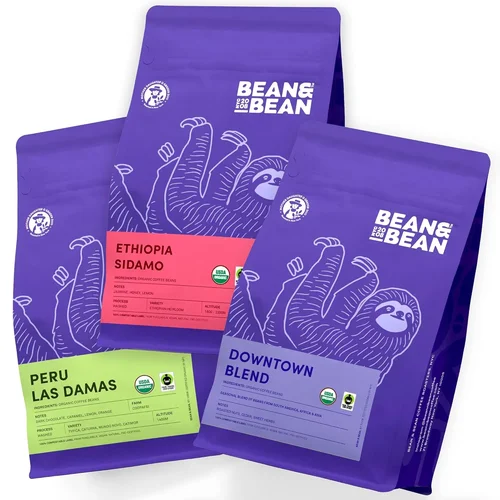
New York City is a coffee lover’s paradise. From corner bodegas serving up strong, no-frills brews to sleek third-wave cafés pulling single-origin espresso shots with surgical precision, the city pulses with caffeine-fueled energy. But behind every great cup lies a crucial ingredient: exceptional coffee beans. Whether you’re brewing at home or seeking the perfect gift for a fellow java enthusiast, finding the right coffee bean store in NYC can make all the difference between a mediocre morning and a transcendent one.
This guide exists because not all coffee shops are created equal—especially when it comes to selling beans. Many cafés focus on drinks, not retail. Others stock beans that were roasted weeks ago and have lost their aromatic magic. And with hundreds of options across Manhattan, Brooklyn, Queens, and beyond, it’s easy to feel overwhelmed. That’s where we come in. In this comprehensive buying guide, you’ll learn exactly what to look for when choosing a coffee bean store in NYC, how to evaluate freshness and quality, how to match your purchase to your brewing style and budget, and which shops consistently deliver top-tier beans. Whether you’re a casual drinker or a dedicated home barista, this guide will help you navigate the city’s vibrant coffee landscape with confidence.
The NYC coffee scene is as diverse as its neighborhoods. You’ll find everything from legacy roasters like Porto Rico Importing Co. (open since 1924) to cutting-edge micro-roasteries like Sey Coffee in Bushwick, known for their light-roasted, fruit-forward African beans. Some stores specialize in rare, small-lot coffees; others prioritize affordability and accessibility. Online retailers have also gained traction, offering doorstep delivery of freshly roasted beans—but nothing beats the sensory experience of visiting a physical shop, smelling the aromas, chatting with knowledgeable staff, and selecting beans by hand. This guide covers both in-person and online options, so you can choose the method that best fits your lifestyle. By the end, you’ll know exactly where to go—and what to ask for—to get the best coffee beans NYC has to offer.

What to Look for When Buying Coffee Beans in NYC
1. Roast Date Freshness
Freshness is the single most important factor when buying coffee beans. Unlike wine, coffee doesn’t improve with age—it peaks within days of roasting and begins to degrade rapidly after two weeks. Always look for a clearly marked roast date on the bag, not just a “best by” date. A reputable NYC coffee bean store will roast in small batches and sell beans within 7–14 days of roasting. Beans older than three weeks may taste flat, papery, or overly bitter due to oxidation and loss of volatile aromatic compounds.
When shopping, ask when the beans were roasted. If the staff can’t tell you or the date is missing, walk away. Some shops even offer same-day roasting—especially in neighborhoods like Williamsburg or the Lower East Side—where beans are roasted on-site and sold within hours. This ensures maximum flavor and aroma. For example, Sey Coffee roasts daily and posts their roast schedule online, so customers know exactly when new batches are ready.
2. Bean Origin & Traceability
Great coffee starts at the farm. The best NYC coffee bean stores prioritize transparency, listing not just the country of origin but often the specific farm, cooperative, or region. Single-origin beans (from one geographic area) allow you to taste terroir—the unique flavors shaped by soil, altitude, and climate. Look for details like “Ethiopia Yirgacheffe, Gedeo Zone, Washed Process” rather than vague labels like “African Blend.”
Traceability also reflects ethical sourcing. Reputable roasters build direct relationships with farmers, pay fair prices, and often share stories about the people behind the beans. Stores like Joe Coffee and Partners Coffee highlight farmer partnerships on their websites and packaging. This level of detail ensures you’re supporting sustainable practices and getting a truly distinctive cup.
3. Roast Style & Flavor Profile
Coffee roasting is an art form, and different styles bring out different flavors. Light roasts preserve the bean’s inherent characteristics—think floral, fruity, or tea-like notes—ideal for pour-over or Chemex brewing. Medium roasts offer a balance of origin flavor and body, great for drip coffee or French press. Dark roasts emphasize bold, smoky, or chocolatey notes, often preferred for espresso.
NYC roasters vary widely in style. Some, like Sey and Variety Coffee Roasters, champion light, experimental roasts that highlight acidity and complexity. Others, like Porto Rico or Café Grumpy, offer more traditional medium and dark profiles. When choosing a store, consider your taste preferences and brewing method. Don’t be afraid to ask for samples or tasting notes—many shops offer cupping sessions or brewed samples to help you decide.
4. Grind Options & Packaging
Whole beans stay fresher longer, but if you don’t have a grinder at home, you’ll need pre-ground options. The best NYC coffee bean stores offer custom grinding based on your brewing method—espresso, French press, AeroPress, etc.—because each requires a specific grind size. Pre-ground coffee loses freshness faster, so only buy what you’ll use within a few days.
Packaging matters too. Look for bags with one-way valves (which let CO₂ escape without letting air in) and resealable zippers. Avoid clear plastic bags—light degrades coffee. Many premium shops use compostable or recyclable packaging, reflecting a commitment to sustainability. For instance, Birch Coffee uses biodegradable bags with detailed brewing guides printed inside.
5. Staff Knowledge & Customer Service
A knowledgeable staff can elevate your coffee experience from transactional to educational. The best NYC coffee bean stores employ passionate, trained baristas who can explain processing methods (washed, natural, honey), recommend beans based on your taste, and suggest brewing techniques. They should be able to describe flavor notes, acidity levels, and body without sounding pretentious.
Visit during off-peak hours (mid-morning or early afternoon) to have more time to chat. Stores like Devoción in Williamsburg and Brooklyn Roasting Company pride themselves on staff expertise. If employees seem disinterested or uninformed, it’s a red flag—this often means the shop prioritizes drinks over bean sales.
6. Price vs. Value
Coffee beans in NYC range from $12 to $30+ per pound. While price doesn’t always equal quality, extremely cheap beans often indicate stale stock, low-grade beans, or unethical sourcing. That said, you don’t need to spend a fortune to get great coffee. Mid-range beans ($16–$22/lb) from reputable roasters often offer the best balance of quality and affordability.
Consider cost per cup: a $20 bag yielding 15–20 cups comes out to about $1–$1.30 per cup—far cheaper than daily café visits. Also, buying in bulk (2+ lbs) often reduces the per-pound cost. Some shops offer subscription discounts or loyalty programs. For example, Joe Coffee gives 10% off for recurring orders.
7. Location & Convenience
Even the best beans aren’t worth it if the store is out of your way. Consider proximity to your home, office, or daily commute. Many NYC roasters have multiple locations—Partners Coffee has shops in Brooklyn, Manhattan, and even DUMBO—making it easy to restock regularly.
Online ordering with local pickup or delivery is another convenient option. Stores like Café Grumpy and Birch Coffee offer same-day delivery via apps like Mercato or their own websites. This is ideal for busy New Yorkers who want fresh beans without the trip.
8. Sustainability & Ethics
More consumers are prioritizing environmental and social responsibility. Look for shops that use eco-friendly packaging, compost coffee grounds, and source beans through fair trade, direct trade, or B Corp-certified practices. Some NYC roasters, like Blue Bottle (before its acquisition) and Devoción, have been pioneers in sustainable sourcing.
Ask about their waste reduction efforts—do they recycle burlap sacks? Do they support farmer education programs? Ethical sourcing often correlates with higher quality, as farmers invested in their communities produce better beans.
Different Types of Coffee Bean Stores in NYC

Common Buying Mistakes to Avoid
❌ Mistake: Ignoring the Roast Date
Why it’s bad: Buying beans without checking the roast date is like buying bread without checking the expiration date. Stale beans lack aroma, flavor, and complexity, resulting in a dull, lifeless cup—even if they’re from a famous origin.
What to do instead: Always ask for the roast date. If it’s not listed, request it. Prioritize shops that roast frequently and label clearly. When in doubt, choose a newer date over an older one, even if the origin sounds appealing.
❌ Mistake: Choosing Based on Packaging Alone
Why it’s bad: Fancy bags with artistic labels can be misleading. Some brands invest heavily in design but cut corners on bean quality or freshness. A beautiful package doesn’t guarantee great coffee.
What to do instead: Focus on substance over style. Look for transparency: roast date, origin details, processing method, and farmer info. Read reviews or ask for recommendations from fellow coffee lovers.
❌ Mistake: Buying Pre-Ground Beans for Long-Term Storage
Why it’s bad: Pre-ground coffee oxidizes quickly, losing flavor within days. Buying a large bag of pre-ground beans means most of it will go stale before you use it.
What to do instead: Buy whole beans and grind just before brewing. If you must buy pre-ground, get only what you’ll use in 3–5 days. Invest in a quality burr grinder ($50–$150) for consistent results.
❌ Mistake: Overlooking Your Brewing Method
Why it’s bad: A light-roasted Ethiopian bean might shine in a V60 pour-over but taste sour and under-extracted in a French press. Matching beans to your brewing method is essential for optimal flavor.
What to do instead: Tell the staff how you brew at home. They can recommend beans with the right body, acidity, and roast level. Many shops offer brewing guides or even free demos.
❌ Mistake: Sticking to One Brand Out of Habit
Why it’s bad: Coffee preferences evolve. Sticking to the same roaster limits your exposure to new flavors, processing methods, and origins. You might miss out on a bean that perfectly suits your taste.
What to do instead: Experiment! Try a new shop or origin every few weeks. Keep a tasting journal to track what you like. Many NYC roasters offer sampler packs or small-batch releases perfect for exploration.
❌ Mistake: Ignoring Local Roasters
Why it’s bad: National chains or online giants may offer convenience, but they often roast in large batches weeks in advance. Local NYC roasters typically offer fresher beans and support the community.
What to do instead: Support neighborhood roasters. They’re more likely to engage with customers, offer samples, and share their passion. Plus, you’re investing in local jobs and sustainability.
❌ Mistake: Not Asking Questions
Why it’s bad: Coffee is complex, and assumptions can lead to disappointment. Not asking about flavor notes, roast level, or brewing tips means you’re flying blind.
What to do instead: Be curious. Ask what’s fresh, what’s popular, what pairs well with your method. Most NYC coffee pros love sharing their knowledge—it’s part of the culture.
Budget Guidelines: How Much Should You Spend?
Your budget will influence where you shop and what you buy, but it doesn’t have to limit your quality. Here’s a realistic breakdown of what to expect at different price points in NYC:
- Entry-Level ($12–$16 per pound): This range includes legacy roasters like Porto Rico Importing Co. and some chain-affiliated shops. Beans are often medium to dark roast, with decent consistency but limited origin variety. Roast dates may be less frequent, so check carefully. Ideal for casual drinkers or those new to home brewing.
- Mid-Range ($16–$22 per pound): This is the sweet spot for most NYC coffee lovers. Shops like Joe Coffee, Birch Coffee, and Café Grumpy offer high-quality, freshly roasted beans with clear origin info and ethical sourcing. You’ll find a good mix of single-origin and blends, with options for different brewing methods. Great value for daily drinking.
- Premium ($22–$30 per pound): Reserved for micro-lot, experimental, or rare beans from top-tier roasters like Sey Coffee, Variety Coffee Roasters, or Devoción. These beans often feature unique processing (natural, anaerobic), high-altitude origins, and meticulous roasting. Expect complex flavors, limited availability, and detailed storytelling. Best for enthusiasts and special occasions.
- Luxury ($30+ per pound): This tier includes auction-winning lots, geisha varietals, or beans from award-winning farms. Shops may offer these as limited releases or through subscription services. While exceptional, they’re not necessary for great daily coffee—more for collectors or those seeking the pinnacle of flavor.
Expert Tips for Getting the Best Deal
- Buy in bulk when possible: Many NYC roasters offer discounts for purchasing 2+ pounds. For example, Partners Coffee gives 10% off orders over $50. This reduces the per-pound cost and ensures you always have fresh beans on hand.
- Subscribe for convenience and savings: Most local roasters offer subscription plans with free delivery and 10–15% off regular prices. You can customize frequency, bean type, and grind. It’s perfect for busy New Yorkers who want consistency without the hassle.
- Shop during off-peak hours: Visit stores mid-week or early afternoon when staff have more time to assist. You’re also more likely to find freshly roasted batches that just came out of the roaster.
- Attend cupping events: Many NYC coffee shops host free or low-cost cupping sessions where you can taste multiple beans side by side. It’s a great way to discover new favorites and learn from experts.
- Check for seasonal sales: Roasters often discount older stock before new harvests arrive (typically in fall/winter). Look for “end-of-season” sales on South American or Central American beans in late summer.
- Compare online and in-store prices: Some shops charge more in-store due to rent costs, while others offer online-exclusive deals. Check both before buying.
- Ask about loyalty programs: Stores like Birch Coffee and Joe Coffee offer punch cards or digital rewards. After a certain number of purchases, you get a free bag or discount.
- Test before committing: If a shop offers samples or brewed coffee, take advantage. Taste the bean in a method similar to how you’ll brew at home.

Frequently Asked Questions
Q: How long do coffee beans stay fresh?
A: Whole bean coffee is best consumed within 2–4 weeks of roasting. After that, it begins to lose aroma and flavor. Store beans in an airtight container away from light, heat, and moisture—never in the fridge or freezer, as condensation damages them.
Q: Should I buy single-origin or blend beans?
A: It depends on your taste. Single-origin beans showcase unique regional flavors—great for exploration. Blends are crafted for balance and consistency, ideal for espresso or daily drinking. Try both to see what you prefer.
Q: Can I freeze coffee beans to extend freshness?
A: Freezing is controversial. While it can slow degradation, repeated thawing causes condensation, which ruins texture and flavor. If you must freeze, divide beans into small, airtight portions and thaw only what you’ll use immediately.
Q: What’s the difference between washed and natural processing?
A: Washed processing removes the fruit before drying, resulting in cleaner, brighter flavors. Natural processing dries the bean inside the fruit, creating fruitier, sweeter, sometimes fermented notes. Both can be excellent—it’s a matter of preference.
Q: How do I choose the right grind size?
A: Grind size depends on your brewing method: coarse for French press, medium for drip, fine for espresso. If buying pre-ground, specify your method. For best results, grind at home with a burr grinder.
Q: Are NYC coffee beans more expensive than elsewhere?
A: Slightly, due to higher operating costs, but competition keeps prices reasonable. You’ll often find better quality and fresher beans than in suburban or rural areas, making the premium worthwhile.
Q: Can I return coffee beans if I don’t like them?
A: Most reputable NYC shops have generous return policies, especially for unopened bags. Ask about their policy before buying. Some offer exchanges or store credit.
Q: What’s the best way to store coffee beans at home?
A: Use an opaque, airtight container at room temperature. Avoid clear jars, plastic bags, or the freezer. Keep away from stoves, windows, or humid areas like under the sink.
Q: How often should I buy new beans?
A: Buy only what you’ll use in 1–2 weeks. This ensures maximum freshness. If you drink 2 cups daily, a 12-oz bag should last about 10–14 days.
Q: Are subscription services worth it?
A: Yes, if you drink coffee regularly. Subscriptions ensure fresh beans arrive on schedule, often with discounts and curated selections. They’re convenient and help you discover new roasters.
Our Final Recommendations
After extensive research and tastings across NYC, here are our top picks based on different needs:
- Best for Budget-Conscious Buyers: Porto Rico Importing Co. (Multiple locations) – Affordable, reliable beans with a long history. Great for everyday brewing without breaking the bank.
- Best Overall Value: Joe Coffee (Multiple locations) – Consistently fresh, ethically sourced beans with excellent staff knowledge. Mid-range pricing and convenient locations make it a standout.
- Best Premium Option: Sey Coffee (Bushwick) – Pioneers of light-roast, experimental coffees. Ideal for enthusiasts seeking complex, fruit-forward flavors and cutting-edge roasting.
- Best for Beginners: Birch Coffee (Multiple locations) – Friendly staff, clear brewing guides, and approachable flavor profiles. Perfect for those new to specialty coffee.
- Best for Advanced Users: Devoción (Williamsburg, Flatiron) – Sources fresh-picked beans directly from Colombian farms and roasts within days of arrival. Unmatched freshness and storytelling.
- Best Online Option: Partners Coffee – Offers same-day delivery in NYC, subscription discounts, and a wide selection of single-origin and blended beans. Great for busy professionals.
Conclusion: Making the Right Choice
Choosing the best coffee bean store in NYC isn’t just about finding the fanciest label or the closest location—it’s about aligning your purchase with your values, taste, and lifestyle. Freshness, transparency, and expertise should be your guiding principles. Whether you’re sipping a pour-over in a sunlit Brooklyn café or brewing espresso at home in a Manhattan apartment, the right beans can transform your daily ritual into something extraordinary.
Don’t be afraid to explore. Try a new roaster every month. Ask questions. Taste widely. And remember: great coffee doesn’t have to be complicated or expensive—it just has to be fresh, well-sourced, and brewed with care. With the insights from this guide, you’re now equipped to navigate NYC’s rich coffee culture like a pro. So go ahead—grab a bag, grind it fresh, and savor every sip. Your perfect cup is out there.