
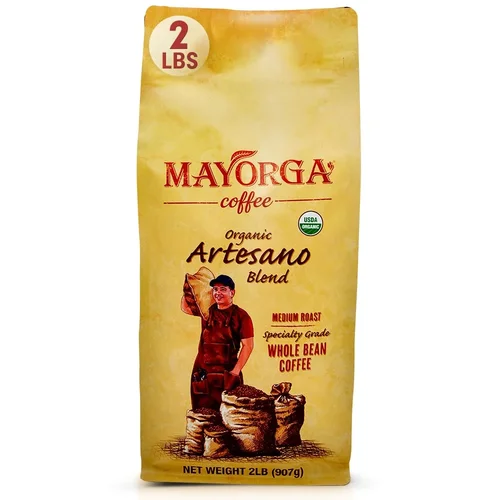
Coffee is more than just a morning ritual in New York City—it’s a culture, a craft, and a daily necessity for millions. From the hurried barista at a corner cart to the meticulous pour-over artist in a Williamsburg café, New Yorkers take their coffee seriously. But with so many options flooding the market—both online and in local shops—it can be overwhelming to know which beans are truly worth your money. Whether you’re brewing at home or supporting local roasters, choosing the right coffee beans can make the difference between a decent cup and an extraordinary one.
This comprehensive buying guide is designed to cut through the noise and help you navigate the vibrant, competitive, and ever-evolving coffee scene in NYC. We’ll walk you through everything you need to know—from understanding roast profiles and sourcing ethics to identifying top-tier roasters and avoiding common pitfalls. By the end of this guide, you’ll be equipped with the knowledge to confidently select beans that match your taste, budget, and values. Whether you’re a casual drinker or a budding coffee connoisseur, this guide will empower you to make informed decisions and elevate your daily brew.
New York City is home to some of the most innovative and passionate coffee roasters in the world. From third-wave pioneers like Stumptown and Blue Bottle to homegrown legends such as Joe Coffee and Sey Coffee, the city offers an unparalleled diversity of high-quality beans. But this abundance also means more choices, more marketing claims, and more room for confusion. With so many variables—origin, roast level, processing method, price point, and freshness—it’s easy to feel lost. This guide demystifies the process, offering expert insights, practical tips, and real-world recommendations tailored specifically to the NYC coffee landscape.

What to Look for When Buying Coffee Beans
1. Roast Date vs. Best By Date
One of the most critical—and often overlooked—factors when buying coffee beans is the roast date. Unlike packaged foods that list a “best by” or “use by” date, coffee should always be purchased with a clear roast date printed on the bag. Coffee is at its peak flavor within 2 to 4 weeks of roasting, and it begins to lose aroma, complexity, and freshness rapidly after that. A “best by” date can be misleading because it doesn’t tell you when the beans were roasted—only when they might start to degrade. In NYC, where many specialty roasters roast in small batches and sell directly to consumers, you’ll often find bags stamped with the exact roast date. Always prioritize this over any expiration date.
For example, if you pick up a bag at a Brooklyn farmers market that was roasted two weeks ago, it’s likely still vibrant and full of flavor. But if that same bag was roasted six weeks ago and only lists a “best by” date three months out, it’s probably past its prime. Freshness directly impacts taste: stale beans produce flat, dull coffee with muted acidity and diminished aroma. Look for roasters who are transparent about their roast dates—this is a hallmark of quality and care.
2. Bean Origin & Single-Origin vs. Blends
Coffee beans come from specific regions, farms, or cooperatives around the world, and each origin imparts unique flavor characteristics. Understanding where your beans come from can help you predict and appreciate their taste profile. Single-origin coffees are sourced from one geographic location—such as Ethiopia, Colombia, or Guatemala—and highlight the distinct terroir of that region. These beans often showcase bright acidity, floral notes, or fruity undertones, depending on the origin. For instance, Ethiopian Yirgacheffe beans are known for their wine-like complexity and berry notes, while Guatemalan beans often offer chocolatey richness with a hint of spice.
Blends, on the other hand, combine beans from multiple origins to create a balanced, consistent flavor. They’re often designed for espresso or drip coffee and can offer a smoother, more approachable cup. In NYC, many roasters craft signature blends—like Joe Coffee’s “The Original” or Birch Coffee’s “The Daily”—that are roasted to highlight harmony across origins. While single-origins are ideal for exploring nuanced flavors, blends are great for everyday drinking and espresso-based drinks.
When choosing between the two, consider your brewing method and taste preferences. If you enjoy experimenting and tasting the subtleties of different regions, go for single-origin. If you prefer reliability and depth in your morning espresso or French press, a well-crafted blend might be better. Many NYC roasters offer both, so don’t hesitate to try a few.
3. Roast Level: Light, Medium, Dark
Roast level dramatically affects the flavor, body, and aroma of your coffee. Light roasts are roasted for a shorter time, preserving the bean’s natural characteristics and origin flavors. They tend to be brighter, more acidic, and complex, with notes of fruit, florals, or citrus. Medium roasts strike a balance, offering a fuller body and caramelized sweetness while still retaining some origin traits. Dark roasts are roasted longer, resulting in bold, smoky flavors, lower acidity, and a heavier mouthfeel—often with notes of dark chocolate, tobacco, or char.
In NYC, the third-wave coffee movement has popularized lighter roasts, especially among specialty cafes and home brewers who use pour-over or AeroPress methods. Roasters like Sey Coffee and Devoción are known for their light-to-medium roasts that highlight the bean’s inherent qualities. However, dark roasts still have their place—especially for espresso lovers and those who enjoy a robust, traditional cup. The key is matching the roast level to your brewing method and personal taste.
For example, a light roast Ethiopian bean might shine in a V60 pour-over, bringing out its jasmine and blueberry notes. The same bean roasted dark could lose those delicate flavors and become overly bitter. Conversely, a dark roast Colombian might be perfect for a rich, creamy espresso but could overwhelm a delicate drip brew. Experiment with different roast levels to discover what you enjoy most.
4. Processing Method: Washed, Natural, Honey
The way coffee cherries are processed after harvesting significantly influences the final flavor of the beans. There are three main processing methods: washed, natural (dry), and honey (pulped natural). Washed processing involves removing the fruit pulp before drying the beans, resulting in clean, bright, and acidic coffee with pronounced origin characteristics. This method is common in Central America and is favored for its clarity and consistency.
Natural processing, where the whole cherry is dried with the fruit intact, produces fruit-forward, fermented, and sometimes wine-like flavors. These beans often have a heavier body and intense sweetness. Ethiopian naturals are famous for their blueberry and tropical fruit notes. Honey processing falls in between—some fruit is left on during drying, creating a balance of sweetness and acidity. It’s popular in Costa Rica and Brazil and can yield complex, syrupy cups.
In NYC, many specialty roasters highlight processing methods on their packaging, especially for single-origin offerings. This transparency allows you to make informed choices based on flavor preference. If you enjoy bright, tea-like coffees, go for washed. If you prefer bold, fruity, or fermented notes, try a natural. Honey-processed beans offer a middle ground with added sweetness and body. Understanding processing helps you decode flavor profiles and appreciate the craftsmanship behind each cup.
5. Grind: Whole Bean vs. Pre-Ground
Freshly ground coffee is essential for optimal flavor. Whole bean coffee retains its oils and aromatic compounds far longer than pre-ground coffee, which begins to oxidize and lose complexity within minutes of grinding. For the best possible cup, always buy whole beans and grind them just before brewing. This is especially important in NYC, where many home brewers use precision methods like pour-over, French press, or espresso machines that rely on fresh grind consistency.
Pre-ground coffee may be convenient, but it sacrifices flavor and aroma. The increased surface area exposed to air accelerates staling, leading to a flat, dull cup. Even high-quality pre-ground beans can’t compete with freshly ground whole beans. If you must buy pre-ground, look for vacuum-sealed packaging and use it within a week. But for true coffee lovers, investing in a good grinder—whether blade or burr—is non-negotiable.
In NYC, many roasters offer grinding services, but it’s still better to grind at home. If you’re brewing multiple times a day, consider a burr grinder for consistent particle size. For occasional use, a manual hand grinder can be a cost-effective and quiet alternative. The extra step of grinding your beans pays off in every sip.
6. Certifications & Ethical Sourcing
As consumers become more conscious of sustainability and fair labor practices, certifications like Fair Trade, Organic, Rainforest Alliance, and Direct Trade have gained importance. These labels indicate that the coffee was grown and processed under certain environmental and social standards. Fair Trade, for example, ensures farmers receive a minimum price and premium for community development. Organic certification means the beans were grown without synthetic pesticides or fertilizers.
In NYC, many roasters prioritize ethical sourcing and build direct relationships with farmers. Companies like Devoción and Onyx Coffee Lab are known for their direct trade models, visiting farms regularly and paying above-market prices for exceptional quality. While certifications can be helpful, they’re not the only measure of ethical sourcing. Some of the best NYC roasters don’t carry certifications but still maintain transparent, equitable partnerships with producers.
When evaluating ethical claims, look beyond the label. Read the roaster’s website, ask questions at the café, or check for farm stories and producer profiles. Transparency is a strong indicator of integrity. Supporting ethical sourcing not only benefits farmers and the environment but often results in higher-quality beans, as roasters are incentivized to work with top-tier producers.
7. Price & Value
Coffee prices in NYC can vary widely—from $12 for a basic blend at a chain to $30+ for a limited-release single-origin from a micro-roaster. While price isn’t always an indicator of quality, it often reflects factors like bean origin, processing, roast freshness, and ethical sourcing. Specialty beans from high-elevation farms or rare varietals command higher prices due to limited supply and labor-intensive production.
That said, you don’t need to spend a fortune to enjoy great coffee. Many mid-range options ($16–$22 per 12 oz) offer excellent value, especially from local roasters who roast in small batches and sell directly. Avoid the trap of equating high price with superiority—some expensive beans may be overhyped or poorly roasted. Conversely, very cheap beans ($10 or less) are often stale, low-grade, or mass-produced, resulting in a subpar cup.
To assess value, consider cost per ounce, roast freshness, and flavor complexity. A $20 bag that’s roasted last week and delivers a vibrant, layered cup is a better value than a $15 bag that’s been sitting on a shelf for months. In NYC, you can find high-quality beans at reasonable prices—especially at farmers markets, roastery cafes, or through subscription services.
8. Packaging & Storage
Proper packaging is crucial for preserving coffee freshness. Look for bags with one-way valves, which allow carbon dioxide to escape without letting oxygen in—this prevents staling. Resealable zippers are also helpful for maintaining freshness after opening. Avoid clear packaging, as light degrades coffee over time. Opaque, foil-lined bags are ideal.
Once you bring beans home, store them in an airtight container in a cool, dark place—never in the fridge or freezer, as moisture and temperature fluctuations can damage the beans. Use them within 2–4 weeks of the roast date for optimal flavor. In NYC, where apartment kitchens can be small and humid, proper storage is especially important.
Many local roasters use high-quality, sustainable packaging—some even offer compostable or recyclable bags. Supporting roasters who prioritize eco-friendly materials aligns with broader environmental values and often reflects a commitment to quality overall.
Different Types of Coffee Beans

Common Buying Mistakes to Avoid
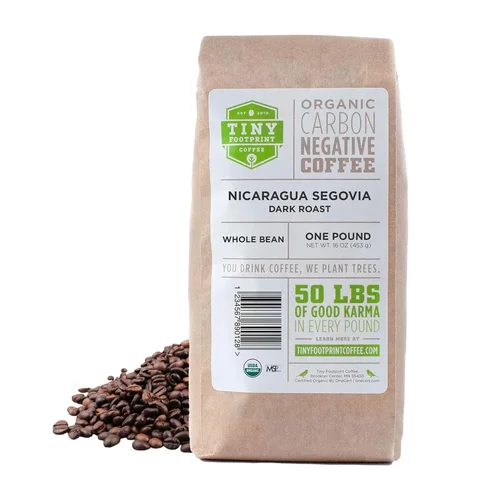
❌ Mistake: Ignoring the Roast Date
Why it’s bad: Buying coffee without a roast date is like buying wine without a vintage—you have no idea how fresh it is. Stale beans produce flat, lifeless coffee with no aroma or complexity.
What to do instead: Always check for a roast date. If it’s missing, ask the seller or choose a different brand. In NYC, most reputable roasters will proudly display this information.
❌ Mistake: Choosing Pre-Ground Over Whole Bean
Why it’s bad: Pre-ground coffee loses flavor rapidly due to oxidation. Even high-quality pre-ground beans can’t match the vibrancy of freshly ground whole beans.
What to do instead: Invest in a burr grinder and grind your beans just before brewing. It’s a small step that makes a huge difference in taste.
❌ Mistake: Overpaying for Brand Names
Why it’s bad: Some well-known brands charge premium prices for marketing, not quality. You might be paying for the logo, not the cup.
What to do instead: Explore local NYC roasters who roast in small batches and prioritize flavor. Often, you’ll get better coffee for less money.
❌ Mistake: Storing Coffee in the Fridge or Freezer
Why it’s bad: Moisture and temperature swings cause condensation, which degrades beans and introduces off-flavors. Freezing can also cause beans to absorb odors.
What to do instead: Store beans in an airtight container in a cool, dark cupboard. Use within 2–4 weeks of the roast date.
❌ Mistake: Buying Based on Packaging Alone
Why it’s bad: Fancy bags and labels can be misleading. A beautifully designed package doesn’t guarantee quality beans.
What to do instead: Focus on roast date, origin, processing, and roaster reputation. Read reviews and ask for recommendations.
❌ Mistake: Not Matching Roast to Brewing Method
Why it’s bad: A light roast might taste sour in a French press, while a dark roast could be too bitter in a pour-over. Mismatched roasts lead to disappointing results.
What to do instead: Light roasts for pour-over and AeroPress, medium for drip, dark for espresso and French press. Experiment to find your preference.
❌ Mistake: Skipping Local Roasters
Why it’s bad: Chain stores and online giants often sell older beans with less transparency. You miss out on freshness and community support.
What to do instead: Visit local roasteries in NYC—like Sey, Parlor, or Birch Coffee—where you can taste samples, ask questions, and buy freshly roasted beans.
Budget Guidelines: How Much Should You Spend?
- Entry-Level ($10–$15 per 12 oz): Expect mass-produced or older beans, often pre-ground or lacking roast dates. Suitable for occasional drinkers or those on a tight budget, but flavor will be limited. Avoid if you’re serious about quality.
- Mid-Range ($16–$22 per 12 oz): This is the sweet spot for most NYC coffee lovers. You’ll find freshly roasted beans from local roasters, often with clear origin and processing info. Great value for daily drinking and experimenting.
- Premium ($23–$30 per 12 oz): Ideal for enthusiasts and single-origin lovers. These beans often come from high-elevation farms, rare varietals, or experimental processing. Expect complex flavors and meticulous roasting.
- Luxury ($30+ per 12 oz): Reserved for limited releases, competition-winning lots, or direct-trade exclusives. These are for collectors and serious connoisseurs who appreciate terroir and craftsmanship.
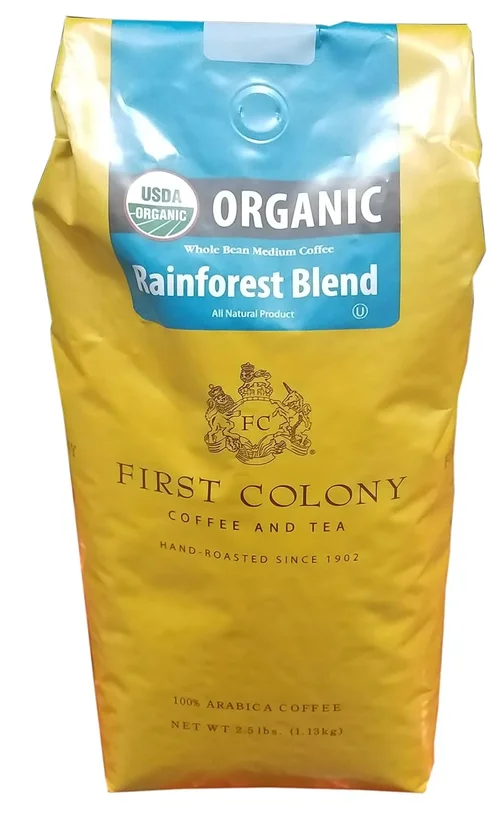
Expert Tips for Getting the Best Deal
- Buy Direct from Roasters: Many NYC roasters offer online ordering with local pickup or delivery. You’ll often get fresher beans and avoid retail markups.
- Subscribe for Savings: Subscription services from roasters like Devoción or Onyx offer discounts (10–15%) and ensure regular deliveries of fresh beans.
- Visit Farmers Markets: Brooklyn Flea, Union Square Greenmarket, and others feature local roasters selling directly to consumers—often at lower prices than cafes.
- Ask for Samples: Some roasteries offer small sample packs so you can try before committing to a full bag.
- Time Your Purchases: Roasters often discount older stock or offer seasonal promotions. Sign up for newsletters to stay informed.
- Check Return Policies: While rare, some roasters allow returns if you’re unsatisfied. This is more common with online orders.
- Grind at Home: Save money and improve flavor by grinding your own beans. A $50 burr grinder pays for itself quickly.
- Support Local: Buying from NYC roasters keeps money in the community and supports sustainable practices.

Frequently Asked Questions
Q: How long do coffee beans stay fresh?
A: Coffee beans are best within 2–4 weeks of the roast date. After that, they begin to lose aroma and flavor. Store them properly and use them quickly for the best experience.
Q: Should I buy coffee online or in-store?
A: Both have advantages. In-store allows you to ask questions and smell the beans, while online offers convenience and often better prices. Many NYC roasters excel at both.
Q: What’s the difference between Arabica and Robusta?
A: Arabica is higher quality, with complex flavors and lower caffeine. Robusta is stronger, more bitter, and higher in caffeine—often used in espresso blends for crema.
Q: Can I freeze coffee beans to make them last longer?
A: It’s not recommended. Freezing causes condensation and can damage beans. Use them within a month and store in an airtight container at room temperature.
Q: How do I know if a coffee is ethically sourced?
A: Look for certifications like Fair Trade or Direct Trade, and research the roaster’s sourcing practices. Transparency is key—ask questions and read their website.
Q: What’s the best grind size for my brewing method?
A: Fine for espresso, medium for drip, coarse for French press. Match your grind to your method for optimal extraction.
Q: Are expensive beans always better?
A: Not necessarily. Price reflects factors like origin and processing, but taste is subjective. Try different beans to find what you enjoy most.
Q: Where can I find the best coffee beans in NYC?
A: Visit roasteries like Sey Coffee (Williamsburg), Parlor Coffee (Greenpoint), Joe Coffee (multiple locations), or Birch Coffee (Upper East Side). Farmers markets are also great sources.
Our Final Recommendations
- Best for Budget-Conscious Buyers: Birch Coffee “The Daily” Blend – Affordable, consistently good, and widely available. Great for everyday drip coffee.
- Best Overall Value: Joe Coffee “The Original” Blend – Balanced, smooth, and freshly roasted. A NYC staple with excellent price-to-quality ratio.
- Best Premium Option: Sey Coffee Ethiopian Yirgacheffe (Single-Origin) – Light roast with floral, tea-like notes. Perfect for pour-over lovers.
- Best for Beginners: Parlor Coffee “The Classic” Blend – Approachable, medium roast with chocolate and nut notes. Great for French press or drip.
- Best for Advanced Users: Devoción Colombian Huila (Natural Process) – Complex, fruit-forward, and expertly roasted. Ideal for those exploring processing methods.
Conclusion: Making the Right Choice
Choosing the best coffee beans in NYC doesn’t have to be overwhelming. By focusing on freshness, origin, roast level, and ethical sourcing, you can navigate the city’s rich coffee landscape with confidence. Remember: the best beans are the ones that match your taste, budget, and values. Don’t be afraid to experiment—try a new roaster, sample a different origin, or switch up your grind. Coffee is a journey, and every cup is an opportunity to learn and enjoy.
Support local roasters, ask questions, and prioritize quality over convenience. Whether you’re sipping a meticulously brewed pour-over in a Brooklyn café or enjoying a quiet moment at home with a French press, the right beans can transform your experience. Use this guide as your compass, and let your palate lead the way. Happy brewing, New York.