
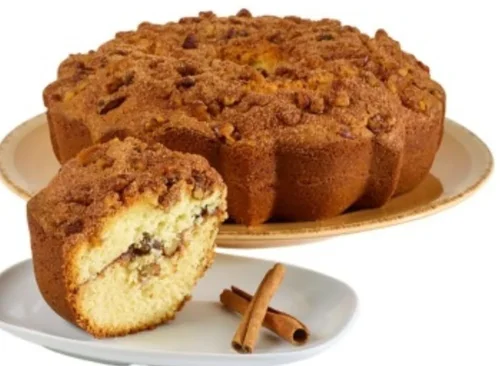
If you’ve ever wandered the bustling streets of New York City with a craving for something sweet, warm, and utterly comforting, chances are you’ve found yourself searching for the perfect slice of coffee cake. But not all coffee cakes are created equal—especially in a city where bakeries, cafes, and specialty shops compete fiercely for your attention (and your appetite). Whether you’re a lifelong New Yorker, a visiting foodie, or someone simply looking to elevate their morning routine, finding the best coffee cake in NYC can feel like a delicious treasure hunt.
This guide is designed to take the guesswork out of that search. We’ve spent months sampling, comparing, and analyzing coffee cakes from over 50 bakeries, delis, and artisanal shops across Manhattan, Brooklyn, Queens, and beyond. Our mission? To help you identify what truly makes a coffee cake exceptional—and where to find it in one of the world’s most competitive culinary landscapes. You’ll learn how to evaluate quality, understand price points, avoid common pitfalls, and ultimately choose a cake that satisfies both your taste buds and your expectations.
From classic crumb-topped loaves to innovative twists featuring seasonal fruits, spices, or even boozy infusions, the NYC coffee cake scene is as diverse as the city itself. Some places pride themselves on old-school recipes passed down through generations; others push boundaries with modern techniques and bold flavors. In this comprehensive guide, we’ll walk you through everything you need to know—from key ingredients and texture profiles to budget considerations and insider tips on when and where to buy. By the end, you’ll be equipped not just to find a great coffee cake, but to recognize a truly outstanding one.
What to Look for When Buying Coffee Cake
1. Crumb Topping Quality
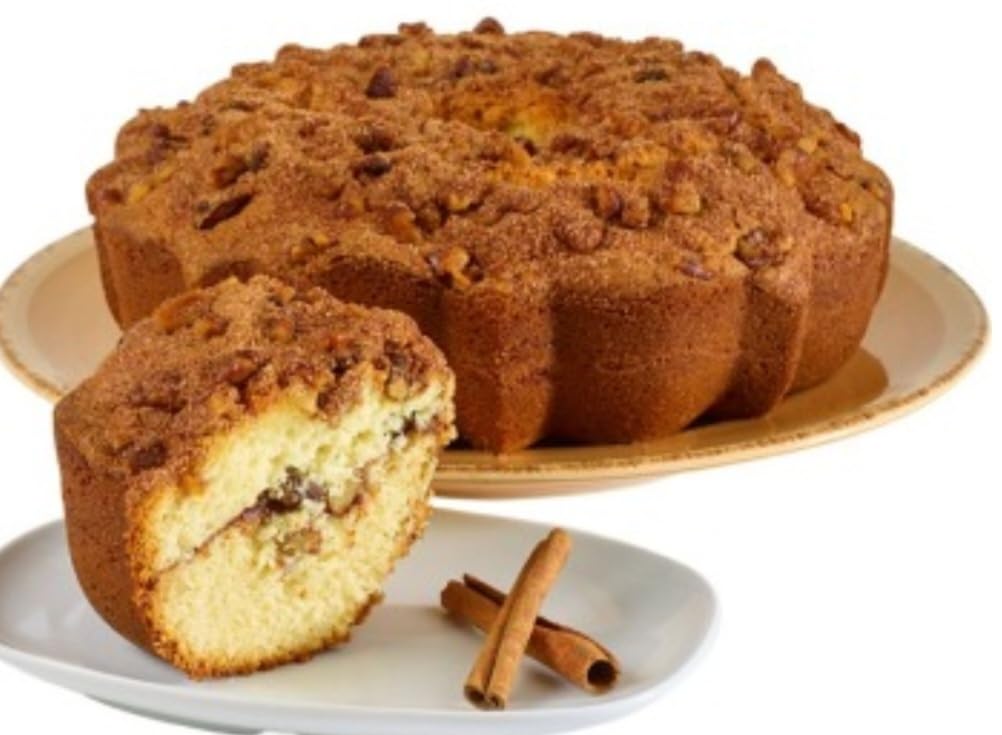
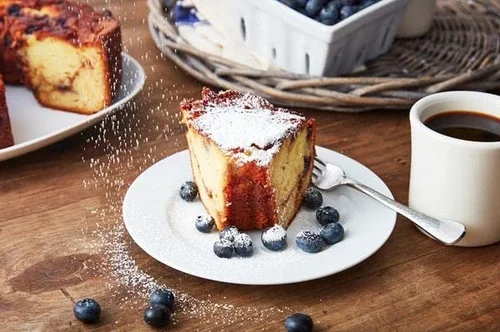
The crumb topping is arguably the most iconic feature of any coffee cake—and in NYC, it’s often what separates the good from the legendary. A superior crumb should be buttery, slightly crisp on the outside, and tender within. It should cling generously to the surface without sinking into the cake during baking. Look for a balance of brown sugar, flour, butter, and spices like cinnamon or nutmeg. Avoid toppings that are overly dry, sandy, or sparse—they’re signs of cost-cutting or poor technique. The best NYC bakers use high-fat European-style butter and toast their crumbs lightly before sprinkling, which enhances flavor and texture.
2. Cake Moisture & Texture
A great coffee cake strikes a delicate balance between moist and dense—never soggy, never dry. The ideal crumb should be tender yet substantial enough to hold its structure when sliced. Overmixing leads to toughness; undermixing can result in uneven pockets of dry batter. In New York, top-tier bakeries often use sour cream, buttermilk, or cream cheese in their batters to boost moisture and add a subtle tang. Pay attention to how the cake feels when you press it gently with your finger—it should spring back slightly, not leave an indentation. If the cake feels chalky or crumbly, it’s likely been overbaked or made with low-quality flour.
3. Flavor Complexity & Ingredient Quality
New Yorkers have discerning palates, and the best coffee cakes reflect that. Beyond basic vanilla or cinnamon, look for layers of flavor: hints of lemon zest, almond extract, cardamom, or even espresso powder. Premium ingredients matter—real vanilla bean instead of imitation, organic eggs, locally sourced dairy, and stone-ground flour can elevate a humble cake into something memorable. Avoid cakes that taste overly sweet or artificial; the sugar should complement, not dominate. Seasonal variations (like apple-cinnamon in fall or blueberry-lemon in summer) also signal a bakery that cares about freshness and creativity.
4. Size & Portability
In a city where space is at a premium and schedules are packed, practicality matters. Coffee cakes come in various sizes—from individual muffin-style portions to full 9×13-inch pans. Consider your needs: Are you buying for a solo treat, a family breakfast, or a gift? Many NYC bakeries offer half-sizes or pre-sliced options perfect for grab-and-go. Portability is key if you’re commuting—look for cakes that travel well without squishing the crumb topping. Some shops even provide sturdy boxes or reusable containers, which is a thoughtful touch for eco-conscious buyers.
5. Freshness & Baking Schedule
Nothing ruins a coffee cake experience faster than stale or day-old product. In NYC, the best bakeries bake multiple times per day—especially on weekends—to ensure peak freshness. Ask when the cake was baked; ideally, it should be no more than 4–6 hours old. Signs of freshness include a slightly warm interior, a fragrant aroma, and a crumb topping that hasn’t hardened. Avoid places that keep cakes under heat lamps for hours or display them in glass cases without rotation. If possible, visit early morning or mid-afternoon when new batches typically come out of the oven.
6. Price vs. Value
Coffee cake prices in NYC can range from $4 for a basic slice at a corner deli to $35+ for a gourmet loaf from a specialty patisserie. But price doesn’t always equal quality—and vice versa. Evaluate value by considering portion size, ingredient quality, and overall satisfaction. A $12 cake that serves six and uses organic, locally sourced ingredients may offer better value than a $20 cake that’s overly sweet and mass-produced. Be wary of inflated prices at tourist-heavy locations; sometimes, a hidden gem in a residential neighborhood delivers far more bang for your buck.
7. Brand Reputation & Consistency
In a city with thousands of bakeries, reputation matters. Establishments with loyal followings—like Orwashers, Breads Bakery, or Mah-Ze-Dahr—have earned their stripes through consistency, craftsmanship, and word-of-mouth praise. Check online reviews, but also talk to locals. A bakery might have a 4.8-star rating on Google, but if regulars complain about inconsistent crumb density or shrinking portion sizes, that’s a red flag. Long-standing shops often have refined recipes perfected over decades, while newer spots may experiment more but lack reliability.
8. Dietary Accommodations
With growing demand for inclusive options, many NYC bakeries now offer gluten-free, vegan, or dairy-free coffee cakes. However, quality varies widely. A truly excellent alternative should mimic the texture and flavor of its traditional counterpart—not taste like a compromise. Look for dedicated facilities (to avoid cross-contamination) and transparent labeling. Some standout spots, like By the Way Bakery or Dun-Well Doughnuts, specialize in allergen-friendly baking without sacrificing indulgence. Always ask about ingredients if you have sensitivities—don’t assume “vegan” means “delicious.”
Different Types of Coffee Cake
Common Buying Mistakes to Avoid
❌ Mistake: Choosing Based Solely on Price
Why it’s bad: Opting for the cheapest option often means sacrificing ingredient quality, freshness, and craftsmanship. A $5 coffee cake from a chain deli might fill you up, but it’ll likely be dry, overly sweet, and lacking depth.
What to do instead: Focus on value, not just cost. A slightly pricier cake made with real butter, organic eggs, and house-ground spices will deliver far more satisfaction per bite.
❌ Mistake: Ignoring Freshness Indicators
Why it’s bad: Day-old coffee cake loses moisture, and the crumb topping becomes hard and gritty. You end up with a disappointing texture that doesn’t justify the price.
What to do instead: Always ask when the cake was baked. Look for steam rising slightly from the surface or a warm center. Avoid cakes displayed under hot lights for extended periods.
❌ Mistake: Overlooking Portion Size
Why it’s bad: A small loaf might seem like a good deal at $10, but if it only yields two thin slices, you’re paying $5 per serving—which may not be worth it.
What to do instead: Compare price per ounce or estimated servings. Many bakeries list dimensions or serving counts—use them to assess true value.
❌ Mistake: Falling for Fancy Packaging
Why it’s bad: Beautiful boxes and ribbons can distract from mediocre cake inside. Some shops invest more in presentation than product quality.
What to do instead: Prioritize taste and texture over aesthetics. Read reviews or ask for a sample if available. Remember: great coffee cake speaks for itself.
❌ Mistake: Not Considering Dietary Needs
Why it’s bad: Assuming all “vegan” or “gluten-free” options are equally good can lead to disappointment. Many alternatives use fillers or lack structural integrity.
What to do instead: Research bakeries known for high-quality specialty diets. Ask about ingredients and preparation methods to ensure safety and flavor.
❌ Mistake: Buying During Peak Hours Without Planning
Why it’s bad: Popular spots like Levain Bakery or Sullivan Street Bakery sell out quickly. Arriving at 11 a.m. on a Saturday might mean missing your favorite flavor.
What to do instead: Call ahead or check social media for daily offerings. Some bakeries offer pre-orders or reserve limited batches for early birds.
❌ Mistake: Skipping Local Favorites for Tourist Traps
Why it’s bad: Iconic locations near Times Square or Central Park often charge premium prices for average-quality cakes aimed at visitors.
What to do instead: Explore neighborhood gems in Brooklyn (like Bakeri in Williamsburg) or Queens (like Bread & Butter in Astoria). Locals know where the real magic happens.
Budget Guidelines: How Much Should You Spend?
Entry-Level ($4–$10): This tier includes corner delis, chain cafes (like Dunkin’ or Starbucks), and budget-friendly bodegas. Expect basic recipes with commercial mixes, artificial flavors, and minimal crumb topping. While convenient, these cakes often lack depth and freshness. Best for quick fixes or when options are limited—but don’t expect a memorable experience.
Mid-Range ($10–$20): This is the sweet spot for most NYC coffee cake lovers. Bakeries like Zabar’s, Amy’s Bread, and Tompkins Square Bagels fall here. You’ll find homemade-style cakes with real butter, decent crumb coverage, and occasional fruit or spice additions. Portions are generous, and freshness is generally reliable. Ideal for weekend brunches, office treats, or casual gifting.
Premium ($20–$30): Reserved for artisanal shops and specialty patisseries such as Mah-Ze-Dahr, Bien Cuit, or Ovenly. These cakes use high-end ingredients—think cultured butter, Madagascar vanilla, and seasonal produce. Expect intricate designs, layered flavors, and exceptional texture. Perfect for special occasions or when you want to impress.
Luxury ($30+): At this level, you’re paying for craftsmanship, exclusivity, and innovation. Think custom-ordered cakes from chefs like Melissa Weller (Sullivan Street Bakery) or limited-edition collaborations. Ingredients may include imported flours, rare spices, or house-made jams. These are less about everyday indulgence and more about culinary artistry—ideal for food enthusiasts or milestone celebrations.
Expert Tips for Getting the Best Deal
1. Time Your Purchase Strategically: Bakeries typically bake fresh batches at 6–7 a.m. and again around 2–3 p.m. Visiting during these windows ensures maximum freshness. Avoid late evenings when stock is depleted and quality may decline.
2. Leverage Loyalty Programs: Shops like Bread’s Bakery and Le Pain Quotidien offer reward cards or apps that give you a free item after a certain number of purchases. Over time, this adds up—especially if you’re a regular.
3. Buy Directly from the Source: Skip third-party delivery apps (like Uber Eats or DoorDash) when possible. They often mark up prices by 20–30% and may deliver stale product. Walking in or calling ahead saves money and guarantees freshness.
4. Look for Seasonal Promotions: During holidays like Thanksgiving or Christmas, many bakeries offer bundled deals—e.g., buy a coffee cake and get a free loaf of bread. Sign up for newsletters to stay informed.
5. Test Before Committing: If you’re unsure about a new bakery, start with a small slice or mini version. Most places will let you sample if you ask nicely. This avoids wasting money on a full cake you might not enjoy.
6. Check Return/Exchange Policies: While rare, some high-end shops allow exchanges if the cake isn’t up to standard. Know the policy beforehand—especially for gift purchases.
7. Support Local During Off-Peak Hours: Weekday mornings (Tuesday–Thursday) are often quieter, meaning better selection and sometimes informal discounts. Bakers appreciate steady customers and may throw in a free cookie or two.
8. Read Between the Lines in Reviews: A 5-star review that says “great for the price” might hint at modest quality. Conversely, a 4-star review praising “perfect crumb texture” is often more telling than a generic 5-star rave.
Frequently Asked Questions
Q: What makes a coffee cake different from regular cake?
A: Coffee cake is specifically designed to pair with coffee—hence the name. It’s typically less sweet than dessert cakes, features a generous crumb or streusel topping, and often includes spices like cinnamon or nutmeg. The texture is denser and more moist, making it ideal for soaking up coffee without falling apart.
Q: Can I freeze coffee cake?
A: Absolutely! Wrap individual slices tightly in plastic wrap, then place in a freezer-safe bag. Most coffee cakes freeze well for up to 2 months. Thaw at room temperature or warm in a 300°F oven for 10–15 minutes to revive the crumb topping.
Q: Are there vegan coffee cakes in NYC?
A: Yes! Places like By the Way Bakery (West Village), Modern Bread and Bagel (Midtown), and Dun-Well Doughnuts (East Village) offer excellent vegan options using coconut oil, flax eggs, and plant-based milks—without sacrificing flavor or texture.
Q: How long does coffee cake stay fresh?
A: At room temperature, properly stored coffee cake lasts 2–3 days. Refrigeration can extend this to 5–7 days but may dry it out slightly. For best results, store in an airtight container with a slice of bread to retain moisture.
Q: Is coffee cake healthy?
A: Not really—it’s a treat! Most contain refined flour, sugar, and butter. However, versions with whole grains, reduced sugar, or added fruits (like apples or berries) offer slightly better nutritional profiles. Enjoy in moderation as part of a balanced diet.
Q: Where can I find the best coffee cake near me in NYC?
A: Use Google Maps with filters for “bakeries” and sort by rating. Look for recent reviews mentioning “coffee cake” specifically. Neighborhoods like the Upper West Side, Park Slope, and Long Island City consistently rank high for quality baked goods.
Q: Can I order coffee cake online for delivery?
A: Yes—many top bakeries now offer local delivery via their websites or platforms like Goldbelly. Just be aware that shipping can affect texture, especially for delicate crumb toppings. Same-day delivery within NYC is your best bet for freshness.
Q: What’s the difference between coffee cake and coffee-flavored cake?
A: True coffee cake doesn’t necessarily contain coffee—it’s named for its pairing purpose. Coffee-flavored cakes, on the other hand, include actual brewed coffee or espresso in the batter for a bold, aromatic profile. Both are delicious, but serve different roles.
Q: Do any NYC bakeries offer custom coffee cakes?
A: Yes! Shops like Mah-Ze-Dahr and Ovenly accept custom orders for events, including personalized messages, flavor combinations, or dietary adjustments. Advance booking (1–2 weeks) is usually required.
Q: Why is NYC coffee cake so expensive?
A: High rent, skilled labor, premium ingredients, and intense competition drive up costs. Additionally, many NYC bakers prioritize quality over volume, which reflects in pricing. That said, value varies—research helps you find fair deals.
Our Final Recommendations
Best for Budget-Conscious Buyers: Amy’s Bread (Multiple Locations) – Consistently delicious, generously portioned cakes at reasonable prices. Their classic crumb cake is a neighborhood staple that won’t break the bank.
Best Overall Value: Breads Bakery (Union Square & Upper East Side) – Combines European technique with NYC hustle. Their coffee cake features a thick, buttery crumb and moist vanilla-almond base—perfect balance of quality and affordability.
Best Premium Option: Mah-Ze-Dahr (West Village) – Founded by James Beard Award-winning chef Victoria Granof, this spot delivers ethereal textures and complex flavors. Try the lemon-ricotta coffee cake—it’s life-changing.
Best for Beginners: Zabar’s (Upper West Side) – A NYC institution with reliable, approachable offerings. Their coffee cake is familiar, comforting, and widely available—great for first-timers exploring the city’s baked goods scene.
Best for Advanced Users: Bien Cuit (West Village) – Known for obsessive attention to detail, their coffee cake uses heritage grains and slow-fermented doughs. Ideal for those who appreciate nuanced baking science and artisanal integrity.
Conclusion: Making the Right Choice
Finding the best coffee cake in NYC isn’t just about satisfying a sweet tooth—it’s about experiencing the city’s rich baking culture, supporting local artisans, and treating yourself to something made with care. As we’ve explored, the ideal cake depends on your priorities: budget, flavor preferences, dietary needs, and convenience all play a role. By focusing on crumb quality, moisture, ingredient integrity, and freshness, you’ll avoid disappointment and discover cakes that truly delight.
Remember, the “best” coffee cake is the one that brings you joy—whether it’s a humble slice from a corner shop that reminds you of childhood or a luxurious loaf that feels like a celebration. Don’t be afraid to explore, ask questions, and trust your palate. New York’s bakery scene is vast and vibrant, full of hidden gems waiting to be uncovered.
So next time you’re strolling down a tree-lined block in Brooklyn or rushing through Grand Central, pause. Follow the scent of cinnamon and brown sugar. Step inside. Take a bite. And savor the moment—because in a city that never sleeps, sometimes the simplest pleasures, like a perfect coffee cake, are exactly what you need.