
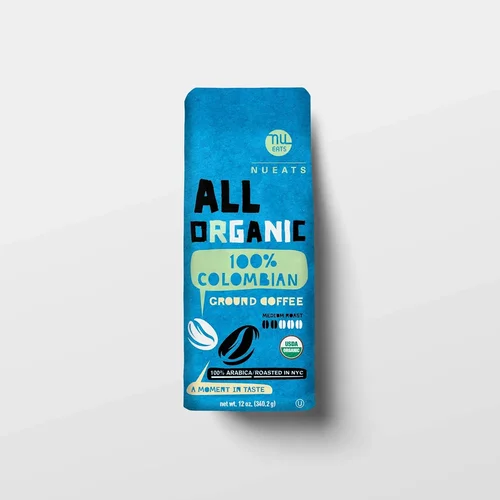
New York City doesn’t just serve coffee—it lives and breathes it. From the steam rising off a paper cup on a frosty morning in Brooklyn to the quiet hum of a pour-over ritual in a Manhattan loft, coffee is woven into the city’s daily rhythm. Whether you’re a lifelong local or a first-time visitor, finding the best coffee in NYC can feel like searching for a needle in a caffeinated haystack. With thousands of cafes, roasteries, and corner bodegas offering everything from $2 espresso shots to $8 single-origin pour-overs, the choices are overwhelming—and often contradictory.
That’s where this guide comes in. We’ve spent years sipping, comparing, and analyzing what makes a truly exceptional cup in one of the world’s most competitive coffee markets. This isn’t just a list of trendy spots or Instagrammable latte art—it’s a comprehensive, expert-level buying guide designed to help you navigate the complex landscape of NYC coffee with confidence. You’ll learn how to evaluate quality, understand pricing, avoid common pitfalls, and ultimately find the coffee that fits your taste, lifestyle, and budget. Whether you’re brewing at home or hunting for the perfect café experience, this guide arms you with the knowledge to make informed decisions.
The NYC coffee scene is as diverse as its population. On one end, you have artisanal roasters sourcing beans directly from Ethiopian highlands or Colombian farms, roasting in small batches with precision and passion. On the other, you’ll find bodegas and chain cafes offering reliable, no-frills caffeine fixes that keep millions moving through their days. In between lies a vibrant ecosystem of specialty shops, third-wave pioneers, and neighborhood gems that blend innovation with tradition. Understanding this spectrum is key—because “best” isn’t one-size-fits-all. It depends on your priorities: Are you after bold flavor? Ethical sourcing? Speed and convenience? Or perhaps the ambiance of a quiet corner to work or reflect? By the end of this guide, you’ll know exactly how to answer those questions—and where to go to get your ideal cup.

What to Look for When Buying Coffee in NYC
1. Bean Origin & Sourcing Ethics
The foundation of great coffee starts with the bean—and where it comes from matters more than you might think. In NYC, the best roasters prioritize transparency about origin, often listing farm names, harvest dates, and even farmer cooperatives on their packaging or menus. Single-origin beans (from one specific region or farm) typically offer more distinct flavor profiles—think bright citrus notes from Kenyan beans or chocolatey richness from Guatemalan lots—while blends aim for balance and consistency.
Equally important is ethical sourcing. Look for certifications like Fair Trade, Rainforest Alliance, or direct trade relationships. Many top NYC roasters build long-term partnerships with growers, paying premiums well above commodity prices to support sustainable farming. This not only ensures better working conditions but often results in higher-quality beans, as farmers are incentivized to focus on quality over quantity. Ask baristas about sourcing—if they can’t tell you where the beans are from or how they were acquired, that’s a red flag.
2. Roast Date & Freshness
Freshness is non-negotiable when it comes to flavor. Coffee begins losing its aromatic compounds within days of roasting, and by four weeks, even the most carefully sourced beans can taste flat or stale. Always check the roast date—not the “best by” date—on packaged beans or ask when the shop last received a fresh batch. The ideal window is 7–21 days post-roast for peak flavor.
In NYC, many specialty cafes roast on-site or partner closely with local roasteries to ensure rapid turnover. Avoid places that sell pre-ground coffee in bulk bins without clear roast dates—it’s often days or weeks old. If you’re buying beans to brew at home, opt for whole beans and grind just before brewing. A good rule of thumb: if the café doesn’t emphasize freshness, they’re probably not prioritizing it in their brewing either.
3. Brewing Method & Equipment Quality
How coffee is extracted dramatically impacts taste. NYC’s best cafes match their brewing method to the bean profile. For example, a light-roasted Ethiopian Yirgacheffe shines in a V60 pour-over, highlighting its floral and tea-like notes, while a rich Brazilian blend might excel in an espresso machine or French press.
Pay attention to the equipment: Is the espresso machine well-maintained, with clean portafilters and calibrated pressure? Are pour-over kettles heated to precise temperatures (usually 195–205°F)? Sloppy technique—like over-extracting espresso or using water that’s too hot for delicate beans—can ruin even the finest coffee. Top-tier shops invest in high-quality grinders (like Mahlkönig or Baratza), maintain their gear religiously, and train baristas rigorously. If the espresso tastes bitter or sour, or the pour-over is weak and watery, the method or execution is likely flawed.
4. Barista Skill & Consistency
A great bean and perfect equipment mean nothing without a skilled hand. In NYC, the difference between a $3 and $6 cup often comes down to the barista’s expertise. Watch how they handle the process: Do they weigh the coffee and water? Time the extraction? Adjust grind size based on humidity or bean age? These micro-adjustments separate amateurs from professionals.
Consistency is equally vital. A café that serves a stellar flat white one day and a watery mess the next isn’t reliable. The best spots have standardized recipes, regular staff training, and quality control checks. Don’t hesitate to ask questions—knowledgeable baristas welcome curiosity and can guide you toward a brew that suits your palate. If they seem rushed or dismissive, it may reflect a broader lack of attention to detail.
5. Atmosphere & Customer Experience
Coffee isn’t just about taste—it’s an experience. The ambiance of a café affects how you perceive the drink. A noisy, cramped space with blaring music might distract from subtle flavors, while a calm, thoughtfully designed environment enhances enjoyment. Consider lighting, seating comfort, noise level, and cleanliness.
Customer service also plays a role. Are staff friendly and informative? Do they remember regulars’ orders? Is there space to work or relax without feeling rushed? Some of NYC’s most beloved cafes—like Sey Coffee in Bushwick or Abraço in the East Village—combine exceptional coffee with a welcoming vibe that keeps people coming back. Conversely, a beautiful space with mediocre coffee is just a photo op. Prioritize places where the focus remains on the craft.
6. Price vs. Value Perception
NYC coffee prices vary wildly—from $2.50 at a corner deli to $8+ at a specialty roastery. But price doesn’t always equal quality. A $4 espresso from a well-run bodega might outshine a $7 version from an overhyped spot cutting corners. Evaluate value holistically: Are you paying for premium beans, skilled labor, and freshness—or just branding and location?
Consider cost per ounce and portion size. Some shops charge more but serve larger pours or include extras like house-made syrups or oat milk upgrades at no extra cost. Others nickel-and-dime for every add-on. Also factor in convenience: Is the café near your commute or workplace? Paying slightly more for time saved can be worthwhile. Ultimately, value is personal—define what matters most to you before judging the price tag.
7. Sustainability & Waste Reduction
As environmental awareness grows, so does scrutiny of coffee’s footprint. Look for cafes using compostable cups, offering discounts for reusable mugs, or partnering with local composting services. Some roasteries even use renewable energy or carbon-neutral shipping.
Waste extends beyond packaging. Over-extraction, excessive milk waste, and single-use stirrers all add up. Progressive NYC cafes minimize this through precise measurements, oat milk defaults (which have a lower carbon footprint than dairy), and encouraging customers to bring their own cups. Supporting businesses that align with your values enhances the overall experience—and helps drive industry-wide change.
8. Menu Diversity & Dietary Accommodations
A truly great café caters to diverse tastes and needs. Beyond classic espresso drinks, look for options like cold brew, nitro infusions, decaf alternatives, and plant-based milks (oat, almond, soy). Many top NYC spots now offer house-made syrups, alternative sweeteners, or even coffee cocktails for evening service.
For those with dietary restrictions, clarity is key. Can they accommodate nut allergies? Are cross-contamination protocols in place? Do they clearly label vegan or gluten-free options? Shops like Partners Coffee and La Colombe excel here, offering inclusive menus without compromising on quality. A flexible, informed staff signals a commitment to serving all customers well.
Different Types of Coffee Experiences in NYC

Common Buying Mistakes to Avoid
❌ Mistake: Choosing Based Solely on Instagram Appeal
Why it’s bad: A beautifully designed café with latte art that looks like a masterpiece might serve under-extracted, bitter coffee. Social media highlights aesthetics, not taste. You could end up paying premium prices for mediocre quality.
What to do instead: Prioritize substance over style. Read detailed reviews, ask locals for recommendations, and sample the coffee before committing to a full drink. If the place is always packed with tourists but empty of regulars, that’s a warning sign.
❌ Mistake: Ignoring the Roast Date
Why it’s bad: Stale coffee lacks complexity and aroma. Even if the beans are ethically sourced, old coffee tastes flat, cardboard-like, or overly acidic. This is especially common in shops that don’t roast frequently or rotate stock.
What to do instead: Always ask when the beans were roasted. For packaged beans, check the label. If the shop can’t provide a date, assume it’s older than ideal. Freshness is a hallmark of quality roasters.
❌ Mistake: Overlooking Milk Quality in Lattes
Why it’s bad: Many cafes use low-grade, ultra-pasteurized milk that curdles easily or masks coffee flavors. Oat milk has become popular, but not all brands steam well—some turn slimy or separate.
What to do instead: Ask what kind of milk they use. Top shops often partner with local dairies or use premium oat milk (like Oatly Barista or Minor Figures). If your latte tastes mostly of milk, the coffee is likely being drowned out.
❌ Mistake: Assuming Higher Price = Better Quality
Why it’s bad: Some cafes inflate prices due to rent, branding, or location—not bean quality or skill. You might pay $8 for a drink that’s no better than a $4 one elsewhere.
What to do instead: Compare value, not just cost. Consider portion size, ingredient quality, and barista expertise. Sometimes a $3 cortado from a skilled barista beats a $7 pour-over from an inexperienced one.
❌ Mistake: Not Trying Different Brewing Methods
Why it’s bad: Sticking to one method (like only ordering espresso) limits your ability to discover how different techniques highlight unique flavors in the same bean.
What to do instead: Experiment! Order a single-origin bean prepared as both a pour-over and an espresso. Notice the differences in body, acidity, and aroma. Many cafes offer tasting flights or recommendations based on your preferences.
❌ Mistake: Disregarding Local Roasters
Why it’s bad: National chains often use standardized blends that lack regional character. Local roasters in NYC frequently offer more unique, seasonal offerings and support the community.
What to do instead: Seek out neighborhood roasteries like Devoción (Brooklyn), Coffee Project (multiple locations), or Sweetleaf (Long Island City). They often have rotating single-origin menus and host cupping sessions.
❌ Mistake: Forgetting About Home Brewing
Why it’s bad: Relying solely on cafes gets expensive and limits control over your brew. You miss out on the ritual and customization of making coffee at home.
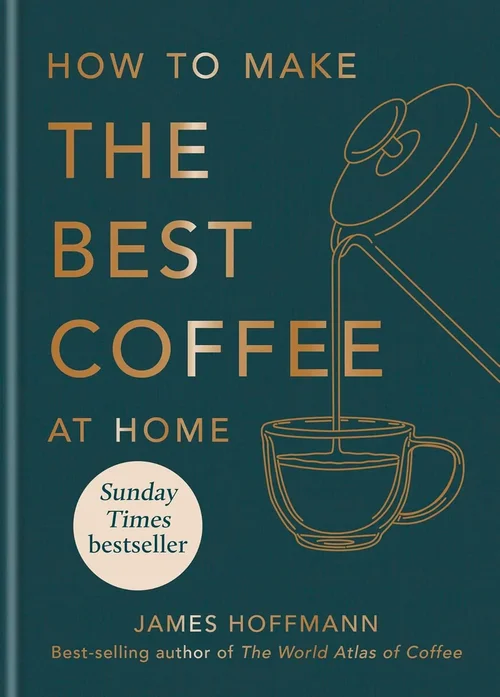
What to do instead: Invest in a quality grinder and brewer (even a simple AeroPress or Chemex). Buy fresh beans from NYC roasters and experiment with ratios and techniques. Many cafes sell beans to-go—take advantage!
Budget Guidelines: How Much Should You Spend?
- Entry-Level ($2–$4): This tier includes bodegas, delis, and some chain outlets. Expect basic drip coffee or espresso made with commercial-grade beans. Quality varies widely—some spots (like certain Chinatown delis) serve surprisingly decent coffee quickly and cheaply. Ideal for daily commuters who prioritize speed and affordability over nuance.
- Mid-Range ($4–$6): The sweet spot for most NYC coffee drinkers. Here, you’ll find specialty cafes using freshly roasted beans, skilled baristas, and proper equipment. Drinks are well-balanced, with attention to sourcing and technique. Chains like Blue Bottle (before its acquisition) and local favorites like Birch Coffee fall here. Great for regular visits without breaking the bank.
- Premium ($6–$8): Reserved for top-tier roasteries and experiential cafes. Expect single-origin offerings, rare processing methods (like natural or honey-processed beans), and meticulous brewing. Places like Sey Coffee, Variety Coffee, and Hi-Collar offer exceptional quality but at a higher price. Worth it for weekends, special occasions, or coffee education.
- Luxury ($8+): The upper echelon includes limited-release beans, experimental brews (like siphon or cold drip), and ultra-premium experiences. Some pop-ups or chef-driven cafes charge $10+ for a cup. These are best for connoisseurs or those treating coffee as a craft beverage akin to wine. Not practical for daily consumption but invaluable for exploration.
Expert Tips for Getting the Best Deal
- Buy beans directly from roasteries: Skip the markup at cafes and purchase whole beans to brew at home. Most NYC roasters sell online or in-store with detailed brewing guides. You’ll save money long-term and enjoy fresher coffee.
- Visit during off-peak hours: Mornings and lunch rushes lead to rushed service and inconsistent quality. Go mid-afternoon when baristas have time to focus on each cup.
- Ask for a “cupping” or sample: Many specialty shops will let you taste a small pour-over before ordering. It’s a great way to test quality without commitment.
- Bring your own cup: Most cafes offer $0.25–$0.50 off for reusable cups. Over time, this adds up—and reduces waste.
- Follow roasters on social media: They often announce flash sales, new arrivals, or pop-up events. Devoción, for example, sometimes offers discounted “day-of” beans.
- Check return policies for packaged beans: Some shops allow returns if beans are unopened and within a certain window. Always confirm before buying large quantities.
- Attend free tastings: Roasteries like Parlor Coffee and Black Brick host regular cupping sessions. It’s a no-cost way to learn and discover new favorites.
- Compare milk alternatives: Oat milk is trendy, but not all versions steam well. Ask which brand they use—some charge extra for premium options, while others include them standard.

Frequently Asked Questions
Q: Is NYC coffee really better than other cities?
A: NYC doesn’t have a monopoly on great coffee, but its density of talent, competition, and consumer demand drives exceptionally high standards. The city attracts top roasters and baristas from around the world, creating a culture of innovation and excellence. That said, quality varies—do your research rather than assuming every café is world-class.
Q: Can I find good decaf in NYC?
A: Absolutely. Many specialty shops now offer Swiss Water Process decaf, which preserves flavor better than chemical methods. Ask your barista—they should be able to recommend a decaf with character, not just a bland alternative.
Q: What’s the difference between third-wave and traditional coffee?
A: Third-wave treats coffee as an artisanal craft, emphasizing origin, processing, and precise brewing. Traditional coffee focuses on consistency and familiarity (think diner-style drip). Both have merit—it depends on your preference.
Q: Are NYC coffee prices justified?
A: Often, yes—but not always. High rent, labor costs, and premium ingredients contribute to pricing. However, some spots overcharge due to hype. Evaluate based on quality, not just location or branding.
Q: How do I store coffee beans at home?
A: Keep them in an airtight container away from light, heat, and moisture. Avoid the fridge or freezer unless storing long-term. Use within 2–3 weeks of roast for best flavor.
Q: What’s the best time to buy coffee in NYC?
A: Weekday afternoons are ideal—fewer crowds, fresher batches, and more attentive service. Avoid Monday mornings and Friday evenings when turnover is highest.
Q: Do I need expensive equipment to brew great coffee at home?
A: Not necessarily. A $30 AeroPress or $50 Chemex can produce excellent results with fresh beans and good technique. Invest in a quality grinder first—it makes the biggest difference.
Q: How can I tell if a café takes coffee seriously?
A: Look for visible roast dates, trained baristas who weigh ingredients, clean equipment, and a menu that explains origins or processing methods. If they’re proud of their coffee, they’ll show it.
Q: Is oat milk really better for the environment?
A: Generally, yes—oat milk has a lower carbon and water footprint than dairy or almond milk. But check the brand: some contain additives or come in non-recyclable packaging.
Q: Can I negotiate prices at NYC cafes?
A: Rarely. Unlike markets or street vendors, cafes operate on thin margins. However, loyalty programs or bulk bean purchases may offer discounts.
Our Final Recommendations
- Best for Budget-Conscious Buyers: Chinatown Ice Cream Factory’s Bodega Counter – Yes, really. Their $2.50 espresso is consistently strong, hot, and made with care. No frills, just reliable caffeine.
- Best Overall Value: Variety Coffee – With multiple locations, transparent sourcing, and skilled baristas, Variety delivers premium quality at mid-range prices. Their seasonal single-origins are a must-try.
- Best Premium Option: Sey Coffee (Bushwick) – A pilgrimage spot for coffee lovers. Sey roasts in small batches, sources directly from farmers, and serves some of the most vibrant, complex cups in the city. Expect to pay $7–$9, but it’s worth every penny.
- Best for Beginners: Abraço (East Village) – Cozy, unpretentious, and expertly run. The staff is welcoming to newcomers and happy to explain brewing methods. Their olive oil cake pairs perfectly with a cortado.
- Best for Advanced Users: Hi-Collar (East Village) – Inspired by Japanese kissaten (coffee houses), Hi-Collar offers meticulous pour-overs, siphon brewing, and a serene atmosphere. Ideal for those who appreciate precision and tradition.
Conclusion: Making the Right Choice
Finding the best coffee in NYC isn’t about chasing trends or paying the highest price—it’s about aligning your choices with your values, taste, and lifestyle. Whether you’re sipping a $3 espresso at a corner deli or savoring a $9 single-origin pour-over in a minimalist roastery, the goal is the same: a cup that brings you joy, clarity, and connection. Use this guide to cut through the noise, ask better questions, and develop your palate. Remember, the “best” coffee is the one that resonates with you.
Start small. Try a new café each week. Talk to baristas. Experiment with brewing at home. Over time, you’ll build a personal map of NYC’s coffee landscape—one that reflects your unique preferences. And when you do find that perfect spot? Savor it. Share it. Support it. Because great coffee isn’t just a drink—it’s a community, a craft, and a daily ritual worth getting right. Now go brew something beautiful.