
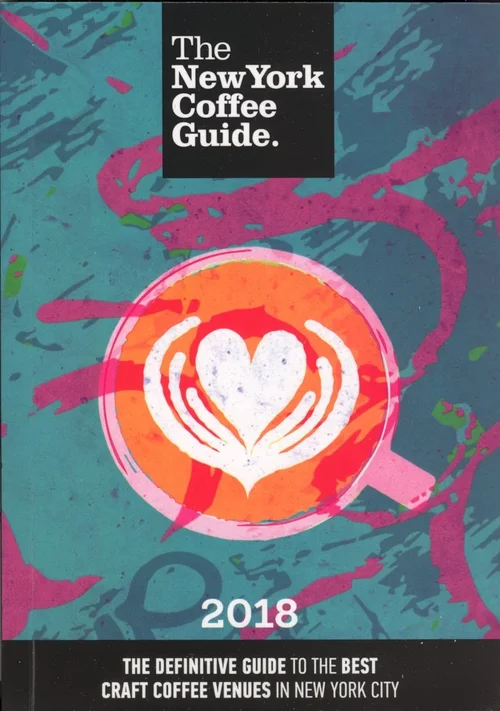
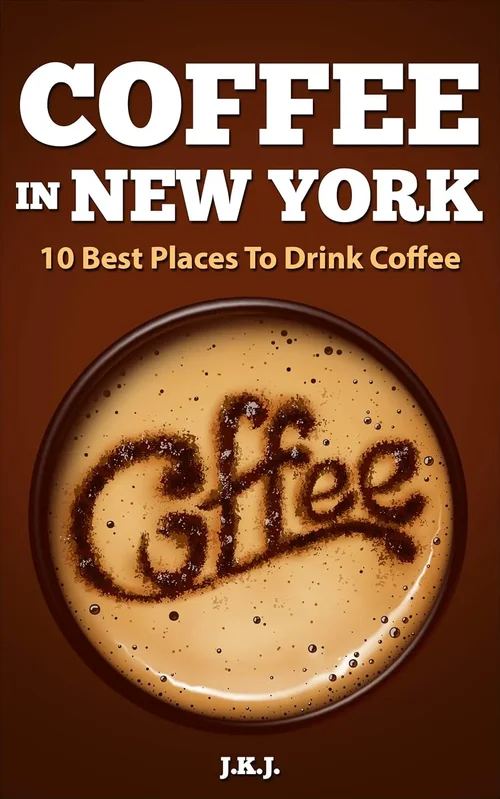
New York City doesn’t just run on coffee—it thrives on it. From the hurried barista at a corner cart serving a $3 espresso to the third-wave roaster in Williamsburg pulling single-origin pour-overs with surgical precision, coffee in NYC is more than a beverage. It’s culture, ritual, and identity. Whether you’re a lifelong New Yorker or visiting for the first time, choosing where to get your daily cup can feel overwhelming. With thousands of cafes, pop-ups, roasteries, and chains vying for attention, how do you separate the truly exceptional from the overhyped?
That’s where this guide comes in. We’ve spent months exploring every borough—tasting, comparing, and analyzing what makes a coffee experience stand out in one of the most competitive coffee markets in the world. This isn’t just a list of trendy spots; it’s a comprehensive buying guide designed to help you make smart, informed decisions about where (and how) to buy the best coffee in NYC in 2026. Whether you’re looking for a quick caffeine fix, a slow sipping session, or beans to brew at home, we’ll walk you through everything you need to know—from bean sourcing and roast profiles to pricing, sustainability, and neighborhood nuances.
By the end of this guide, you’ll understand not only which cafes and roasters are worth your time and money but also how to evaluate coffee quality like a pro. You’ll learn how to read between the lines of marketing claims, spot red flags in sourcing practices, and identify value beyond the price tag. We’ll break down the key factors that separate average coffee from extraordinary, compare different types of coffee offerings across the city, and even share insider tips on when and where to score the best deals. Consider this your ultimate toolkit for navigating NYC’s vibrant—and sometimes confusing—coffee landscape with confidence.
What to Look for When Buying Coffee in NYC
1. Bean Origin & Sourcing Ethics
The foundation of great coffee starts long before it reaches your cup—it begins with the bean. In NYC, the best roasters are transparent about where their beans come from. Look for cafes that specify the farm, region, and even the farmer whenever possible. Single-origin beans from places like Ethiopia’s Yirgacheffe region, Colombia’s Huila department, or Guatemala’s Antigua valley often offer more complexity and traceability than blends. But origin alone isn’t enough. Ethical sourcing matters just as much. Reputable NYC roasters partner directly with farmers, pay fair wages, and support sustainable farming practices. Certifications like Fair Trade, Direct Trade, or Rainforest Alliance can be helpful indicators, but don’t rely solely on labels—many small roasters build relationships without formal certifications. Ask questions: How often do they visit farms? Do they pay premiums above market rate? Transparency here reflects a commitment to quality and integrity.
2. Roast Profile & Freshness
Freshness is non-negotiable. Coffee begins losing its aroma and flavor within days of roasting, so always check the roast date—not the “best by” date. The ideal window for brewing is 7–21 days post-roast. Light roasts preserve the bean’s natural characteristics—floral, fruity, tea-like notes—and are popular among specialty shops. Medium roasts offer balance: caramel sweetness with some origin character. Dark roasts, common in traditional NYC diner-style coffee, emphasize boldness and body but can mask subtleties. Avoid pre-ground coffee unless absolutely necessary; whole beans retain freshness far longer. If a shop doesn’t display roast dates or grinds beans in front of you, that’s a red flag. Also, watch out for “roasted on demand” claims—while appealing, they’re often marketing fluff unless backed by actual small-batch practices.
3. Brewing Method & Barista Skill
Not all coffee is created equal—even with the same beans. The brewing method dramatically impacts flavor. Espresso-based drinks require precise pressure, temperature, and timing; a skilled barista can elevate mediocre beans, while an untrained one can ruin premium ones. Pour-over, AeroPress, Chemex, and French press each highlight different aspects of the coffee. In NYC, top-tier cafes train their staff rigorously and often host latte art competitions or cupping sessions. Observe the workflow: Is the espresso machine clean? Are portafilters wiped between shots? Does the barista weigh doses and time extractions? These细节 reveal professionalism. Don’t be afraid to ask how they brew—a knowledgeable staff will welcome the conversation.
4. Price vs. Value Perception
Yes, NYC coffee can be expensive—$6 for a flat white isn’t uncommon. But price doesn’t always equal quality. Some high-end shops charge premium prices for ambiance or location rather than superior beans or technique. Conversely, hidden gems in outer boroughs may offer exceptional coffee at lower prices. Evaluate value holistically: Are you paying for freshness, expertise, and ethical sourcing—or just a trendy logo? A $4 pour-over from a roaster who sources directly from Honduras and roasts weekly often delivers more authentic value than a $7 latte from a chain using stale, commodity-grade beans. Track your spending over a month: Are you getting consistent satisfaction, or are you chasing novelty without substance?
5. Sustainability & Environmental Impact
As climate change affects coffee-growing regions, sustainability has become a core concern for conscious consumers. Look for cafes using compostable cups, offering discounts for reusable mugs, and minimizing waste. Some NYC roasters, like Sey Coffee and Variety Coffee Roasters, publish annual sustainability reports detailing carbon footprint reductions and water usage. Others partner with organizations like World Coffee Research to support resilient crop development. Even small choices matter: choosing oat milk over dairy reduces your environmental impact, and supporting local roasters cuts down on shipping emissions. Ask if they recycle burlap sacks, repurpose coffee chaff, or donate spent grounds to community gardens.
6. Consistency & Reliability
A great cup once doesn’t make a great cafe. The best spots deliver consistently excellent coffee day after day. This requires rigorous quality control, trained staff, and reliable supply chains. If your usual order tastes different every visit, that’s a sign of inconsistency—possibly due to untrained baristas, inconsistent grinding, or fluctuating bean batches. Top roasters maintain detailed brewing logs and calibrate equipment daily. They also rotate stock to ensure freshness. Consistency also extends to service: friendly, efficient staff who remember your name or preferences enhance the overall experience. Don’t dismiss a place after one bad visit—but if problems persist across multiple trips, it’s time to move on.
7. Location & Convenience
Let’s be honest: no matter how amazing a coffee is, if it’s a 45-minute subway ride away, it’s not practical for daily use. Balance quality with accessibility. Manhattan has the highest concentration of specialty cafes, but Brooklyn, Queens, and even the Bronx are home to rising stars. Use apps like Google Maps or Sprudge to find highly rated options near your commute or neighborhood. Consider whether you prefer grab-and-go speed or a sit-down atmosphere. Some cafes excel at both—like Partners Coffee, which offers quick service during rush hour but cozy seating for weekend lounging. Proximity shouldn’t compromise quality, but convenience plays a real role in long-term satisfaction.
8. Community & Atmosphere
Coffee is social. The vibe of a cafe—its lighting, music, seating, and crowd—can enhance or detract from your experience. Some people thrive in minimalist, quiet spaces perfect for focused work; others enjoy bustling hubs where conversations flow. Independent cafes often foster stronger community ties than chains, hosting events like open mics, art shows, or coffee education workshops. Pay attention to inclusivity: Are staff welcoming to all customers? Is the space accessible? Does the menu accommodate dietary needs (vegan milk, sugar-free syrups)? A welcoming environment makes you want to return—not just for the coffee, but for the sense of belonging.
Different Types of Coffee Offerings in NYC

Common Buying Mistakes to Avoid
❌ Mistake: Prioritizing Brand Over Bean Quality
Why it’s bad: Just because a cafe has a sleek logo or celebrity endorsement doesn’t mean the coffee is good. Many trendy spots focus on aesthetics and social media appeal while cutting corners on sourcing and freshness. You might end up paying premium prices for subpar beans roasted weeks ago.
What to do instead: Always ask about roast dates, origin, and brewing methods. If staff can’t answer confidently, consider it a warning sign. Focus on substance over style.
❌ Mistake: Ignoring Roast Dates
Why it’s bad: Coffee stales quickly. Beans roasted more than three weeks ago lose nuanced flavors and develop flat, cardboard-like notes. Many cafes—especially chains—don’t display roast dates, assuming customers won’t notice.
What to do instead: Make roast date checking a habit. If it’s not posted, ask. Reputable roasters will gladly share this info. For home brewing, buy whole beans and store them in an airtight container away from light and heat.
❌ Mistake: Choosing Pre-Ground Over Whole Bean
Why it’s bad: Pre-ground coffee oxidizes rapidly, losing aroma and complexity within minutes of grinding. Even “freshly ground” at checkout may have sat in a bin for hours.
What to do instead: Invest in a good burr grinder ($30–$100) and grind just before brewing. Most specialty cafes offer grinding services if you buy beans on-site.
❌ Mistake: Overlooking Water Quality
Why it’s bad: Coffee is 98% water. NYC tap water is generally safe but can contain chlorine or minerals that alter taste. Using unfiltered water can make even excellent beans taste dull or metallic.
What to do instead: Use filtered water at home. Many high-end cafes use advanced filtration systems—ask if yours does. At minimum, let tap water sit in an open pitcher for a few hours to off-gas chlorine.
❌ Mistake: Chasing Trends Without Understanding Preferences
Why it’s bad: Jumping on every new trend—nitro cold brew, mushroom coffee, lavender lattes—can distract you from what you actually enjoy. You might spend money on novelty drinks that don’t align with your taste.
What to do instead: Know your preferences: Do you prefer bright and fruity or rich and chocolatey? Stick to core offerings first, then experiment cautiously. Keep a coffee journal to track what you like.
❌ Mistake: Neglecting Return Policies for Online Bean Purchases
Why it’s bad: Buying beans online is convenient, but you can’t taste them first. If the roast is off or the flavor isn’t what you expected, you’re stuck with 12 ounces of disappointment.
What to do instead: Only buy from roasters with clear return or exchange policies. Many NYC roasters like Devoción and Birch Coffee offer satisfaction guarantees or sample packs.
❌ Mistake: Assuming All “Specialty” Coffee Is Equal
Why it’s bad: The term “specialty” is unregulated. Some shops use it loosely to justify higher prices without delivering on quality.
What to do instead: Look for concrete indicators: SCAA (Specialty Coffee Association) certification, participation in coffee competitions, or features in reputable publications like Sprudge or Barista Magazine.
Budget Guidelines: How Much Should You Spend?
– Entry-Level ($2–$4): This tier includes bodega coffee, street cart espresso, and basic chain offerings. Expect robusta or low-grade arabica beans, often dark-roasted to mask flaws. While convenient and affordable, these options lack complexity and freshness. Best for caffeine needs, not flavor exploration.
– Mid-Range ($4–$6): The sweet spot for most NYC coffee drinkers. Here you’ll find solid specialty cafes using quality arabica beans, proper extraction techniques, and decent milk steaming. Brands like Joe Coffee, Abraço, and Café Grumpy fall into this range. You get good value, freshness, and skill without breaking the bank.
– Premium ($6–$8): For enthusiasts and professionals. These cafes source rare microlots, employ award-winning baristas, and offer multiple brewing methods. Expect detailed tasting notes, single-origin rotations, and meticulous attention to detail. Roasters like Sey Coffee, Onyx Coffee Lab, and Devoción dominate this space.
– Luxury ($8+): Reserved for ultra-premium experiences—think limited-release geishas, experimental fermentations, or private tastings. Prices can exceed $15 for a single cup. Only worth it if you’re deeply invested in coffee as a craft. Most casual drinkers won’t notice the difference beyond the mid-range tier.
Expert Tips for Getting the Best Deal
– Buy Beans in Person When Possible: Tasting before buying ensures you love the flavor profile. Many roasteries offer free samples or discounted cups with bean purchases.
– Time Your Purchases Around Roast Days: Most NYC roasters roast 1–3 times per week. Buying beans the day after roasting guarantees peak freshness. Check their websites or Instagram for schedules.
– Use Loyalty Programs Wisely: Chains like Blue Bottle and local favorites like Birch Coffee offer points systems. But don’t let rewards lock you into mediocre coffee—redeem only at places you genuinely enjoy.
– Shop During Off-Peak Hours: Mornings are busiest—and often most expensive due to demand. Visit mid-afternoon for shorter lines, fresher batches, and sometimes unadvertised discounts.
– Follow Roasters on Social Media: Many announce flash sales, new arrivals, or pop-up events exclusively online. Sey Coffee, for example, often drops limited lots with 10% off for followers.
– Consider Subscription Bundles: Some roasters offer “coffee of the month” clubs that include brewing guides, tasting notes, and exclusive access. Great for learning and discovering new favorites.
– Ask About Student or Senior Discounts: Several indie cafes offer 10–15% off with valid ID—worth asking even if not advertised.
– Bring Your Own Cup: Most NYC cafes give $0.25–$0.50 off for reusable cups. Over a month, that adds up—and reduces waste.

Frequently Asked Questions
Q: Is NYC coffee really better than elsewhere?
A: Not necessarily “better,” but more diverse and competitive. The density of talent, innovation, and consumer demand pushes standards higher. You’ll find more single-origin options, experimental processing, and skilled baristas here than in most cities—but quality varies widely. Do your research.
Q: Can I find good coffee outside Manhattan?
A: Absolutely! Brooklyn (Williamsburg, DUMBO), Queens (Astoria, Long Island City), and even the Bronx (Mott Haven) have thriving specialty scenes. Cafes like Sweetleaf (Long Island City) and Coffee Project (Astoria) rival Manhattan’s best.
Q: How do I store coffee beans at home?
A: Keep them in an airtight container in a cool, dark place—never in the fridge or freezer (condensation ruins flavor). Use within 2–3 weeks of roast date for optimal taste.
Q: What’s the deal with cold brew vs. iced coffee?
A: Cold brew is steeped in cold water for 12–24 hours, resulting in smoother, less acidic coffee. Iced coffee is hot-brewed then chilled, preserving more origin character but potentially becoming bitter when cold. Both have merits—choose based on preference.
Q: Are oat milk lattes worth the extra cost?
A: Oat milk froths well and adds subtle sweetness, making it popular in specialty cafes. However, it’s often $0.60–$1 extra. If you enjoy the texture and flavor, yes—but it’s not essential for great coffee.
Q: How can I tell if a cafe uses stale beans?
A: Stale coffee lacks aroma—smell the beans or brewed cup. It should be fragrant, not flat. Taste-wise, it may be bitter without complexity or taste like cardboard. Check roast dates!
Q: Should I tip baristas?
A: Yes, especially in NYC where service industry workers rely on tips. $0.50–$1 per drink is standard for good service. For complex orders or exceptional effort, consider more.
Q: What’s the best way to try new coffees without overspending?
A: Start with small bags (4–8 oz) or sample packs. Many roasters offer “discovery sets” with 3–4 different origins. Attend free cupping sessions—many cafes host them weekly.
Q: Is instant coffee ever worth it in NYC?
A: Generally no—unless you’re in a pinch. But brands like Swift Cup and Mount Hagen offer high-quality instant options made from specialty beans. Still, nothing beats freshly brewed.
Q: How has the pandemic changed NYC coffee culture?
A: Many cafes shifted to takeout-only, accelerated mobile ordering, and expanded online bean sales. Some closed permanently, but new ones emerged with hybrid models (retail + delivery). The focus on quality and convenience has intensified.
Our Final Recommendations
– Best for Budget-Conscious Buyers: Joe Coffee (Multiple Locations) – Reliable quality, fair prices ($4–$5), and consistent service across Manhattan and Brooklyn. Great for daily drinking without compromise.
– Best Overall Value: Variety Coffee Roasters (Williamsburg, East Village) – Exceptional beans, transparent sourcing, and skilled brewing at reasonable prices ($5–$6). Their retail bags are a steal at $16 for 12oz.
– Best Premium Option: Sey Coffee (Bushwick) – Minimalist aesthetic meets maximum flavor. Known for light-roasted, fruit-forward coffees and rigorous quality control. Expect to pay $7–$8, but every sip justifies it.
– Best for Beginners: Abraço (East Village) – Cozy, unpretentious spot with excellent espresso and friendly staff who explain brewing methods. Perfect for learning without intimidation.
– Best for Advanced Users: Devoción (Williamsburg, Flatiron) – Sources fresh beans directly from Colombian farms and roasts within days of harvest. Offers rare varietals and educational workshops. Ideal for serious connoisseurs.
Conclusion: Making the Right Choice
Navigating NYC’s coffee scene doesn’t have to be daunting. Armed with the right knowledge—about sourcing, freshness, brewing, and value—you can transform your daily cup from a routine into a ritual. Remember, the “best” coffee isn’t about prestige or price; it’s about alignment with your tastes, values, and lifestyle. Whether you’re sipping a meticulously crafted pour-over in Bushwick or grabbing a quick espresso from a beloved bodega, what matters most is that it brings you joy.
Prioritize transparency, freshness, and skill. Support businesses that treat farmers and customers with respect. And don’t be afraid to explore—NYC’s coffee landscape is constantly evolving, with new talent and ideas emerging every season. Your perfect cup is out there. Use this guide as your compass, and let curiosity be your compass. Happy brewing!