
New York City’s coffee culture is as dynamic and diverse as the city itself. From corner bodegas serving up strong, no-frills brews to sleek third-wave cafes pulling single-origin espresso shots with precision, the demand for high-quality coffee has never been higher. At the heart of this movement are the city’s independent coffee roasters—artisans who source green beans from around the world and transform them into complex, aromatic profiles that define the modern NYC coffee experience. Whether you’re a seasoned home barista or a curious newcomer eager to elevate your morning ritual, choosing the right coffee roaster can make all the difference.
This guide is designed to help you navigate the bustling landscape of coffee roasters in New York City. We’ll walk you through what makes a great roaster, how to evaluate quality and value, and which local brands consistently deliver exceptional beans. You’ll learn how to distinguish between marketing hype and genuine craftsmanship, understand the nuances of roast profiles, and discover where to buy fresh, ethically sourced coffee without overpaying. With so many options—from micro-roasteries tucked into Brooklyn lofts to established names with citywide distribution—it’s easy to feel overwhelmed. Our goal is to cut through the noise and give you the tools to make an informed, confident decision.
The NYC coffee roasting scene has exploded over the past decade, driven by consumer demand for transparency, sustainability, and flavor innovation. Roasters here aren’t just selling coffee—they’re building communities, supporting farmers, and redefining what it means to enjoy a great cup. Whether you prefer bright, fruity Ethiopian beans or rich, chocolatey Colombian roasts, there’s a local roaster crafting something that aligns with your palate. This guide will equip you with the knowledge to find them—and enjoy every sip.

What to Look for When Buying Buying Guide
1. Bean Sourcing & Ethical Practices
One of the most important factors in choosing a coffee roaster is how they source their beans. Ethical sourcing ensures that farmers are paid fairly, environmental practices are respected, and supply chains are transparent. Look for roasters who publish detailed origin stories—down to the farm, cooperative, or even individual grower. Certifications like Fair Trade, Rainforest Alliance, or Direct Trade aren’t just buzzwords; they signal a commitment to social and environmental responsibility. In NYC, many top roasters travel directly to origin countries to build long-term relationships with producers, which often results in higher-quality beans and more stable pricing for farmers.
Ask yourself: Does the roaster share information about the farms they work with? Do they mention harvest seasons, processing methods (washed, natural, honey), or altitude? These details aren’t just interesting—they directly impact flavor. For example, a naturally processed Ethiopian Yirgacheffe will have berry-like sweetness, while a washed Guatemalan might offer cleaner, tea-like brightness. Roasters who care about sourcing will highlight these distinctions.
2. Roast Freshness & Packaging
Freshness is non-negotiable when it comes to great coffee. Coffee begins to lose its aromatic compounds within days of roasting, so the best roasters stamp each bag with a roast date—not just a “best by” date. Ideally, you should consume coffee within 2–4 weeks of roasting for peak flavor. Avoid roasters who only list expiration dates, as this can mask older stock.
Packaging also plays a crucial role in preserving freshness. Look for bags with one-way degassing valves and resealable zippers. The valve allows carbon dioxide (a natural byproduct of fresh roasting) to escape without letting oxygen in, which causes staling. Foil-lined or kraft paper bags with minimal printing are better than clear plastic, which lets light degrade the beans. Some NYC roasters even use compostable or recyclable packaging, reflecting their commitment to sustainability beyond the cup.
3. Roast Profile & Flavor Transparency
Not all roasts are created equal. A roaster’s skill lies in how they develop flavor during the roasting process. Light roasts preserve origin characteristics—think floral, citrus, or wine-like notes—while medium roasts balance acidity and body, and dark roasts emphasize bold, smoky, or caramelized flavors. The best NYC roasters offer a range of profiles and clearly describe what to expect on their packaging or website.
Pay attention to whether the roaster uses descriptive flavor notes (e.g., “notes of black cherry, dark chocolate, and brown sugar”) rather than vague terms like “rich” or “smooth.” These notes should align with the bean’s origin and processing method. If a Kenyan coffee tastes nothing like the bright, winey profile you’d expect, the roaster may be over-roasting or using lower-quality beans. Transparency here builds trust and helps you choose beans that match your taste preferences.
4. Consistency & Quality Control
Great coffee isn’t just about one amazing batch—it’s about delivering that same high standard every time. Consistency is a hallmark of professional roasting. Look for roasters who roast in small batches and maintain strict quality control measures, such as cupping (professional tasting) each batch before release. Many NYC roasters host public cupping sessions or publish tasting notes online, giving you insight into their standards.
Inconsistent roasting can result in underdeveloped beans (sour, grassy) or scorched beans (bitter, burnt). If you notice drastic differences between bags of the same coffee, it may be a red flag. Reputable roasters often have baristas or roasting logs available upon request, showing they stand behind their product. Don’t hesitate to reach out and ask about their roasting schedule or quality assurance process.
5. Accessibility & Convenience
Even the best coffee loses its appeal if it’s hard to get. Consider how easily you can access the roaster’s beans. Do they have a physical store or café where you can sample before buying? Do they offer online ordering with fast shipping? Many NYC roasters provide same-day or next-day delivery within the city, which is a huge advantage for freshness.
Subscription services are another convenience factor. Some roasters offer customizable subscriptions that deliver fresh beans on a weekly or biweekly basis, often with discounts for long-term commitments. This is ideal for home brewers who want variety without the hassle of reordering. Check whether the roaster allows you to pause, skip, or change your subscription easily—flexibility matters.
6. Community Engagement & Education
The best coffee roasters do more than sell beans—they educate and engage their community. Look for roasters who host brewing workshops, latte art classes, or farm-to-cup storytelling events. These experiences deepen your appreciation for coffee and help you brew better at home. Many NYC roasters collaborate with local artists, musicians, or nonprofits, reinforcing their role as cultural contributors.
Educational content on their website—such as brewing guides, origin maps, or videos of farmers—also signals a roaster’s commitment to transparency and knowledge-sharing. If a roaster is active on social media and responds to customer questions, that’s a good sign they value customer relationships. A roaster who treats you like a partner in the coffee journey, not just a transaction, is worth supporting.
7. Price & Value Proposition
Price doesn’t always correlate with quality, but it’s important to understand what you’re paying for. High-end beans from microlots or rare processing methods will cost more, but they often deliver unique flavors worth the premium. That said, some roasters charge a “NYC tax” simply for being in the city, without adding real value.
Compare price per ounce across roasters and consider what’s included. Does the price reflect direct trade premiums, small-batch roasting, or sustainable packaging? A $20 bag of coffee might seem expensive, but if it supports a farmer cooperative in Honduras and is roasted to perfection, it could be a better value than a $12 bag of mass-produced beans. Always weigh cost against quality, ethics, and freshness.
8. Brand Reputation & Customer Feedback
Word of mouth and online reviews are powerful indicators of a roaster’s reliability. Check Google Reviews, Yelp, and Instagram for consistent praise about flavor, service, and freshness. Be wary of roasters with mostly generic or overly promotional reviews—authentic feedback often includes specific tasting notes or brewing tips.
Awards and recognitions from industry bodies like the Specialty Coffee Association (SCA) or features in publications like Sprudge or Bon Appétit can also lend credibility. However, don’t rely solely on accolades. Visit the roaster’s café if possible, talk to staff, and taste the coffee yourself. Your palate is the ultimate judge.
Different Types of Buying Guide

Common Buying Mistakes to Avoid
❌ Mistake: Ignoring the Roast Date
Why it’s bad: Coffee starts losing flavor within days of roasting. Buying beans without a roast date means you could be drinking stale coffee that’s weeks or even months old, resulting in a flat, dull cup.
What to do instead: Always check for a clear roast date on the package. If it’s not listed, ask the seller or choose a different roaster. Aim to use the beans within 2–4 weeks of that date for optimal taste.
❌ Mistake: Choosing Based on Packaging Alone
Why it’s bad: Fancy labels, bold colors, and trendy designs can distract from the actual quality of the coffee. Some roasters invest more in marketing than in sourcing or roasting.
What to do instead: Focus on substance over style. Look for detailed origin info, roast profiles, and customer reviews. A simple bag with honest information is often better than a flashy one with empty promises.
❌ Mistake: Overlooking Subscription Terms
Why it’s bad: Many roasters offer subscriptions, but some have rigid cancellation policies or auto-renew without clear reminders. You could end up paying for coffee you don’t want.
What to do instead: Read the fine print before signing up. Choose roasters that allow easy pauses, skips, or cancellations. Test with a one-time purchase first to ensure you like the coffee.
❌ Mistake: Assuming All “Local” Means Fresh
Why it’s bad: Just because a roaster is based in NYC doesn’t guarantee freshness. Some may roast in small quantities but store beans for too long before selling.
What to do instead: Ask about their roasting schedule. Do they roast weekly? Daily? Can you visit the roastery? The best local roasters are proud to show off their process.
❌ Mistake: Buying in Bulk Without Testing
Why it’s bad: Purchasing a large quantity of an unfamiliar coffee can lead to waste if you don’t enjoy the flavor profile. Coffee preferences are highly personal.
What to do instead: Start with small bags (8–12 oz) or sample packs. Many NYC roasters offer variety packs or allow you to mix and match small quantities.
❌ Mistake: Neglecting Brewing Method Compatibility
Why it’s bad: A light roast Ethiopian might shine in a pour-over but taste overly acidic in a French press. Matching roast and origin to your brewing method is key.
What to do instead: Ask the roaster for brewing recommendations. Most provide guides for espresso, drip, cold brew, etc. Experiment with different beans for different methods.
❌ Mistake: Disregarding Customer Service
Why it’s bad: If a roaster doesn’t respond to questions or complaints, it’s a sign they may not stand behind their product. Poor service can ruin the experience.
What to do instead: Reach out before buying. Send an email or message on social media. A responsive, knowledgeable team is a good indicator of overall quality.
Budget Guidelines: How Much Should You Spend?
- Entry-Level ($12–$16 per 12 oz): This range is ideal for beginners or those brewing occasionally. You’ll find solid, approachable coffees from neighborhood roasters or online brands. Expect decent freshness and basic origin info, but limited experimentation. Great for daily drip or French press.
- Mid-Range ($16–$22 per 12 oz): The sweet spot for most home brewers. Roasters in this tier often offer a balance of quality, ethics, and variety. You’ll find well-developed single-origin beans, clear flavor notes, and reliable subscriptions. Perfect for pour-over, AeroPress, or espresso.
- Premium ($22–$30 per 12 oz): For enthusiasts who want to explore unique profiles. These roasters often work with microlots, experimental processing, or rare varietals. Packaging is top-notch, and customer service is personalized. Ideal for those who treat coffee as a craft.
- Luxury ($30+ per 12 oz): Reserved for truly exceptional coffees—think auction-winning Geishas, anaerobic ferments, or small-batch collaborations. These are often limited releases and may require pre-ordering. Best for special occasions or serious collectors.
Expert Tips for Getting the Best Deal
- Buy Direct from the Roaster: Cutting out middlemen (like grocery stores) ensures fresher beans and often lower prices. Many NYC roasters offer online discounts or free shipping over a certain amount.
- Time Your Purchases: Look for seasonal sales around holidays (Black Friday, Valentine’s Day) or during coffee harvest seasons (spring for Central America, fall for Africa). Some roasters offer “roaster’s choice” discounts on older stock.
- Join Loyalty Programs: Many local roasters have punch cards or digital rewards. Buy 9 coffees, get the 10th free—small savings add up.
- Attend Tastings & Events: Free cuppings at roasteries often come with exclusive discounts. It’s also a chance to meet the team and learn about new releases.
- Compare Shipping Costs: Some roasters charge high shipping fees. Look for flat-rate or free shipping thresholds. Group orders with friends to save.
- Read Return Policies: While rare, sometimes coffee doesn’t meet expectations. Choose roasters with fair return or exchange policies, especially for subscriptions.
- Follow on Social Media: Roasters often announce flash sales, new arrivals, or pop-ups first on Instagram or Twitter. Turn on notifications to stay in the loop.
- Brew Smart to Stretch Beans: Use a scale to measure coffee accurately (1:16 coffee-to-water ratio). Proper brewing maximizes flavor and reduces waste.

Frequently Asked Questions
Q: How long does coffee stay fresh after roasting?
A: For peak flavor, consume coffee within 2–4 weeks of the roast date. After 4 weeks, it begins to stale noticeably. Store beans in an airtight container away from light, heat, and moisture—never in the fridge or freezer unless freezing for long-term storage.
Q: Should I buy whole bean or pre-ground?
A: Always buy whole bean and grind just before brewing. Pre-ground coffee loses aroma and flavor quickly due to increased surface area exposure. Invest in a good burr grinder for consistent results.
Q: What’s the difference between single-origin and blend?
A: Single-origin coffee comes from one region or farm, highlighting unique terroir and processing. Blends combine beans from multiple origins to create balanced, consistent flavor profiles—often used for espresso.
Q: How do I know if a roaster is truly ethical?
A: Look for transparency: Do they name farms? Share farmer stories? Publish pricing? Certifications help, but direct trade relationships are even better. Ask questions—ethical roasters welcome them.
Q: Can I visit a roastery in NYC?
A: Yes! Many roasters welcome visitors. Some offer tours, tastings, or open roasting days. Check their website or call ahead to confirm hours and availability.
Q: Is NYC coffee more expensive than elsewhere?
A: Not necessarily. While rent is high, many NYC roasters keep prices competitive by selling direct. You often pay for quality and freshness, not just location.
Q: What’s the best way to store coffee at home?
A: Use an opaque, airtight container at room temperature. Avoid clear jars, the fridge, or the freezer (unless freezing for months). Keep away from stoves or windows.
Q: How often do roasters release new coffees?
A: Most release new single-origin coffees seasonally, aligning with harvest cycles. Some offer limited “rotating” selections weekly or monthly. Subscriptions are a great way to stay updated.
Q: Can I return coffee if I don’t like it?
A: Policies vary. Some roasters offer exchanges or credits, especially for subscriptions. Others don’t accept returns due to freshness concerns. Always check before buying.
Q: What brewing method works best with NYC roaster coffees?
A: It depends on the roast and origin. Light roasts excel in pour-over or Chemex. Medium roasts work well for drip or AeroPress. Dark roasts are classic for espresso. Ask the roaster for recommendations.
Our Final Recommendations
- Best for Budget-Conscious Buyers: Sey Coffee – Based in Brooklyn, Sey offers high-quality, ethically sourced beans at reasonable prices ($16–$20 per 12 oz). Their light roasts are clean and vibrant, perfect for pour-over lovers.
- Best Overall Value: Partners Coffee – With multiple NYC locations and a strong online presence, Partners delivers consistent quality, excellent subscriptions, and transparent sourcing. Their $18 bags are a reliable daily choice.
- Best Premium Option: Hi-Collar – This Japanese-inspired café and roastery in East Village focuses on precision and elegance. Their small-batch roasts ($22–$28) are ideal for espresso and siphon brewing.
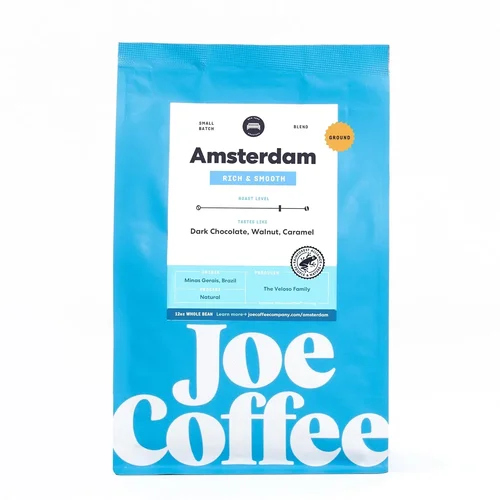
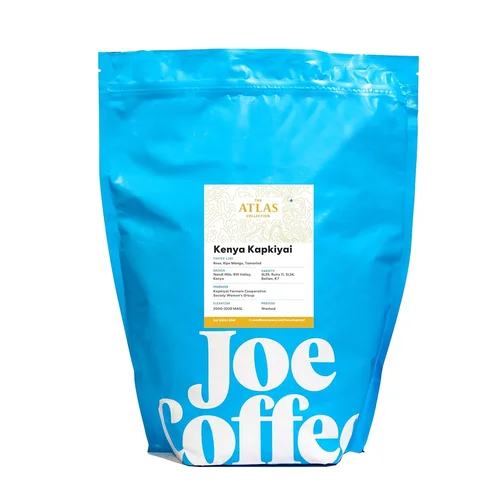
- Best for Beginners: Joe Coffee – With a welcoming vibe and educational resources, Joe is perfect for newcomers. Their medium roasts are approachable, and staff are happy to guide you.
- Best for Advanced Users: Toby’s Estate – Known for innovative processing and rare varietals, Toby’s offers complex, experimental coffees ($25–$40) for those ready to explore beyond the basics.
Conclusion: Making the Right Choice
Choosing the best coffee roaster in NYC isn’t just about finding the most expensive or trendiest brand—it’s about aligning with a roaster whose values, quality, and flavor profile match your own. Whether you prioritize ethical sourcing, ultra-fresh beans, or community engagement, the city offers a roaster for every preference and budget. By focusing on roast dates, transparency, and consistency, you’ll avoid common pitfalls and discover coffees that truly elevate your daily ritual.
Remember, great coffee is a journey, not a destination. Don’t be afraid to try new roasters, experiment with different origins, and refine your brewing technique. The perfect cup is out there—and with the insights from this guide, you’re well-equipped to find it. Start small, taste widely, and let your palate lead the way. Your morning brew will never be the same.