
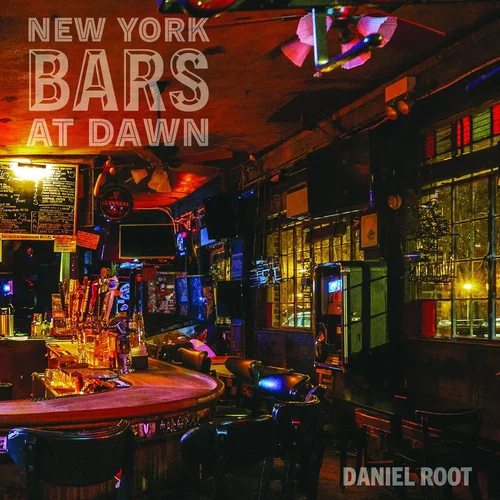
New York City is a city that never sleeps—and neither does its coffee culture. From the early-morning commuters clutching paper cups to late-night creatives sipping single-origin pour-overs, coffee is woven into the fabric of daily life in the five boroughs. But in recent years, a new trend has emerged that’s redefining what it means to “grab a coffee” in NYC: the rise of the coffee shop bar. These hybrid spaces blend the warmth and familiarity of a neighborhood café with the sophistication and craft of a modern cocktail bar, often operating as daytime coffeehouses by morning and transforming into intimate evening lounges by night.
This evolution isn’t just about convenience—it’s about experience. Coffee shop bars in NYC are designed for people who want more than just caffeine. They’re for remote workers seeking ambiance, date-night couples looking for something unique, and culture seekers who appreciate artisanal drinks made with precision and care. Whether it’s a nitro cold brew on tap at sunrise or a house-made espresso martini at sunset, these venues offer a seamless transition from day to night, all under one stylish roof.
In this comprehensive guide, we’ll walk you through everything you need to know to choose the best coffee shop bar in NYC for your lifestyle, preferences, and budget. You’ll learn how to evaluate key factors like atmosphere, drink quality, food offerings, and service style. We’ll break down different types of coffee shop bars, highlight common pitfalls to avoid, and provide expert-backed recommendations based on real-world visits and insider knowledge. By the end, you’ll have a clear roadmap to finding your perfect spot—whether you’re a local or just visiting.

What to Look for When Choosing a Coffee Shop Bar in NYC
1. Atmosphere & Ambiance
The vibe of a coffee shop bar can make or break your experience. Unlike traditional cafés or bars, these hybrid spaces must balance two distinct moods: the focused, productive energy of daytime work sessions and the relaxed, social tone of evening gatherings. Look for venues that thoughtfully design their lighting, seating, and acoustics to support both modes. Warm, dimmable lighting, comfortable seating arrangements (think plush armchairs, communal tables, and bar stools), and background music that’s present but not overpowering are all signs of a well-curated space.
Pay attention to the decor too. Is it minimalist and modern? Rustic and cozy? Industrial with exposed brick? The aesthetic should reflect the brand’s identity and appeal to your personal taste. For example, if you’re planning to work remotely, you’ll want ample power outlets, strong Wi-Fi, and quiet zones. If you’re meeting friends for drinks, you might prioritize intimate nooks, mood lighting, and a curated playlist. The best coffee shop bars seamlessly shift their atmosphere as the sun sets—often through lighting adjustments, music changes, or even staff transitions.
2. Coffee Quality & Sourcing
At its core, a coffee shop bar must still deliver exceptional coffee. Don’t be fooled by flashy cocktails—great espresso is the foundation. Look for shops that roast their own beans or partner with reputable local roasters. Transparency about sourcing (e.g., single-origin beans from Ethiopia or Guatemala, fair trade certifications) is a strong indicator of quality. Ask about their brewing methods: do they offer pour-over, AeroPress, siphon, or cold brew on tap? These techniques often signal a commitment to craftsmanship.
Barista expertise matters too. A skilled barista can elevate a simple latte into a work of art, with perfect microfoam and latte art. Watch how they handle the espresso machine—precision in timing, temperature, and tamping pressure all contribute to a superior cup. Also, consider the milk options: oat, almond, and soy are standard, but some shops go further with house-made nut milks or seasonal alternatives like macadamia or coconut. If the coffee doesn’t impress during the day, the evening cocktails likely won’t compensate.
3. Cocktail Menu & Creativity
After dark, the focus shifts to cocktails—and this is where coffee shop bars truly shine. The best ones don’t just serve standard drinks; they innovate. Look for menus that incorporate coffee as an ingredient in creative ways: espresso martinis with house-infused spirits, cold brew old fashioneds, or nitro coffee negronis. Some bars even offer “coffee flights” or tasting menus that pair different brews with complementary cocktails.
Quality of ingredients is crucial. Are the spirits premium? Are the syrups and bitters house-made? Do they use fresh citrus and seasonal produce? A well-crafted cocktail should balance flavor, aroma, and presentation. Also, consider the range: is there something for everyone, from classic gin and tonics to adventurous mezcal-based concoctions? The bar staff should be knowledgeable and able to guide you through the menu, suggesting pairings or customizing drinks to your taste.
4. Food & Snack Offerings
While coffee and cocktails are the stars, food plays a supporting role that shouldn’t be overlooked. Many coffee shop bars offer light bites during the day—pastries, avocado toast, charcuterie boards—and expand to fuller dinner menus in the evening. The food should complement the drinks, not compete with them. For example, a rich chocolate tart pairs beautifully with a mocha old fashioned, while a citrusy ceviche might go well with a coffee-infused gin fizz.
Look for seasonal, locally sourced ingredients and thoughtful plating. Vegan, vegetarian, and gluten-free options are increasingly common and appreciated. Some venues even collaborate with local chefs or bakeries to offer rotating specials. If you plan to spend several hours at the bar—working by day, socializing by night—having access to quality snacks or small plates can make all the difference.
5. Service Style & Staff Expertise
The staff at a coffee shop bar wear many hats: barista, bartender, host, and sometimes even concierge. Their ability to switch roles smoothly is a hallmark of a well-run establishment. During the day, they should be efficient and knowledgeable about coffee, able to recommend brews based on your preferences. At night, they should transition into confident mixologists, engaging guests and crafting drinks with flair.
Friendliness and attentiveness matter. Are they welcoming without being overbearing? Do they remember regulars’ orders? Can they explain the origin of a bean or the inspiration behind a cocktail? Training is key—many top-tier bars invest in ongoing education for their team, ensuring consistency and excellence. Don’t hesitate to ask questions; a great staff will welcome the conversation.
6. Location & Accessibility
NYC is vast, and location can significantly impact your experience. A coffee shop bar in Williamsburg might offer a trendy, artsy vibe, while one in the Financial District could cater to professionals with a sleek, minimalist design. Consider proximity to your home, office, or public transit. Is it easy to get to? Is there bike parking or nearby subway access?
Also think about neighborhood dynamics. Some areas are known for their nightlife, which might mean louder crowds and later hours—ideal for evening drinks but less so for focused work. Others are quieter, better suited for daytime productivity. Safety and walkability are important too, especially if you’re visiting after dark. A great spot in a less accessible or unsafe area might not be worth the hassle.
7. Hours & Day-to-Night Transition
One of the defining features of a coffee shop bar is its ability to operate across multiple dayparts. Check the hours: do they open early enough for your morning routine? Do they stay open late for evening drinks? The transition from day to night should feel natural, not abrupt. Some venues use subtle cues—like dimming lights, changing music, or introducing a cocktail menu—to signal the shift.
Ask about peak times. Mornings might be busy with commuters, while evenings could draw a younger, social crowd. If you’re looking for a quiet workspace, avoid rush hours. If you want a lively atmosphere, aim for weekend nights. Flexibility in seating (e.g., reserving tables for groups) and reservation policies can also affect your experience.
8. Price Range & Value
Prices at coffee shop bars can vary widely. A morning latte might cost $5–$7, while an evening cocktail could range from $14–$20. Consider your budget and how often you plan to visit. Are the prices justified by the quality of ingredients, service, and ambiance? Some bars offer happy hour specials or loyalty programs that can improve value over time.
Value isn’t just about cost—it’s about what you get for your money. A $16 cocktail made with premium spirits, house-made syrups, and expert technique offers more value than a $12 drink with generic ingredients. Similarly, a $6 pour-over from a renowned roaster is a better investment than a $4 drip coffee from an unknown source. Balance affordability with quality to find the sweet spot.
Different Types of Coffee Shop Bars in NYC
Common Buying Mistakes to Avoid
❌ Mistake: Prioritizing Aesthetics Over Substance
Why it’s bad: A beautifully designed space with Instagram-worthy decor can be tempting, but if the coffee is weak or the cocktails are poorly made, the experience falls flat. Many newcomers are drawn in by visuals but leave disappointed by the actual product.
What to do instead: Always sample the coffee and at least one cocktail before committing to a long stay. Read recent reviews that mention taste and service, not just photos. A great ambiance enhances the experience, but quality drinks are non-negotiable.
❌ Mistake: Ignoring Peak Hours and Crowds
Why it’s bad: Visiting during rush hour can mean no seating, slow service, and a noisy environment—especially problematic if you’re trying to work or have a quiet conversation.
What to do instead: Check the venue’s typical traffic patterns. Mornings (7–9 AM) and evenings (6–8 PM) are often busiest. Use off-peak times for focused work or opt for venues with reservation systems. Apps like Google Maps show real-time popularity data.
❌ Mistake: Overlooking the Day-to-Night Transition
Why it’s bad: Some bars claim to be “all-day” but don’t truly adapt their atmosphere. A space that’s great for coffee at noon might feel awkward or understaffed at night, and vice versa.
What to do instead: Visit during both day and evening hours if possible. Observe how lighting, music, and staff behavior change. A smooth transition indicates thoughtful management and a well-trained team.
❌ Mistake: Not Checking Wi-Fi and Power Availability
Why it’s bad: If you plan to work remotely, a weak Wi-Fi signal or lack of outlets can ruin your productivity. Many coffee shop bars advertise “work-friendly” spaces but fall short in practice.
What to do instead: Ask staff about Wi-Fi speed and outlet locations. Look for tables near walls or under shelves where outlets are typically placed. Some venues even offer dedicated “work zones” with enhanced connectivity.
❌ Mistake: Assuming All Cocktails Are Coffee-Infused
Why it’s bad: Not every drink at a coffee shop bar features coffee. Some menus are standard bar fare with only one or two coffee-based options, which can be disappointing if that’s what you’re seeking.
What to do instead: Review the cocktail menu in advance (many venues post it online). Look for creativity and variety in coffee cocktails. If coffee drinks are limited, consider whether the regular cocktail selection still appeals to you.
❌ Mistake: Neglecting Food Options
Why it’s bad: Skipping food can lead to discomfort—especially if you’re staying for hours or drinking alcohol on an empty stomach. Limited or low-quality snacks can also detract from the overall experience.
What to do instead: Check the food menu for variety, dietary accommodations, and freshness. Opt for venues that partner with local bakeries or offer seasonal small plates. A charcuterie board or avocado toast can elevate your visit significantly.
❌ Mistake: Choosing Based Solely on Location
Why it’s bad: Convenience is important, but the closest spot isn’t always the best. A bar that’s a 5-minute walk away but has poor coffee or rude staff isn’t worth the trip.
What to do instead: Balance proximity with quality. Use location as a tiebreaker, not the primary factor. Sometimes a 15-minute subway ride to a standout venue is more rewarding than a nearby mediocre one.
Budget Guidelines: How Much Should You Spend?
Your budget will influence not only where you go but how often you can visit. Here’s a breakdown of what to expect at different price tiers:
Entry-Level ($5–$12 per visit): These are typically neighborhood spots with solid coffee and basic cocktails. Think local roasters with a small bar section. You’ll get good value, but the atmosphere might be simpler, and the cocktail menu limited. Ideal for casual visits or quick stops.
Mid-Range ($13–$20 per visit): This is the sweet spot for most NYC coffee shop bars. You’ll find well-crafted drinks, thoughtful food, and a balanced ambiance. Many of the city’s most popular hybrid venues fall here, offering strong Wi-Fi, comfortable seating, and skilled staff. Great for regular visits and both work and socializing.
Premium ($21–$30 per visit): These are destination spots—often in trendy neighborhoods or with unique concepts (e.g., rooftop views, speakeasy vibes). Expect premium ingredients, expert mixology, and elevated design. Cocktails may feature rare spirits or house-infused elements. Best for special occasions or impressing guests.
Luxury ($30+ per visit): Reserved for high-end lounges with celebrity chefs, exclusive partnerships, or ultra-exclusive locations. Think private clubs with coffee service or rooftop bars with panoramic views. Prices reflect exclusivity, not just quality. Suitable for one-time experiences or business entertaining.
Expert Tips for Getting the Best Deal
- Visit During Off-Peak Hours: Mornings before 8 AM or afternoons between 2–4 PM are often quieter and may come with lower drink prices or special promotions.
- Follow on Social Media: Many bars announce flash sales, new menu launches, or loyalty program sign-ups via Instagram or Twitter. A quick follow can save you money.
- Ask About Loyalty Programs: Some venues offer punch cards (e.g., “buy 9 coffees, get the 10th free”) or digital rewards through apps. These add up over time.
- Check for Seasonal Menus: Limited-time offerings often feature discounted ingredients or special pricing. Winter might bring spiced coffee cocktails; summer could highlight cold brew infusions.
- Go with a Group: Sharing appetizers or splitting a cocktail flight can reduce individual costs while increasing variety.
- Use Credit Card Perks: Some cards offer cashback or discounts at restaurants and bars. Check your benefits before paying.
- Book in Advance for Events: If the bar hosts live music, trivia, or tasting nights, early reservations sometimes include drink credits or waived fees.
- Test Before Committing: Order one coffee and one cocktail on your first visit. If both impress, return for a longer stay. If not, move on—there are plenty of other options.

Frequently Asked Questions
Q: Can I work remotely at a coffee shop bar?
A: Yes, many are designed for remote work during the day. Look for strong Wi-Fi, ample power outlets, and quiet zones. Avoid peak hours (7–9 AM and 5–7 PM) for the best experience.
Q: Do coffee shop bars serve alcohol all day?
A: Most begin serving alcohol in the late afternoon or early evening (typically after 4 PM). Some may offer beer or wine earlier, but full cocktail service usually starts around 5–6 PM.
Q: Are coffee shop bars family-friendly?
A: It depends. Daytime hours are often welcoming to all ages, especially in neighborhood hubs. Evening hours may shift to a more adult-oriented vibe, so check the venue’s policy if bringing children.
Q: How do I know if the coffee is high quality?
A: Look for signs like house-roasted beans, single-origin offerings, and barista certifications. Ask about brewing methods—pour-over and siphon indicate attention to detail.
Q: Can I reserve a table?
A: Some venues allow reservations, especially for groups or evening events. Others operate on a first-come, first-served basis. Check their website or call ahead.
Q: Are there vegan or gluten-free options?
A: Most modern coffee shop bars offer plant-based milk and gluten-free snacks. Cocktail menus often include vegan spirits and syrups. Don’t hesitate to ask staff for recommendations.
Q: What’s the dress code?
A: Most are casual to smart-casual. You’ll see everything from jeans and sneakers to blazers and dresses. Rooftop or upscale venues may lean more formal in the evening.
Q: Do they accept reservations for large groups?
A: Yes, many accommodate groups of 6 or more with advance booking. Some charge a deposit or require a minimum spend. Ideal for birthdays, team meetings, or social gatherings.
Q: How early do they open?
A: Most open between 7–8 AM, with some as early as 6 AM in high-traffic areas like Midtown or Brooklyn Heights. Weekend hours may vary.
Q: Is tipping expected?
A: Yes. Tip $1–$2 per coffee and 15–20% on cocktails. Many venues include a suggested tip on the bill, especially for larger groups.
Our Final Recommendations
Best for Budget-Conscious Buyers: Bluestone Lane (Multiple Locations) – Australian-inspired café with excellent coffee, healthy food, and a relaxed vibe. Affordable prices and strong Wi-Fi make it ideal for daily visits.
Best Overall Value: La Cabra (Williamsburg) – Known for its exceptional coffee and minimalist design, La Cabra offers a curated cocktail menu in the evening. The balance of quality, ambiance, and price is hard to beat.
Best Premium Option: The Press Lounge (Midtown) – A rooftop bar with stunning views, The Press Lounge serves artisanal coffee by day and craft cocktails by night. Perfect for special occasions or impressing out-of-town guests.
Best for Beginners: Devoción (Williamsburg & Flatiron) – With its lush greenery and fresh, direct-trade coffee, Devoción offers a welcoming introduction to coffee shop bars. The staff is friendly and knowledgeable, making it ideal for first-timers.
Best for Advanced Users: Employees Only (West Village) – While primarily a speakeasy, Employees Only opens early for coffee and transforms into one of NYC’s top cocktail bars. A must-visit for connoisseurs seeking innovation and excellence.
Conclusion: Making the Right Choice
Choosing the best coffee shop bar in NYC isn’t just about finding a place to drink coffee or sip a cocktail—it’s about discovering a space that fits your lifestyle, supports your needs, and enhances your daily rhythm. Whether you’re a remote worker seeking focus, a social butterfly craving connection, or a curious explorer eager to experience the city’s evolving culture, the right venue can become a second home.
Remember to prioritize what matters most to you: atmosphere, drink quality, food, service, and value. Don’t be swayed by trends or aesthetics alone. Take the time to visit, taste, and observe. Use the factors and tips in this guide to make an informed decision, and don’t be afraid to try new spots as your preferences evolve.
New York’s coffee shop bar scene is vibrant, diverse, and constantly innovating. With so many exceptional options across the five boroughs, there’s truly something for everyone. So grab your laptop, invite a friend, or simply treat yourself—your perfect NYC coffee shop bar is out there, waiting to welcome you from sunrise to sunset and beyond.