
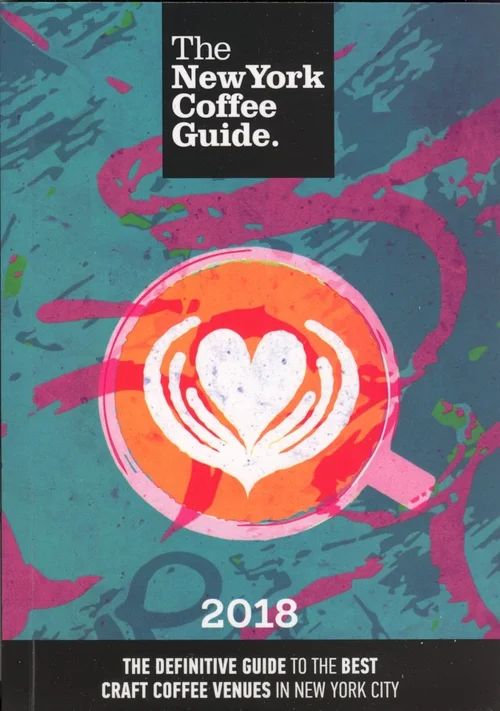
New York City isn’t just a metropolis—it’s a living, breathing ecosystem of flavor, rhythm, and culture. And at the heart of that ecosystem? Coffee shops and bakeries. Whether you’re a lifelong local, a first-time visitor, or a remote worker hunting for the perfect Wi-Fi-enabled oasis, finding the right café can transform your day. But with thousands of options scattered across five boroughs—from cozy corner spots in Brooklyn to sleek minimalist roasteries in Manhattan—how do you separate the truly exceptional from the merely adequate?
That’s where this guide comes in. We’ve spent months sipping, sampling, and scrutinizing NYC’s coffee and pastry scene to bring you a definitive, expert-level buying guide for 2026. This isn’t just a list of trendy spots; it’s a strategic roadmap designed to help you make informed decisions based on your priorities—whether that’s artisanal sourcing, buttery croissants, sustainable practices, or simply a quiet place to read without being rushed out. You’ll learn how to evaluate quality, understand pricing tiers, avoid common pitfalls, and discover hidden gems that locals swear by but tourists rarely find.
The market for specialty coffee and baked goods in NYC has evolved dramatically over the past decade. Once dominated by chain cafés and generic delis, the city now boasts a thriving network of independent roasters, third-wave coffee pioneers, and pastry chefs trained in Parisian kitchens. From single-origin pour-overs to laminated dough made with European butter, the standards are higher than ever. Yet with innovation comes noise: pop-ups, influencer-driven hype, and inflated prices can make it hard to know where your money—and time—are best spent. This guide cuts through the clutter, offering clarity, context, and actionable advice so you can navigate NYC’s café culture like a seasoned connoisseur.

What to Look for When Buying Buying Guide
1. Coffee Quality & Sourcing
The foundation of any great coffee shop is the bean itself. In NYC, the best establishments prioritize direct trade or transparent sourcing, often working directly with farmers in Ethiopia, Colombia, or Guatemala. Look for shops that roast their own beans in-house or partner with reputable local roasters like Sey Coffee, Partners Coffee, or Devoción. Freshness matters—beans should be used within two to four weeks of roasting. Ask baristas about origin, processing method (washed, natural, honey), and roast date. A truly committed café will proudly share this information. Avoid places that serve bitter, burnt, or overly acidic coffee—these are signs of stale beans or poor brewing technique.
2. Pastry Freshness & Craftsmanship
A croissant should shatter delicately under your fingers, not bend like cardboard. A danish should be flaky, not soggy. The best NYC bakeries bake multiple times daily, often starting before sunrise. Look for laminated pastries (croissants, pain au chocolat) made with high-fat European butter—this creates the signature layers and rich mouthfeel. Check if the bakery makes its own dough or relies on frozen bases (a red flag). Bakeries like Bien Cuit in Brooklyn or Lafayette Grand Café in NoHo are known for their meticulous, labor-intensive techniques. Also consider dietary inclusivity: top-tier spots now offer excellent gluten-free, vegan, or nut-free options without sacrificing texture or flavor.
3. Ambiance & Atmosphere
Great coffee and pastries mean little if the environment doesn’t match your needs. Are you looking for a quiet workspace, a lively social hub, or a romantic date spot? Consider seating availability, noise level, lighting, and whether laptops are welcome. Some cafés enforce time limits during peak hours; others encourage lingering with comfortable armchairs and bookshelves. Outdoor seating is a major plus in spring and fall. Pay attention to cleanliness—dirty tables, sticky floors, or overflowing trash bins detract from the experience. The best spots strike a balance between aesthetic appeal and functional comfort.
4. Service & Barista Expertise
A knowledgeable, friendly barista can elevate your visit from transactional to memorable. The best NYC coffee shops invest in staff training, ensuring baristas understand extraction variables, milk steaming, and customer preferences. Don’t hesitate to ask questions—“What’s your favorite single-origin today?” or “How do you recommend I enjoy this pour-over?”—and observe how they respond. Rushed, disinterested service often indicates high turnover or poor management. Conversely, staff who remember regulars’ orders or offer thoughtful recommendations signal a well-run establishment.
5. Sustainability & Ethical Practices
More than a trend, sustainability is a core value for discerning NYC consumers. Look for cafés that use compostable cups, offer discounts for bringing reusable mugs, source organic or fair-trade ingredients, and minimize food waste. Some bakeries donate unsold goods to shelters or compost all organic waste. Energy-efficient equipment, water-saving brewing methods, and partnerships with local farms also reflect a commitment to environmental responsibility. Brands like Joe Coffee and Bluestone Lane lead the way in transparent, eco-conscious operations.
6. Location & Accessibility
Even the best café loses appeal if it’s inconvenient. Consider proximity to subway lines, bike lanes, or parking. Is it walkable from your office, hotel, or neighborhood? Weekday mornings in Midtown can be chaotic—opt for spots slightly off the main drag if you value peace. Also check hours: some bakeries sell out by 10 a.m., while others stay open late for evening espresso. Accessibility for people with disabilities (ramps, wide aisles, accessible restrooms) is increasingly important and often overlooked.
7. Price Transparency & Value
NYC prices vary wildly—from $3 for a basic drip coffee to $8 for a nitro cold brew with oat milk. Understand what you’re paying for: single-origin beans, house-made syrups, or imported butter. A $6 croissant might seem steep, but if it’s handmade with AOP Charentes butter and baked that morning, it’s justified. Compare portion sizes, ingredient quality, and overall experience. Avoid places with hidden fees (e.g., “large” upsell on a standard size) or inconsistent pricing. The best value isn’t always the cheapest—it’s the best balance of quality, service, and atmosphere for your budget.
8. Community & Cultural Fit
Great cafés often reflect the character of their neighborhood. A Williamsburg spot might feature rotating local art and host poetry readings, while a Harlem bakery could celebrate Caribbean flavors and jazz playlists. Consider whether the vibe aligns with your personality—do you prefer minimalist Scandinavian design or warm, rustic charm? Supporting businesses owned by women, people of color, or immigrants adds another layer of meaning. Many NYC cafés are community anchors, hosting events, fundraisers, or youth programs. Choosing one that resonates culturally enhances your experience beyond the cup.
Different Types of Buying Guide

Common Buying Mistakes to Avoid
❌ Mistake: Chasing Hype Over Substance
Why it’s bad: Instagram fame doesn’t guarantee quality. Many “viral” spots rely on aesthetic gimmicks—neon signs, floral walls, or celebrity endorsements—while serving mediocre coffee or reheated pastries. You end up paying premium prices for underwhelming experiences.
What to do instead: Read recent, detailed reviews from trusted sources (not just influencers). Visit during off-peak hours to assess consistency. Ask locals or baristas for their honest favorites.
❌ Mistake: Ignoring Seasonal Availability
Why it’s bad: Some bakeries rotate menus seasonally—think pumpkin scones in fall or strawberry tarts in spring. Showing up in winter expecting summer specials leads to disappointment.
What to do instead: Check the café’s website or social media for current offerings. Call ahead if you’re seeking a specific item. Embrace seasonal rotations as part of the adventure.
❌ Mistake: Overlooking Dietary Needs
Why it’s bad: Assuming all cafés accommodate allergies or dietary restrictions can lead to unsafe choices or limited options. Vegan croissants aren’t universal, and cross-contamination is a real risk.
What to do instead: Always ask staff about ingredients and preparation methods. Look for dedicated allergen-free sections or certified labels. Apps like Find Me Gluten Free can help pre-screen options.
❌ Mistake: Prioritizing Speed Over Experience
Why it’s bad: Rushing through your visit means missing nuances—the aroma of freshly ground beans, the texture of a perfectly laminated pastry, or a barista’s recommendation. You sacrifice mindfulness for convenience.
What to do instead: Schedule buffer time. Sit down, savor slowly, and engage with your surroundings. Even a 15-minute pause can reset your day.
❌ Mistake: Neglecting Payment Methods
Why it’s bad: Many NYC cafés are cashless or charge extra for credit card transactions under $10. Arriving unprepared causes frustration and delays.
What to do instead: Carry a reusable card or mobile payment option (Apple Pay, Google Pay). Confirm payment policies before ordering.
❌ Mistake: Assuming All “Local” Spots Are Equal
Why it’s bad: “Locally owned” doesn’t automatically mean high quality. Some small shops cut corners on sourcing or training to keep prices low.
What to do instead: Research the owner’s background. Are they trained baristas? Do they participate in industry events? Authentic local gems often have stories worth discovering.
❌ Mistake: Forgetting to Tip Appropriately
Why it’s bad: Baristas and bakers rely on tips, especially in a city with high living costs. Skimping disrespects their craft and can affect future service.
What to do instead: Tip 15–20% for good service, more for exceptional care (e.g., custom orders, detailed explanations). Use cash if possible—it goes directly to the worker.
Budget Guidelines: How Much Should You Spend?
Entry-Level ($3–$6): This tier includes reliable neighborhood spots and some chain-adjacent independents. Expect decent drip coffee, basic pastries (muffins, bagels), and functional seating. Quality varies, but you’ll find hidden gems like Café Grumpy’s simpler outposts or local bodega cafés with surprisingly good espresso. Ideal for quick fuel, not destination experiences.
Mid-Range ($6–$10): The sweet spot for most NYC visitors and residents. Here, you’ll find third-wave roasteries with rotating single-origin offerings, house-made syrups, and freshly baked croissants or scones. Shops like Abraço in the East Village or Oslo Coffee Roasters offer excellent value—high-quality ingredients without luxury markup. Wi-Fi, ample seating, and knowledgeable staff are standard.
Premium ($10–$15): Reserved for enthusiasts and professionals. These cafés feature rare microlot beans, experimental brewing methods (siphon, cold drip), and pastry menus crafted by award-winning chefs. Think Dominique Ansel Bakery’s seasonal creations or Sey Coffee’s minimalist pour-over bar. Portions may be smaller, but every element is intentional and refined.
Luxury ($15+): For special occasions or deep-pocketed connoisseurs. Expect chef collaborations, imported ingredients (e.g., Valrhona chocolate, Italian olive oil), and immersive environments—like the multi-level La Mercerie or the garden terrace at The Butcher’s Daughter. Prices reflect exclusivity, artistry, and real estate costs. Not for daily visits, but unforgettable when the moment calls.
Expert Tips for Getting the Best Deal
– Visit mid-morning or mid-afternoon: Avoid 8–9 a.m. rushes and 12–1 p.m. lunch crowds. You’ll get faster service, better seating, and often fresher batches of pastries baked between peaks.
– Bring your own cup: Most NYC cafés offer $0.25–$0.50 discounts for reusable mugs. Over a month, this adds up—and reduces waste.
– Follow on social media: Shops often announce flash sales, limited-edition items, or pop-up collaborations first on Instagram or Twitter. Turn on post notifications for your favorites.
– Try the “barista’s choice”: Many skilled baristas enjoy crafting custom drinks based on your preferences. It’s a fun way to discover new flavors and support their creativity.
– Go on weekdays: Weekend brunch lines can stretch blocks long. Tuesday through Thursday offers the best balance of freshness and availability.
– Ask about day-old pastries: Some bakeries sell slightly imperfect or leftover items at a discount in the late afternoon. Perfect for snacks, not presentation.
– Check for combo deals: Increasingly, cafés bundle coffee + pastry for $1–$2 less than buying separately. Great for maximizing value.
– Use cashback apps: Rakuten, Ibotta, or credit card rewards can earn you 2–5% back on café purchases—especially useful for frequent visitors.

Frequently Asked Questions
Q: What makes a coffee shop “third-wave”?
A: Third-wave coffee treats coffee as an artisanal craft rather than a commodity. It emphasizes traceability, precise brewing, and appreciation of flavor profiles—similar to wine or craft beer. These shops often roast in small batches, highlight single-origin beans, and train baristas extensively.
Q: Are NYC bakeries open on Sundays?
A: Yes, most are—but hours may be shorter. High-traffic areas like SoHo or Williamsburg tend to stay open all day, while quieter neighborhoods might close by 3 p.m. Always check online before visiting.
Q: Can I work from a café all day?
A: It depends. Some welcome laptop users; others limit stays during busy times. Bring headphones, order regularly, and be respectful of turnover. Cafés with co-working vibes (e.g., The Wing, though now reimagined) are more accommodating.
Q: Is oat milk really worth the upcharge?
A: If you’re dairy-free or prefer its creamy texture, yes—but not all oat milks are equal. Baristas often steam Oatly or Minor Figures better than generic brands. Ask which they recommend for lattes.
Q: How do I know if a croissant is fresh?
A: A fresh croissant should be light, airy, and shatter when broken—not bend or feel dense. The interior should have visible layers (like phyllo dough). Avoid anything greasy or with a sour smell.
Q: Are there good coffee shops in the outer boroughs?
A: Absolutely! Queens, Brooklyn, the Bronx, and Staten Island have incredible options. Try Sweetleaf in Long Island City, Bakeri in Greenpoint, or Cafecito in the Bronx for standout experiences beyond Manhattan.
Q: Do I need to speak English to order?
A: While English dominates, many staff speak Spanish, Mandarin, or French. Pointing, smiling, and using simple phrases (“One coffee, please”) usually works. Most menus have pictures or translations.
Q: What’s the deal with “pour-over” vs. “drip”?
A: Pour-over is manually brewed, allowing control over water temperature, flow rate, and extraction time—resulting in cleaner, more nuanced flavors. Drip is automated and often faster but less precise. Both can be excellent; it’s about preference.
Q: Are there quiet cafés for studying or reading?
A: Yes—look for spots with soft lighting, minimal music, and no TVs. The Library at The Wing (reopening in new form), McNally Jackson’s café, or Café Grumpy’s West Village location are known for calm atmospheres.
Q: How sustainable are NYC coffee cups?
A: Most “compostable” cups aren’t accepted in regular recycling or composting streams due to plastic linings. The best option? Bring your own. Many shops now offer discounts for it.
Our Final Recommendations
Best for Budget-Conscious Buyers: Café Grumpy (Multiple Locations)
Consistently solid espresso, fair prices ($4–$6), and no pretension. Their Greenpoint roastery offers tours and discounts for students.
Best Overall Value: Abraço (East Village)
Tiny but mighty. Famous for olive oil cake and expertly pulled shots. Lines move fast, and the vibe is authentically New York.
Best Premium Option: Sey Coffee (Bushwick)
A pilgrimage site for coffee geeks. Light-roasted single origins, minimalist design, and baristas who treat brewing like science. Worth the trip.
Best for Beginners: Joe Coffee (Multiple Locations)
Approachable, reliable, and educational. Staff happily explain brewing methods, and their seasonal drinks are creative without being overwhelming.
Best for Advanced Users: Devoción (Williamsburg & Flatiron)
Imports fresh beans weekly from Colombian farms. Their cold brew and cascara tea are revelations. Ideal for those who geek out over terroir.
Best Bakery Experience: Bien Cuit (Gowanus)
Flaky, buttery, impossibly layered pastries. Their croissants have a cult following. Arrive early—they sell out daily.
Best Hybrid Space: McNally Jackson Café (SoHo)
Books, coffee, and quiet corners. Perfect for writers, readers, or anyone needing inspiration with their espresso.
Conclusion: Making the Right Choice
Choosing the right coffee shop or bakery in NYC isn’t just about caffeine or calories—it’s about crafting moments that align with your rhythm, values, and cravings. Whether you’re seeking a meditative solo ritual, a vibrant social hub, or a culinary adventure, the city offers unparalleled diversity. By focusing on quality sourcing, freshness, ambiance, and ethical practices, you’ll elevate every sip and bite.
Remember: the “best” spot is the one that feels right for you in that moment. Don’t let trends dictate your choices. Experiment, ask questions, and trust your palate. And when in doubt, follow the locals—they’ve already done the hard work of discovery.
So grab your reusable cup, step outside, and let NYC’s café culture surprise you. Your perfect match is out there—brewing, baking, and waiting.